
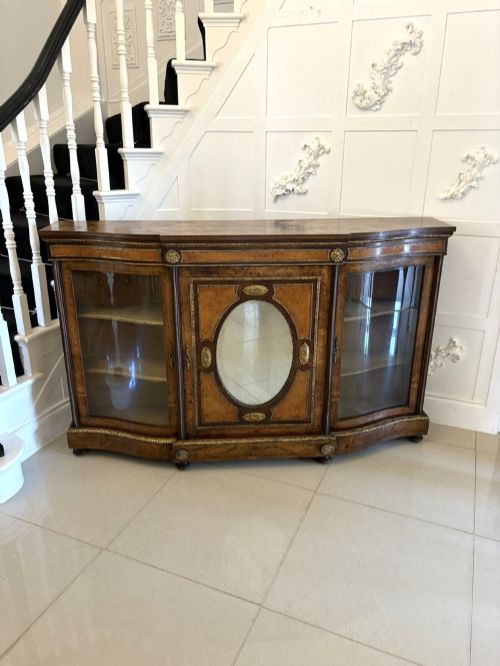
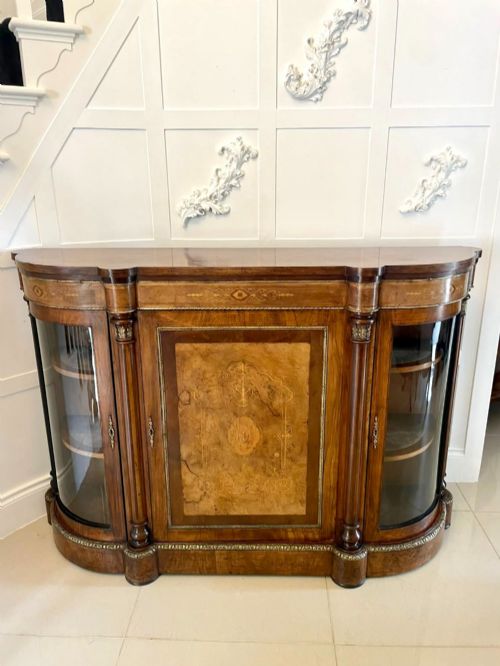
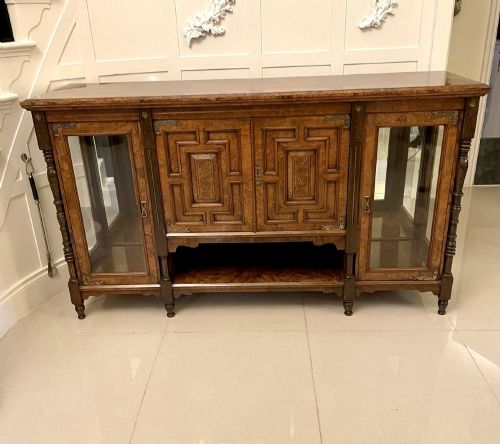
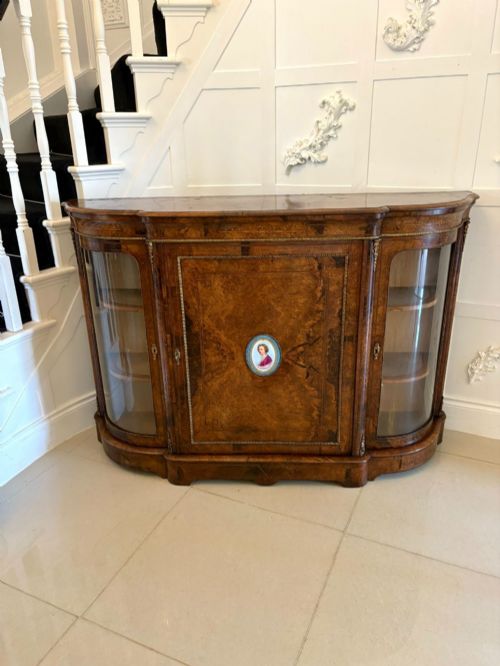

Victorian Inlaid Display Cabinet
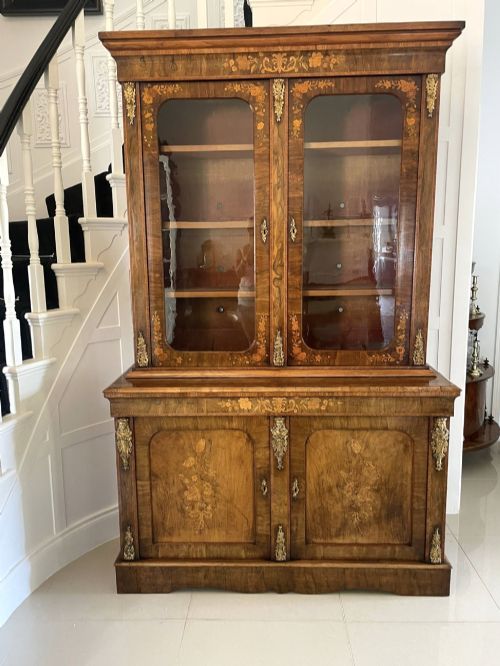
A victorian inlaid display cabinet brings rich burr walnut, delicate marquetry and polished glass together to showcase precious collections in grand nineteenth-century rooms.
Victorian Inlaid Display Cabinet
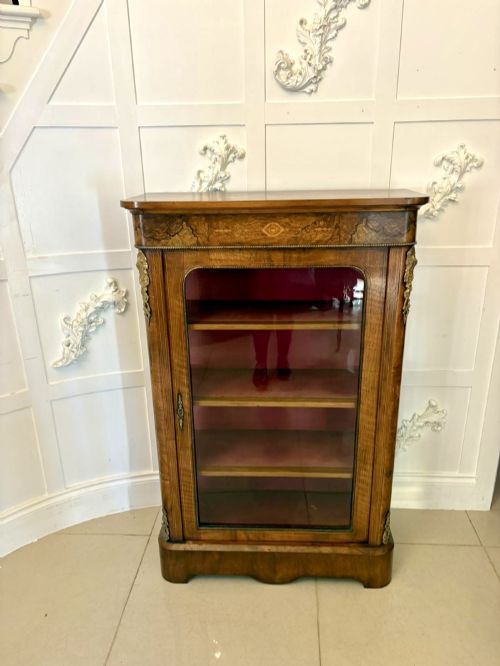
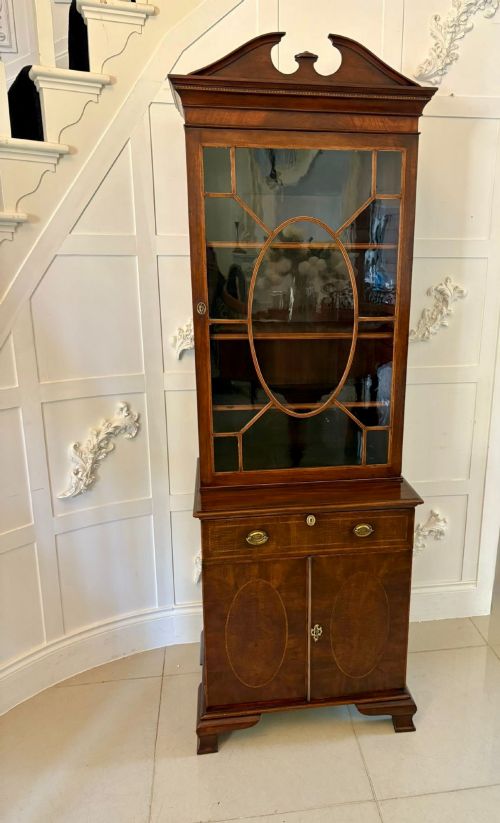
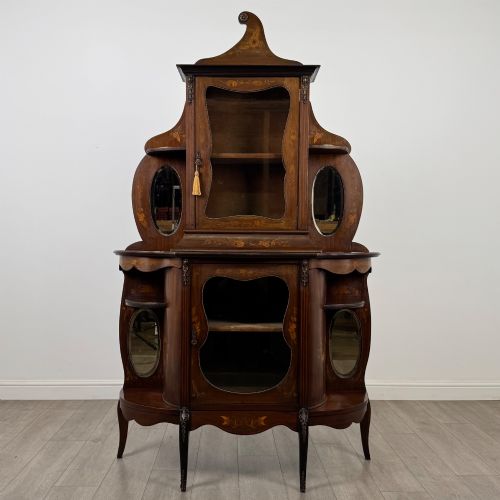
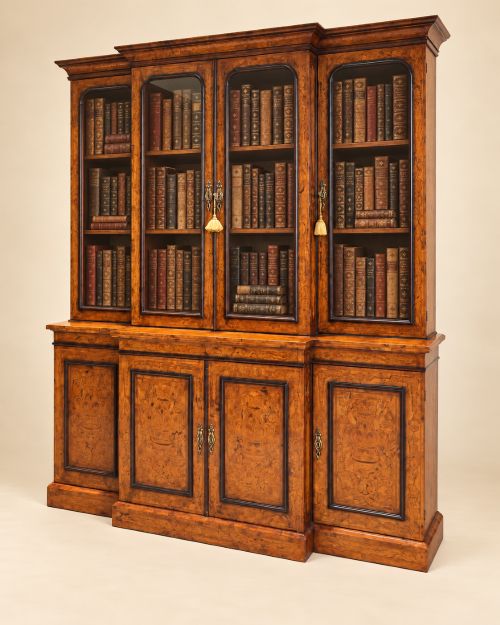
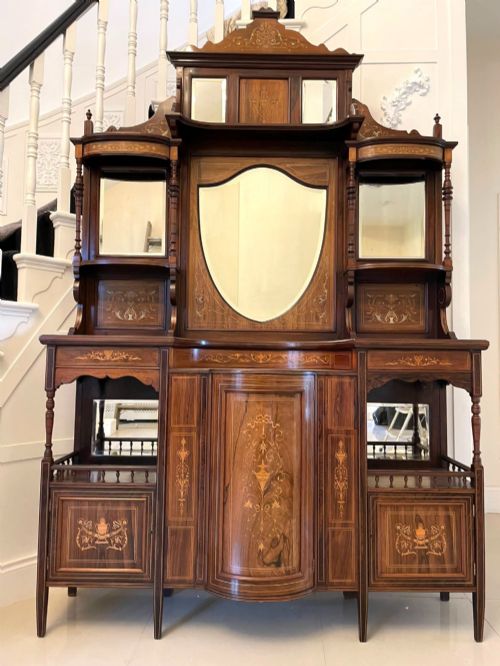
A victorian inlaid display cabinet serves as the primary vessel for showing treasured ceramics, glassware and ornaments within the nineteenth-century interior. Buyers searching this phrase meet substantial credenzas, low pier cabinets and glazed bookcases dating from the eighteen-fifties through to nineteen-hundred.
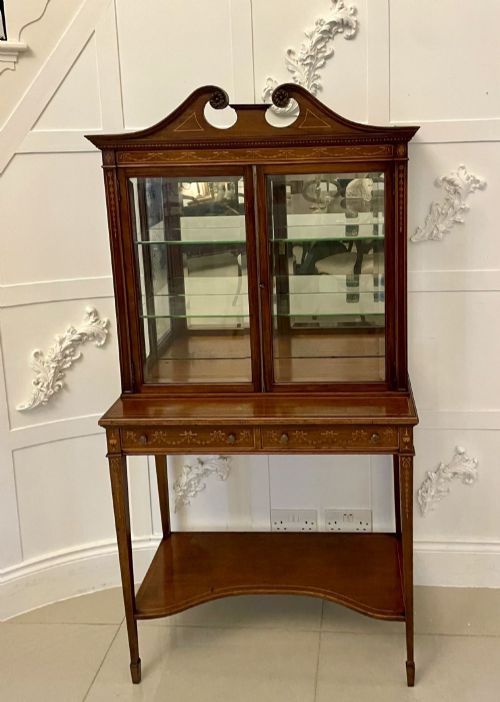
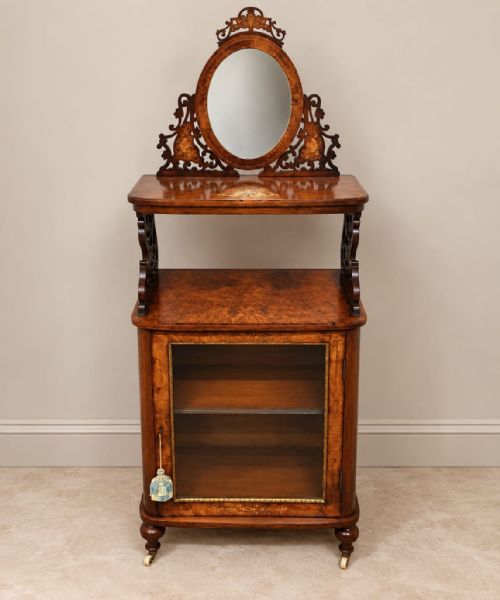
Burr walnut and rich mahogany form the predominant woods encountered across these selections, frequently enriched by satinwood and rosewood stringing. The pieces span diverse stylistic revivals, incorporating Sheraton motifs, Aesthetic Movement lines and neoclassical details.
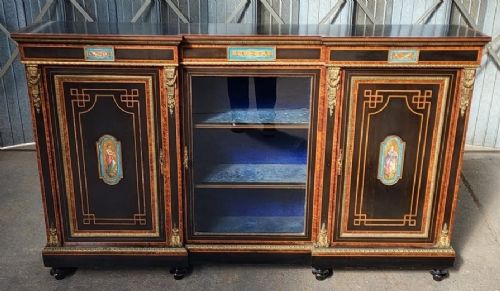
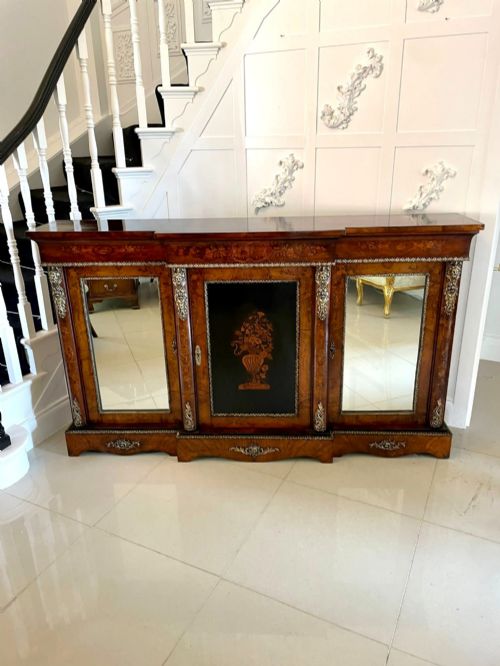
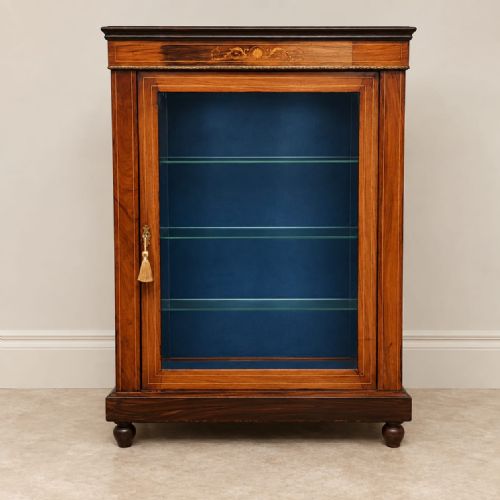
Format varieties range from compact single-door pier cabinets designed for narrow wall spaces to monumental breakfront credenzas flanked by curved glass panels. Many incorporate mirrored backs and velvet-lined shelving intended to amplify the display of precious objects.
Materials and construction
Cabinet makers applied thin decorative veneers of burr walnut, mahogany and satinwood over stable secondary timbers to create highly figured exterior surfaces. Delicate marquetry designs utilise contrasting woods and engraved ivorine or metal elements set flush into the grain.
Ormolu mounts cast in brass provide structural enrichment around glass doors, corners and plinths, often complemented by gilt-bronze banding. Hand-blown cylinder glass fitted into rebated wooden frames secures the viewing areas while brass castors support mobile pieces.
Victorian Inlaid Display Cabinet Retail Price Guide 2026
Typical asking prices for victorian inlaid display cabinet among the pieces listed under this phrase on Sellingantiques today, from the lower quarter to the upper quarter. They describe what is for sale here now, not the wider market.
One exceptional nineteenth-century cabinet discovered here carries vintage advertising for Moet & Chandon champagne producers.
Judging distinction
The degree of refinement in the floral marquetry and the choice of highly figured burr walnut veneers dictate the upper tier of execution. Cabinets featuring robust ormolu mounts and substantial porcelain plaque insertions command greater regard among collectors.
Structural integrity relies on the precision of timber seasoning and veneer application, preventing lifting along curved serpentine fronts and bow-door edges. Internal fittings, including original fabric linings and bevelled glass panes, denote superior workshop output.
Edwards & Roberts·Collinson & Lock·Gillows·Lamb of Manchester·Maple & Co
The Victorian Inlaid Display Cabinet Glossary
- Marquetry
- Elaborate patterns formed by fitting contrasting wood veneers into a prepared background ground. These decorative scenes frequently depict floral sprays or classical urns across the cabinet doors.
- Ormolu
- Gilded bronze mounts applied to the exterior angles and cornices of nineteenth-century furniture. This technique adds metallic highlights that complement the warm tones of walnut and mahogany.
- Credenza
- A long, low cabinet featuring central glass-fronted display areas flanked by side cupboards. This form became central to formal dining rooms and parlours during the Victorian period.
- Pier cabinet
- A narrow glazed cabinet built specifically to fit the wall space between large windows. These compact pieces typically feature a single glass door and velvet-lined interior shelving.
- Stringing
- Thin lines of contrasting timber inlaid into the surface veneer to outline drawers and door panels. It defines the structural geometry typical of Sheraton Revival design.
Victorian Inlaid Display Cabinet: Frequently Asked Questions
Where did these cabinets sit in Victorian homes?
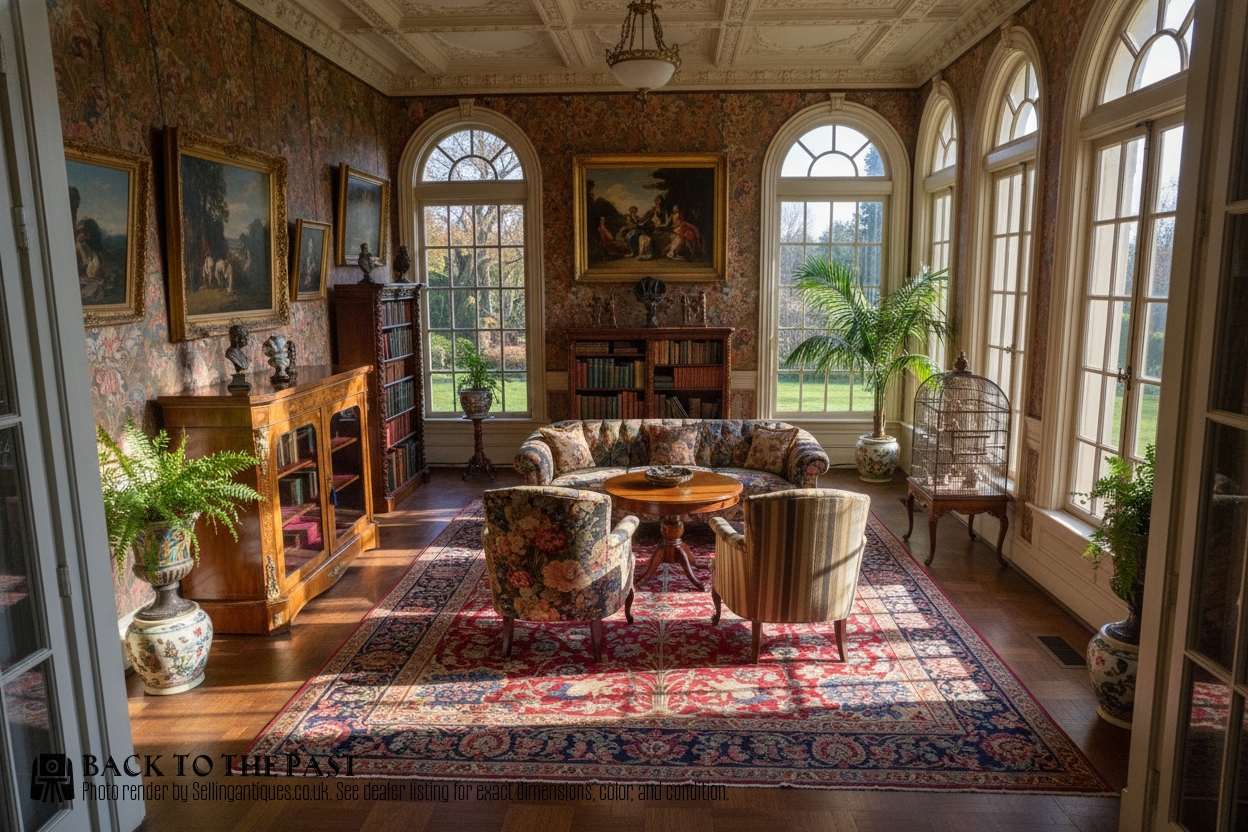
These pieces occupied principal reception rooms, parlours and drawing rooms where guests gathered for afternoon tea or evening entertaining. Pier cabinets sat between windows to utilise narrow architectural spaces, while large credenzas anchored prominent walls.
Their glazed doors and internal mirrored backs served to reflect light around gaslit interiors while protecting delicate porcelain collections from atmospheric dust.
How do I care for the timber surface?
Protect the polished wood and delicate veneer surfaces by maintaining stable room humidity away from direct heat sources and sunlight. Natural beeswax applied sparingly preserves the antique sheen without building up heavy residue.
Clean the glass panes with a soft cloth dampened slightly with water, avoiding chemical sprays that might track onto the surrounding timber or marquetry.
How can I distinguish walnut from mahogany cabinets?
Burr walnut exhibits swirling, highly figured grain patterns with distinctive dark eyes and rich golden-brown tones. Mahogany displays a straighter, red-brown grain structure that accepts dark polishing exceptionally well.
Cabinets utilising walnut frequently incorporate elaborate floral marquetry, whereas mahogany versions often rely on crisp satinwood stringing and neoclassical proportions.
What is the difference between a credenza and a pier cabinet?
A credenza is a wide, substantial sideboard featuring a central display section enclosed by glass doors and matching side cupboards. They often include serpentine fronts and ormolu mounts.
A pier cabinet is a much narrower, single-door vertical case designed for limited wall space between architectural openings. Both served to showcase decorative ceramics and glassware.