




Victorian Inlaid Coffee Table
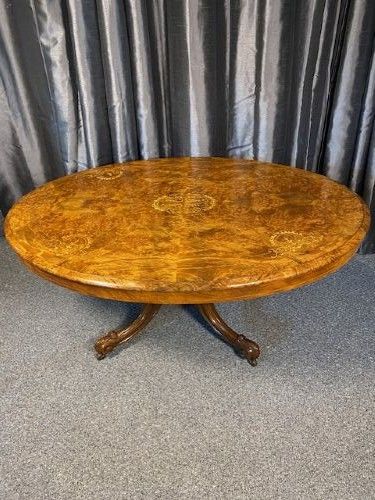
A victorian inlaid coffee table brings together period craftsmanship and intricate surface ornamentation, offering a striking centrepiece for a sitting room.
Victorian Inlaid Coffee Table
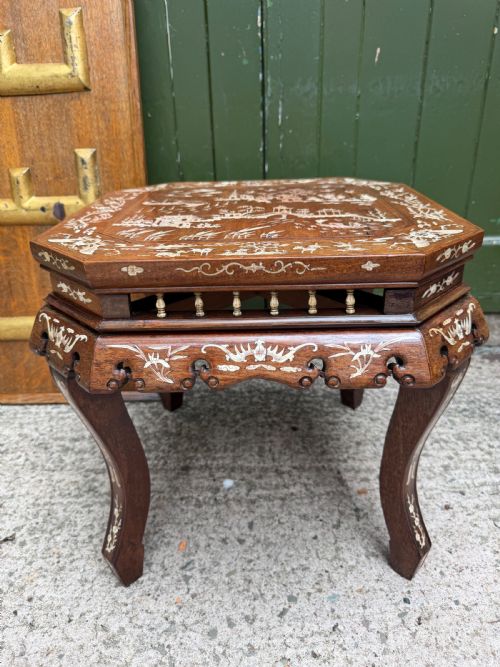
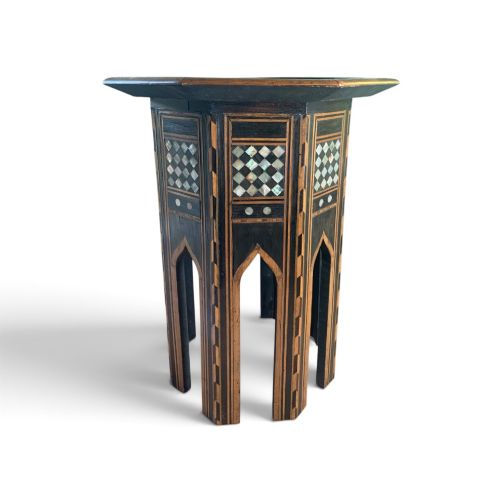
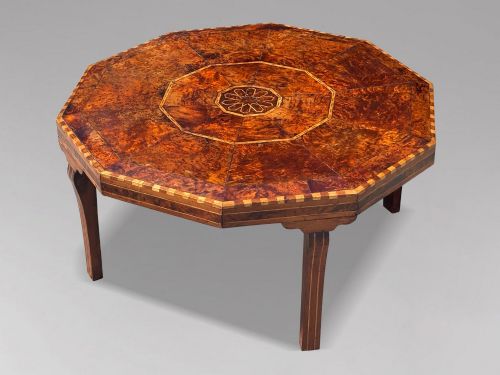
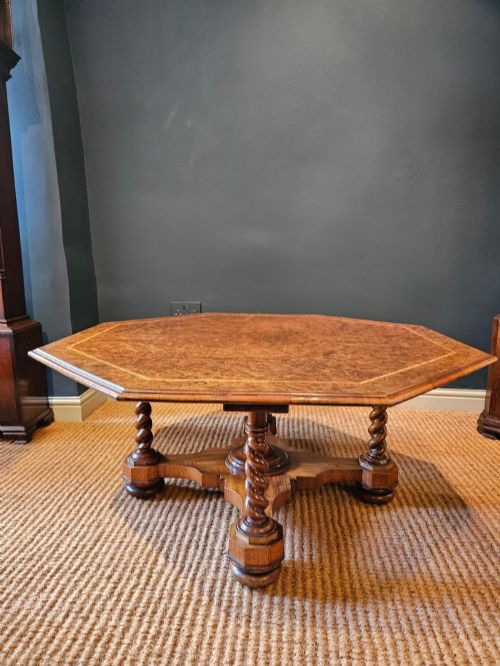
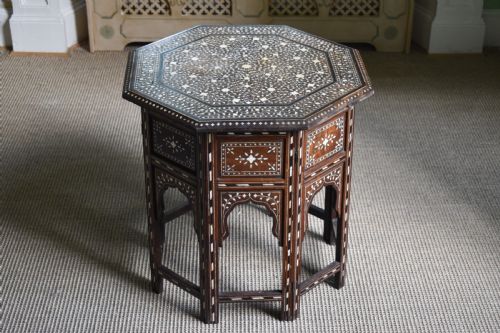
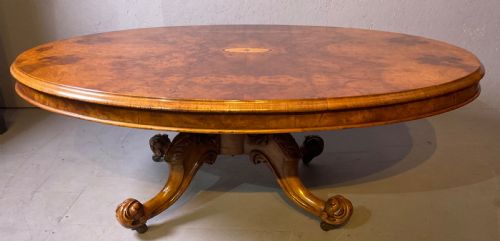
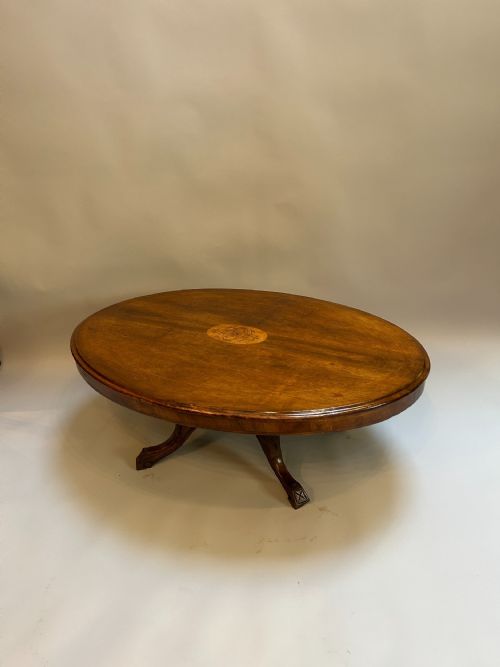
When searching for a victorian inlaid coffee table, buyers encounter a variety of forms including low occasional tables, oval lamp tables, and octagonal centre tables originating from the nineteenth century.
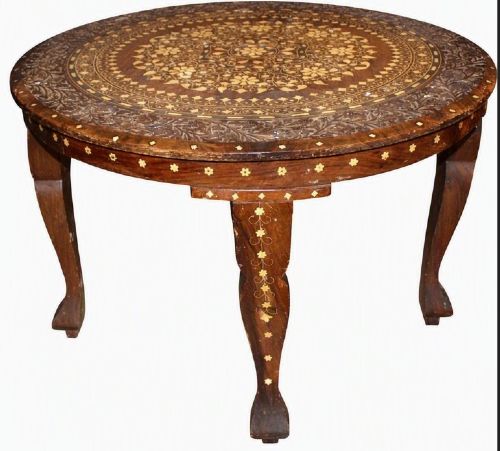
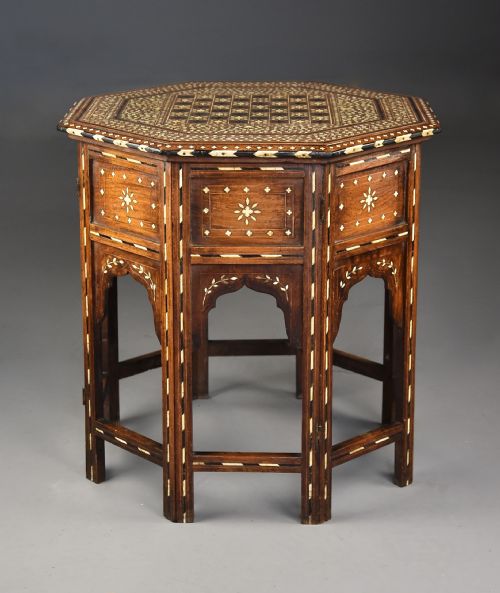
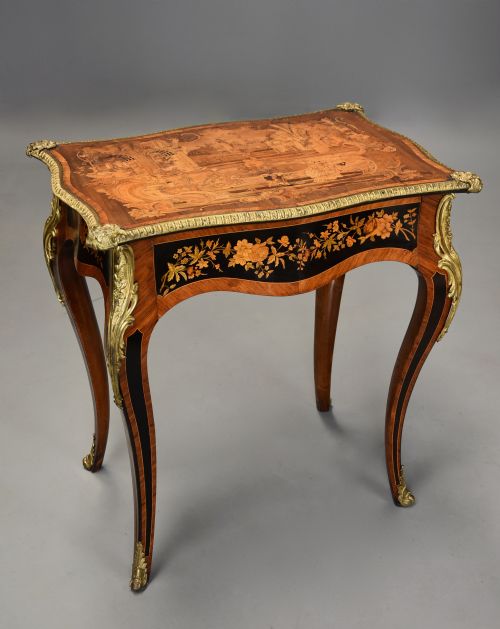
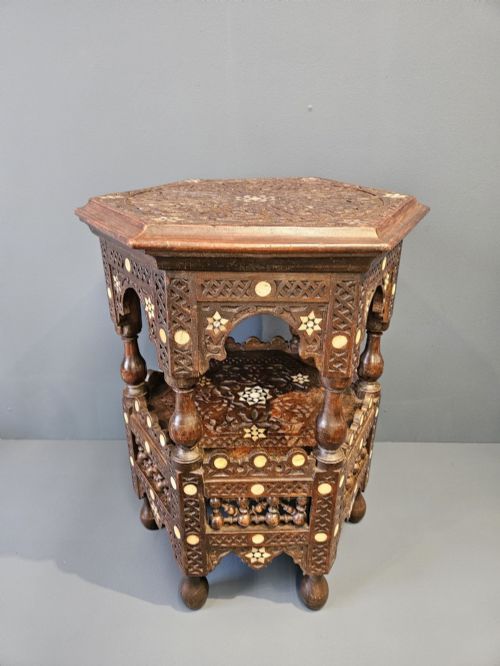
Makers and workshops of the era also produced pieces influenced by Moorish Revival, Anglo-Indian, and French designs, expanding the range beyond standard British cabinetry.
How they were made
Cabinet makers utilised dense hardwoods such as walnut, rosewood, mahogany, and satinwood as a stable base for decorative veneers and contrasting stringing.
Surface patterns were achieved through precision wood inlay and marquetry, often combining boxwood, bone, and exotic timbers to form floral or geometric motifs.
Some tables hide nested companions inside, proving Victorians loved furniture that played hide-and-seek.
What varies in quality
The standard of a victorian inlaid coffee table depends significantly on the crispness of the marquetry and the natural figuring of the underlying burr timber.
Superior examples display seamless alignment in the wood inlay and meticulous hand-carving on the structural supports, separating standard production from exceptional workshop output.
Liberty & Co·Edwards and Roberts
The Victorian Inlaid Coffee Table Glossary
- Marquetry
- Decorative veneer applied to a furniture structure in patterns, commonly depicting floral or pictorial scenes using various coloured woods.
- Burr Walnut
- A specialised timber cut from walnut tree growths, prized for its swirling, highly figured grain pattern on table tops.
- Pietra Dura
- An inlay technique utilising cut and fitted highly polished coloured stones to create geometric or figurative designs.
- Quartetto Nest
- A set of four graduated tables designed to slide neatly beneath one another when not in use.
Victorian Inlaid Coffee Table: Frequently Asked Questions
How are these tables cleaned?
Maintenance requires only a soft cloth and occasional application of appropriate furniture wax to preserve the polished wood surface.
Harsh chemical cleaners and excessive moisture must be avoided to protect the delicate veneer and historical inlay work.
Can they hold heavy items?
These tables function well for daily living, accommodating books, lamps, and tea sets without structural strain.
Excessive weight should nevertheless be avoided to protect antique joinery and the integrity of the slender legs.
Are all pieces originally coffee tables?
Many examples began life as nineteenth-century occasional, sewing, or centre tables rather than low furniture.
Their proportions and heights adapt naturally to modern seating arrangements as low coffee tables.
How do I identify the wood type?
Close inspection of the grain reveals the distinctive dark figuring of walnut or the reddish tones of mahogany.
Lighter sections often consist of satinwood or boxwood utilised specifically for contrasting inlay details.