
Victorian Inlaid Box
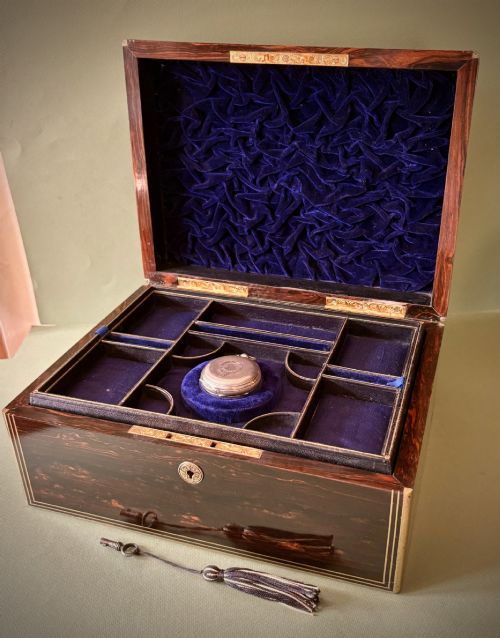
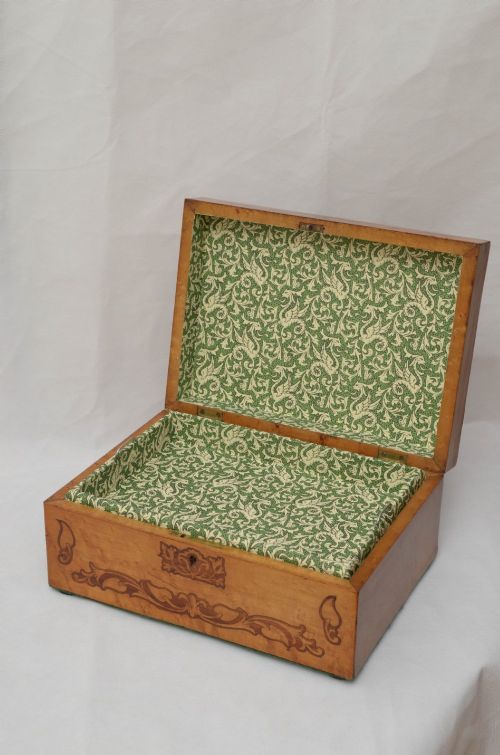
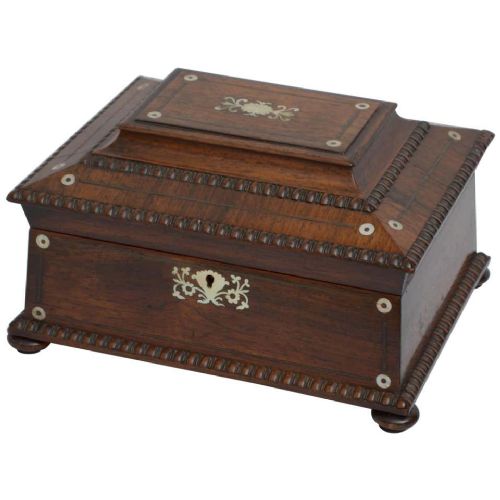
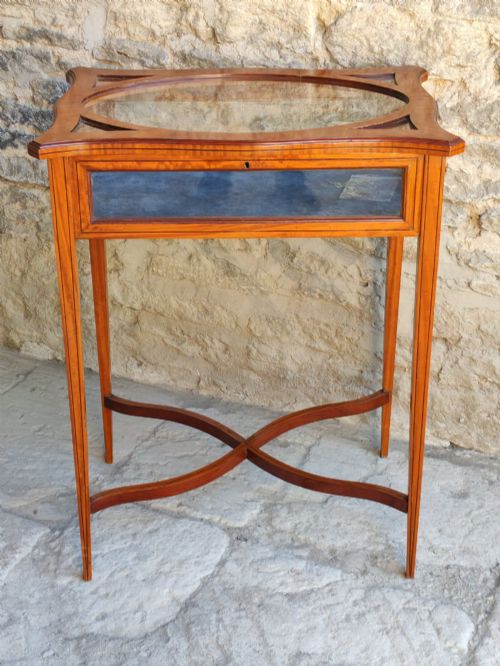
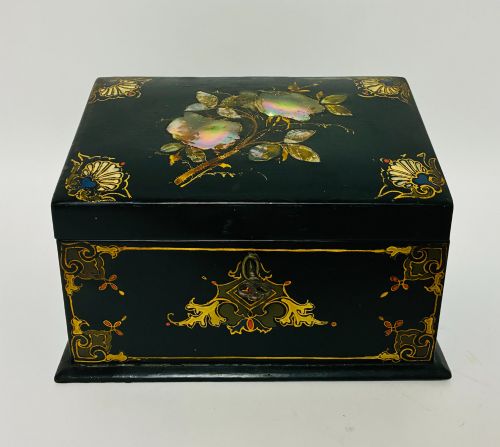
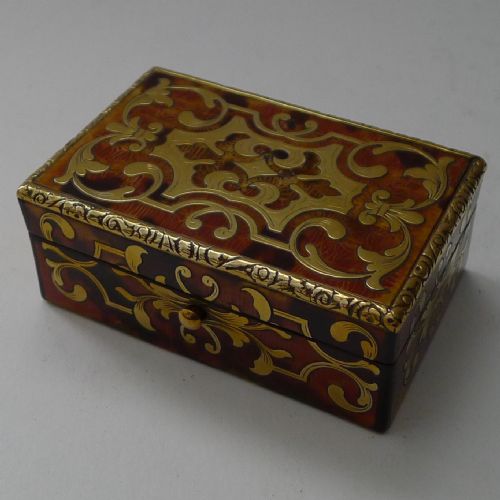
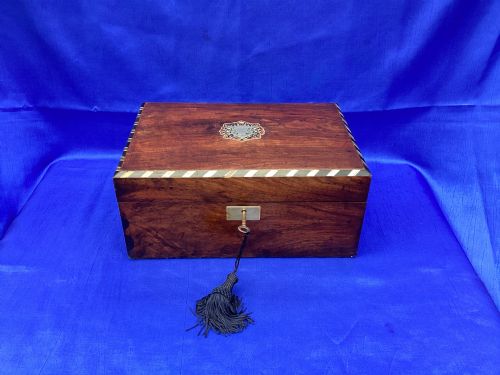
A victorian inlaid box gathers small treasures, letters and keepsakes inside timber surfaces patterned with brass, pearl and contrasting woods.
Victorian Inlaid Box
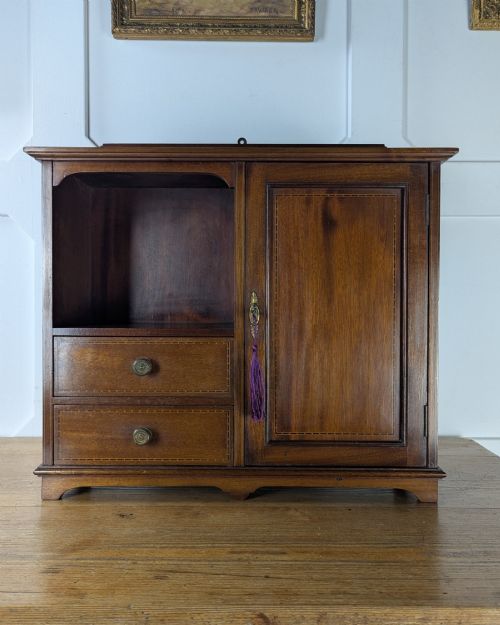
A victorian inlaid box encompasses a broad range of domestic receptacles designed to organise correspondence, valuables and personal effects. The selection spans tea caddies, writing slopes, jewellery caskets, stationery boxes and smaller pocket snuff containers.
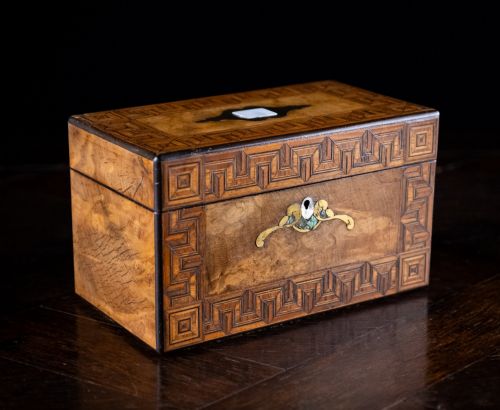
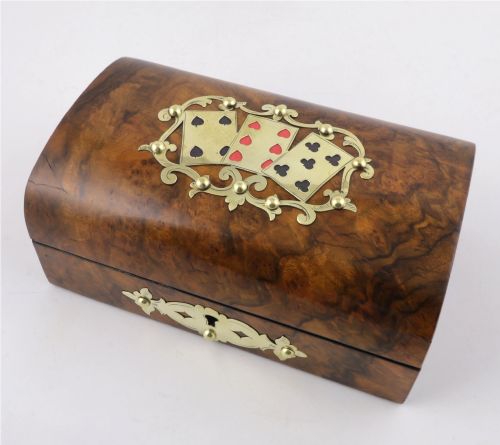
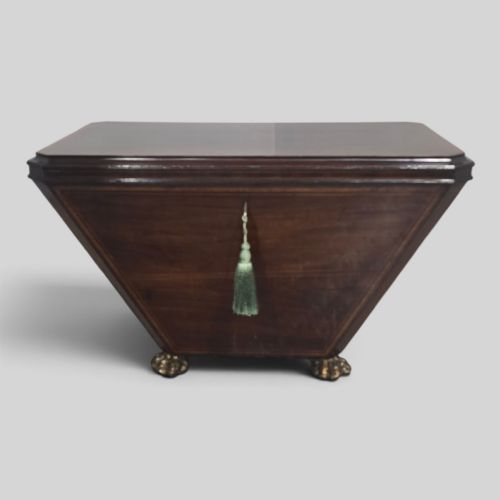
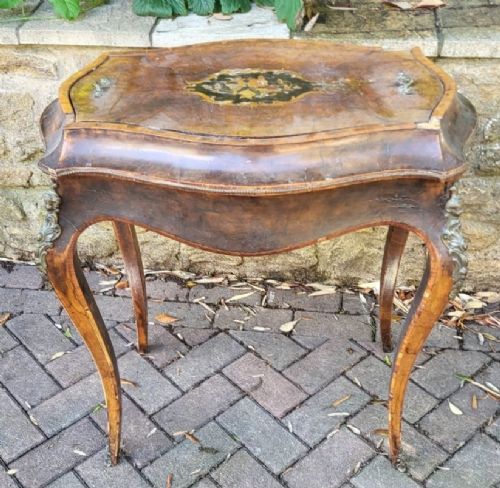
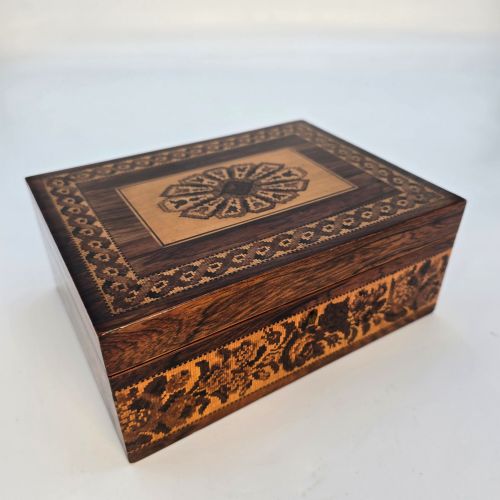
Makers utilised walnut, rosewood, mahogany and satinwood as foundations for decorative surface schemes. Examples frequently display parquetry, Tunbridge ware marquetry, or contrasting insertions of brass and mother-of-pearl.
Pieces originate predominantly from nineteenth-century English workshops, alongside French and Italian examples incorporating ormolu, tortoiseshell and pietra dura elements.
Materials and Technique
Cabinetmakers constructed carcass boxes from dense hardwoods such as walnut, rosewood and mahogany, often applying veneers of burr walnut, satinwood or bird's eye maple to exterior surfaces. These timber bases received intricate recessing by hand to accept contrasting motifs.
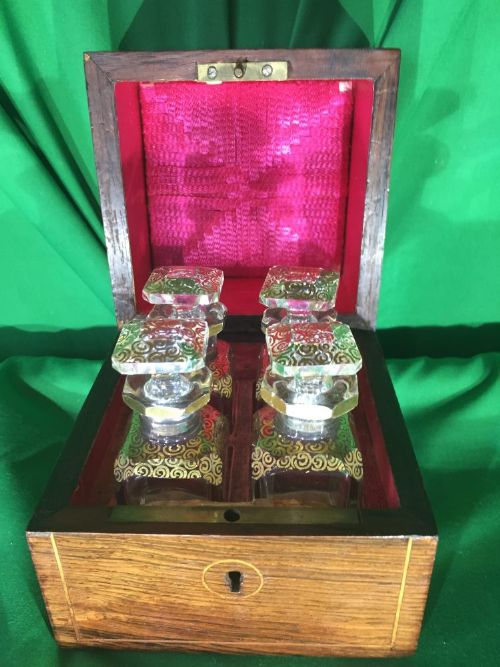
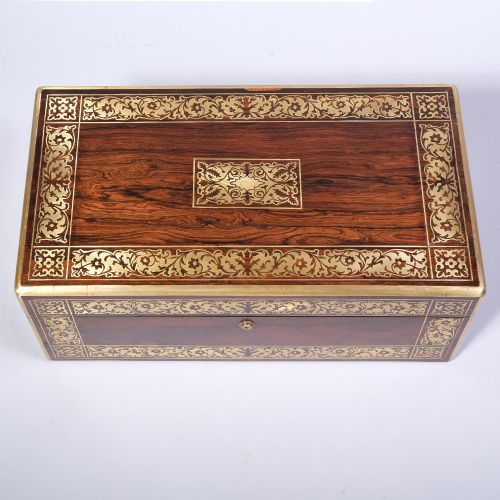
Craftsmen inlaid brass stringing, mother-of-pearl plaques, bone, abalone and multi-coloured wood tesserae into prepared channels. Many items incorporated specialised internal trays, compartments, velvet linings and fitted glass scent bottles.
Victorian Inlaid Box Retail Price Guide 2026
Typical asking prices for victorian inlaid box among the pieces listed under this phrase on Sellingantiques today, from the lower quarter to the upper quarter. They describe what is for sale here now, not the wider market.
Listings feature 19th-century materials including tortoiseshell, brass, mother-of-pearl, bone, glass, and burr walnut.
Quality and Execution
Distinctions in execution rest on the precision of the timber fit and the complexity of the inlaid motifs. Superior receptacles display tight, flush junctions between contrasting materials without excessive filler.
Internal organisation and surviving fitments dictate distinction. Fully appointed interiors with original trays, secret drawers, matching glass components or documented maker signatures elevate standard containers into notable collector pieces.
Edwards and Roberts·Edmund Nye·Henry Hollamby·H Mitchell
The Victorian Inlaid Box Glossary
- Tunbridge Ware
- Woodware decorated with mosaic patterns formed from tiny wood prisms glued together to depict buildings, flora or geometric tessellations. This technique developed in Kent during the nineteenth century.
- Parquetry
- Geometric wood inlay forming repeating patterns such as cubes, triangles or squares across a surface. Artisans selected contrasting timbers to achieve a three-dimensional visual effect.
- Writing Slope
- A desktop box featuring a hinged, sloping lid that opens to reveal a velvet-lined writing surface, inkwell recesses and storage for stationery. These objects served portable correspondence needs.
- Treen
- Small handmade wooden domestic objects fashioned by turning or carving. Examples include snuff boxes, needlework cases and shoe-shaped containers.
- Marquetry
- Decorative veneer work using various tinted woods, shells or metals arranged in pictorial or abstract designs. Craftsmen cut these elements from thin sheets and glued them onto a solid carcass.
Victorian Inlaid Box: Frequently Asked Questions
What were tea caddies used for?
Tea caddies stored precious loose leaves under lock and key in nineteenth-century drawing rooms. The strong aroma preservation protected high-value dry goods from damp conditions.
Fitted interiors often included internal lids or dual compartments to segregate black and green varieties.
How do I identify Tunbridge ware?
Tunbridge ware displays microscopic wooden mosaic tiles assembled to create pictorial motifs or geometric borders. Examining the surface with a magnifier reveals thousands of tiny timber prisms.
Popular subjects incorporate flora, butterflies and architectural views set into rosewood or walnut grounds.
What is a writing slope box?
A writing slope box folds open to provide an angled platform for penning letters away from a permanent desk. Internal partitions hold stationery, nibs, postage stamps and inkwells.
Wealthy travellers utilised portable versions on journeys to maintain correspondence during transit.
How are tortoiseshell boxes constructed?
Makers applied thin translucent plates of hawksbill sea turtle shell over a red-stained wooden or metallic base to enhance warmth and depth. Brass inlay or mother-of-pearl cartouches were pressed directly into the softened material.
These delicate items required careful handling by Victorian owners.