

Victorian Hearth Screen
A victorian hearth screen keeps the heat off the face while adding polish to the fireplace, and the versions here range from brass folding fans to needlework panels.
Victorian Hearth Screen
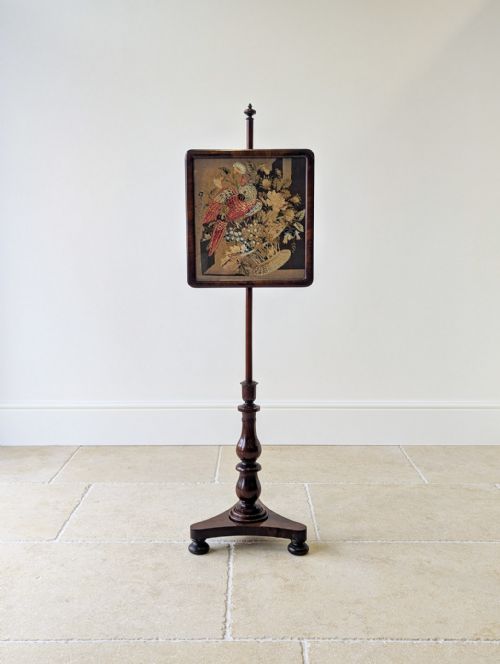
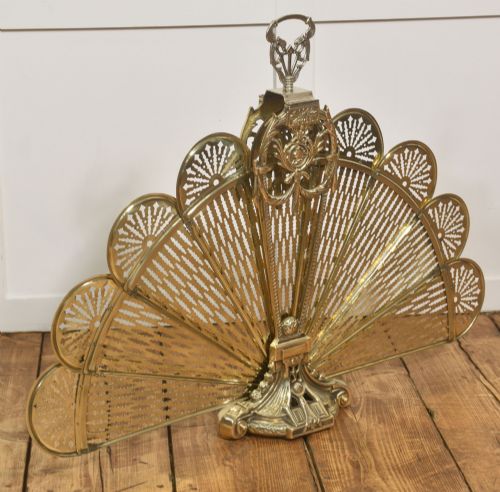
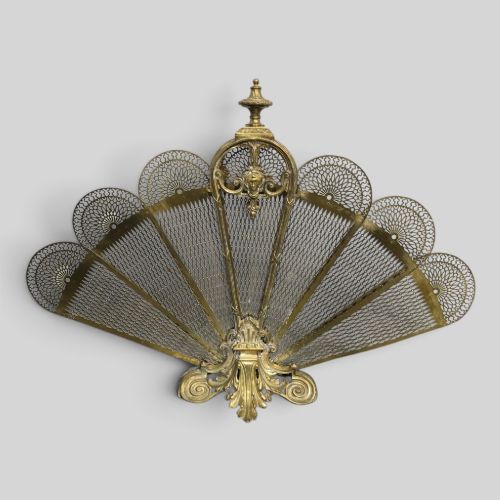
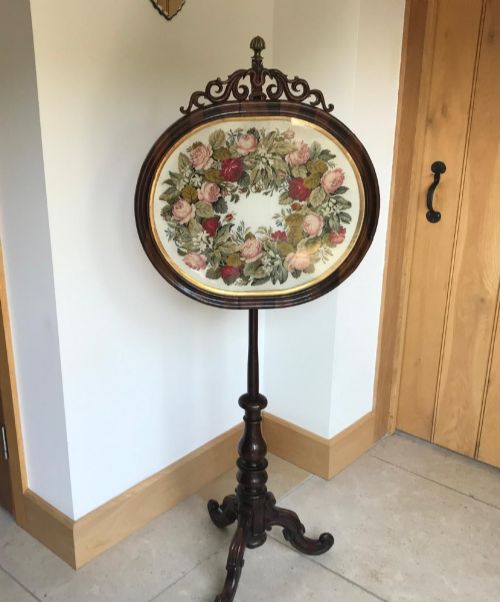
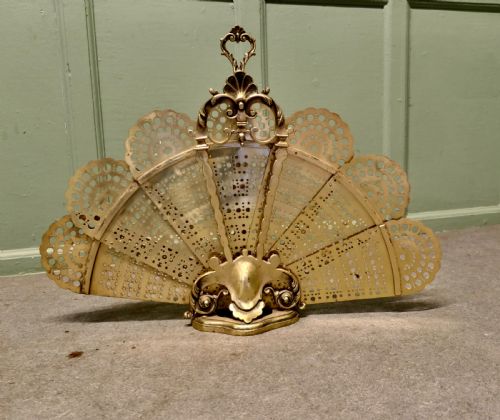
When you search for a victorian hearth screen, you find decorative and functional barriers designed to protect room occupants from the intense heat of an open coal fire. The forms here span folding brass peacock fans, solid wooden frames holding embroidered woolwork panels, and adjustable pole screens mounted on slender pedestals.
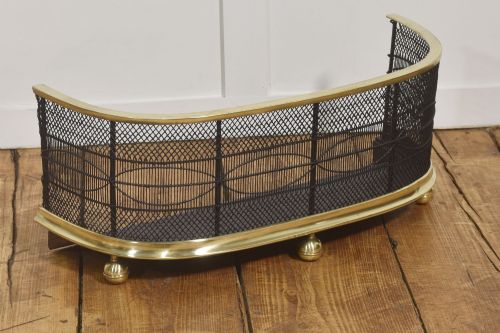
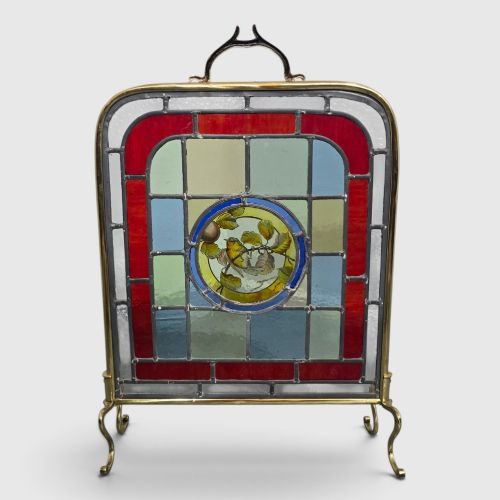
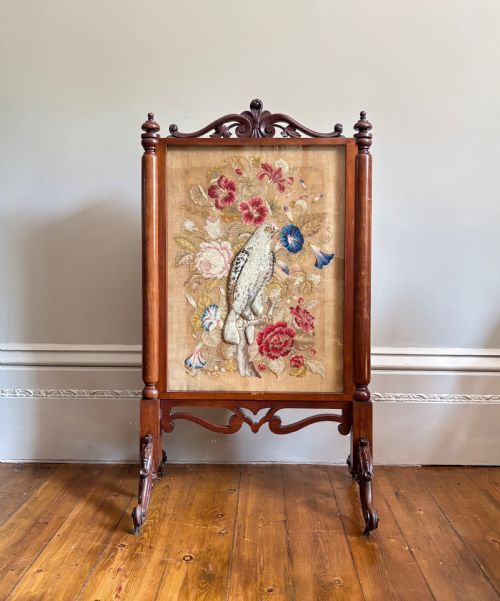
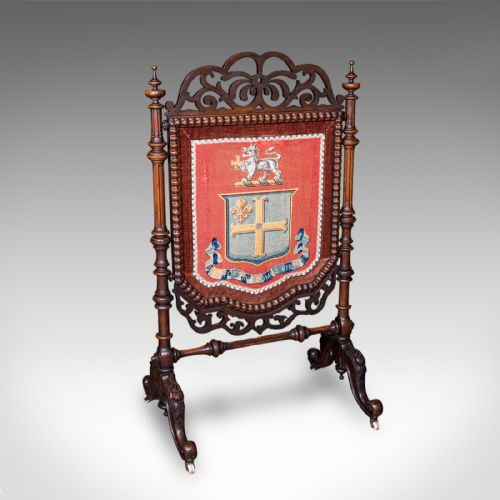
The most common examples on this page are brass wirework and folding fire guards, alongside rosewood and walnut frames set with needlepoint, tapestry, or stained glass. These pieces reflect the varied domestic tastes of the nineteenth century, moving from formal poles to wide, protective screens that span the hearth opening.
Materials and construction
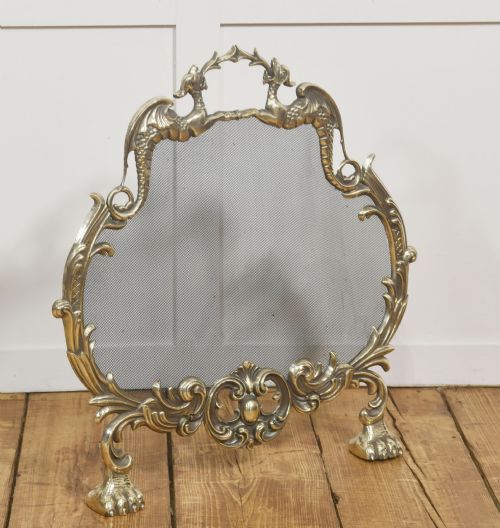
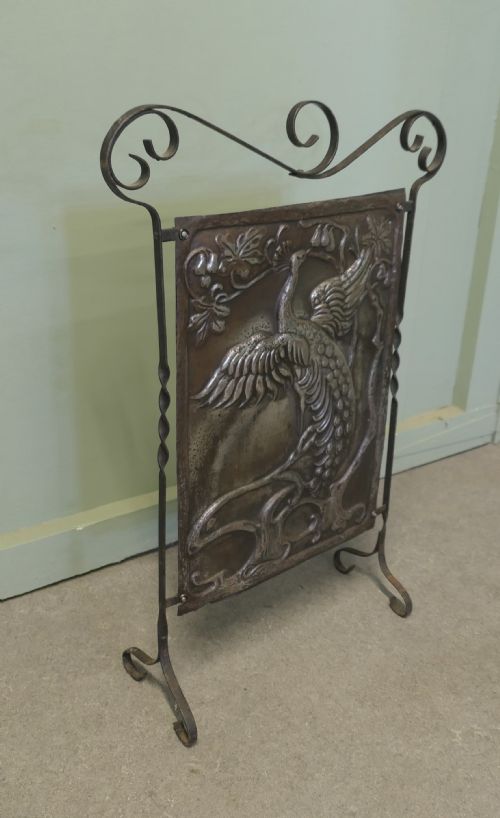
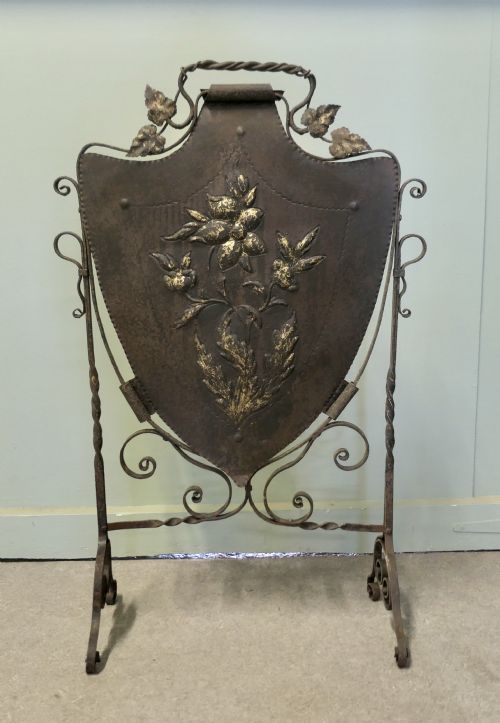
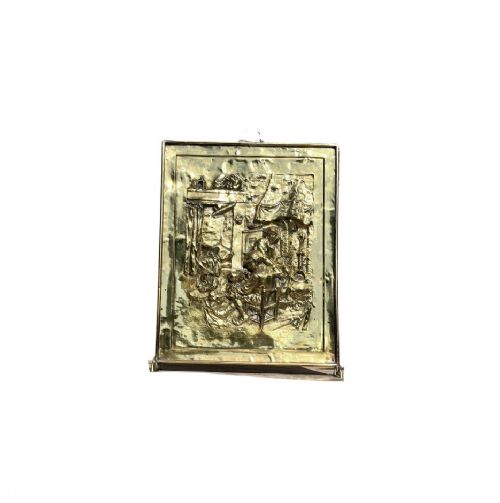
Makers utilised metals like brass, wrought iron, copper, and ormolu to build sturdy frames, folding panels, and mesh guards. Brass was often pierced, chased, or polished to catch the firelight, while iron provided heavier structural support for Arts and Crafts and Gothic Revival designs.
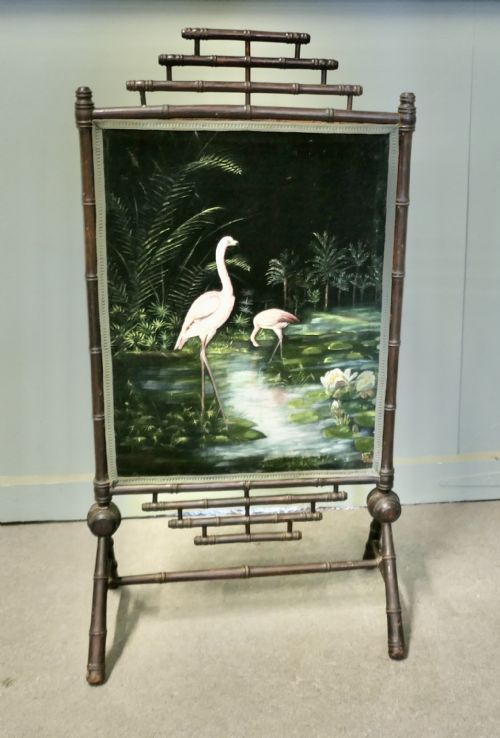
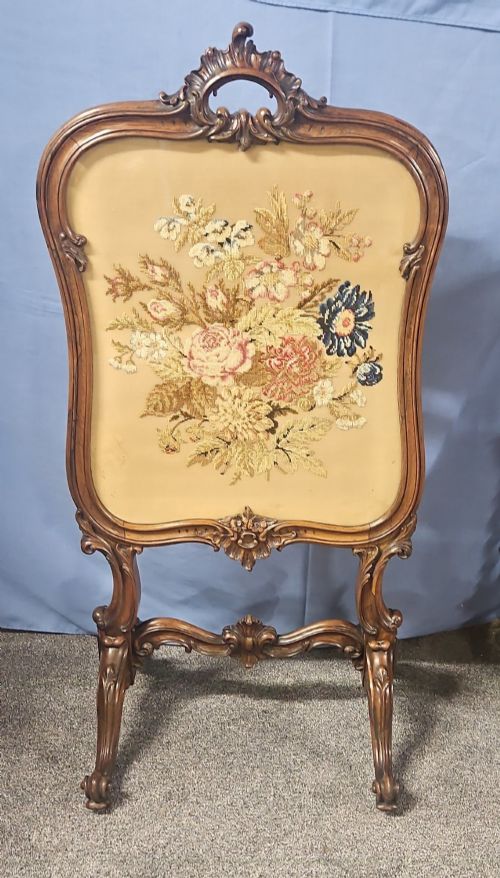
Wood frameworks in mahogany, rosewood, walnut, and oak housed textile insertions, including Berlin work, needlepoint, woolwork, and embroidered armorial panels. Stained glass and painted surfaces also appeared, held within hinged sections or suspended on adjustable wooden poles.
Victorian Hearth Screen Retail Price Guide 2026
Typical asking prices for victorian hearth screen among the pieces listed under this phrase on Sellingantiques today, from the lower quarter to the upper quarter. They describe what is for sale here now, not the wider market.
Some nineteenth-century nursery fenders came fitted with integrated clothes rails for drying small garments by the hearth.
What separates the better pieces
Quality rests in the weight of the metalwork and the crispness of the casting, particularly on pierced brass and rococo revival frames where sharper detail distinguishes superior foundry work. Folding mechanisms should operate smoothly without loose joints in the hinges or frame.
For panels, the density and execution of the needlework or tapestry indicate the skill invested by the maker. Intricately worked woolwork and finely framed timber show a higher degree of craftsmanship than simpler, mass-produced wire guards.
The Victorian Hearth Screen Glossary
- Pole screen
- A small screen mounted on a vertical wooden pole with an adjustable sliding bracket, designed to shield a seated person's face from the fire. They often feature embroidered or needlepoint panels.
- Needlepoint
- A type of canvas work embroidery using counted stitches to create pictorial or geometric designs. It frequently forms the central decorative panel in wooden frame screens.
- Ormolu
- Gilded bronze used for decorative mounts and frames on finer French-influenced pieces. It provides a bright, lasting golden finish that does not tarnish easily.
- Berlin work
- A style of charted embroidery popular in the mid-nineteenth century using brightly coloured wool on canvas. This technique produced vivid floral and figurative panels for hearth screens.
- Nursery fender
- A low metal barrier placed around the hearth to keep small children and clothing at a safe distance from the open fire. Many examples include integrated brass rails.
Victorian Hearth Screen: Frequently Asked Questions
How do peacock fan screens work?
Peacock fan screens feature multiple folding metal segments that pivot from a central base, expanding outward like a tail. They were compact to store and could be opened wide to cover the hearth opening when the fire was not blazing.
Most examples are made of gleaming brass or wirework, reflecting the flickering light of the room. They became particularly popular during the late Victorian and Edwardian periods.
Were these screens used for actual fires?
Yes, they served a dual purpose of physical safety and temperature control before central heating existed. Open coal fires threw out fierce, uneven heat that could flush the face and damage skin or makeup.
Heavier wire mesh and iron guards also stopped stray embers from spitting onto carpets and skirts. Finer needlework screens acted as portable shields against the direct thermal glare.
How do I clean a brass fire screen?
Dust the metal regularly with a soft dry cloth to prevent soot and ash buildup. Avoid harsh chemical polishes that strip antique patination and leave unnatural brightness.
If the screen includes textile or needlework panels, keep them clear of moisture and direct sunlight to protect the wool and thread. Gentle surface cleaning preserves the historic finish of the piece.