

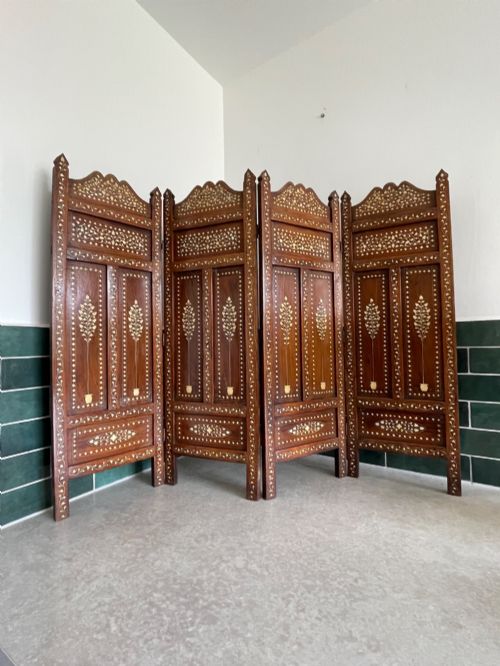


Carved Wood Screen
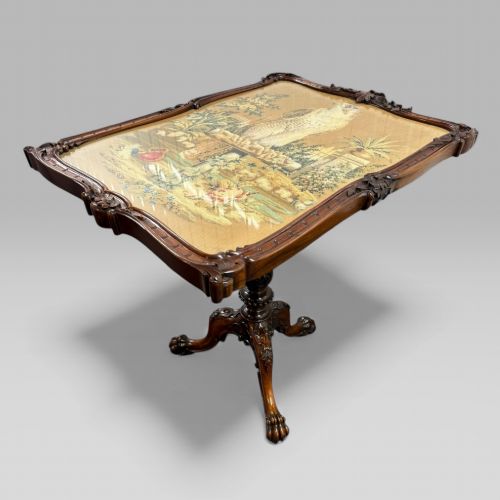
A carved wood screen brings architectural depth to an interior, functioning as a movable partition, hearth defence or tabletop display.
Carved Wood Screen
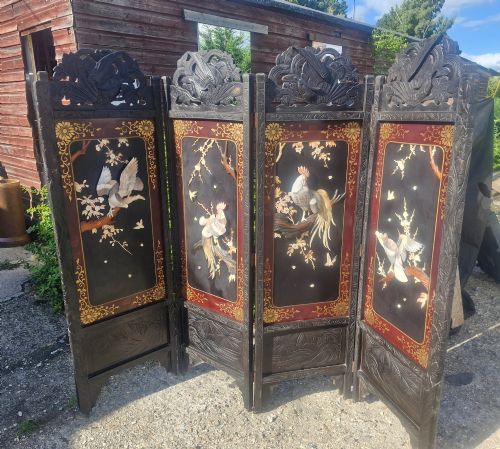
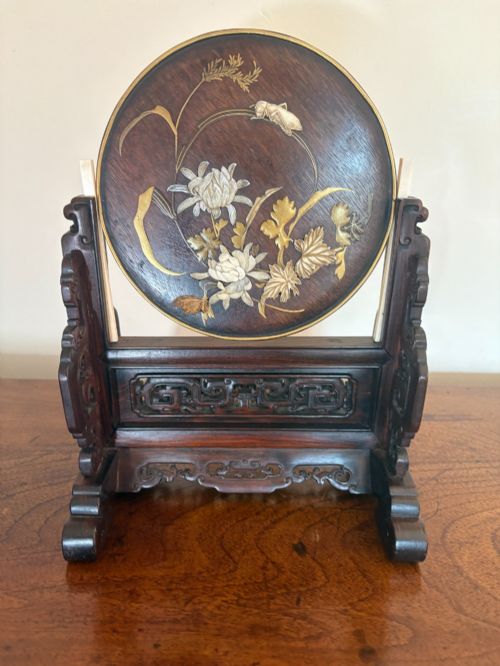
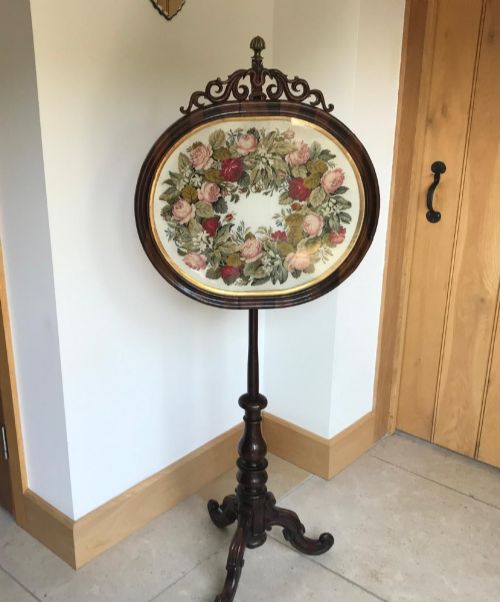
A carved wood screen serves to divide spaces, shield occupants from hearth drafts or display intricate craftsmanship on a table or floor. The selections span sturdy multi-fold room dividers, slender pole screens designed for firesides, and small-scale table variants intended for display furniture.
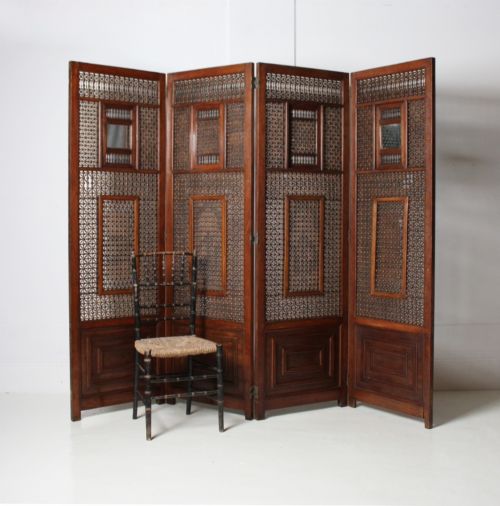
Victorian and nineteenth-century examples dominate the offerings, frequently rendered in rosewood, mahogany or giltwood alongside regional imports. Buyers encounter British domestic pieces alongside substantial Anglo-Indian, Chinese and Japanese interpretations featuring pierced fretwork and deep relief carving.
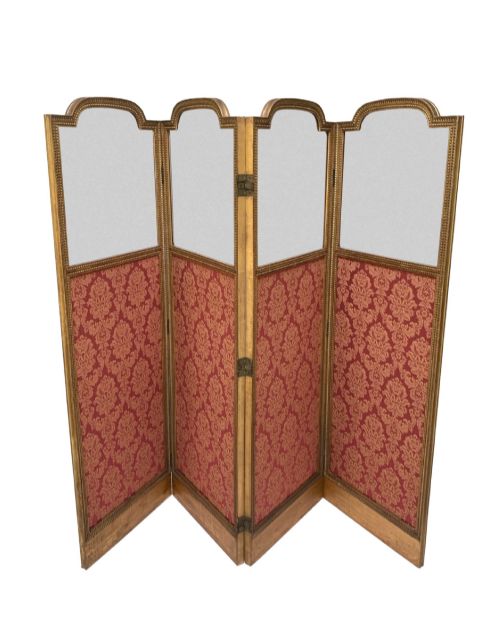
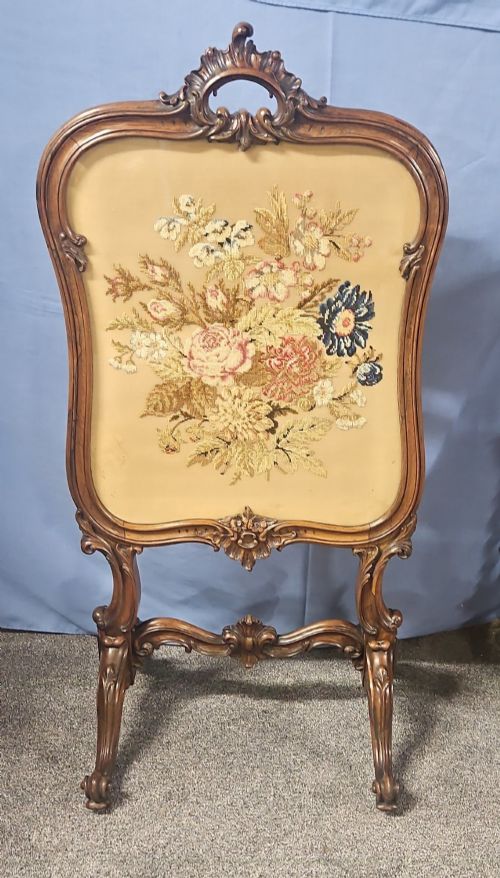
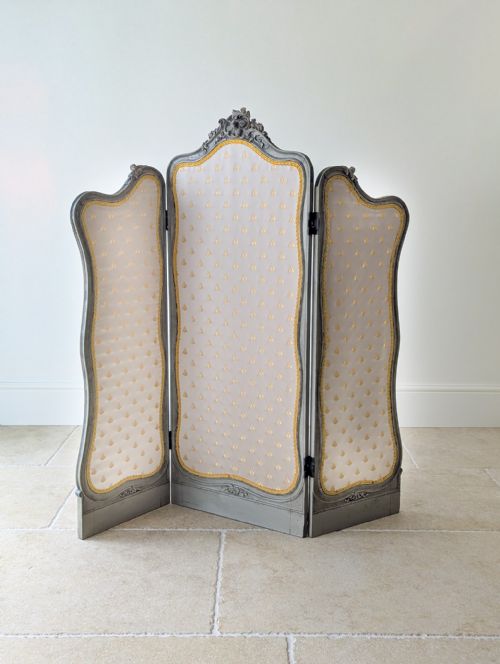
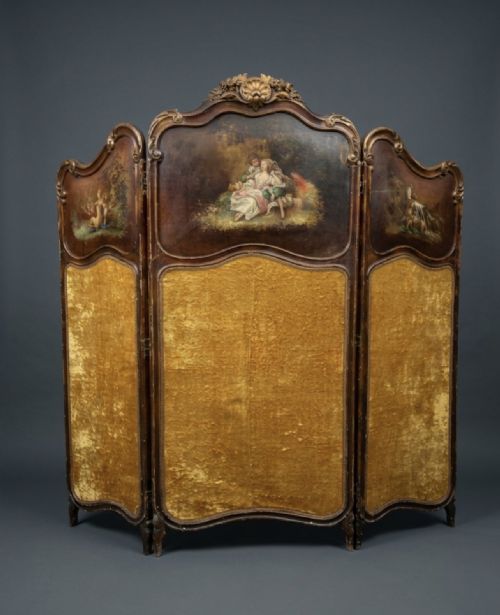
Folding room dividers and fire screens represent the core formats available, often incorporating textile panels, silk embroidery, glass or painted canvas alongside the primary wooden framework. These items shift domestic geography, breaking large rooms into intimate zones or masking utilitarian areas.
How they were made
Construction relies upon dense hardwoods such as rosewood, mahogany and oak, supplemented by softer giltwood frames and specialised regional timbers. Artisans employed mortise and tenon joinery to build folding panels, ensuring the structural integrity of multi-fold room dividers and heavy fire screens.
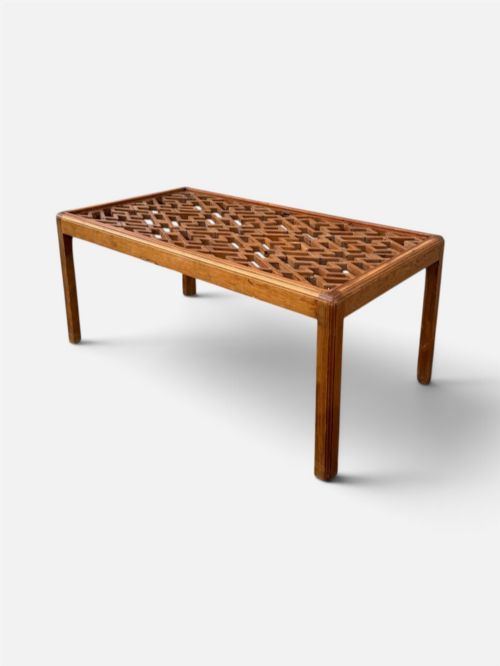
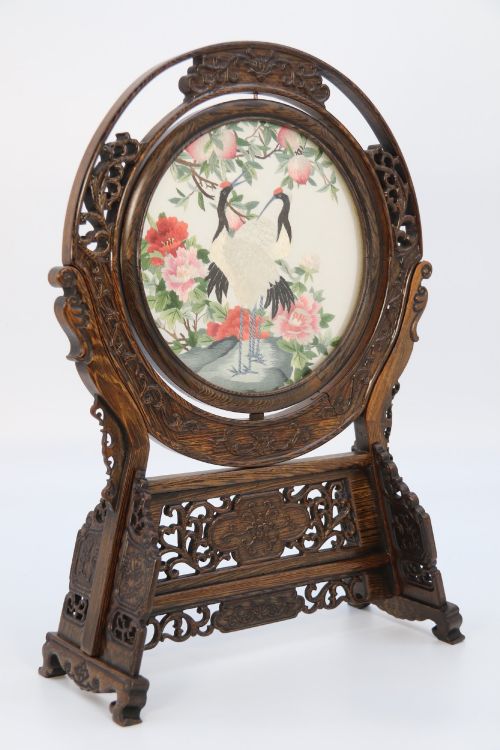
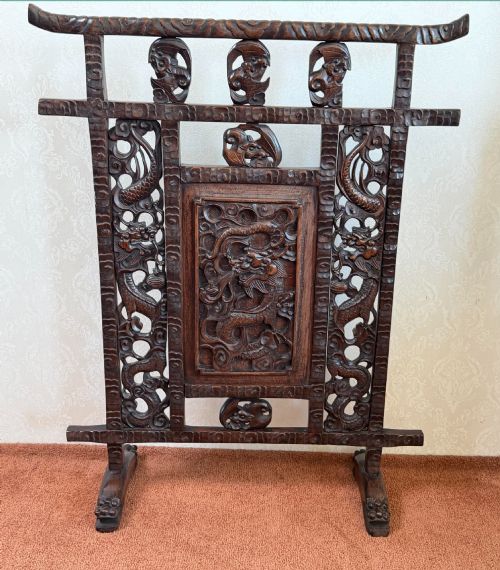
Carving techniques range from shallow chip carving and pierced fretwork to deep relief work depicting mythical dragons, foliage and figures. Many screens integrate secondary materials, combining carved wooden frames with inserted silk embroidery, needlepoint tapestry, embossed brass, bone or glass panels.
One unexpected variant included in the archive served specifically as a photographic prop for Victorian portrait studios.
What varies in quality
Quality rests upon the crispness of the hand-carved detail and the selection of timber, distinguishing master carvers from commercial workshops. Superior pieces display deep, undercut carving that retains sharp definition across every panel, whereas lesser examples rely on shallow, machine-finished mouldings.
The choice and execution of secondary materials dictate overall merit, particularly in needlework, silk embroidery or painted panels. Integrated textiles that retain vibrant colour and tight stitching elevate a piece, just as well-matched hardwood grains and robust original hinges signify superior craftsmanship.
Gillows
The Carved Wood Screen Glossary
- Pole screen
- A freestanding fireplace screen featuring an adjustable panel mounted on a central vertical wooden pole with a tripod base. This device protected a lady's face from the intense heat of an open coal fire.
- Fire screen
- A protective barrier placed before a fireplace when not in use, often fitted with a decorative panel of embroidery, glass or carved wood. These items evolved from purely functional hearth guards into decorative focal points.
- Fretwork
- Ornamental design created by cutting patterns through thin boards of wood using a piercing saw. This technique produced light, openwork panels common in Asian and Anglo-Indian room dividers.
- Cheval screen
- A large floor-standing screen supported by two side pillars or feet, allowing the central framed panel to tilt or pivot. They offered flexible placement for privacy or draft exclusion.
- Mashrabiya
- An architectural wooden lattice window screen or partition built from small turned wood bobbins interlocked together. This technique originates from traditional Middle Eastern architecture to provide shade and privacy.
Carved Wood Screen: Frequently Asked Questions
How do I use a room divider at home?
Multi-fold room dividers segment expansive rooms into intimate seating zones or conceal functional areas from view. They introduce height and architectural texture to plain walls without requiring permanent structural changes.
Placement near light sources highlights the depth of carved wooden panels and fretwork details, casting intricate shadows across the floor.
What distinguishes a table screen?
Table screens are miniature decorative partitions designed to sit upon desks, sideboards or tables rather than standing on the floor. They frequently feature intricate hardwood frames supporting carved stone, silk embroidery or painted panels.
These pieces originated as scholarly desk accessories in East Asian interiors to block drafts or serve as meditative focal points.
How do I identify a Victorian screen?
Victorian screens frequently utilise dark dense timbers such as rosewood and walnut, often paired with elaborate floral needlework or heavy carved detailing. The influence of Gothic Revival, Rococo Revival and regional export styles heavily shaped their production.
Construction methods during this period combined traditional hand-carved elements with early machine-assisted turning, resulting in robust framing designed for heavy domestic use.