



Victorian Hand Blown Decanter
These Victorian hand blown decanter pieces are remarkable table vessels, offering distinctive character and period charm for any serious collection.
Victorian Hand Blown Decanter
When searching for a victorian hand blown decanter, collectors encounter a diverse range of nineteenth-century serving vessels, ewers, and pitchers. The selection spans the Victorian period alongside Edwardian and late nineteenth-century styles, originating from English, Italian, Scottish, Bohemian, and Scandinavian workshops.
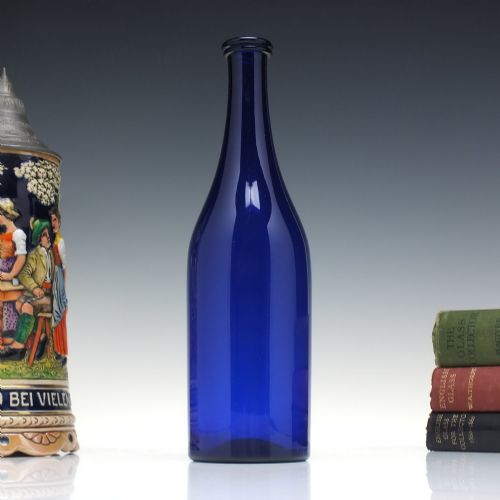
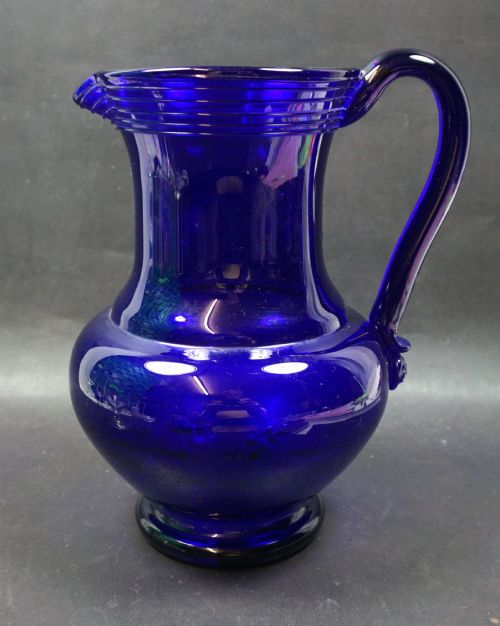
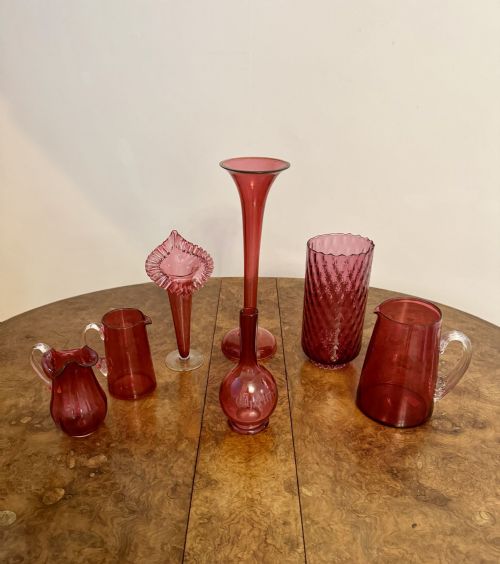
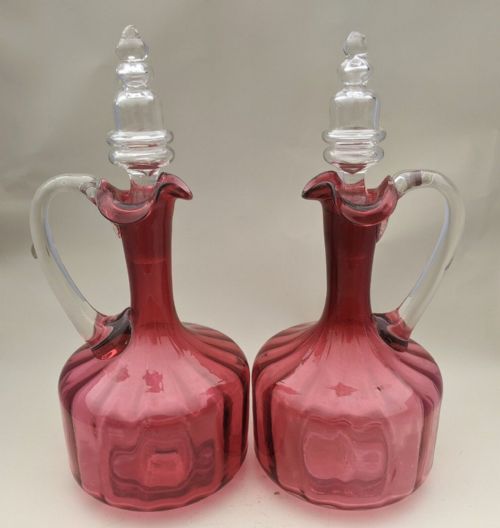
Most examples found here present vibrant coloured glass varieties, notably cranberry, green, and blue glass, often shaped as traditional decanters or serving bottles. Form and function merge in these pieces, which include specialised shapes like the Scottish mell decanter and animal figural designs.
Materials and Techniques
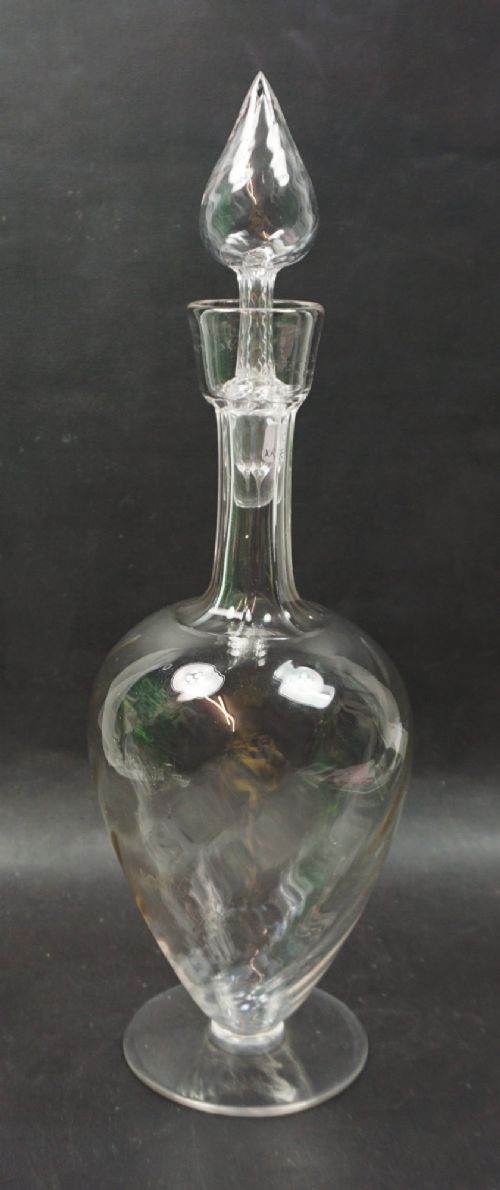
Makers utilised hand-blown glass techniques, sometimes employing optical blowing methods to achieve distinctive internal patterns within the vessel walls. Clear and coloured glass formed the base, with specific pieces incorporating gold salt additives or gold leaf details.
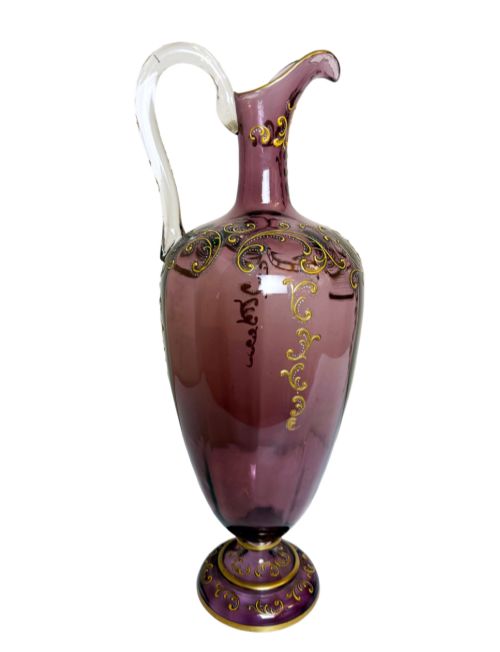
Surface decoration frequently involved enamel painting and hand-painted gilt applique. Artisans also applied characteristic Mary Gregory style white enamel painting depicting figures to green glass bodies.
Victorian Hand Blown Decanter Retail Price Guide 2026
Typical asking prices for victorian hand blown decanter among the pieces listed under this phrase on Sellingantiques today, from the lower quarter to the upper quarter. They describe what is for sale here now, not the wider market.
Listings feature items spanning the Victorian and Edwardian eras, incorporating cranberry glass, gold leaf, and enamel painting.
Assessing Quality
Quality in a victorian hand blown decanter rests upon the crispness of the hand-blown form and the skill evident in applied handle work and pontil marks. The depth and consistency of the coloured glass, whether cranberry, blue, or green, distinguish finer examples.
The precision and preservation of surface ornamentation, such as enamel painting and gilt applique, separate standard production from superior artistic output.
James Powell
The Victorian Hand Blown Decanter Glossary
- Hand-Blown Glass
- Glass shaped by the traditional method of inflating molten metal through a blowpipe rather than using a mould. This process leaves unique optical characteristics and subtle irregularities in each vessel.
- Cranberry Glass
- A rich red-pink transparent glass produced by adding gold chloride to the molten batch. It became exceptionally popular for decorative tableware during the nineteenth century.
- Gilt Applique
- Applied surface ornamentation executed in gold leaf or gold paint. It adds contrasting metallic detail to the body of coloured glass pieces.
- Mell Decanter
- A traditional Scottish form of serving bottle with a stout, mallet-like body. These pieces were utilised for holding and pouring wine or spirits.
- Mary Gregory
- A style of decorative glassware featuring silhouette enamel painting, usually in white, depicting Victorian children in pastoral settings. This technique appears on various green glass ewers and jugs.
Victorian Hand Blown Decanter: Frequently Asked Questions
What is a victorian hand blown decanter?
These pieces are nineteenth-century glass vessels created by artisans using traditional blowing techniques to shape serving bottles, ewers, and decanters. They encompass various regional styles and vibrant glass colours.
Collectors prize them for their distinct handmade qualities and decorative surface treatments like enamel painting and gilt work.
How do I identify a period piece?
Examine the vessel for the textural irregularities and pontil marks characteristic of nineteenth-century hand-blown manufacturing. Pay attention to period-specific hues like cranberry and Bristol blue.
Styles ranging from Arts and Crafts to standard Victorian design help place the piece within its historical context.
How were these decanters used?
Original owners utilised these vessels for serving wine, water, and spirits at the dining table or sideboard. Ewers and pitchers functioned similarly for liquid service during meals.
Many pieces also served a purely decorative purpose in Victorian and Edwardian domestic interiors.
How should I care for coloured glass?
Wash these delicate vessels gently by hand in lukewarm water using mild soap, avoiding harsh scrubbing or ultrasonic cleaners. Enamel and gilt decorations require particular care to prevent abrasion.
Keep them away from direct sunlight to preserve the intensity of cranberry and green glass tones.