




Antique Wine Carafe Stopper
An antique wine carafe stopper completes a traditional serving vessel, sealing vintage wine with period craftsmanship and enduring utility.
Antique Wine Carafe Stopper
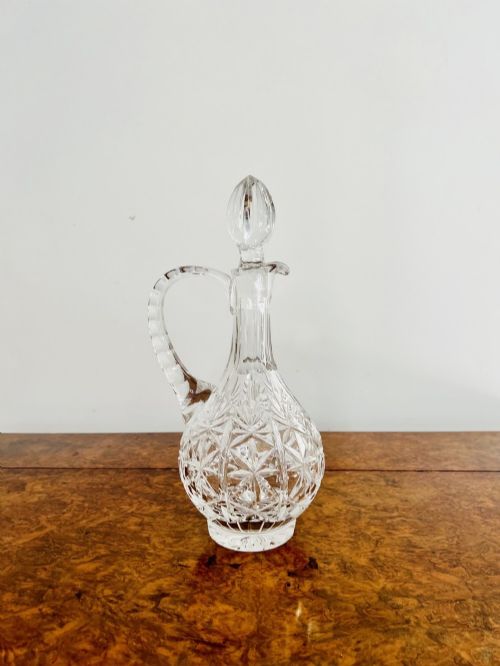
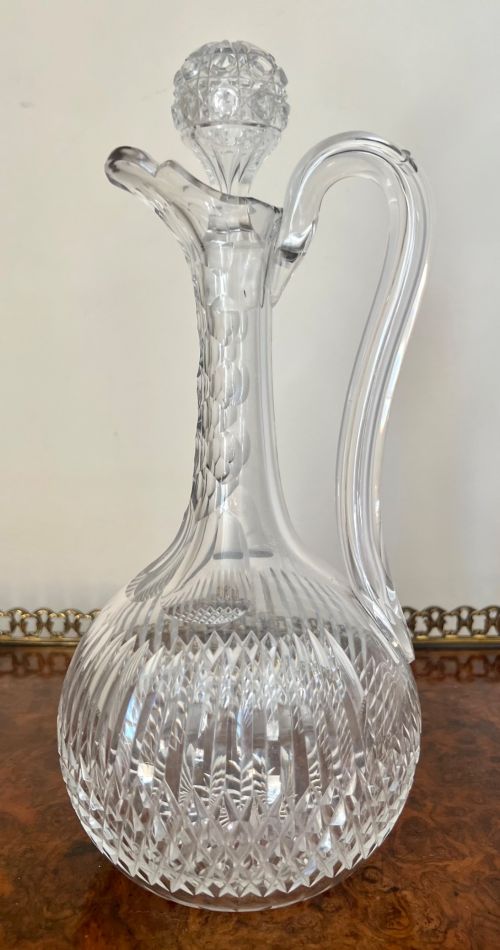
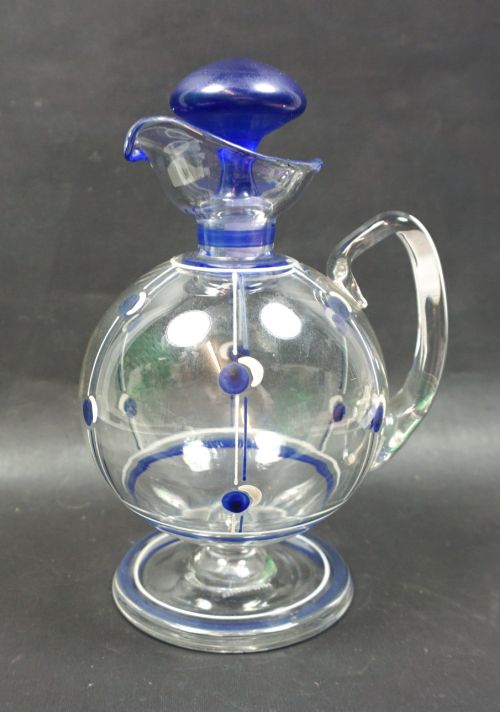
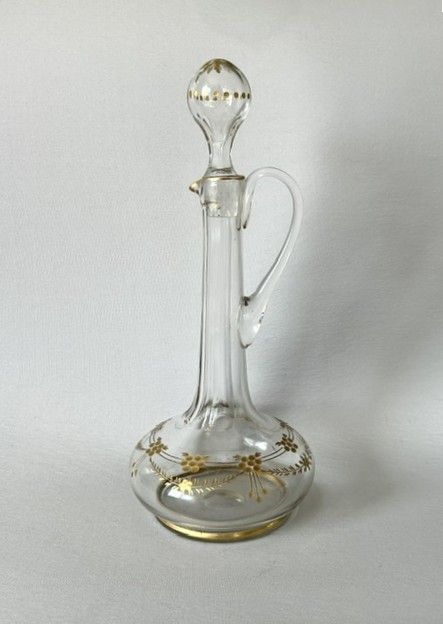
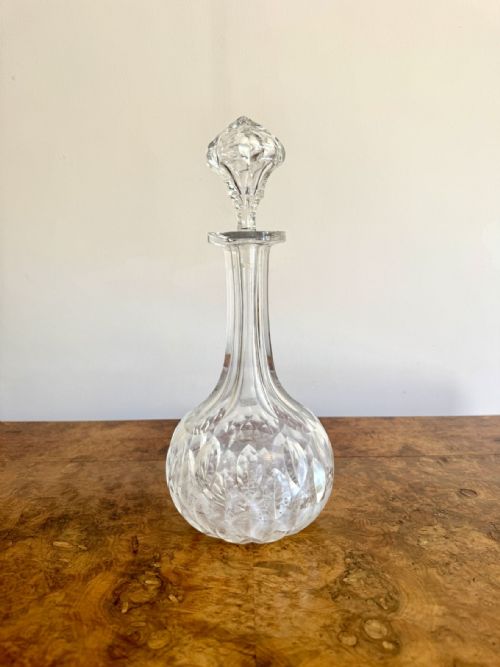
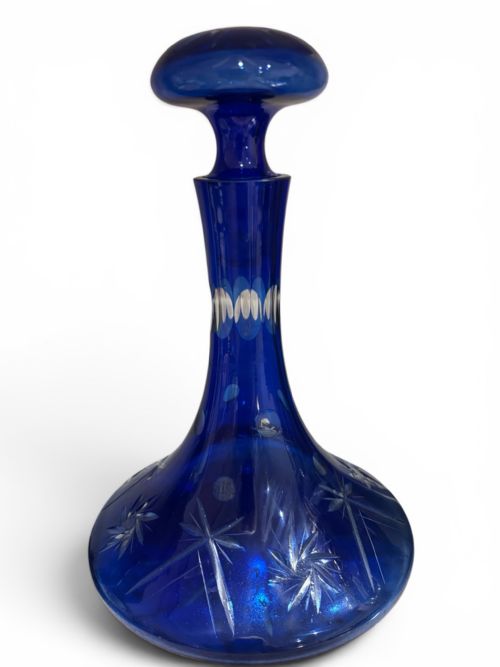
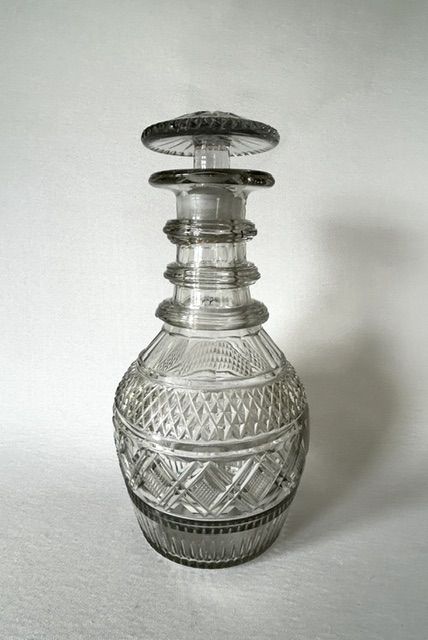
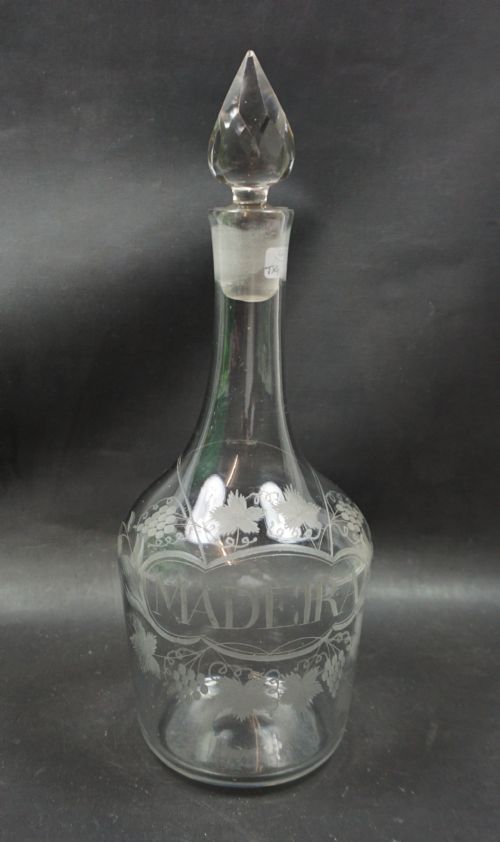
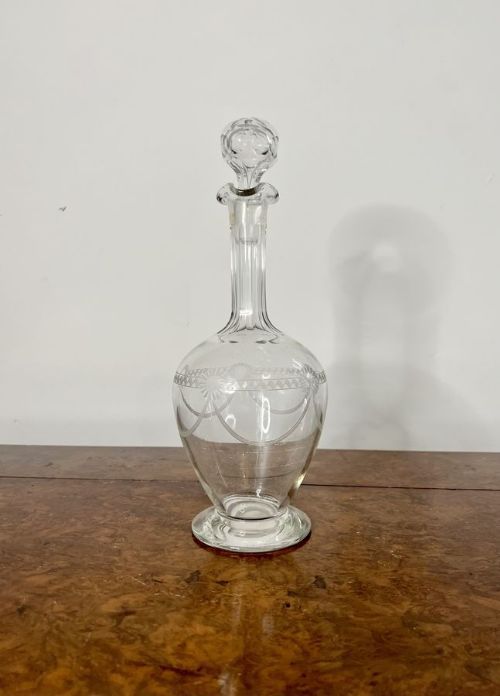
An antique wine carafe stopper represents the crowning glass or crystal closure for decanters, ewers, and carafes found across Victorian, Edwardian, and Georgian periods. When searching for an antique wine carafe stopper, collectors encounter diverse forms ranging from simple glass inserts to heavily cut crystal designs paired with nineteenth-century vessels.
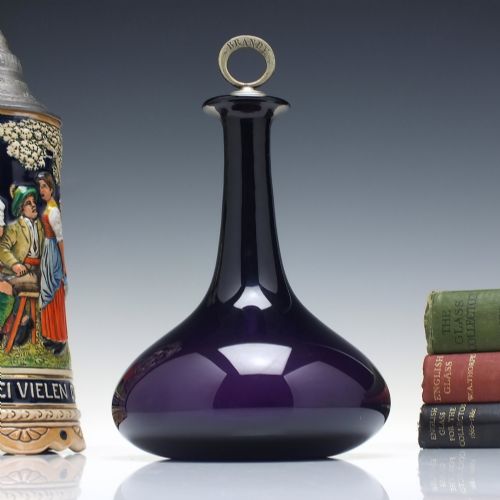
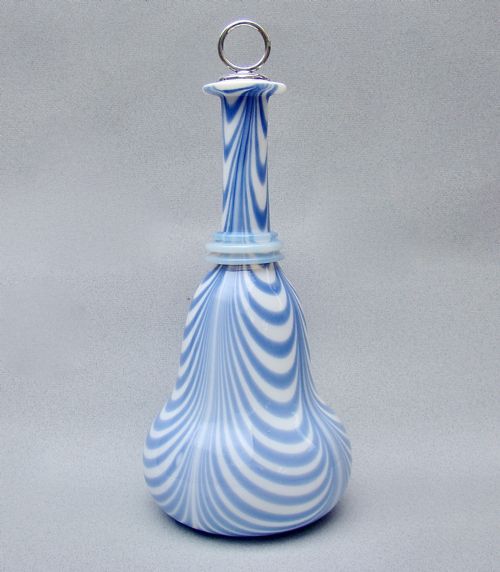
The selections span clear glass, lead crystal, and coloured varieties like amethyst and cranberry, often originating from English, Irish, and Bohemian workshops. Most examples integrate directly with the bottle neck to preserve the contents of claret jugs and spirit decanters.
How these pieces were made
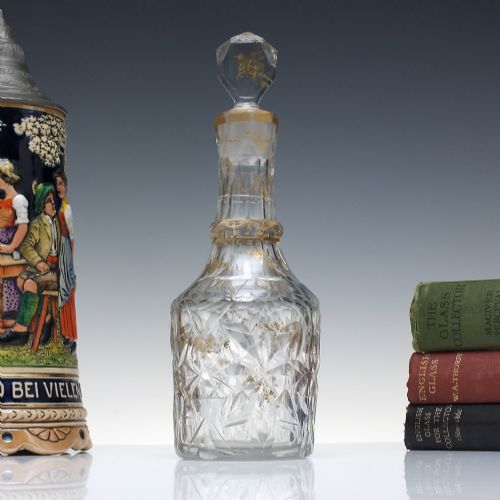
Makers utilised traditional glassblowing techniques, shaping molten clear glass, lead crystal, and lead glass by hand before cooling. Many pieces received further embellishment through wheel-cutting, optical blowing, and hand engraving.
Some items incorporate secondary materials such as silver plate and enamel decoration. Artisans applied these decorative elements to complement the brilliance of the primary glass body.
Listings feature items from the Georgian, Victorian, Edwardian, and Regency periods, alongside Art Deco and Art Nouveau styles.
What varies in quality
Quality rests upon the clarity of the crystal and the precision of the glass-cutting techniques employed by the artisan. Heavy lead glass and deep, crisp wheel-cut facets distinguish finer production from simpler moulded alternatives.
The integration of supplementary materials, such as detailed enamel painting, silver plating, or gilding, alters the character of the object. Weight, depth of engraving, and the absence of clouding determine the standing of each piece.
James Giles·Stevens and Williams·James Powell
The Antique Wine Carafe Stopper Glossary
- Lead crystal
- A type of glass containing metallic oxide that increases weight, brilliance, and refractive index. This material allows for deeper and sharper cutting.
- Wheel-cut
- A decoration method where the glass vessel is held against a rotating abrasive wheel to carve patterns. It creates distinct facets that catch the light.
- Silver plate
- A thin layer of silver applied to a base metal, frequently utilised on mounts and hardware. It provides the appearance of solid silver.
- Enamel
- Opaque vitreous composition fused to the surface of the glass through heat. It introduces permanent colour and detailed ornamentation.
- Optical blown
- A glassblowing technique using a mould to impart a ribbed or patterned texture into the vessel wall. This method enhances the visual depth of the material.
Antique Wine Carafe Stopper: Frequently Asked Questions
What is an antique wine carafe stopper?
An antique wine carafe stopper is the matching glass or crystal closure designed to seal historic decanters and wine jugs. These components kept nineteenth-century spirits and wines airtight.
Today, they survive either paired with their original vessels or as collected items in their own right, showcasing period glass-cutting and blowing skills.
How do I date an antique glass decanter?
Dating relies on observing the silhouette, manufacturing marks, and decorative styles such as Georgian, Victorian, or Edwardian cut glass patterns. Pontil marks on the base often indicate older hand-blown manufacturing techniques.
Comparing the stopper type and engraving style to known period examples helps narrow down the decade of production.
How were these glass items used?
These vessels served to decant, hold, and pour wine, claret, sherry, and spirits at the dining table. The stopper prevented oxidation and evaporation during meals.
Wealthy households displayed them on sideboards as functional tableware that also demonstrated social standing through cut crystal brilliance.
How do I care for antique glass?
Antique glass requires gentle hand washing in warm water with mild detergent to preserve fragile enamel, gilding, and silver plate. Avoid sudden temperature changes to prevent thermal shock and cracking.
Stoppers should be stored separately or removed when not in use to prevent them from sticking inside the neck.
What materials are common in these pieces?
The primary material is glass, encompassing clear glass, lead crystal, lead glass, and coloured varieties like cranberry and amethyst. Secondary materials include silver plate and enamel.
These substances reflect the dominant manufacturing capabilities of English, Irish, and Bohemian glasshouses across multiple centuries.