
Victorian Hallway Stand
A victorian hallway stand greets the visitor with disciplined utility, gathering coats, hats and walking apparatus in the entrance space.
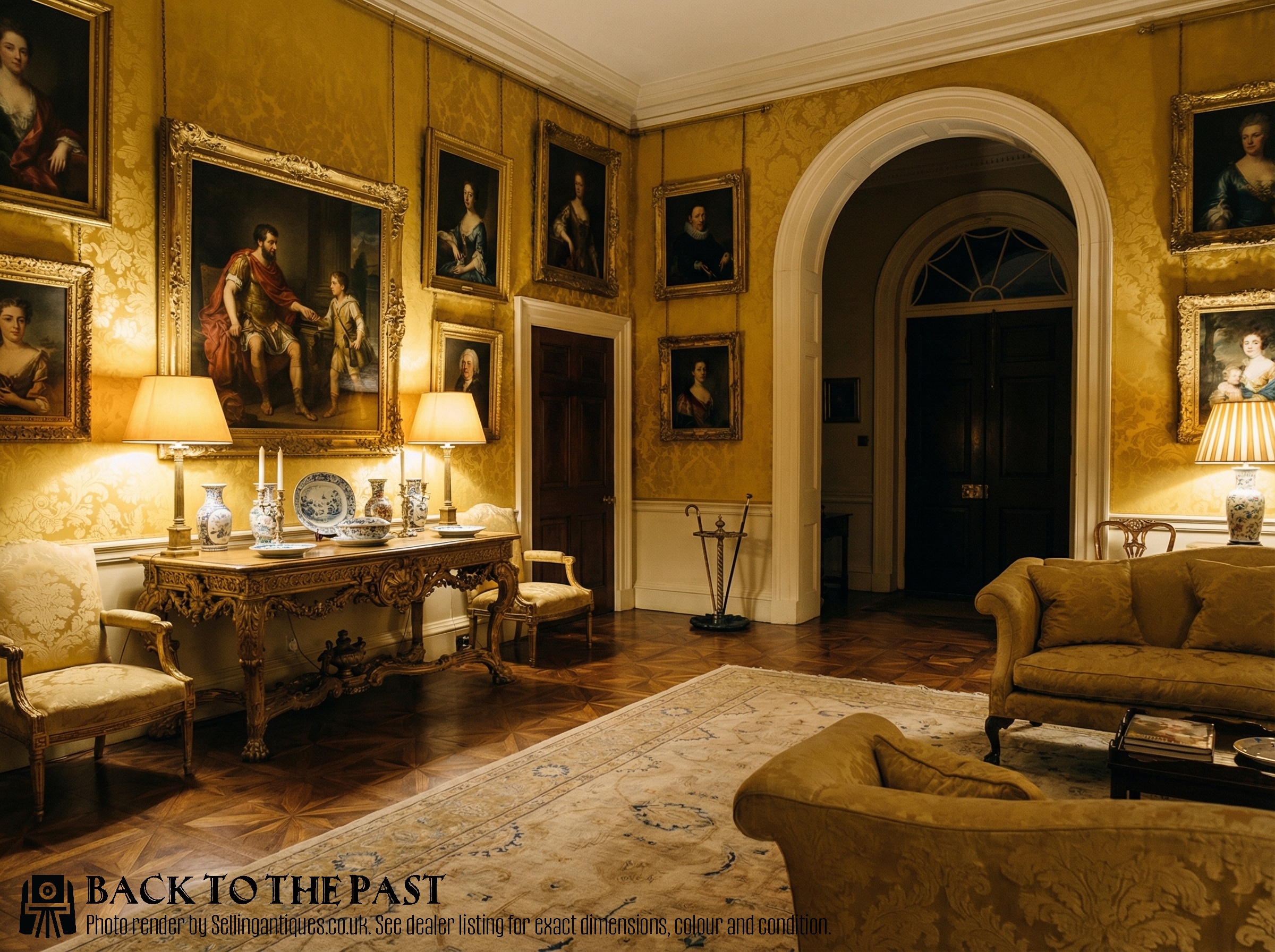
Victorian Hallway Stand
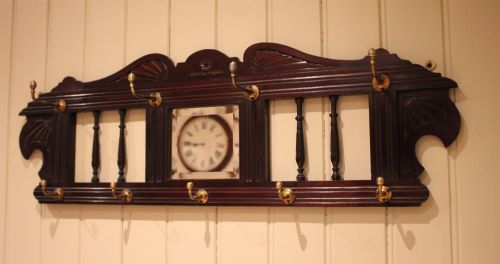
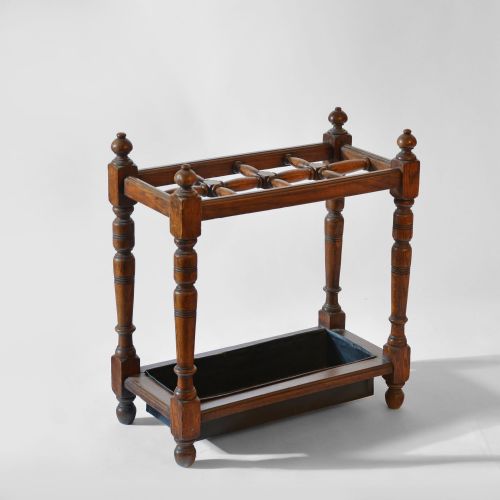
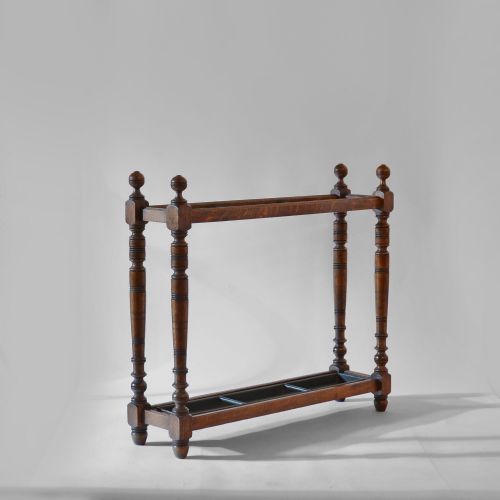
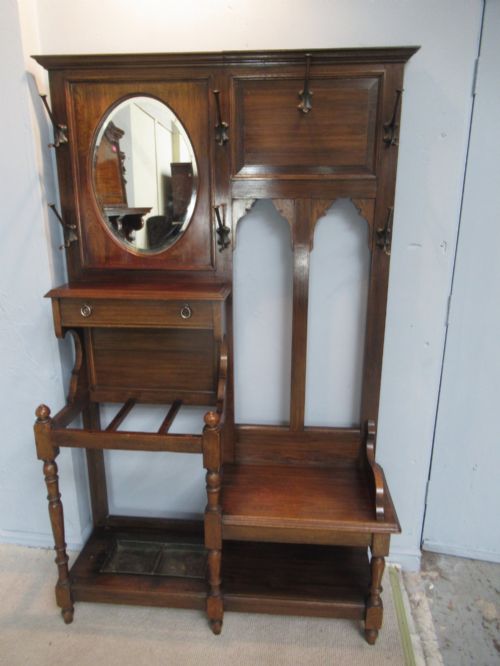
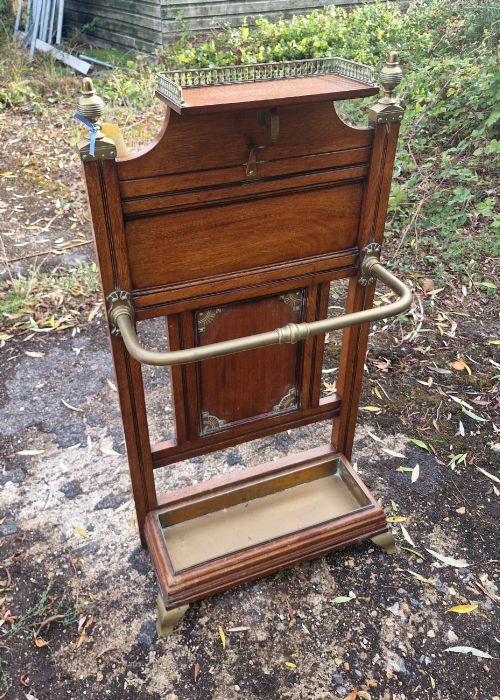
A victorian hallway stand serves as a multi-functional piece for the entrance hall, combining hooks for garments with receptacles for umbrellas and walking sticks.
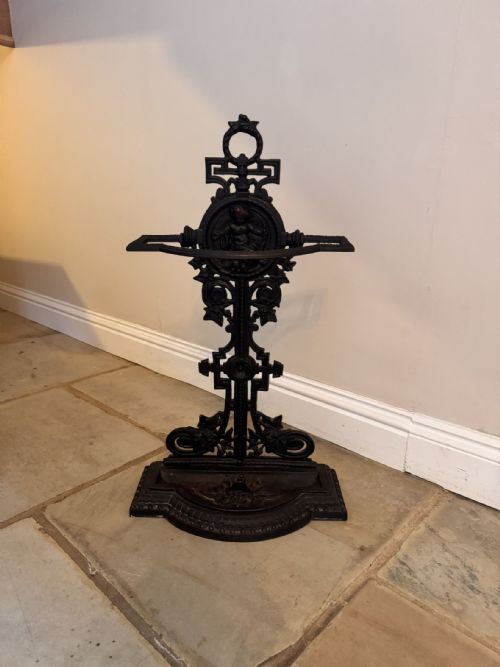
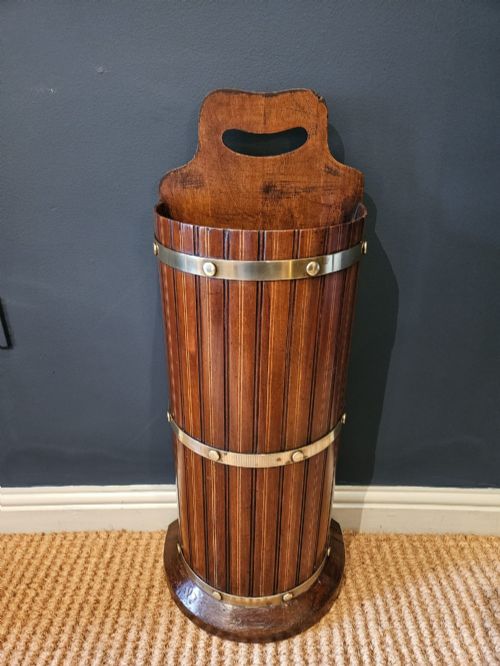
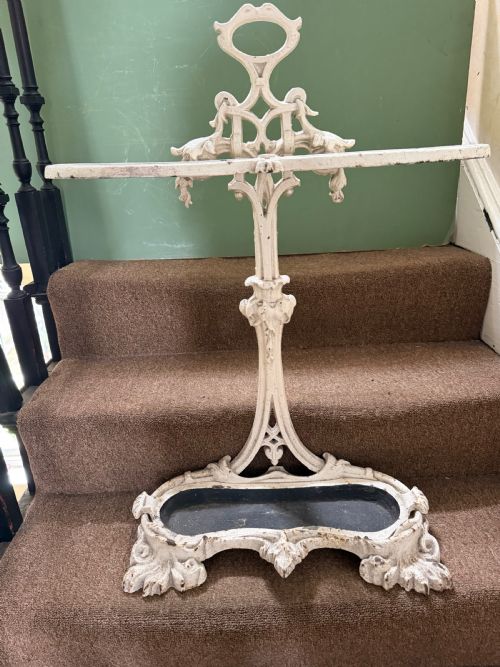
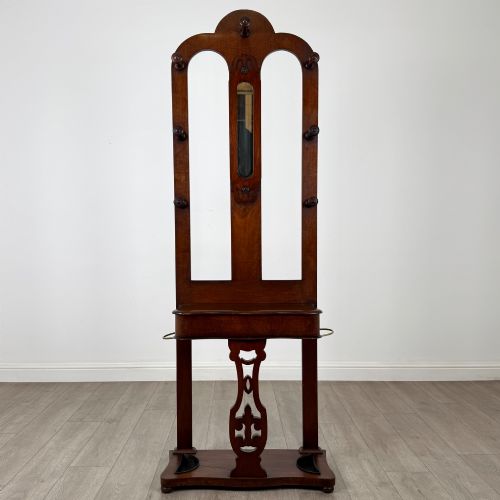
The versions met most frequently on this page include cast iron stick stands, mahogany hall stands with mirrors, and coopered oak barrels bound in brass.
Origins span the nineteenth century into the Edwardian era, encompassing English workshop production, French designs, and continental bentwood items.
Materials and Technique
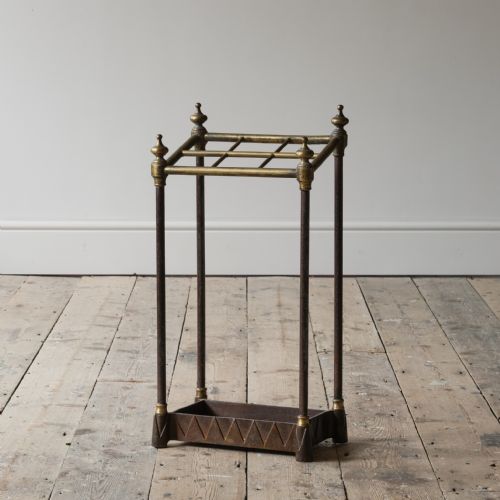
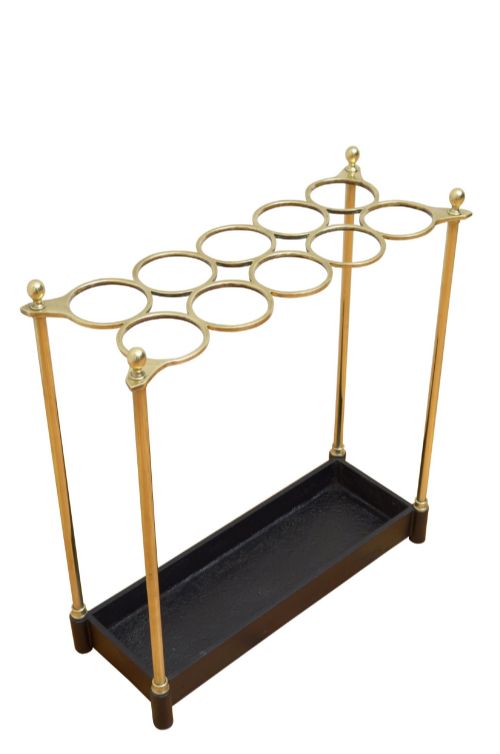
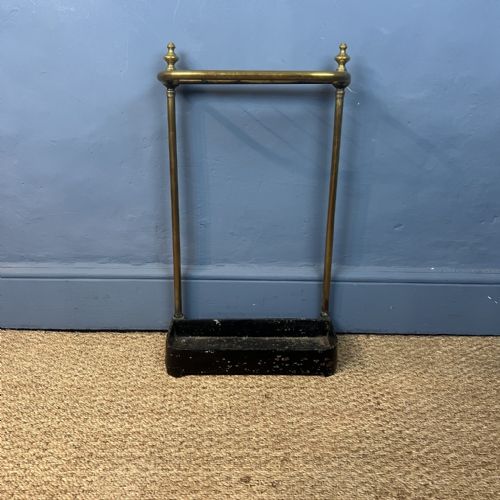
Foundries utilised cast iron and brass to form heavy drip trays and open-work frames that resist moisture from wet umbrellas.
Joiners and cabinetmakers employed solid mahogany, carved oak, and pine to construct structural panels, hat pegs, and umbrella compartments.
Cooperage techniques shaped staves of oak with metal bands for barrel-style stick stands, while steam-bending shaped beech into curved hallway frames.
Victorian Hallway Stand Retail Price Guide 2026
Typical asking prices for victorian hallway stand among the pieces listed under this phrase on Sellingantiques today, from the lower quarter to the upper quarter. They describe what is for sale here now, not the wider market.
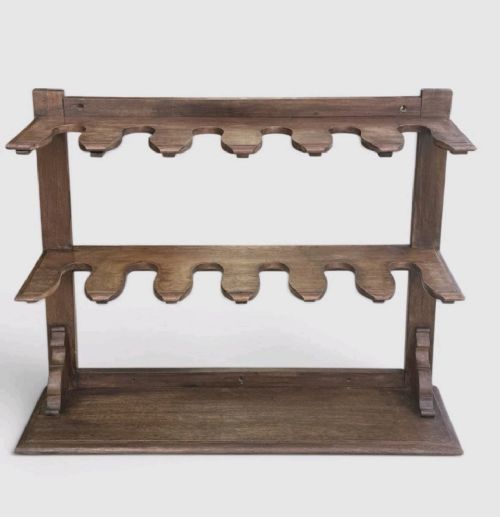
Umbrella stands appear in half-moon, barrel, and open-work cast iron configurations.
Judging Quality
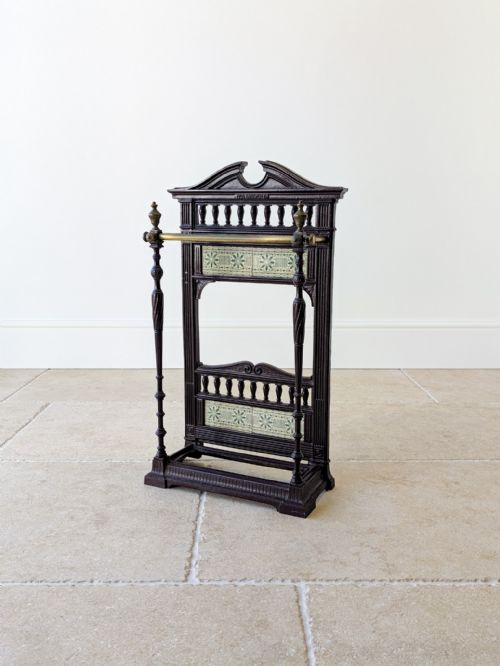
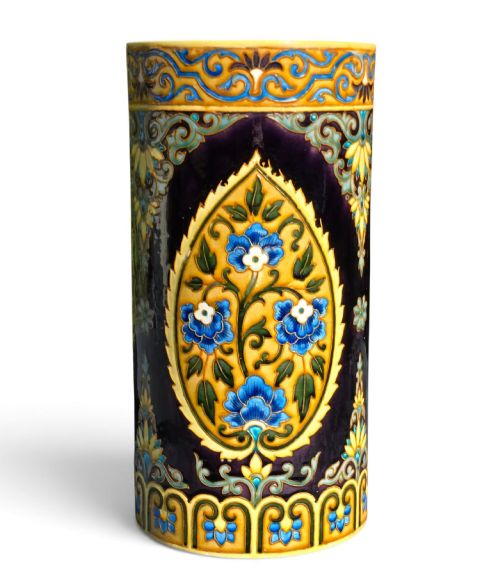
Design ambition separates standard utility items from superior examples, visible in sculptural cast iron figures or integrated ceramic inserts like Iznik-revival tiles.
The integrity of timber construction dictates worth, where crisp hand-carving and original brass hardware outlast later replacements and simplified factory joints.
Completeness defines the better specimens, preserving original drip trays, mirrored glass panels, and matching coat hooks without modification.
Coalbrookdale·Théodore Deck·Thomas Jeckyll·Thonet
The Victorian Hallway Stand Glossary
- Demi Lune
- A half-moon shape used for stands designed to sit flat against a hallway wall. This profile saves floor space in narrow entrance passages.
- Coopered
- Built using wooden staves joined side by side and bound with metal hoops, much like a traditional barrel. Oak and brass versions utilise this method for umbrella storage.
- Bentwood
- Wood softened by steam and bent into curved structural forms. This technique created lightweight revolving coat stands and umbrella holders.
- Aesthetic Movement
- A late nineteenth-century design style emphasising visual beauty over narrative meaning. Pieces in this taste often feature stylised plant motifs and bamboo construction.
Victorian Hallway Stand: Frequently Asked Questions
What is a hallway stand?
A hallway stand is a piece of furniture designed for the entrance of a home to hold outerwear and walking items. It typically includes hooks for hats and coats alongside holders for umbrellas and sticks.
Examples from the Victorian and Edwardian periods integrate mirrors, glove boxes, and metal drip trays to manage outdoor garments.
How do I identify a Victorian piece?
Victorian hallway stands display dense timber such as mahogany and oak, heavy cast iron frames, or hand-carved decorative motifs. Stylistic cues include Aesthetic Movement detailing and brass-bound coopered barrels.
Construction methods involve traditional joinery and heavy metal casting characteristic of nineteenth-century workshops.
Where should I place a hall stand?
A hall stand belongs in an entrance hall, vestibule, or boot room where people enter the house. Demi-lune and corner models fit neatly against walls in narrow corridors.
Placement near the main entrance ensures convenient access for hanging coats and depositing wet umbrellas upon arrival.