
Antique Walking Stick Stand
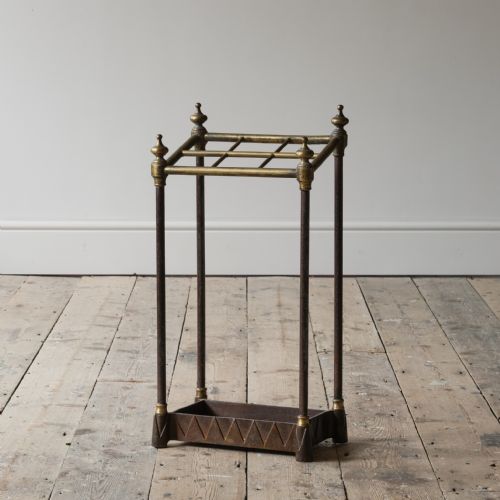
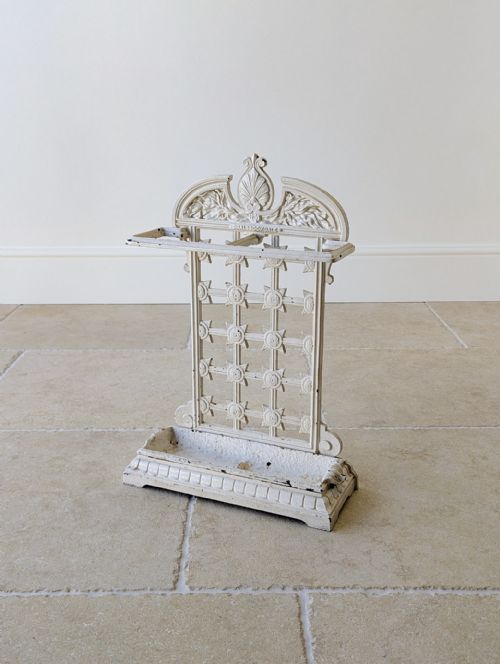
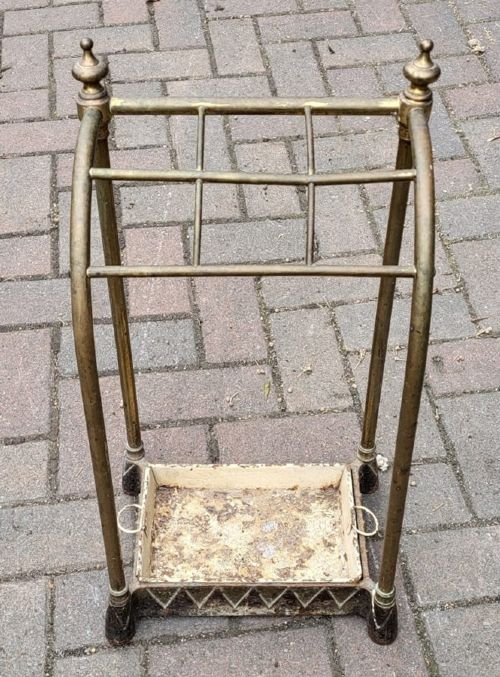
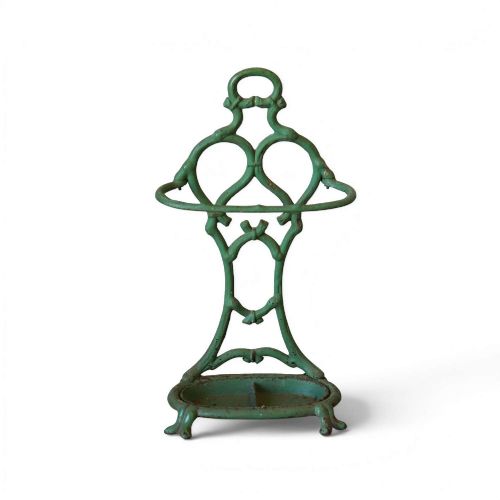
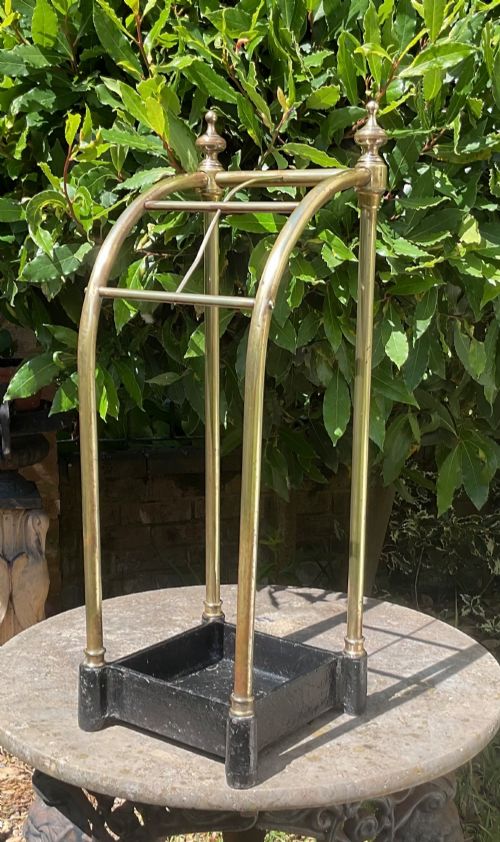
These antique walking stick stand pieces are robust hallway furnishings designed to hold canes and umbrellas, offering both practical storage and period character.
What they are
An antique walking stick stand provides an orderly place to store canes, parasols and umbrellas in a hallway or entrance. These furnishings span the Victorian, Edwardian and Art Nouveau periods, reflecting changing domestic fashions across the nineteenth and early twentieth centuries.
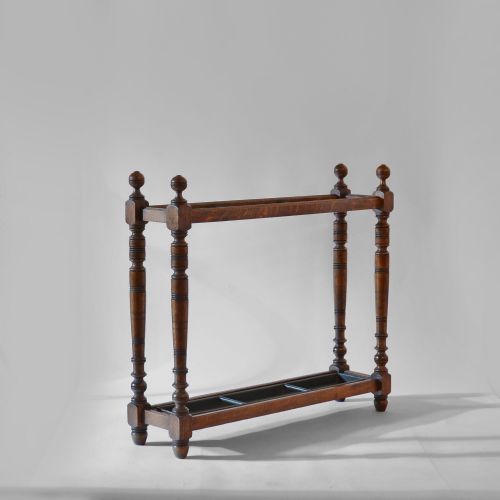
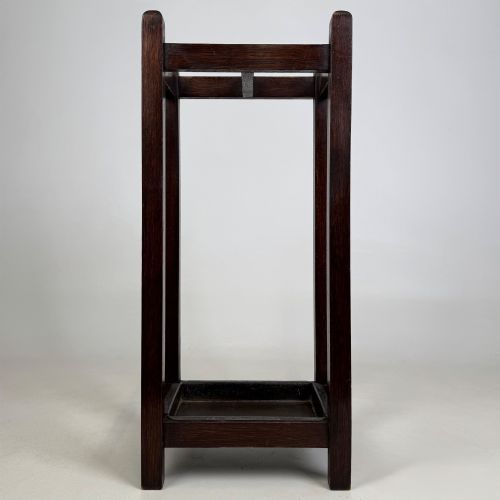
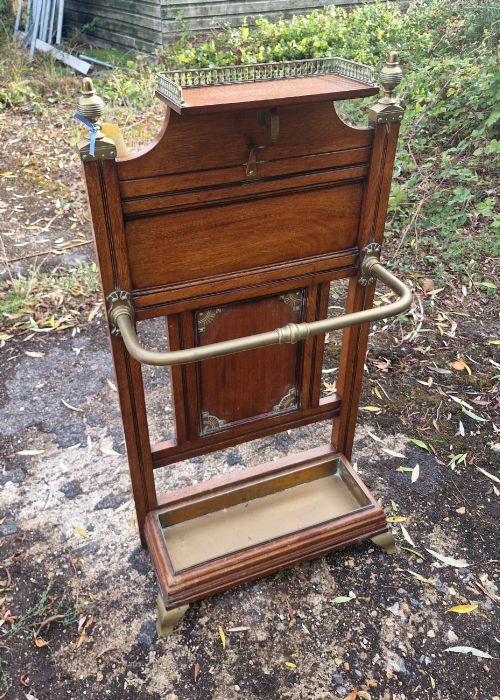
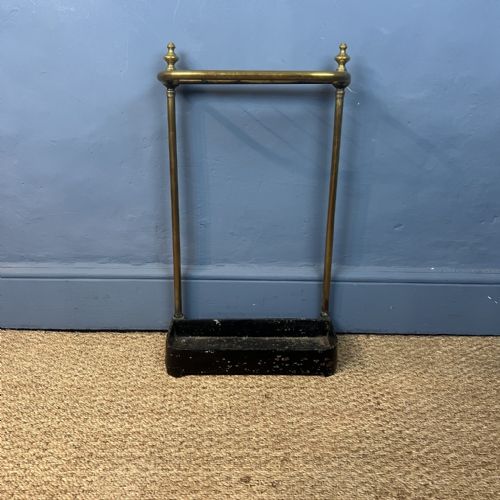
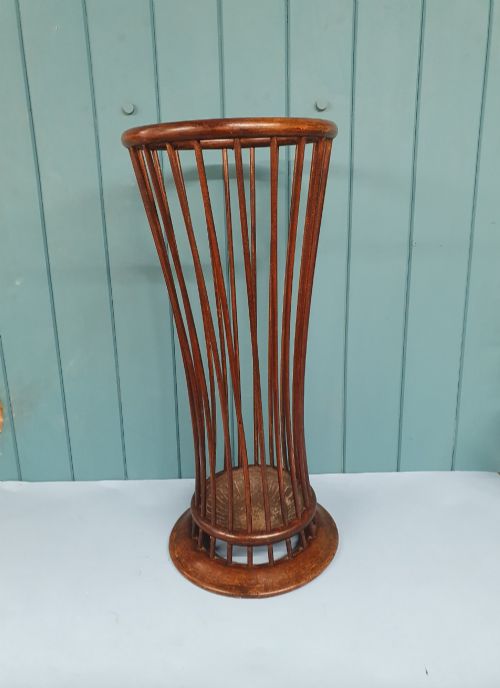
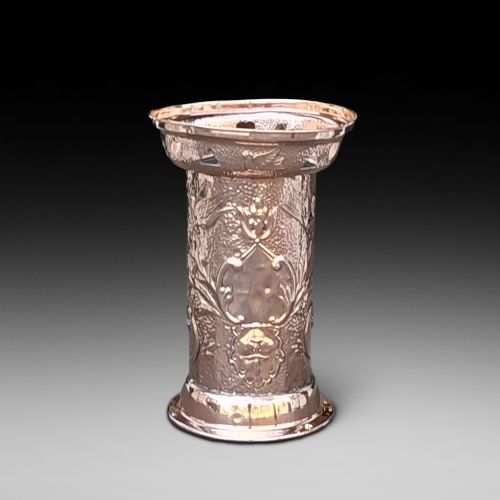
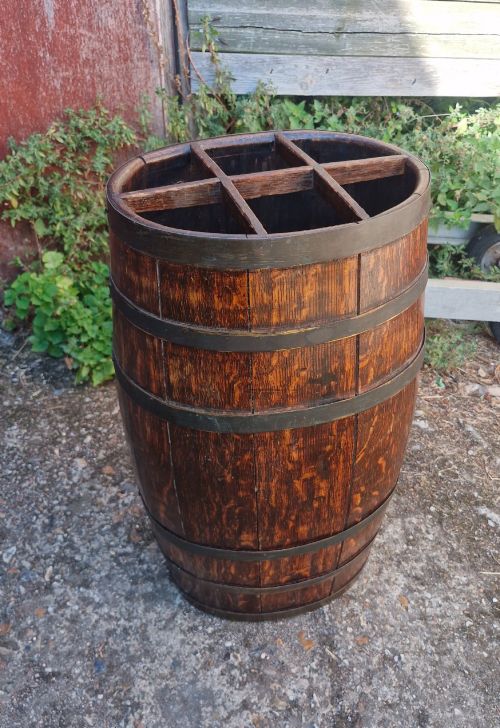
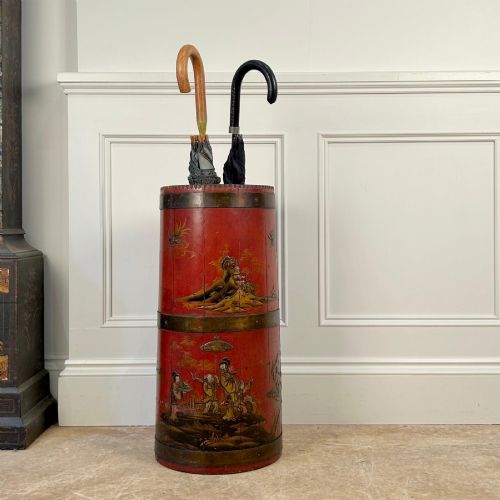
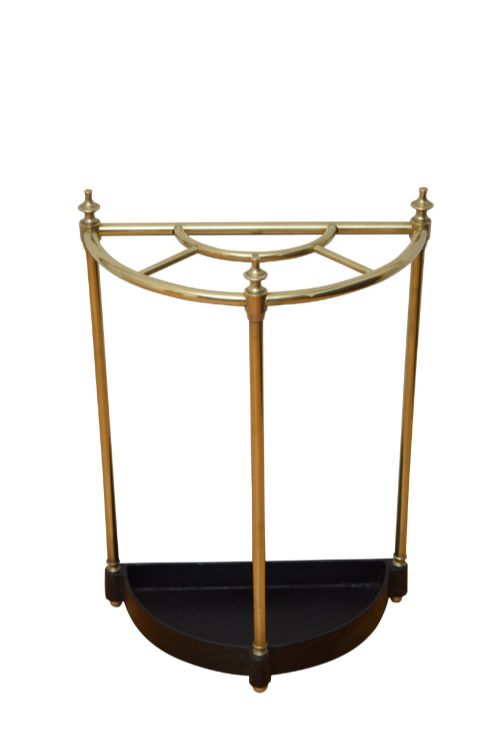
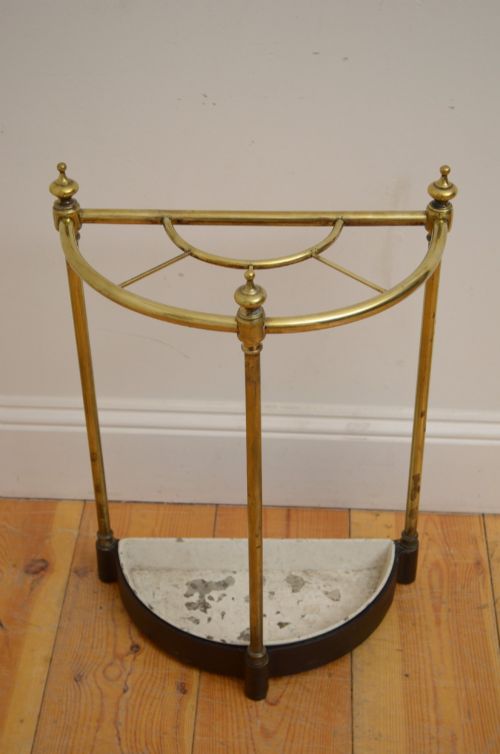
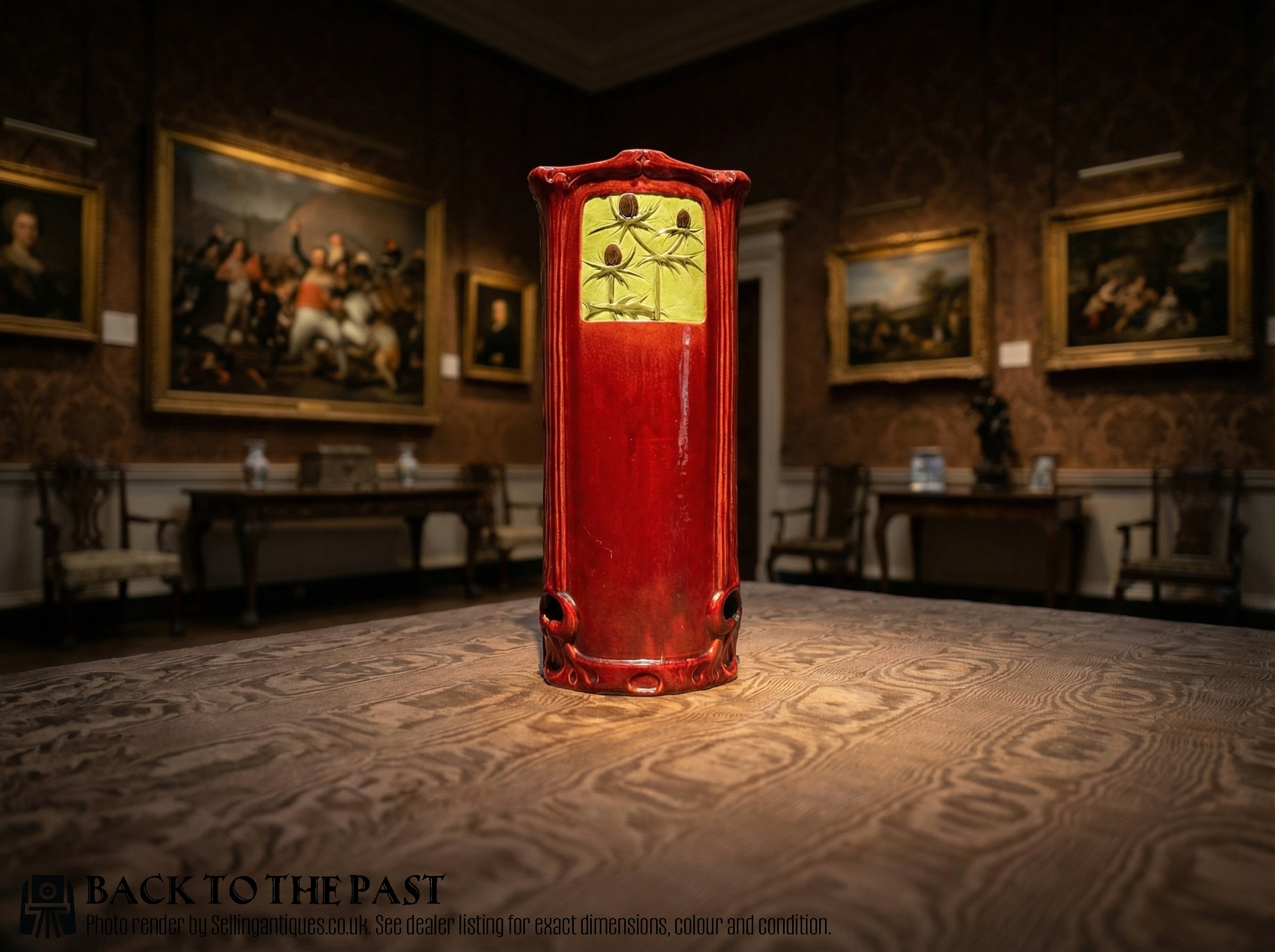
The pieces appearing here include oak, mahogany, brass, cast iron, glazed earthenware, faience and terracotta constructions. Forms range from coopered barrels to structured frames incorporating umbrella loops and original metal drip trays.
Buyers frequently encounter oak and mahogany examples alongside metal and ceramic designs. Many combine storage for walking sticks and umbrellas within a single hall furniture piece.
How they were made
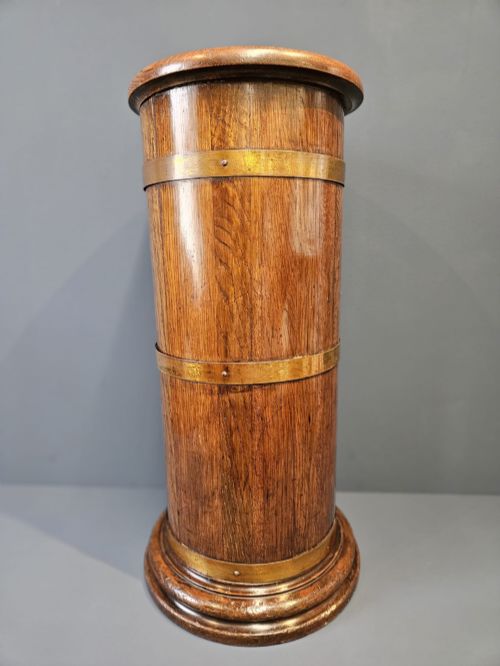
Cabinetmakers utilised solid timbers such as oak and mahogany, sometimes employing coopered construction methods with brass binding to shape cylindrical bodies. Turned wooden uprights and bentwood elements appear alongside fitted metal drip trays designed to catch moisture.
Foundries cast iron into intricate structural frames and decorative motifs, including faux bois bamboo designs. Potteries shaped glazed earthenware, faience and terracotta into sculptural bodies with distinct surface finishes.
Retail Price Guide 2026
Typical UK retail prices for walking stick stand, calculated from the Sellingantiques database of over a million retail prices indexed since 2003. This retail price guide relies exclusively on Sellingantiques data; no external sources or auction records are used, so the figures do not describe the wider market.
Listings feature items from the Victorian, Edwardian and Art Nouveau periods, constructed from oak, mahogany, brass, cast iron, faience and terracotta.
What varies in quality
The distinction between standard domestic pieces and finer examples rests on the ambition of the design and the integrity of the materials. Elaborate ceramic glazes, sculptural cast iron work and robust coopered timber construction elevate the presence of the object.
Presence of original components such as metal drip trays and brass bindings preserves the intended utility and completeness of the piece. The choice of decorative style, from restrained Victorian mahogany to flowing Art Nouveau lines, dictates the visual impact in an interior.
The Antique Walking Stick Stand Glossary
- Drip tray
- A removable metal basin fitted beneath the stand to collect water from wet umbrellas and protect the floor below.
- Coopered
- A method of construction using tapered wooden staves bound together with metal hoops, commonly seen in barrel-shaped stands.
- Faience
- Tin-glazed earthenware decorated with opaque coloured glazes, characteristic of Arts & Crafts ceramics.
- Faux bois
- A decorative technique mimicking the natural appearance of wood grain, often rendered in cast iron.
- Bergere
- A cane or wickerwork panel inset into wooden frames, sometimes found on folding seat combinations.
Frequently Asked Questions
Where should I place a stick stand?
These pieces suit entrance halls and corridors where guests arrive and depart. They function effectively near front doors for everyday access to walking sticks and umbrellas.
Ensure the placement allows clearance for the full height of canes and any attached drip trays. Positioning them on hard flooring protects surrounding surfaces from residual moisture.
How do I care for wooden stands?
Dust timber surfaces regularly with a soft cloth and apply traditional beeswax polish occasionally to nourish the grain. Avoid placing wet items directly onto unprotected wood by relying on the internal drip tray.
Keep the metal basins clean and dry to prevent corrosion from accumulated rainwater. Stable indoor humidity prevents timber from shrinking or cracking over time.
How do I identify a Victorian stand?
Victorian examples often feature dense timbers like mahogany and oak, or heavy cast iron frames with formal decorative motifs. Look for robust construction methods typical of mid to late nineteenth-century cabinetmaking.
Stylistic cues include turned wooden spindles and traditional brass bindings rather than flowing organic lines. Hallway furniture from this era prioritises formal utility and substantial proportions.