


Victorian Gravy Boat
A victorian gravy boat brings period silver and ceramic serving vessels to the table, offering classic form and practical utility for formal dining.
Victorian Gravy Boat
When searching for a victorian gravy boat, buyers encounter a range of serving vessels designed for the nineteenth-century table. These items span ceramic bodies in ironstone and bone china alongside sterling silver and silver plate.
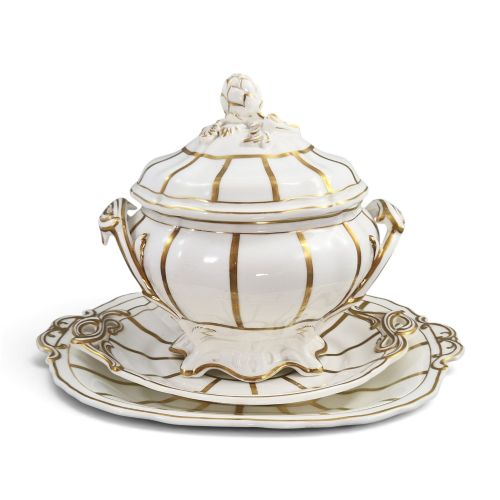
The selection includes sauce boats, tureens, and specialised warmers from various decades of the nineteenth century. Forms draw on Victorian and Georgian Revival styles, frequently featuring matching ladles or fitted stands.
The most common examples on this page reflect the prevalent metalwork and pottery of the period. Makers utilised durable ironstone alongside fine silver to create functional pieces for sauce and gravy service.
How they were made
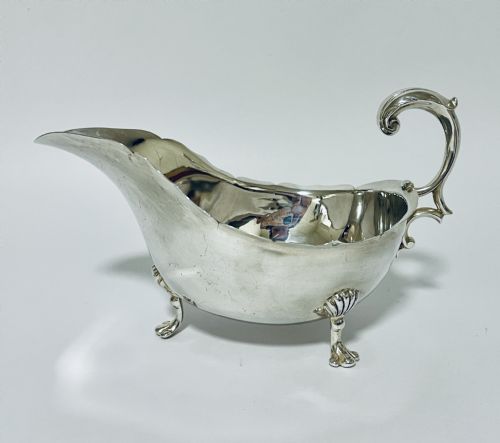
Makers shaped sterling silver and silver plate through traditional smithing techniques, often incorporating cast naturalistic details such as acorn motifs and figural designs. Metal vessels required skilled hammering, soldering, and polishing to achieve their finished forms.
Ceramic pieces relied on bone china and ironstone bodies finished with glaze and occasionally gold leaf or hand-painted patterns like Imari. These ceramic bodies were shaped in moulds and fired at high temperatures to ensure durability for daily dining use.
Listings feature sterling silver, silver plate, ironstone, and bone china from across the Victorian era.
What varies in quality
Quality in these serving vessels rests upon the crispness of cast ornamentation and the integrity of the material, whether solid sterling silver or dense ironstone. Master silversmiths and established potteries produced wares with superior balance, weight, and refined surface detail.
Condition and completeness also separate standard examples from finer ones, particularly the presence of matching ladles, lids, or original silver plating that remains intact across complex naturalistic handles and feet.
Davenport·Padley Parkin And Staniforth·Tiffany And Co·JC Moore·Masons Ironstone·William Comyns
The Victorian Gravy Boat Glossary
- Ironstone
- A type of durable heavy pottery patented in the nineteenth century. It provided a robust alternative to porcelain for kitchen and dining wares.
- Bone china
- A porcelain variety containing bone ash. This material yields a strong, translucent body suited to refined ceramic table service.
- Sterling silver
- An alloy consisting of pure silver and other metals for added strength. It served as the primary material for high-end dining silver.
- Silver plate
- A base metal coated with a thin layer of silver. This technique offered the appearance of solid silver at a lower cost.
- Spoon warmer
- A specialised Victorian table vessel filled with hot water to keep serving spoons warm. These items frequently shared the shape of a sauce boat.
Victorian Gravy Boat: Frequently Asked Questions
How were these vessels used?
These vessels held and poured warm sauces, gravies, or melted butter at the dining table. They were often paired with matching ladles and underterminus trays to contain spills.
Larger versions functioned as tureens with lids to retain heat during formal meals. Smaller ones remained open for immediate pouring by diners or servants.
Are silver and ceramic types dated the same way?
Silver pieces often bear distinct hallmarked date letters and maker marks stamped directly into the metal. These stamps reveal the exact assay office and year of manufacture.
Ceramics rely instead on printed or impressed factory marks, pattern numbers, and stylistic shifts. These markers allow for broader date ranges rather than a single year.
How do I care for silver plate?
Silver plate requires gentle cleaning with non-abrasive polishes to preserve the thin metal coating over the base metal. Regular washing in mild soapy water prevents tarnish buildup.
Store these items in dry environments away from direct sunlight and rubber materials. Proper handling ensures the plated surface remains intact for daily use.
What is the difference between ironstone and bone china?
Ironstone is a thick, opaque earthenware designed for heavy use and durability during large family meals. It resists chipping and holds heat well.
Bone china is finer, lighter, and possesses a delicate translucency when held to light. It typically appears on more formal dining tables alongside silver.