
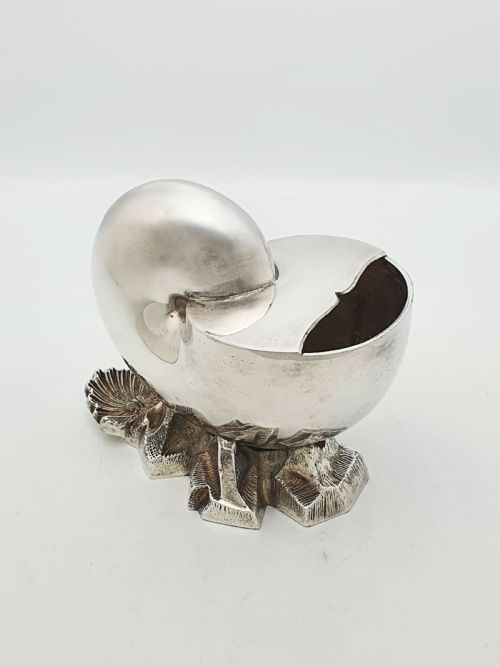


Antique Gravy Warmer
An antique gravy warmer is a piece of silver tableware designed to keep sauces hot at the dining table, combining practical engineering with striking Victorian and Georgian design.
Antique Gravy Warmer
An antique gravy warmer encompasses specialised serveware designed to maintain the ideal temperature of sauces during formal meals. The selection includes traditional argyll vessels alongside novelty spoon warmers fashioned into distinct shapes.
Most examples originate from the Victorian and Georgian periods, utilising silver plating techniques. Common domestic forms range from classical urns and plain bodies with crests to nautilus shells and shoe designs.
Materials and construction methods
Makers shaped these items primarily from Old Sheffield Plate and later silver plating methods like EPNS. Metal alloys formed the sturdy underlying structures of the vessels and warmers.
Craftsmen incorporated details in wood, cane, and ebony for handles and insulation. Novelty pieces utilised detailed casting to create recognizable forms such as marine shells and footwear.
Victorian diners apparently required warm spoons so urgently that craftsmen shaped silver plate into convincing marine shells and footwear.
Distinctions in quality and execution
Superior examples display crisp casting in novelty shapes like ammonite shells and crested bodies, maintaining clear definition in the metalwork. Lesser items show softer contours and worn plating that obscure the original decorative motifs.
The sophistication of the internal heating mechanism distinguishes finer argylls from simpler vessels. Masterful execution appears in the seamless integration of insulating handles made from ebony or wood.
Padley Parkin And Staniforth
The Antique Gravy Warmer Glossary
- Argyle
- A specialised metal vessel featuring an internal compartment for hot water to keep gravy warm. It ensures sauces do not congeal during lengthy meals.
- Old Sheffield Plate
- An early fusing technique where a thin sheet of silver is fused to a copper base. This method creates a distinct material quality seen in eighteenth and early nineteenth century pieces.
- EPNS
- Electroplated nickel silver, a common base metal method introduced during the nineteenth century. It provides a durable silver coating for domestic tableware.
- Nautilus
- A marine mollusc shape frequently adopted for novelty spoon warmers during the Victorian period. These pieces double as table decorations.
- Crest
- An heraldic device engraved or applied onto the body of a silver piece. It indicates the original owning family.
Antique Gravy Warmer: Frequently Asked Questions
What is an argyll gravy warmer?
An argyll is a specific type of gravy warmer featuring a double wall or an internal cylinder designed to hold boiling water. This ingenious system keeps sauces hot without burning them during formal dining.
These vessels often take urn or cylindrical shapes, frequently decorated with engraved family crests. They represent the height of Georgian and Victorian dining practicality.
How do you use a spoon warmer?
Victorian spoon warmers were filled with hot water to keep serving spoons warm before they touched cold sauces or gravies. This prevented the sauce from cooling down upon contact with the utensil.
Many examples take whimsical novelty forms like shells or shoes to amuse dinner guests. They sit on the table alongside the main gravy vessels.
What is Old Sheffield Plate?
Old Sheffield Plate is an early composite material made by fusing a thin layer of silver to a copper core under heat and pressure. This technique predates modern electroplating.
Pieces made with this method often reveal subtle traces of copper along exposed edges. It remains a hallmark of eighteenth and early nineteenth century craftsmanship.
How do you clean silver plated warmers?
Silver plated items require gentle cleaning with specialised silver polish and a soft cloth to protect the underlying metal. Abrasive cleaners strip the delicate silver layer from the base alloy.
Regular dusting and careful handling preserve the engraved crests and polished surfaces. Store them in dry environments to prevent tarnishing.