


Victorian Silver Warmer
A victorian silver warmer brings period dining table theatre to life, designed to keep gravy, brandy, eggs, biscuits or hot water spoons at temperature.
Victorian Silver Warmer
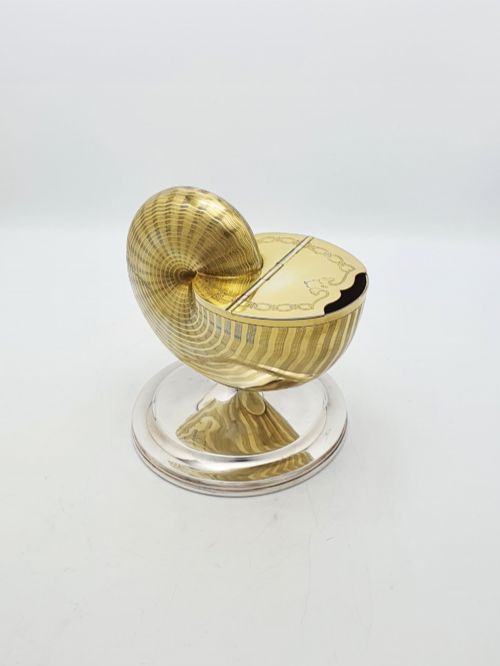
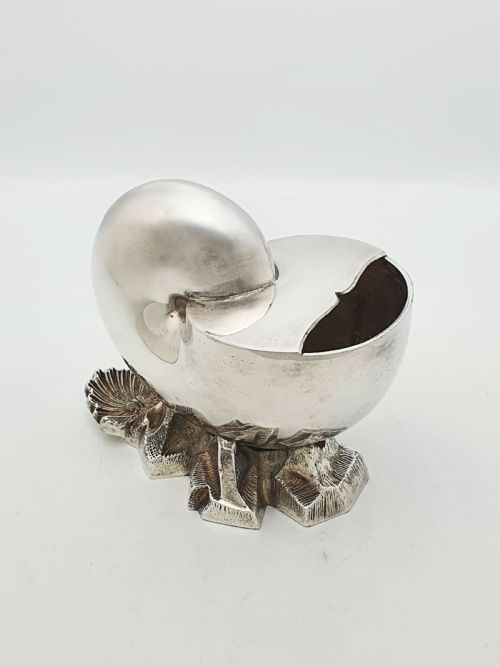
A victorian silver warmer covers several distinct dining table forms created during the nineteenth century to keep food and utensils hot. The most frequent examples found on this page are dedicated spoon warmers shaped as nautilus and conch shells, marine buoys, or novelty shoes.
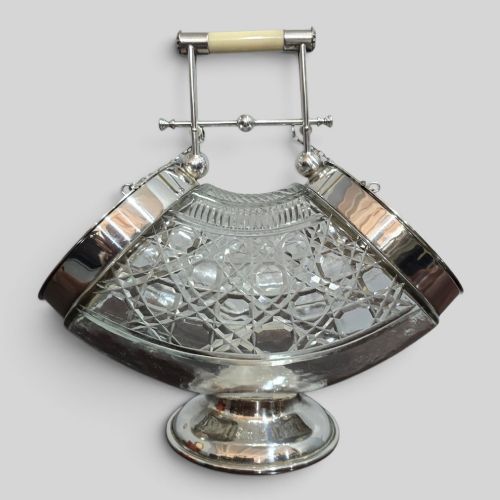
Beyond spoon warmers, the selection includes revolving breakfast dishes, biscuit boxes, gravy warmers known as argyles, and brandy warmers. These pieces originate predominantly from the Victorian and Edwardian periods, running from the mid nineteenth century into the early twentieth century.
Makers often embraced Victorian naturalism for shell and marine vessels alongside classical urn shapes for argyles and breakfast dishes. Buyers encounter various utilitarian tableware items designed to solve the practical problem of cooling food during protracted dining rituals.
Materials and construction
The majority of pieces utilise silver plate, electroplated nickel silver, or EPNS over a base metal foundation, though occasional examples appear in solid silver. Manufacturers applied thin layers of silver to durable base metals, sometimes incorporating gilt metal highlights on interior surfaces.
Makers integrated functional elements such as internal hot water compartments, folding mechanisms, and rotating lids to maintain warmth. Cut glass inserts appear in biscuit barrels, while ebony handles provide insulation for pouring vessels like argyles and brandy warmers.
Listings feature 19th Century and Edwardian items, spanning silver plate, cut glass, gilt metal, and ebony materials.
Assessing quality in period warmers
Quality rests in the crispness of the casting and the ingenuity of the mechanical design, especially on revolving breakfast dishes and folding biscuit boxes. Finer pieces display deeply chased or engraved shell fluting and naturalistic textures rather than flat, simplified stampings.
The durability of the silver plating over the underlying base metal dictates longevity and resilience through decades of use. Maker execution matters greatly, with recognised firms delivering superior hinge movement, balanced weighting, and secure internal water reservoirs.
Mappin and Webb·Padley Parkin and Staniforth·Dan Holy·Fenton Brothers·Elkington·The Alexander Clark·William Hutton and Son·Roberts and Belk·Henry Wilkinson and Co·Walker and Hall·Atkin Brothers·Christopher Dresser
The Victorian Silver Warmer Glossary
- EPNS
- Electroplated nickel silver. This refers to a common nineteenth century base metal coated with a thin layer of silver through electrolysis.
- Argyles
- Gravy warmers featuring a built in central heating core or water chamber. This design kept gravies warm at the table without diluting them with direct flame contact.
- Nautilus
- A marine shell motif widely adopted by Victorian silversmiths. Designers utilised this natural spiral curve to form the body of novelty spoon warmers.
- Revolving breakfast dish
- A lidded serving vessel featuring a roll-over or rotating mechanism. This allowed diners to access hot dishes like eggs or bacon while retaining heat inside.
- Solid silver
- Precious metal construction throughout rather than plated base metal. Pieces marked this way typically carry standard Victorian hallmarking.
Victorian Silver Warmer: Frequently Asked Questions
How did a Victorian spoon warmer work?
These vessels held hot water inside an internal reservoir or simply relied on heavy metal mass to keep spoons warm for service. Guests would take a pre-warmed spoon from the shell or novelty container during formal dining courses.
Water was poured through a small stoppered hole, warming the outer silver plated walls and the resting spoons within.
What is an argyle gravy warmer?
An argyle is a specialised gravy boat or tureen equipped with a cylindrical inner core. Hot water or a heated iron rod sat inside this core to keep sauces warm without burning.
Victorian dining rooms utilised these to prevent gravies from cooling and congealing during long multi-course meals.
Are these warmers made of solid silver?
Most pieces encountered in this category consist of silver plate or EPNS over a base metal substrate. Solid silver examples do exist, particularly among brandy warmers, but they are far less common than plated wares.
Maker marks and plate stamps usually clarify the underlying metal composition on the base or interior rim.
How do I care for silver plated warmers?
Gentle cleaning with a non-abrasive silver cloth preserves the thin electroplated surface over the base metal. Avoid harsh chemical dips that strip away remaining plating and exposed gilt highlights.
Keep moving parts like hinges and revolving lids clean and dry to ensure smooth mechanical operation during use.