

Victorian Grand Tour
Victorian grand tour pieces bring home the classical art, sculpture and souvenirs collected by travellers journeying through Europe during the nineteenth century.
Victorian Grand Tour
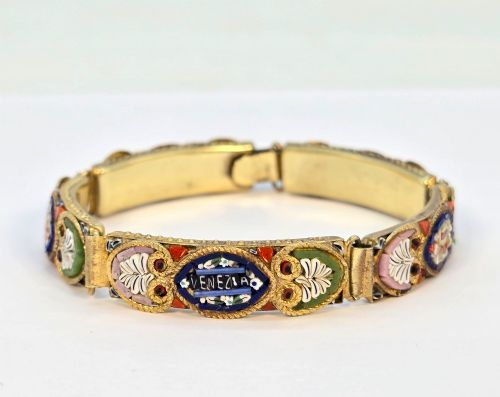
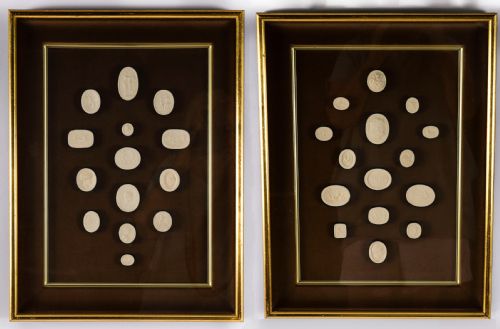
A Victorian grand tour collection centres on portable works of art, antiquities, and souvenirs gathered by affluent travellers exploring the cultural capitals of Europe, particularly Italy. Buyers encounter a diverse range of objects created to commemorate these travels, reflecting a deep fascination with classical antiquity and Renaissance masters. The pieces available span miniature sculptures, framed intaglios, micromosaic jewellery, and decorative mineral specimens.
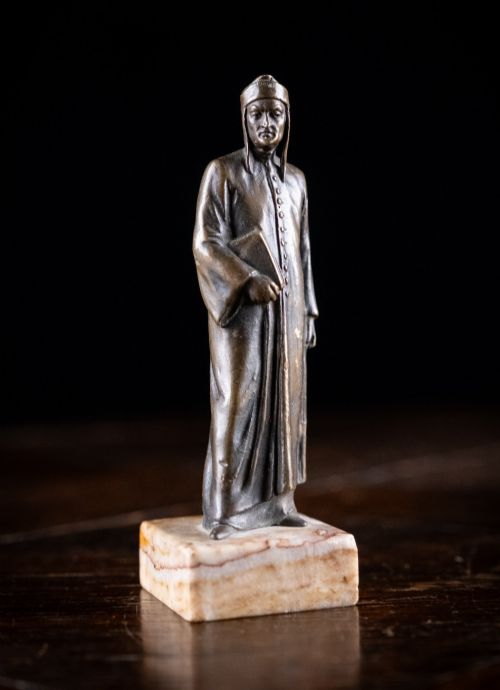
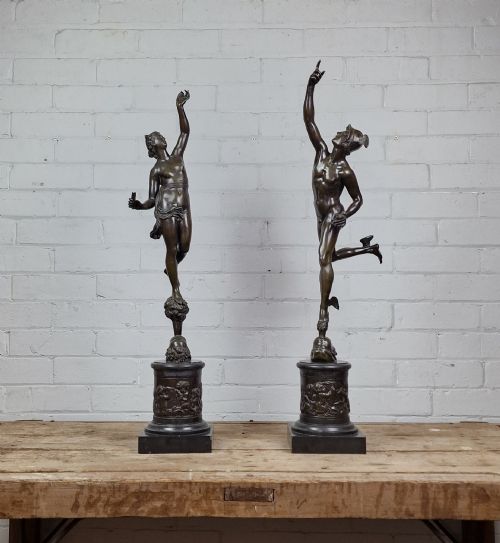
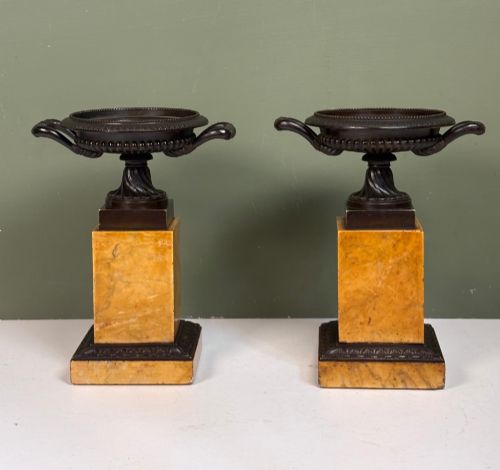
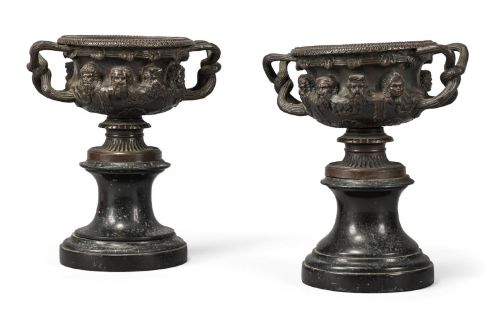
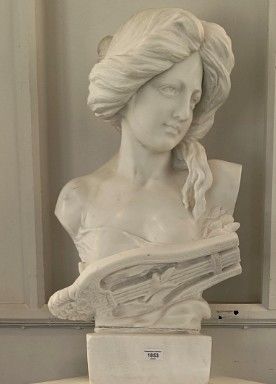
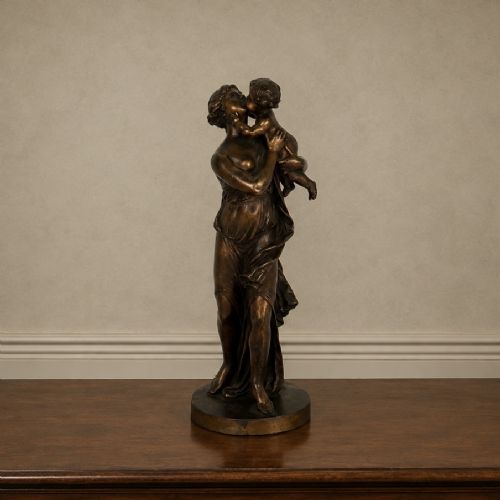
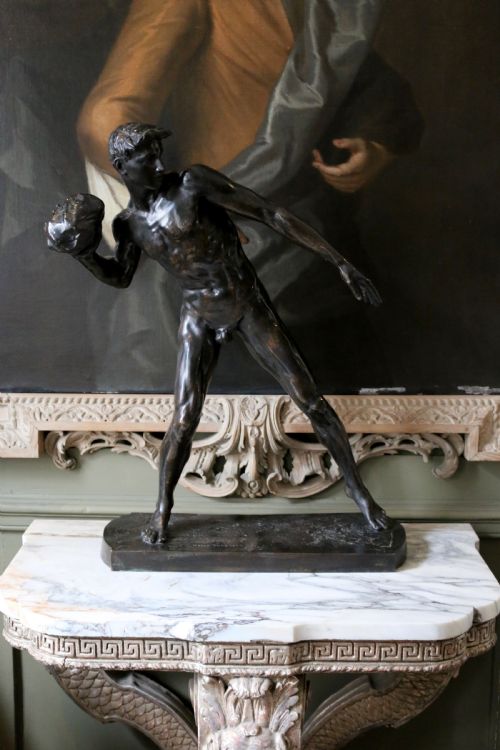
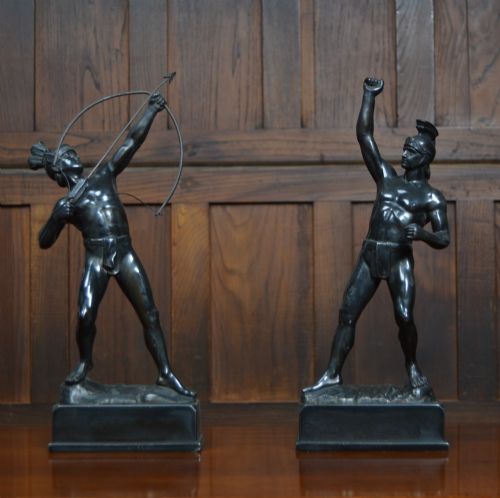
Sculptural reductions dominate the selection, offering scaled-down bronze or marble versions of famous statues found in foreign galleries and ruins. Alongside metal figures, decorative vessels such as tazzas and urns appear in marble, alabaster, and bronze, mirroring monumental archaeological discoveries. Smaller wearable items, including lava stone bracelets and shell cameos, represent the personal side of nineteenth-century collecting.
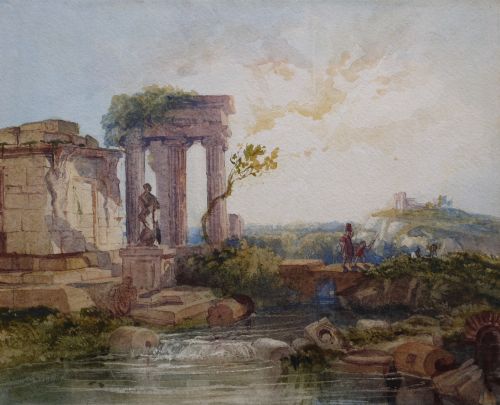
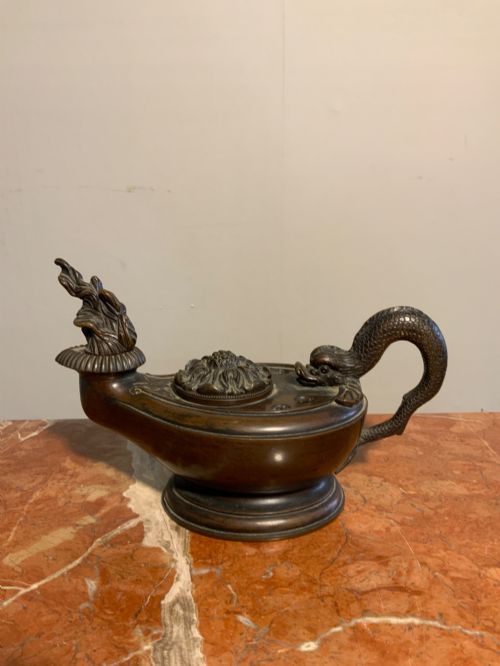
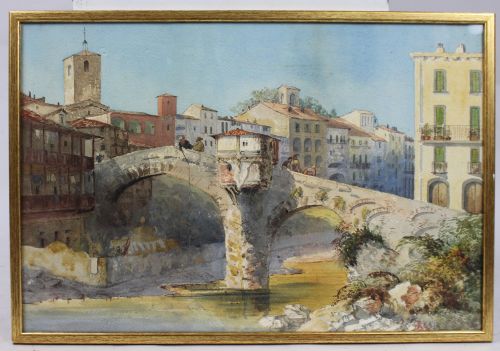
Flat works also feature strongly, encompassing watercolour paintings of scenic spots like Tivoli, detailed drawings, and pietra dura plaques. Many items bridge decorative and functional uses, manifesting as inkwells, paperweights, and lamps adapted from classical motifs. Egyptian Revival influences also emerge in the listings alongside traditional Roman and Greek subjects, broadening the scope of what travellers acquired.
How they were made
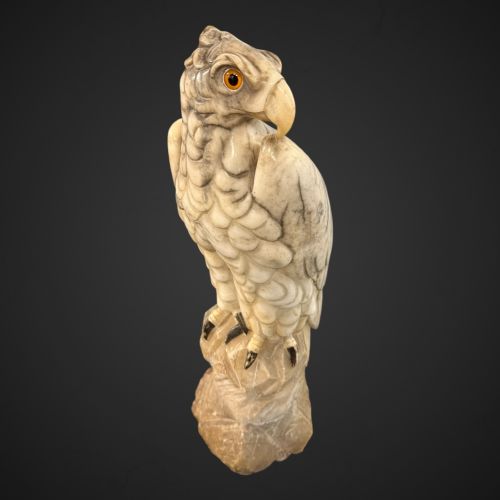
Bronzes were typically cast using the lost-wax method or produced as reductions of notable public monuments, then finished with patination to emulate ancient metalwork. Marble, alabaster, and specialised stones such as Blue John and serpentine were hand-carved and polished to create smooth figures, architectural obelisks, and vessels. These demanding stone-working techniques required skilled lapidary expertise to shape brittle materials without fracture.
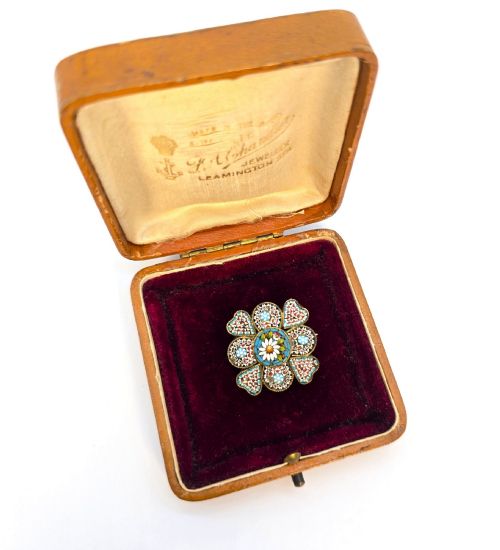
Detailed miniature work defined items like micromosaics and shell cameos, where artisans set tiny glass tesserae or carved layered shells by hand to depict architectural ruins and classical profiles. Pietra dura involved precision-cutting hard stones like jasper and agate to form intricate pictorial inlays for jewellery caskets and paperweights. Painters and draughtsmen utilised watercolours, oils, and paper to capture picturesque views on site for travellers to frame upon return.
Travellers brought home conch shell table lamps carved to show Mount Vesuvius smoking behind the Bay of Naples.
What varies in quality
Micro-mosaics and cameos rely heavily on the density and regularity of the tiny tesserae or the depth of the carved shell layers. Higher-grade examples present clear pictorial perspective and vibrant, stable colour palettes rather than crowded or muddy compositions. Signed works by documented makers or studios generally command greater artistic regard due to their superior proportions and finish.
Richard Principal Leitch·Giovanni Liberotti·Hamo Thornycroft
The Victorian Grand Tour Glossary
- Micromosaic
- A decorative technique utilising microscopic glass tesserae assembled into detailed pictorial plaques for jewellery and panels. This laborious craft flourished in Roman workshops during the nineteenth century.
- Intaglio
- A gemstone, glass, or shell carved with a depressed design intended for sealing wax or direct viewing. These miniature reliefs often depicted classical mythology and imperial portraits.
- Pietra dura
- An artistic inlay method using cut and fitted polished coloured stones to create geometric or pictorial designs. Masters utilised marbles, jaspers, and chalcedonies to form permanent stone paintings.
- Tazza
- A shallow bowl or vase raised on a stem and foot, modelled after ancient Greek and Roman drinking vessels. These decorative forms were frequently executed in marble and bronze.
Victorian Grand Tour: Frequently Asked Questions
What is a grand tour piece?
These objects are souvenirs and artworks acquired by travellers during nineteenth-century educational journeys across Europe. They served as tangible connections to classical history and foreign culture.
Items range from small bronze sculptures and marble architecture models to detailed mosaic jewellery and landscape watercolours.
How were these items used originally?
Travellers displayed sculptural reductions and mineral obelisks in home libraries and drawing rooms to signal education and refinement. Wearable items like cameos and mosaic brooches were worn daily as fashionable accessories.
Functional objects such as inkwells, paperweights, and tazzas combined classical aesthetics with everyday utility on executive desks.
How do I care for marble and bronze?
Bronze figures require periodic dusting with a soft brush and benefit from minimal handling to preserve their chemical patination. Applying abrasive cleaners or moisture will damage the historic surface finish.
Marble and alabaster objects should be kept away from direct sunlight and moisture, cleaned only with a dry, lint-free cloth to avoid scratching the polished stone.
Are all grand tour items Italian?
While Italy formed the primary destination for collecting classical antiquities, travellers also visited Egypt, Greece, and Switzerland. This broader travel route introduced Egyptian Revival sphinxes, shabtis, and alpine landscape paintings into collections.
Workshops across France, Britain, and Germany also produced souvenirs specifically targeted at returning tourists.