


Bronze Bacchic Vases
These bronze bacchic vases are sculptural metalwork souvenirs of classical antiquity, bringing neoclassical grandeur and mythological theatre into your rooms.
Bronze Bacchic Vases
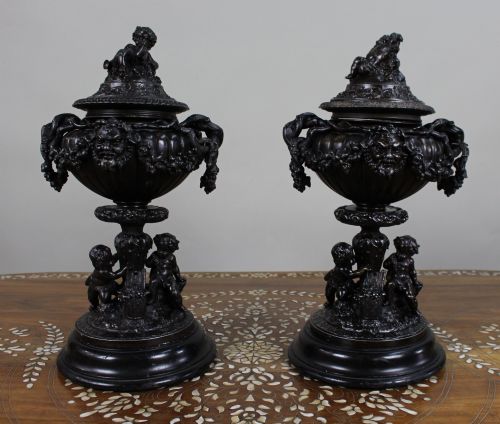
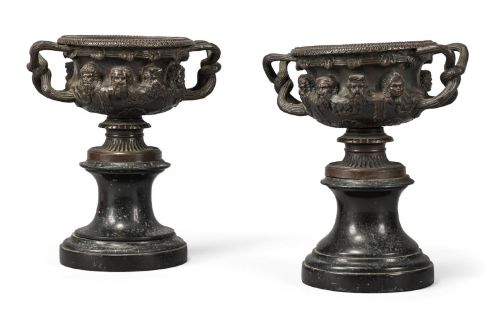
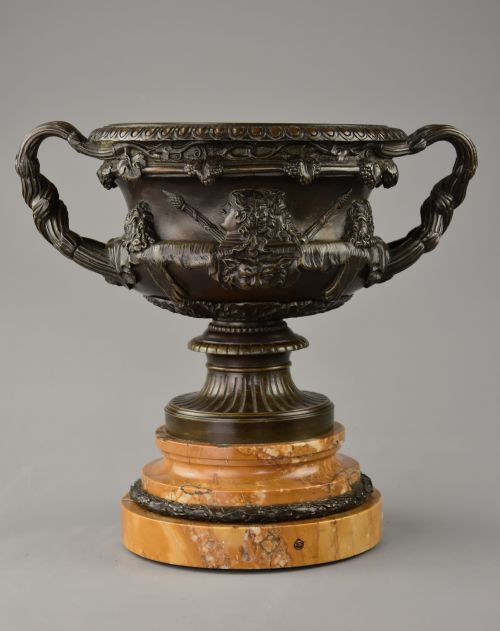
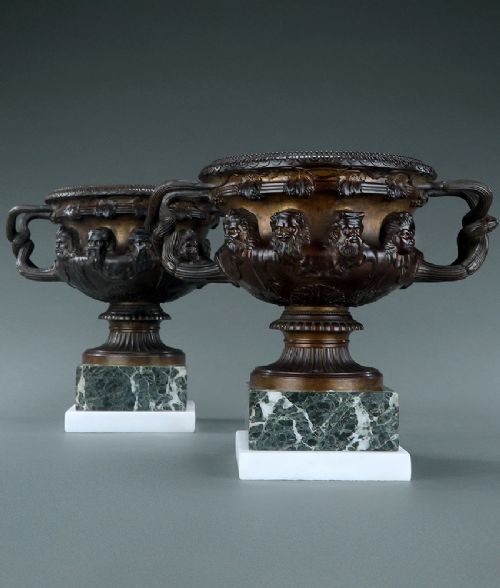
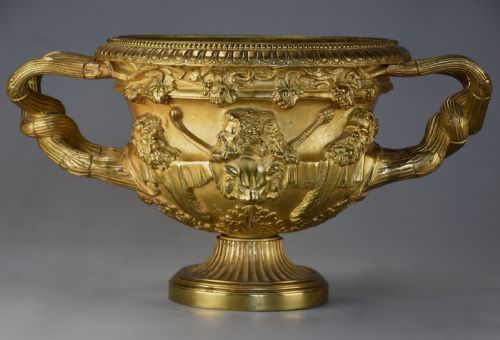
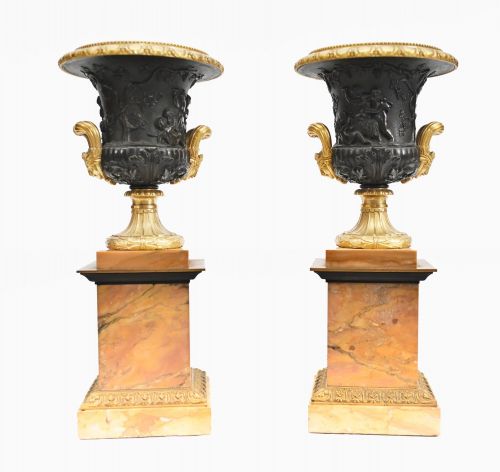
When you search for bronze bacchic vases, you encounter decorative urns and vases rooted in nineteenth century classical revivals. These objects take the form of famous antique models such as the Warwick vase and the Albani vase, often ornamented with bacchic masks, cherubs, and putti.
The pieces on this page originate predominantly from the Victorian period and the wider nineteenth century. They include grand tour souvenirs and French decorative urns made for display in nineteenth century interiors.
You will find matched pairs and individual large or small pieces, fashioned as decorative urns and vases or occasional planters. Their designs draw heavily upon Italian and French neoclassical aesthetics, reflecting the tastes of travellers on the grand tour.
How They Were Made
Makers utilised bronze, gilt bronze, and ormolu alongside patinated and bronzed spelter to achieve varied metallic finishes. These metals were cast and chased to render intricate classical details with crisp definition.
Many examples incorporate bases and plinths of green marble or white marble, anchoring the heavy metal vessels. The combination of cast metal and carved stone defines the physical presence of these nineteenth century objects.
Listings demonstrate that nineteenth century makers favoured bronze and patinated spelter, frequently mounting their vessels upon green and white marble plinths.
What Varies in Quality
The standard of chasing and the sharpness of cast detail separate sophisticated reductions from simpler commercial castings. Superior examples render bacchic masks, hair, and drapery with deep undercut relief and careful hand finishing.
The choice of materials contributes significantly to the character of the piece, with heavy cast bronze and genuine gilt bronze sitting above patinated spelter variants. Furthermore, the integration of solid marble plinths and the presence of signed foundry work elevate the stature of an individual vase.
Barbedienne Paris
The Bronze Bacchic Vases Glossary
- Grand Tour
- A traditional trip through Europe undertaken by upper-class young European men of means in the 18th and 19th centuries to flourish their education. Objects purchased as souvenirs on these journeys spawned a widespread market for miniature bronze reductions of ancient sculptures.
- Warwick Vase
- A colossal Roman marble vase discovered at Tivoli and subsequently housed at Warwick Castle. Nineteenth century metalworkers frequently reduced this famous archaeological find into bronze decorative urns.
- Albani Vase
- A celebrated classical antique vase associated with the Villa Albani in Rome. Souvenir reductions of this vessel captured the detailed sculptural reliefs prized by nineteenth century collectors.
- Spelter
- A zinc alloy utilised as a less costly alternative to bronze for decorative metalwork in the nineteenth century. Often patinated to simulate true bronze before casting.
- Ormolu
- Finely ground high-carat gold applied to bronze through a mercury amalgamation process or via electroplating. This technique produces a rich, enduring golden surface finish on neoclassical mounts and vessels.
Bronze Bacchic Vases: Frequently Asked Questions
What are bronze bacchic vases?
Bronze bacchic vases are nineteenth century decorative urns and reductions modelled on classical antiquities. They frequently feature imagery associated with Bacchus, including masks, grapevines, and putti.
These pieces served as fashionable decorative objects in Victorian homes, reflecting an enthusiasm for classical archaeology and the grand tour tradition.
How were these vases used?
Historically, these vessels functioned as interior ornaments for libraries, halls, and drawing rooms. Their classical motifs signalled the owner's cultural education and refined taste.
Today, they occupy similar display roles on mantelpieces, pedestals, or side tables, while smaller examples occasionally serve as planters.
Are these pieces actually ancient?
These pieces date from the nineteenth century rather than antiquity. They are revivalist interpretations and reduced-scale copies of famous Roman and Greek sculptures created during the Victorian era.
Craftsmen used contemporary nineteenth century casting techniques and materials like bronze, spelter, and marble to recreate the appearance of ancient artefacts for modern collectors.
How do I care for nineteenth century bronze?
Dust the surfaces gently with a soft, dry cloth to prevent particulate buildup on the metal and marble. Avoid chemical cleaners or metal polishes that can strip the original patination or damage gilt surfaces.
Maintaining a stable indoor humidity protects the stone bases and preserves the historical finish of the bronze.