


Victorian Grand Tour Souvenir
A Victorian grand tour souvenir is a tangible remnant of nineteenth-century European travel, bringing classical sculpture, micromosaics, and specimen marbles into the home.
Victorian Grand Tour Souvenir
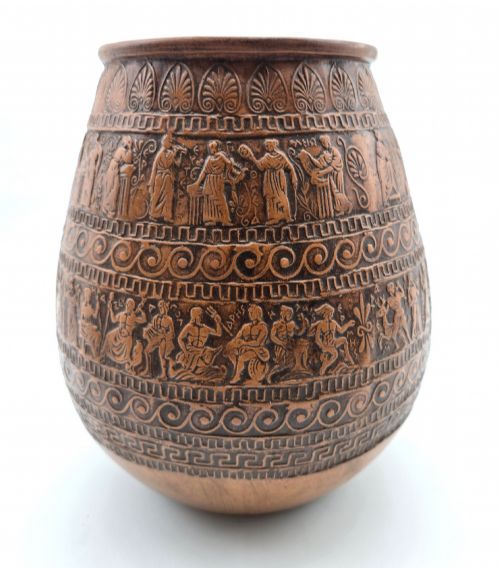
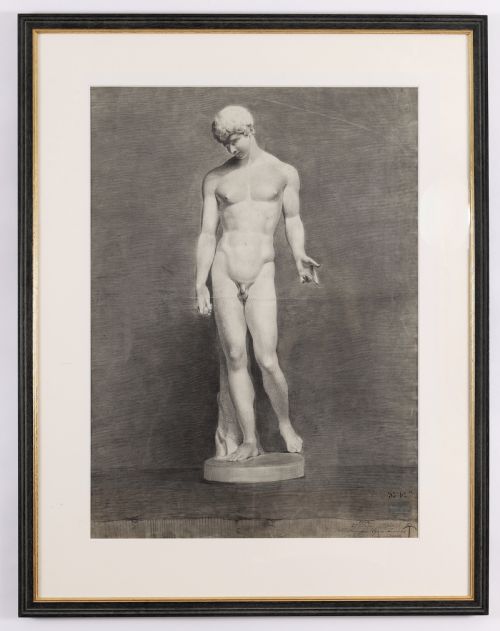
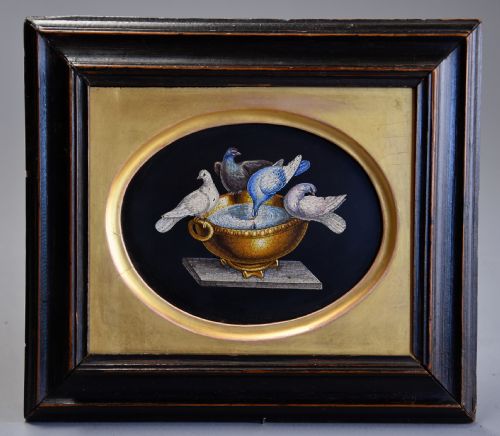
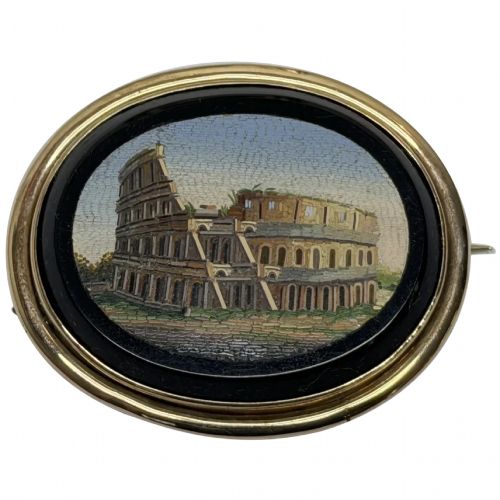
A Victorian grand tour souvenir encompasses portable artworks and decorative objects collected by travellers journeying through Italy and the wider Mediterranean during the nineteenth century. These pieces draw heavily on classical, neoclassical, and Egyptian revival styles, translating ancient monuments and sculptures into domestic cabinet pieces.
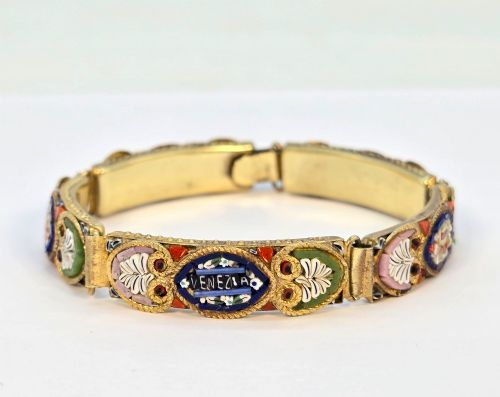
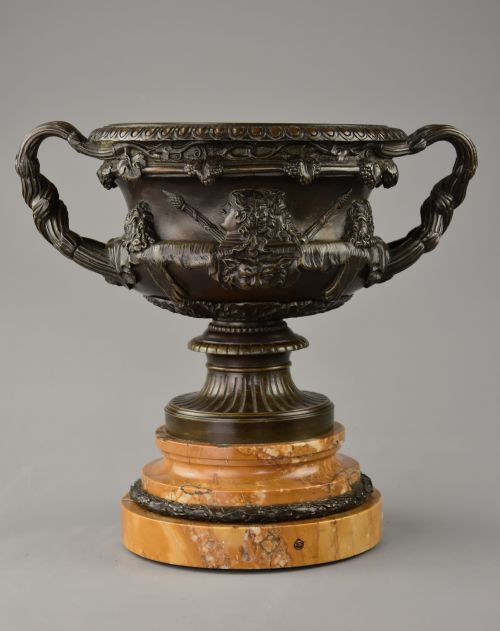
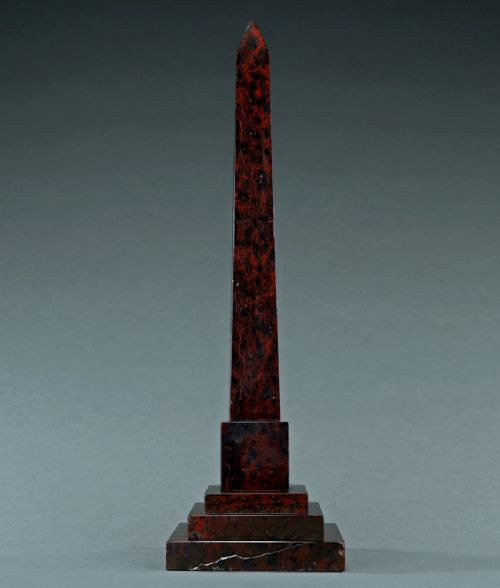
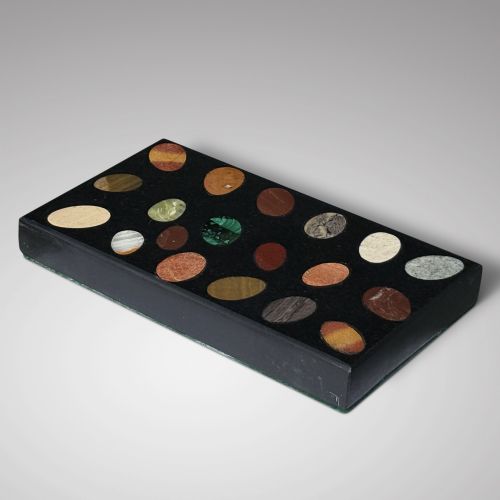
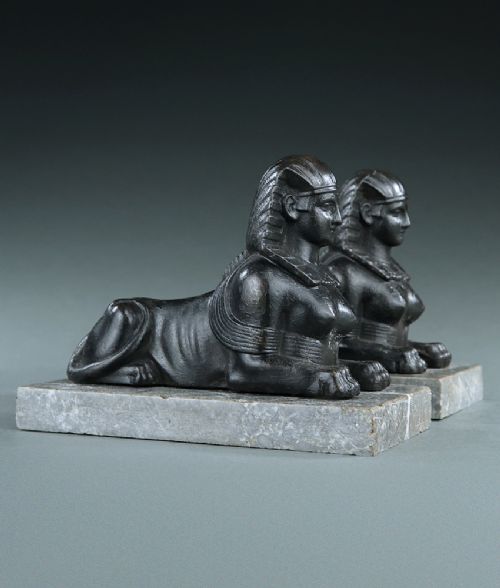
The objects frequently take the form of bronze reductions of famous statuary, marble obelisks, micromosaic jewellery, and inlaid pietra dura plaques. Visitors purchased these items in cultural hubs such as Rome, Florence, and Venice to commemorate their travels through classical sites.
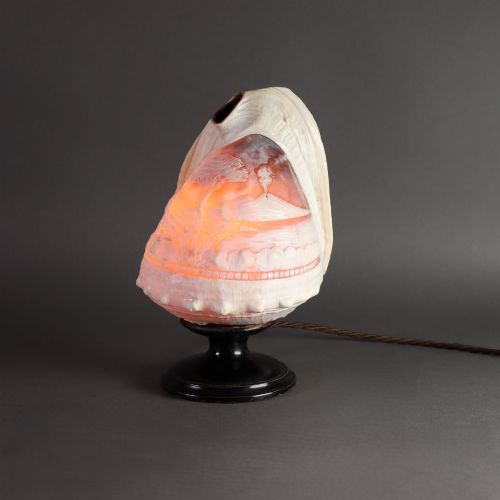
On this page, buyers regularly encounter bronze figures after the antique, specimen marble paperweights, and carved lava or shell cameos. These diverse material forms reflect the wide scope of what wealthy nineteenth-century tourists brought back to Britain.
Materials and methods of manufacture
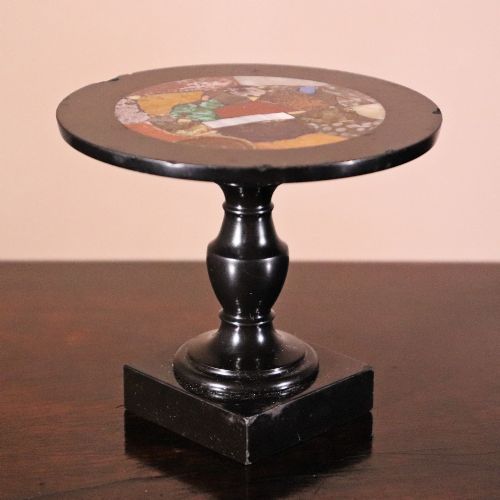
Foundry-cast bronze forms a substantial portion of these objects, often finished with dark patination or paired with marble bases to emulate excavated classical sculpture. Artisans also utilised various stones, turning black marble, red serpentine, and lava stone into miniature obelisks, inkstands, and architectural models.
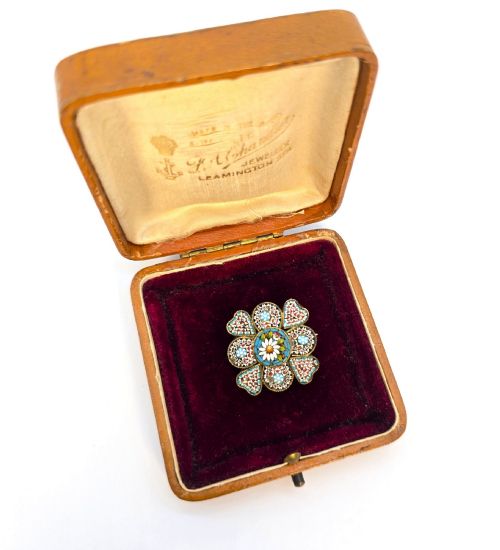
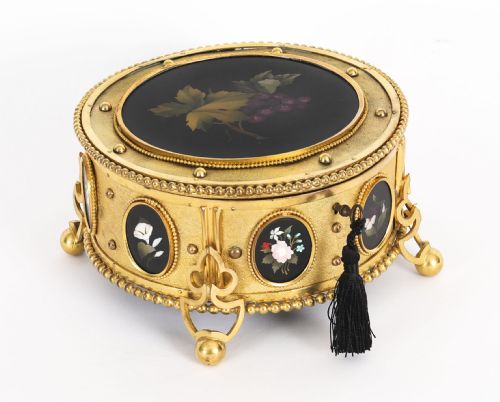
Surface ornamentation relied on meticulous hand-craftsmanship, notably in Italian micromosaics composed of tiny glass tesserae and pietra dura panels featuring inlaid coloured stones. Cameos were carved directly from layered shell or volcanic lava, while wooden pieces incorporated Sorrento marquetry and olive wood inlay.
Victorian Grand Tour Souvenir Retail Price Guide 2026
Typical asking prices for victorian grand tour souvenir among the pieces listed under this phrase on Sellingantiques today, from the lower quarter to the upper quarter. They describe what is for sale here now, not the wider market.
Listings feature nineteenth-century materials including bronze, lava stone, glass tesserae, and various marbles.
Factors determining quality
For micromosaics and pietra dura, the density of the tesserae and the precision of the stone-fitting govern overall excellence. Finer specimens display microscopic alignment and subtle colour gradation, whereas lesser examples show wider grout lines and coarser pictorial composition.
Giovanni Liberotti
The Victorian Grand Tour Souvenir Glossary
- Micromosaic
- A detailed pictorial technique utilising countless minute glass tesserae fused together to form intricate miniature scenes of ruins or flora. These tiny tiles create smooth, painting-like surfaces on brooches and plaques.
- Pietra dura
- An Italian term for the art of inlaying cut and fitted polished coloured stones into a base panel to create pictorial designs. Artisans employed this method for decorative caskets and tabletop specimens.
- Obelisk
- A tall, four-sided, narrow tapering monument which ends in a pyramid-like shape at the top. Souvenir versions were frequently carved from specimen marbles like Ashford black marble or red serpentine.
- Intaglio
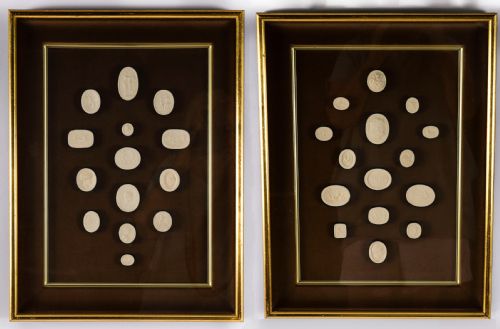
- A gem or stone carved with a design depressed below the surface so that an impression in wax can yield a raised image. These were often mounted together in collections or worn as jewellery.
- Bronze reduction
- A smaller scale metallic copy of a well-known full-size monumental sculpture achieved through pantographic casting methods. These allowed collectors to own miniature versions of famous antiquities.
Victorian Grand Tour Souvenir: Frequently Asked Questions
What is a grand tour souvenir?
A grand tour souvenir is a decorative or wearable art piece acquired by nineteenth-century travellers visiting cultural centres across Europe. These items served as tangible records of classical education and foreign exploration.
They capture the aesthetic tastes of the Victorian era, translating ancient architecture and sculpture into intimate domestic objects.
How were these souvenirs used?
Travellers used these objects to decorate domestic interiors, display scholarly interests, and adorn personal attire. Items like bronze obelisks and inkstands functioned as desk accessories, while micromosaics and cameos were worn as jewellery.
They acted as conversation pieces in Victorian drawing rooms, signalling the owner's sophistication and travel history.
How do I care for marble and bronze?
Marble pieces require gentle dusting with a dry, soft cloth, avoiding harsh chemical cleaners that can etch polished surfaces. Bronzes similarly benefit from periodic dusting and should be kept away from excessive moisture.
Preserving the original patination and stone polish ensures the historical integrity of each artefact remains undisturbed.