




Grand Tour Jewellery
Grand tour jewellery captures the memories of continental travel through miniature craftsmanship, offering portable art that collectors prize for its intricate detail and historical resonance.
What grand tour jewellery is
Grand tour jewellery encompasses wearable souvenirs and ornamental caskets brought back by travellers from their journeys across Europe during the nineteenth century. These pieces record specific destinations and classical sights through distinctive artistic mediums that celebrate Italian and European heritage.
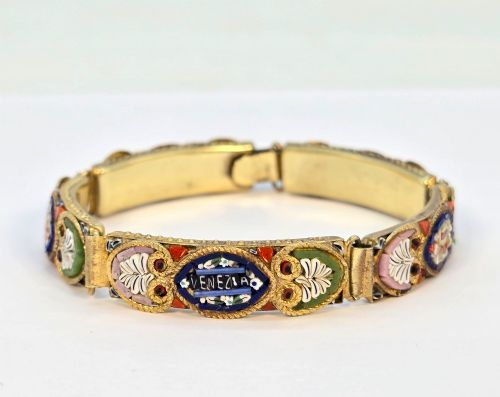
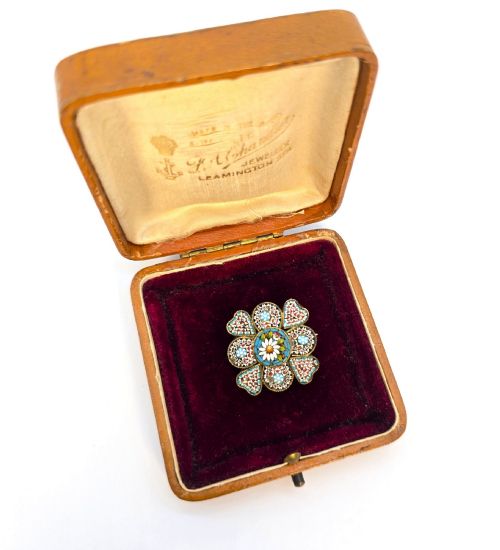
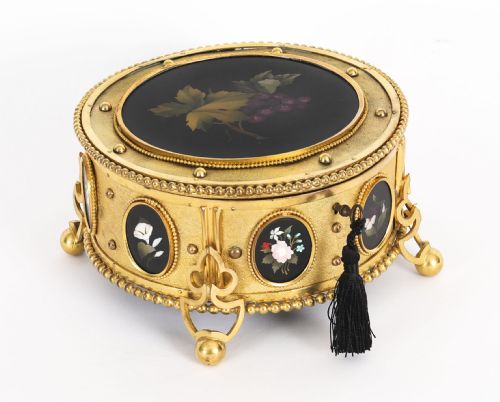
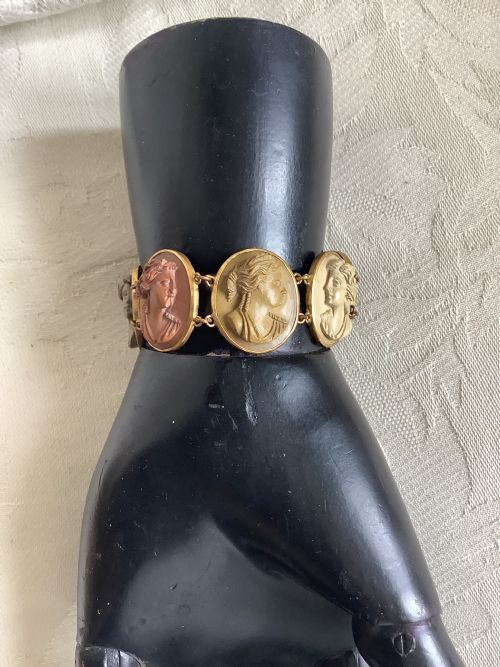
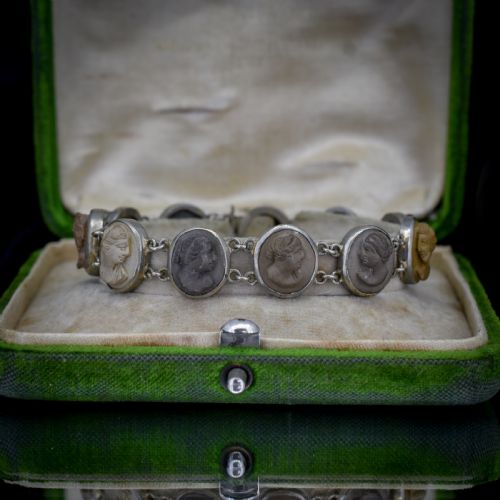
Visitors on the grand tour collected items ranging from micro mosaic brooches and lava stone bracelets to fitted leather jewellery cabinets and ormolu caskets. The pieces available span the nineteenth century, including specific items dated around eighteen-eighty and nineteen-twenty, alongside broader Victorian examples.
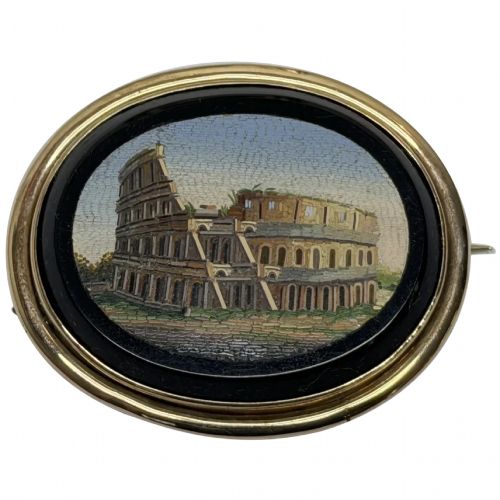
The jewellery forms on this page include brooches, bracelets, and earrings, alongside related desktop pieces like jewellery caskets. Subjects often reference iconic classical architecture and imagery, such as the Roman Colosseum or Venetian scenes.
How they were made
Craftsmen utilised traditional techniques to create these portable artworks, mounting delicate glass tesserae or carved materials into secure settings of yellow gold, silver, and gilt metal. Micro mosaic pieces required thousands of tiny glass fragments fused together to form detailed pictorial scenes.
Carved pieces employ natural materials like lava stone and onyx, shaped into high relief portraits and classical motifs. Caskets and cabinets incorporate gilt tooled leather, bevelled glass, and ormolu mounts to house and display these precious souvenirs.
Retail Price Guide 2026
Typical UK retail prices for grand tour jewellery, calculated from the Sellingantiques database of over a million retail prices indexed since 2003. This retail price guide relies exclusively on Sellingantiques data; no external sources or auction records are used, so the figures do not describe the wider market.
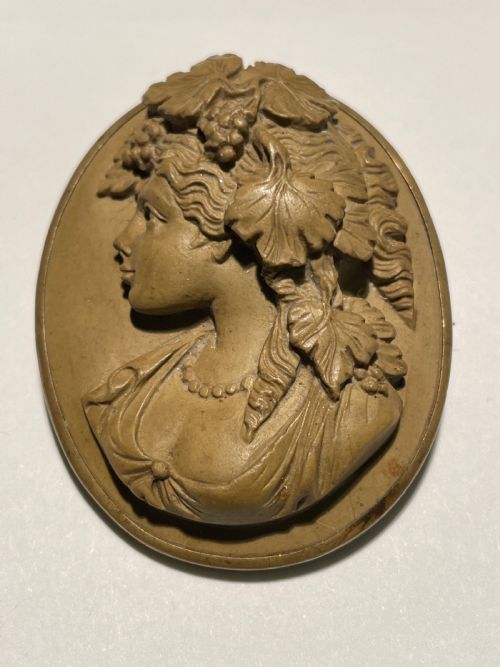
Travellers returning from Vesuvius happily wore solidified mountain runoff carved into the likenesses of Roman emperors.
What varies in quality
The fineness of execution separates standard souvenirs from masterworks, particularly in the density and precision of the glass tesserae within micro mosaics. Tighter grouting and more sophisticated tonal graduation distinguish the superior pieces from simpler mass-produced tourist items.
Material selection also defines the tier of a piece, with higher quality examples set in heavier grades of yellow gold rather than gilt metal. Carving depth and clarity in lava stone or onyx determine the artistic merit of cameo and portrait items.
The Grand Tour Jewellery Glossary
- Micro mosaic
- A technique using microscopic pieces of coloured glass, known as tesserae, assembled to create detailed pictures. These were often set into brooches and bracelets depicting famous monuments.
- Lava stone
- A natural volcanic material favoured by nineteenth-century carvers for its lightweight properties and uniform texture. It was frequently carved into high-relief portraits and classical scenes.
- Tesserae
- Individual tiny tiles of glass or stone used in mosaic work. The size and regularity of these elements indicate the skill of the artisan.
- Ormolu
- Gilded bronze or brass ornamentation applied to furniture and decorative caskets. It provided a rich, golden metallic finish popular in nineteenth-century luxury goods.
- Cameo
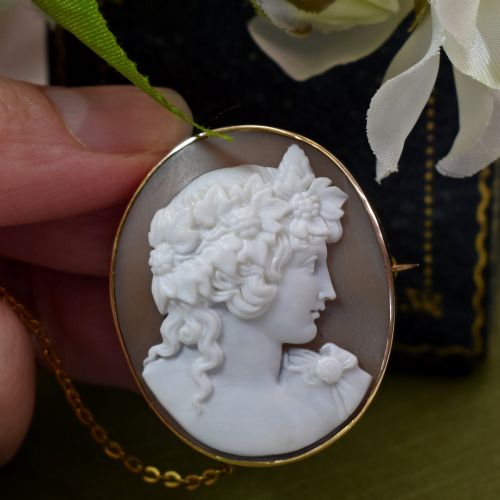
- A method of carving an object such as a lava stone or onyx in relief. This technique creates a raised design that contrasts sharply with the background layer.
Frequently Asked Questions
What is grand tour jewellery?
Grand tour jewellery consists of wearable art and decorative caskets purchased by travellers exploring European cultural centres during the nineteenth century. These items served as tangible reminders of classical antiquity and foreign travel.
Items typically feature miniature depictions of famous landmarks, classical ruins, or religious motifs executed in specialised local crafts like micro mosaic or stone carving.
How do I care for lava stone jewellery?
Lava stone is a relatively porous and delicate natural material that requires gentle handling and protection from moisture and harsh chemicals. Store pieces in a padded box to prevent impact damage.
Avoid submerging lava stone jewellery in water or ultrasonic cleaners, as moisture can weaken the stone and any historical adhesive used in the setting.
What materials are common in micro mosaics?
Micro mosaics are constructed primarily from tiny coloured glass rods, fused and sliced into microscopic segments called tesserae. These are meticulously set into a mastic base on a metal or stone support.
Gold, silver, and gilt metal serve as the primary mounting materials for these intricate glass panels, forming the structure of brooches, earrings, and bracelets.
Are all grand tour pieces from Italy?
While the majority of micro mosaics and lava stone carvings originate from Italian workshops in cities like Rome, Florence, and Venice, other European centres contributed to the genre. French ormolu caskets and leather-bound jewellery cabinets also formed part of the traveller's acquisitions.
Craftsmen across Europe catered to the demands of wealthy tourists by producing luxury goods designed to house or wear these continental memories.