



Antique Mosaic Jewellery
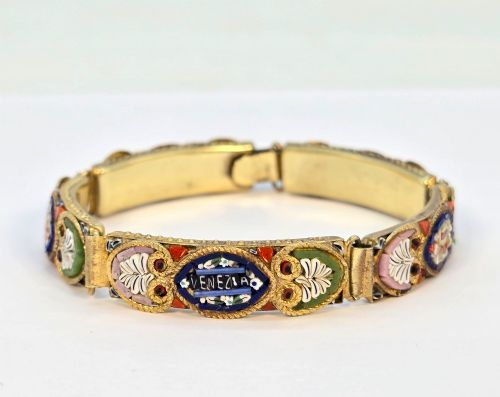
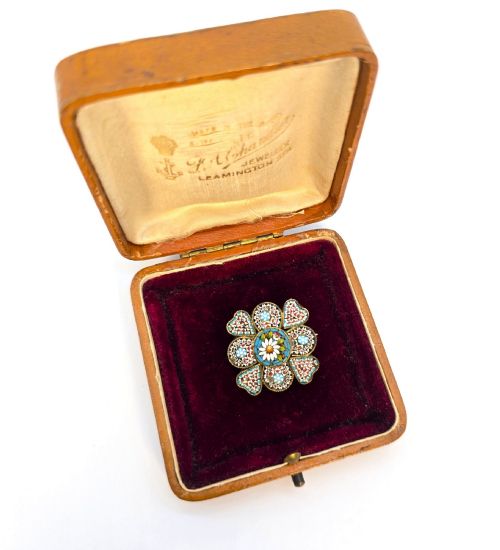
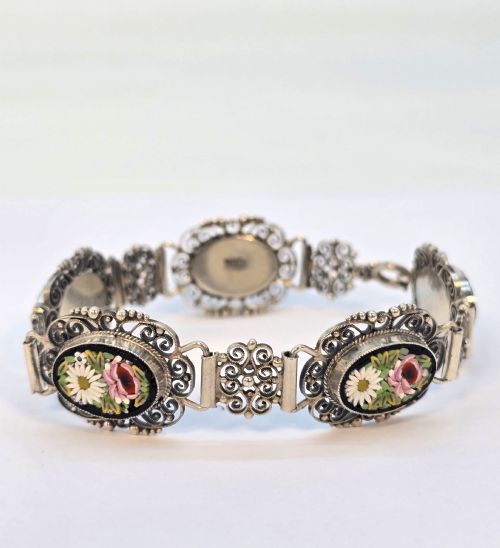
Antique mosaic jewellery brings together tiny glass tesserae and hardstones set in gold, brass, and wood, offering miniature scenes of the Grand Tour to wear.
Antique Mosaic Jewellery
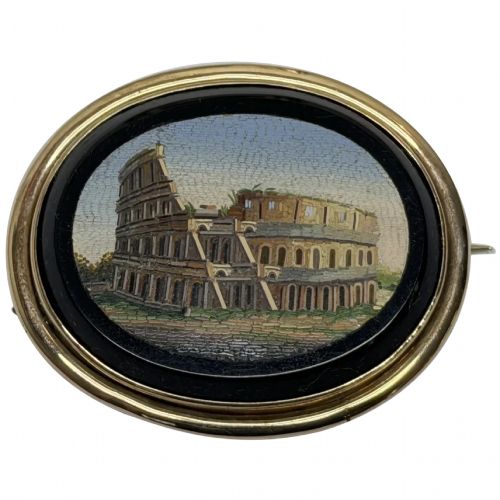
When you search for antique mosaic jewellery, you encounter a fascinating intersection of wearable art and decorative boxes ranging from the nineteenth century into the twentieth. These pieces encompass delicate Italian micro mosaic brooches depicting landmarks like the Roman Colosseum alongside Scottish jasper and agate braided plaid brooches.
How they were made
Makers constructed micro mosaics by fusing minuscule glass rods together into threads, slicing them into tiny tesserae, and setting them into matrices of gold or gilt metal to form intricate pictorial scenes. Artisans also utilised pietra dura techniques, inlaying precision-cut hardstones such as jasper and agate into ebonised wood or metal bases.
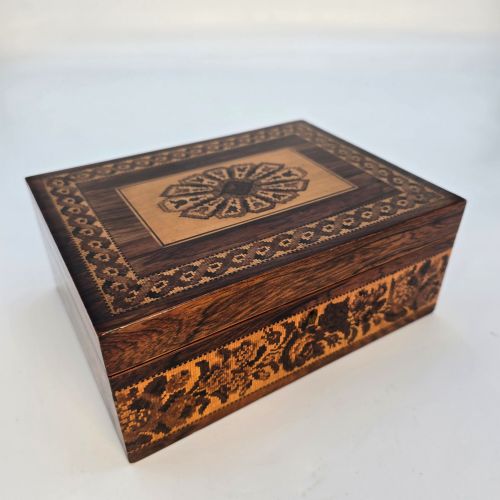
Wooden boxes utilised complex marquetry and specimen wood veneers, incorporating materials like rosewood, walnut, boxwood, and bone. Tunbridge ware pieces employed thousands of individually dyed wood blocks arranged in precise geometric or pictorial mosaics.
Antique Mosaic Jewellery Retail Price Guide 2026
Typical asking prices for mosaic jewellery among the pieces listed under this phrase on Sellingantiques today, from the lower quarter to the upper quarter. They describe what is for sale here now, not the wider market.
Listings span the Victorian era, the nineteenth century, and into the twentieth century, incorporating materials from glass tesserae and gold to rosewood and bone.
What varies in quality
The density and fineness of the tesserae define the upper tier of micro mosaic work, where the individual glass pieces are so minute that the surface resembles a painting rather than a mosaic. In gold work, the weight of the metal and the complexity of the mount elevate a piece far above simpler gilt settings.
For boxes and caskets, the intricacy of the wood marquetry or the precision of the Sadeli bone veneers determines the distinction. Pieces with complete, undamaged geometric registers and original linings command greater attention than those with losses to the delicate surface.
Edmund Nye
The Antique Mosaic Jewellery Glossary
- Micro mosaic
- A technique utilising microscopic glass tesserae fused and arranged to depict detailed pictorial subjects. These miniature scenes frequently adorn brooches and pendants from the Italian Grand Tour.
- Pietra dura
- An artistic method involving the inlay of cut and fitted polished coloured stones to create pictures. This technique appears on nineteenth-century Italian jewellery caskets and pendants.
- Tesserae
- The individual small blocks of coloured glass used to build up a mosaic image. The microscopic scale of these elements dictates the clarity of the miniature design.
- Sadeli mosaic
- A traditional geometric mosaic work originating in India utilising minute sections of bone, horn, and metal. It typically decorates nineteenth-century wooden boxes.
Antique Mosaic Jewellery: Frequently Asked Questions
How do I clean antique mosaic jewellery?
Clean these delicate pieces with a dry, soft brush to remove dust from the crevices around the tesserae or stone inlays. Moisture can damage old adhesives and wooden backings, so liquid immersion must be avoided entirely.
For metal mounts, use a specialised jewellery cloth lightly without touching the mosaic surface itself. Store each piece separately in a lined box to prevent scratching.
Are micro mosaic brooches fragile?
Micro mosaics require careful handling because the tiny glass tesserae are held in place by historical adhesives that can become brittle over time. A sharp impact can dislodge individual elements from the gold or metal matrix.
Wear them securely pinned to sturdy fabrics and remove them before physical activities. Gentle storage ensures the miniature pictorial scenes remain intact for future generations.
What is the difference between micro mosaic and pietra dura?
Micro mosaic relies on thousands of microscopic glass rods fused together to form detailed pictorial scenes like buildings or birds. Pietra dura uses precision-cut natural hardstones such as jasper and agate assembled into geometric or floral compositions.
Both techniques produced portable art objects and jewellery during the nineteenth century. While glass tesserae offer vibrant colour gradations, pietra dura presents the natural polished lustre of stone.
How can I date a Tunbridge ware box?
Dating relies on examining the style of the marquetry, the timber used for the carcase such as rosewood or walnut, and the construction of the interior compartments. Makers like Edmund Nye produced distinctive labelled pieces during the mid-nineteenth century.
Earlier examples often feature simpler geometric bands, while later Victorian boxes incorporated complex floral or architectural pictorial mosaics. Interior paper linings and brass hinges also provide clues to the manufacturing decade.