





Antique Italian Jewellery
Antique italian jewellery brings together the craftsmanship of historic workshops, offering portable mementos and wearable art from centuries past.
Antique Italian Jewellery
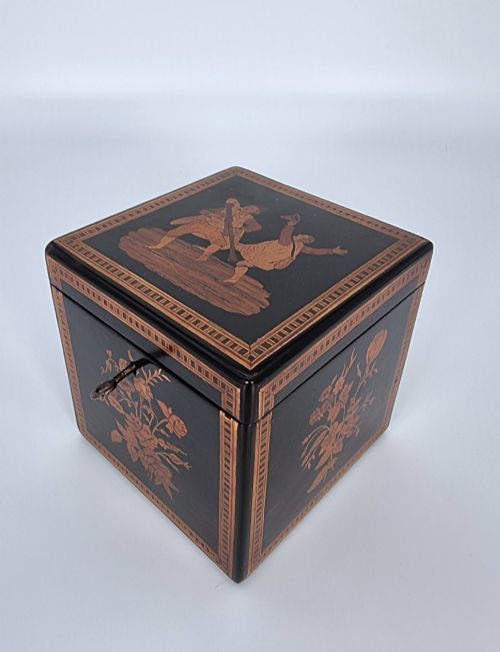
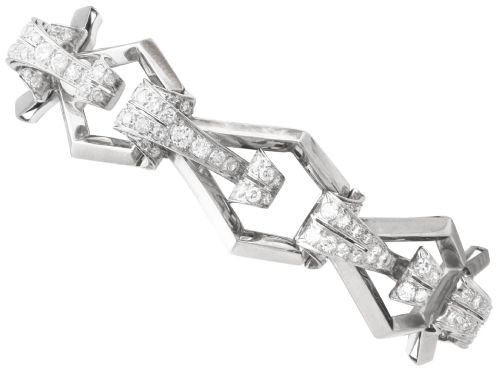
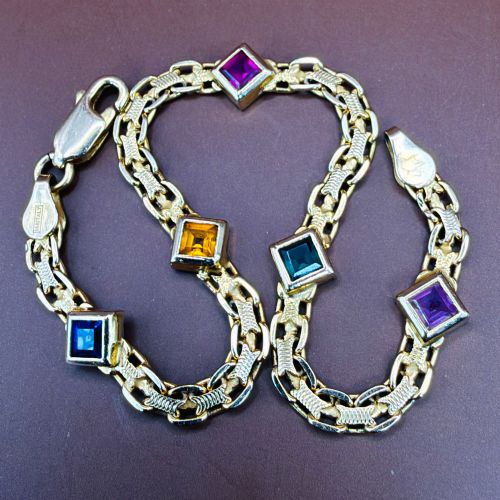
When exploring antique italian jewellery, collectors encounter a diverse array of wearable adornments and decorative receptacles designed to hold them. The selection spans delicate brooches, pendants, and bracelets alongside larger keepsake boxes and table caskets.
The objects stem from various historic periods, ranging from the seventeenth century through the Victorian era and into the Art Deco epoch. Grand Tour souvenirs form a notable part of this group, reflecting the travels of nineteenth-century visitors to the peninsula.
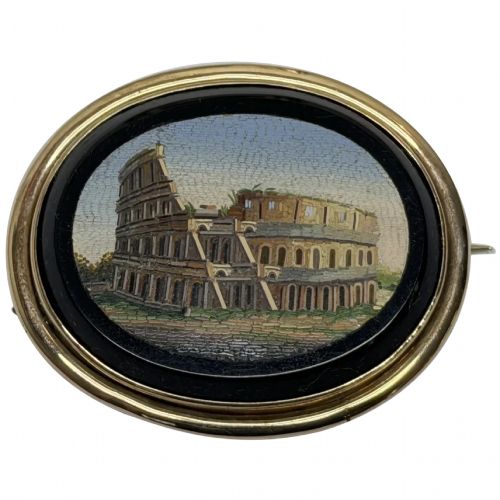
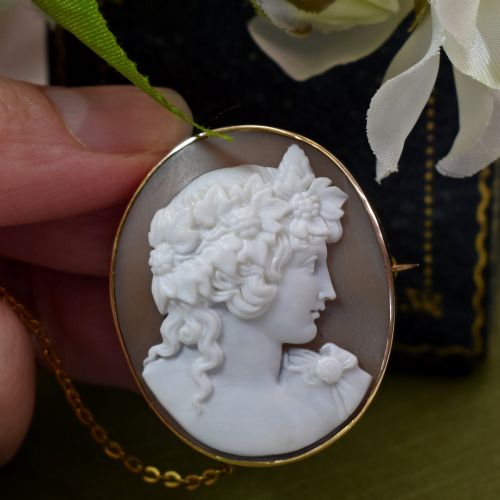
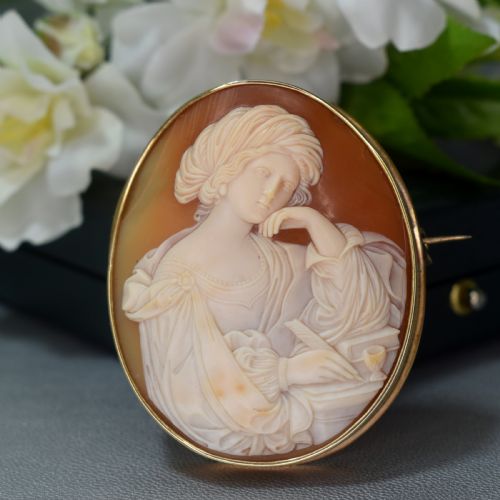
Brooches and cameos dominate the smaller wearable items, frequently depicting classical motifs, architectural ruins, and natural subjects. Caskets and keepsake boxes utilise regional woodworking traditions, stone inlay, and porcelain to store personal treasures.
Materials and Techniques
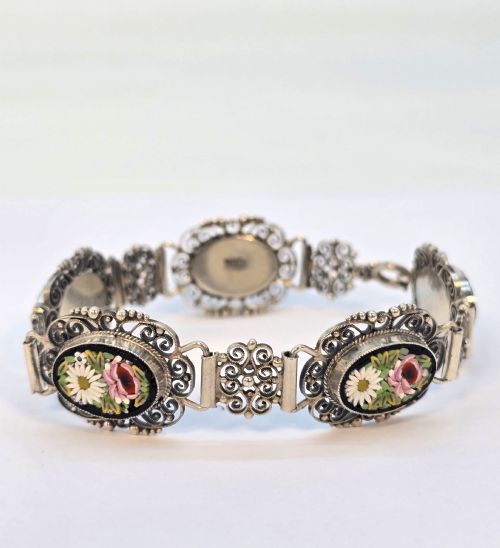
Artisans employed precious metals such as yellow gold, alongside gilt metal, brass, and silver, to form the structural mounts for brooches, pendants, and bracelets. Gemstones, coral, and lava stone underwent meticulous carving to create detailed cameos depicting classical figures and historic landmarks.
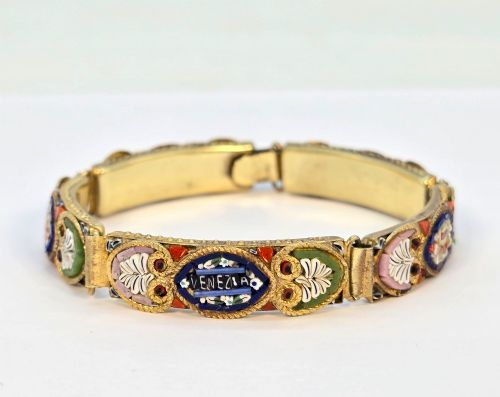
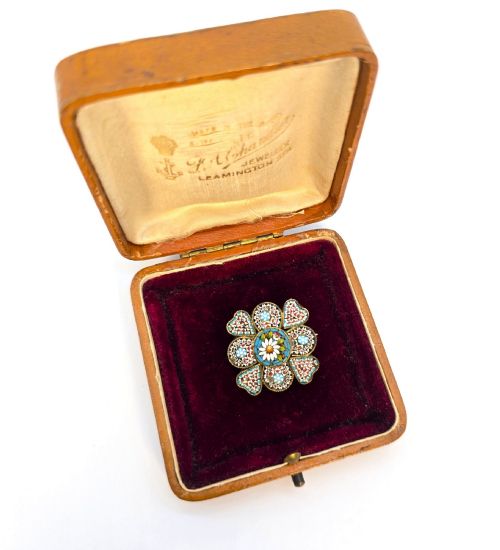
Surface ornamentation involved specialised techniques including micro mosaic work using tiny glass tesserae, as well as pietra dura composition utilising fitted hardstones. Enamel work added colour to gold settings, while Sorrento and marquetry traditions decorated wooden caskets with intricate wood veneers and bone inlay.
Antique Italian Jewellery Retail Price Guide 2026
Typical asking prices for italian jewellery among the pieces listed under this phrase on Sellingantiques today, from the lower quarter to the upper quarter. They describe what is for sale here now, not the wider market.
Current listings demonstrate a strong presence of nineteenth-century items, featuring materials such as shell, gold, micro mosaic, and pietra dura across various boxes and brooches.
Distinctions in Quality
The refinement of the carving or mosaic work dictates the distinction between standard and exceptional pieces. Finer micro mosaics display incredible density with minuscule tesserae forming crisp imagery, whereas lesser examples utilise larger tiles with wider grout lines.
Material selection and mounting craftsmanship further separate the tiers. Solid gold frames and substantial silver or ormolu mounts paired with expertly carved shell, hardstone, or porcelain elevate an object above simpler gilt metal and lesser wood constructions.
R.Pernice
The Antique Italian Jewellery Glossary
- Micro mosaic
- A decorative technique formed by assembling countless tiny pieces of coloured glass, known as tesserae, to create pictorial scenes. These compositions often depict famous Roman views or floral motifs on jewellery and boxes.
- Pietra dura
- An Italian term for the artistic technique of using cut and fitted polished coloured stones to create geometric or figural designs. Artisans inlaid these hardstone panels into marble, ebony, and other wooden surfaces.
- Cameo
- A method of carving a gemstone, shell, or lava stone in relief to create a raised design against a contrasting background. Classical profiles and mythological subjects appear frequently in nineteenth-century examples.
- Grand Tour
- A traditional trip of Europe undertaken by upper-class young European men and women of the eighteenth and nineteenth centuries to flourish their cultural education. Travellers frequently purchased local mosaics, cameos, and inlaid boxes as mementos.
- Sorrento ware
- Woodwork decorated with intricate marquetry and inlay originating from the town of Sorrento near Naples. Artisans utilised various native woods like olive and walnut to depict geometric patterns and pastoral scenes on boxes.
Antique Italian Jewellery: Frequently Asked Questions
What is a Grand Tour souvenir?
Grand Tour souvenirs are portable artworks and luxury goods acquired by travellers visiting cultural centres across Italy during the eighteenth and nineteenth centuries. These items included micro mosaic brooches, shell cameos, and pietra dura boxes.
Travellers collected them as tangible proof of their education and travels across classical sites. Today, these pieces remain prized for their detailed depiction of historic monuments and landscapes.
How do I care for shell cameos?
Shell cameos require gentle handling due to the organic nature of the material. Avoid exposing them to harsh chemicals, perfumes, or excessive moisture which can damage the delicate layers.
Clean them sparingly with a soft, dry cloth and store them separately from harder jewellery to prevent scratching the carved surface.
What is pietra dura?
Pietra dura involves inlaying precisely cut and polished coloured stones into a solid base, such as black marble or ebony, to form a seamless pictorial image. Craftsmen used jaspers, agates, and marbles to render flora, fauna, and geometric patterns.
This demanding Italian lapidary technique flourished during the Renaissance and experienced a major revival during the nineteenth century on boxes and pendant plaques.
How can I tell a micro mosaic from a painted brooch?
Micro mosaics are composed of thousands of individual glass rods fused and sliced into tiny tesserae, creating a textured surface under magnification. Examining the piece closely reveals the grid of individual tiles and grout lines.
Painted miniatures display smooth brushstrokes without the physical grid pattern characteristic of assembled glass tiles.