


Antique Roman Souvenirs
When you search for antique roman souvenirs, you encounter tangible echoes of the nineteenth-century traveller's Mediterranean journey, crafted to bring classical antiquity home.
Antique Roman Souvenirs
Antique roman souvenirs encompass the portable art and architectural models purchased by travellers undertaking the Grand Tour during the eighteenth and nineteenth centuries. These objects capture the enduring fascination with classical antiquity, translating monumental ruins and famous sculpture into domestic cabinet pieces.
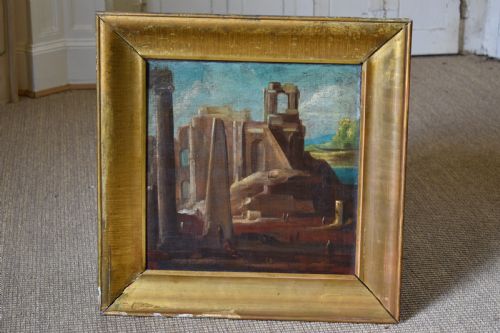
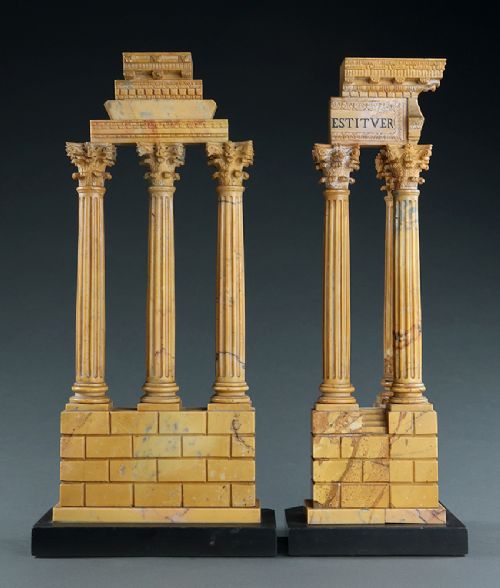
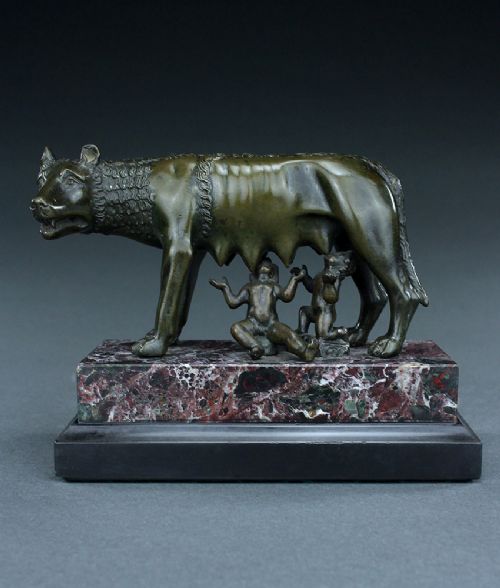
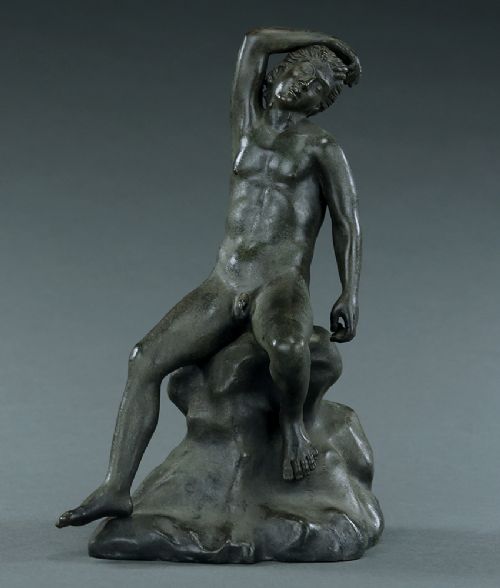
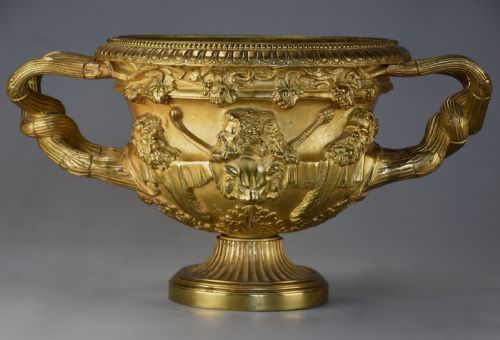
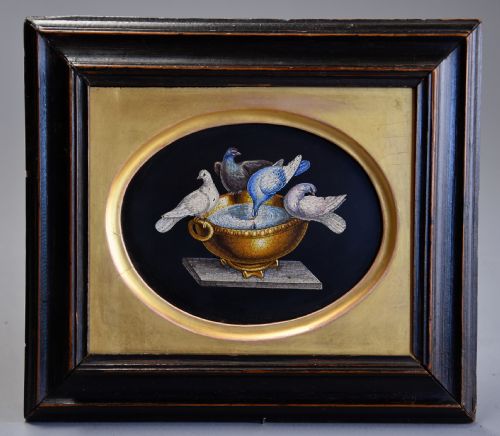
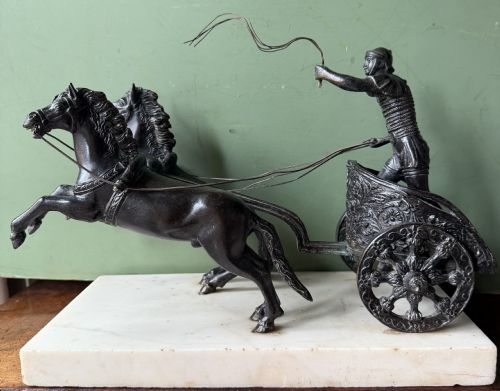
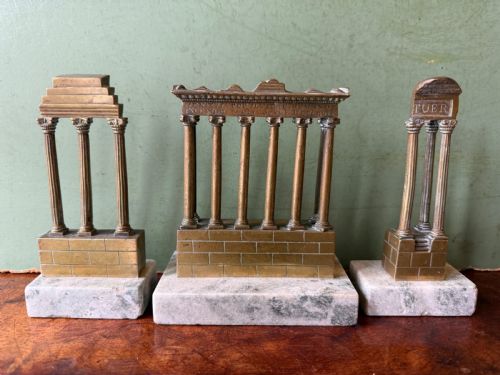
The most common iterations on this page are bronze reductions of celebrated sculptures such as the Warwick Vase, the Dancing Faun, and the Capitoline Wolf. Alongside these metal figures, one regularly finds micromosaic plaques, marble architectural models of forum temples, and watercolours depicting Pompeian interiors.
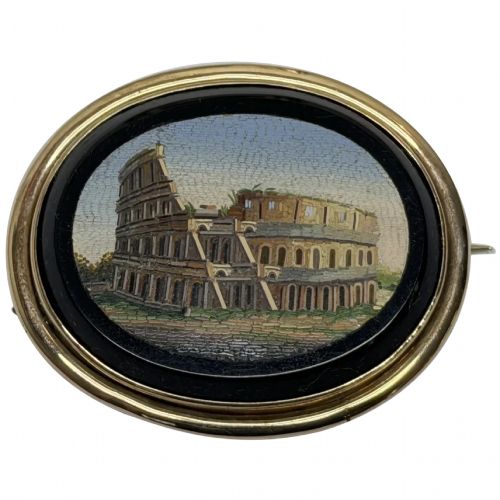
Originating predominantly from Italian workshops catering to foreign visitors, these items range from intimate brooches set with micro-mosaics to substantial bronze studies mounted on marble plinths. They served both as personal mementos of travel and as scholarly statements of classical taste for the Victorian drawing room.
How they were made
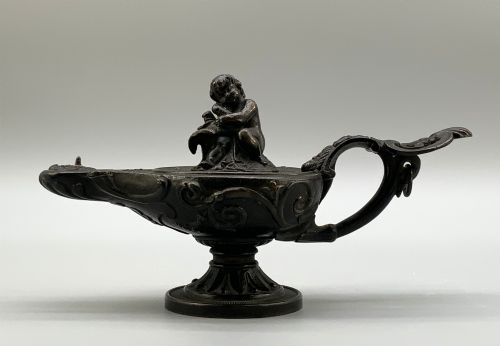
Foundry-cast bronze forms the backbone of these artefacts, utilising traditional techniques to create patinated figures and reductions after ancient statuary. Workshops applied various chemical treatments to achieve dark patinas, verdigris, or bright gilt finishes on the metal surfaces.
Carved marble and slate provided sturdy bases for bronzes and served as primary materials for architectural models, relief plaques, and decorative urns. Artisans also employed tiny glass tesserae assembled meticulously into plaster beds to compose detailed micro-mosaic scenes within ebonised frames or gold brooches.
Hypnos dozed alongside dancing fauns, waiting centuries to swap Roman temples for a Victorian mantelpiece.
What varies in quality
Precision in material selection and assembly dictates the desirability of micromosaics and marble pieces. Finer micro-mosaics use microscopic glass threads to render complex pictorial depth, while superior marble carvings demonstrate exact architectural proportions and clean veining.
Pietro Bracci
The Antique Roman Souvenirs Glossary
- Grand Tour
- The traditional journey through Europe, chiefly Italy, undertaken by upper-class young men and collectors to absorb classical art and culture. Souvenirs acquired along the way formed the core of many domestic cabinets.
- Micromosaic
- A technique utilising extraordinarily small pieces of coloured glass, known as tesserae, fused together with enamel to create intricate miniature pictures. These were frequently mounted in jewellery or decorative plaques.
- Reduction
- A scale copy of a larger sculpture, produced to allow collectors to display famous ancient monuments within domestic interiors. Bronze reductions of works like the Warwick Vase were especially popular.
- Patina
- The surface sheen or colour achieved through age, chemical treatment, or handling on metals such as bronze. Workshop patination ranged from deep black to vibrant verdigris.
- Tessera
- An individual small block of glass, stone, or ceramic used in the creation of mosaics. In nineteenth-century Italian micro-mosaics, these pieces were microscopic in scale.
Antique Roman Souvenirs: Frequently Asked Questions
What is a Grand Tour bronze?
A Grand Tour bronze is a nineteenth-century cast metal souvenir modelled after famous classical sculptures or architectural ruins discovered in Italy. Travellers collected these miniature figures to display their classical learning and travel credentials at home.
These pieces capture the precise appearance of ancient statues housed in Italian museums and archaeological sites. Foundries in Rome and Florence produced them in various sizes to suit the mantelpiece or cabinet.
Why are some bronzes marked verdigris?
Verdigris refers to the green patina deliberately applied by nineteenth-century foundries to simulate the appearance of ancient buried bronze. This chemical surface treatment mimics the natural oxidation found on archaeological artefacts recovered from the earth.
Artisans utilised different patination methods to evoke antiquity and enhance the visual texture of figures like fauns and busts. The resulting green surface became a hallmark of specific stylistic preferences within the souvenir trade.
What subjects are common in these souvenirs?
Common subjects include famous Roman sculptures, architectural models of temple ruins from the Forum, and topographical watercolours of sites like Pompeii. Figures of mythological beings, Roman emperors, and animals such as the Capitoline Wolf frequently appear.
These motifs reflected the classical curriculum and archaeological enthusiasm of the nineteenth-century collector. Every subject directly referenced well-known monuments and antiquities accessible to travellers in Italy.