



Italian Micro Mosaic
These italian micro mosaic pieces are intricate works formed of tiny glass tesserae, prized by collectors for their miniature artistic scenes.
Italian Micro Mosaic
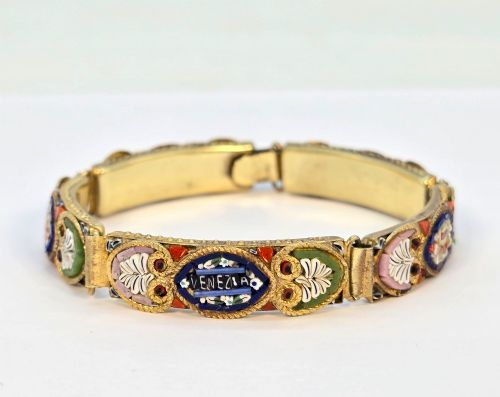
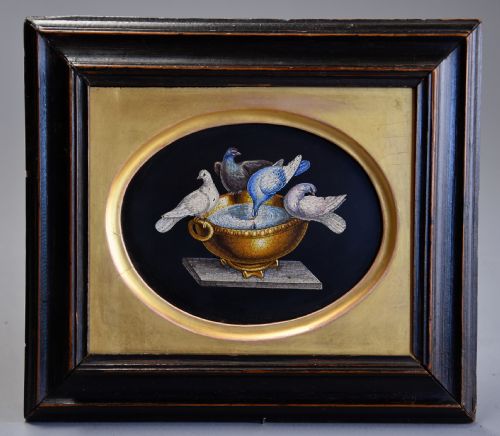
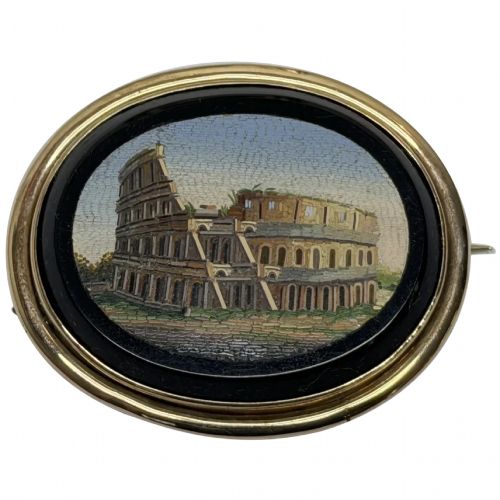
When you search for italian micro mosaic, you encounter delicate decorative objects and jewellery created as souvenirs during the nineteenth century. These items frequently capture famous views, classical ruins, and avian subjects like the Doves of Pliny.
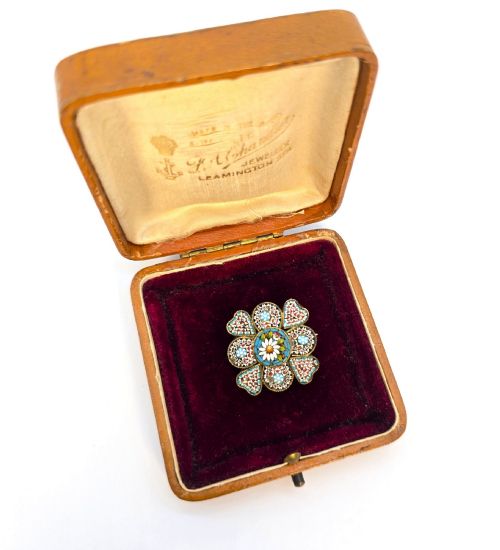
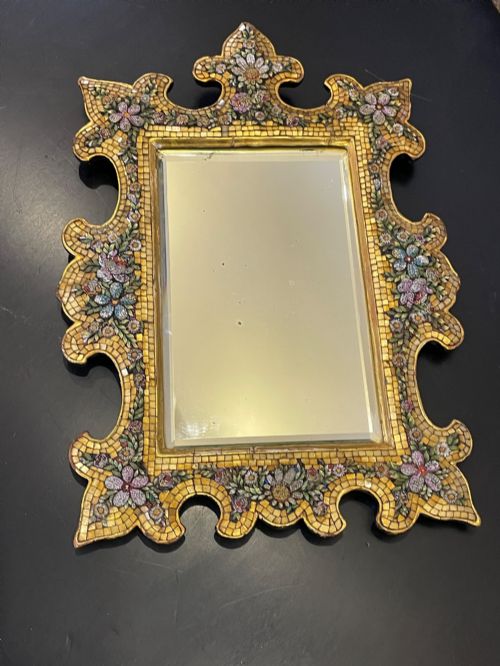
The objects on this page span several forms, appearing most commonly as brooches, plaques, and paperweights. You will also find mirrors, earrings, and chamber sticks among the selection.
The pieces emerge from specific periods including the Victorian era and the broader Grand Tour movement. They reflect the taste for classical antiquity that shaped nineteenth century travel and collecting.
How they were made
Makers constructed these works using glass tesserae, assembling thousands of microscopic coloured glass threads to form detailed pictorial scenes. These tiny elements were fused together and set into backing materials.
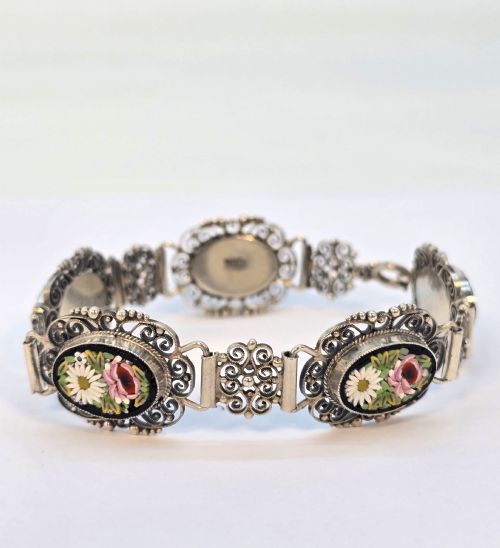
The micro mosaic panels are mounted in various supports including yellow gold, gilt metal, ebonised wood, marble, and slate. Some examples incorporate additional decorative elements such as silver filigree or cloisonné.
Italian Micro Mosaic Retail Price Guide 2026
Typical asking prices for italian micro mosaic among the pieces listed under this phrase on Sellingantiques today, from the lower quarter to the upper quarter. They describe what is for sale here now, not the wider market.
Listings feature items from the nineteenth century, including Victorian and Grand Tour examples, mounted in yellow gold, gilt metal, onyx, and ebonised wood.
What varies in quality
The fineness of the tesserae work determines the visual clarity and detail of the miniature image. Pieces with denser placement and subtler colour transitions demonstrate greater skill on the part of the maker.
The quality of the surrounding mount, whether gold, marble, or carved wood, matches the precision of the mosaic insert. Superior examples show a harmonious integration between the central micro mosaic panel and its supporting frame.
The Italian Micro Mosaic Glossary
- Tesserae
- Small blocks of coloured glass used to form a mosaic. These microscopic elements are the fundamental building blocks of every micro mosaic scene.
- Grand Tour
- A traditional trip of Europe undertaken by upper class European young men of sufficient means. This cultural journey generated a demand for souvenir plaques and jewellery.
- Filigree
- Ornamental work of fine wire formed into delicate tracery. This technique appears alongside mosaic panels in some pieces.
- Cartouche
- An oval or oblong frame enclosing a design or inscription. Several paperweights and plaques utilise this distinct shape for their central panels.
Italian Micro Mosaic: Frequently Asked Questions
What are micro mosaics made of?
These pieces are composed of microscopic glass threads known as tesserae. Artisans arranged these tiny glass elements to create pictorial scenes.
The mosaic panels are then set into various mountings including yellow gold, marble, slate, and ebonised wood.
When were these items made?
The available pieces date primarily from the nineteenth century. This era encompasses the Victorian period and the height of the Grand Tour.
Travellers collected these souvenir items in Italy as tangible memories of their journeys to classical sites.
How were micro mosaics used?
Many examples served as personal ornamentation such as brooches, earrings, and bracelets. These wearable pieces allowed owners to display miniature art on their attire.
Other items functioned as desk accessories and decorative objects, including paperweights, plaques, mirrors, and chamber sticks.
What subjects appear on them?
Popular motifs include famous architectural landmarks such as the Roman Colosseum. Classical subjects and avian themes, notably the Doves of Pliny, also feature prominently.
Venetian and wider Italian scenes reflect the locations visited by nineteenth century travellers.