


Victorian Gold Wall Mirror
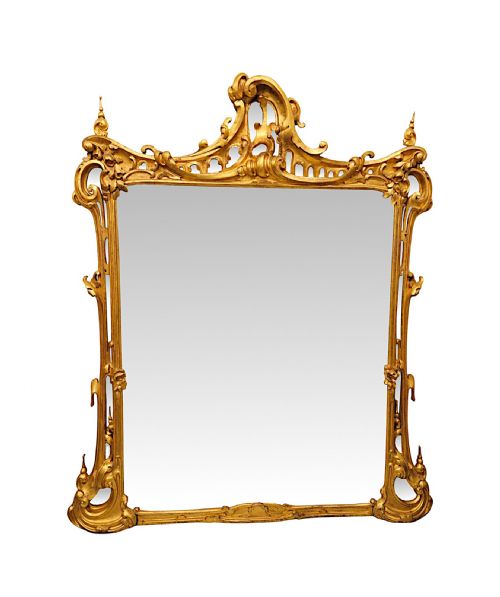
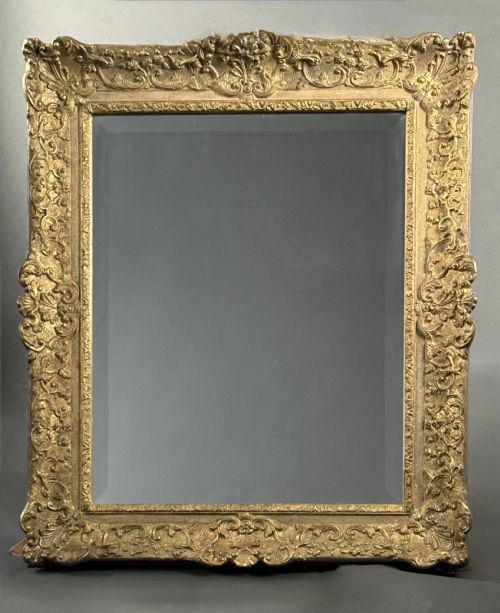
A victorian gold wall mirror brings immediate scale, light and architectural weight to a room through deep gilding and carved detail.
Victorian Gold Wall Mirror
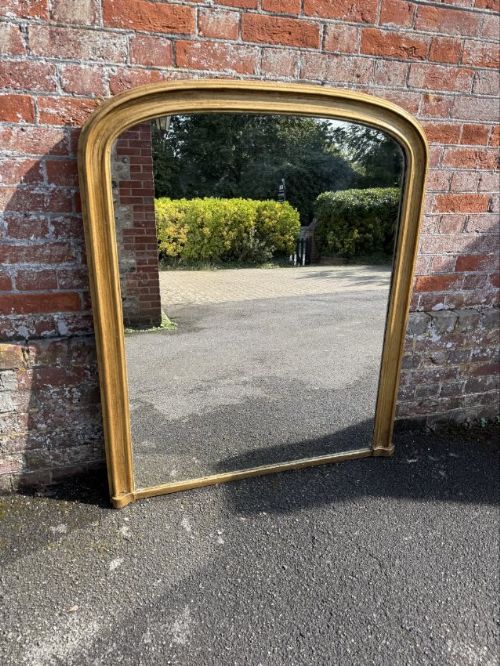
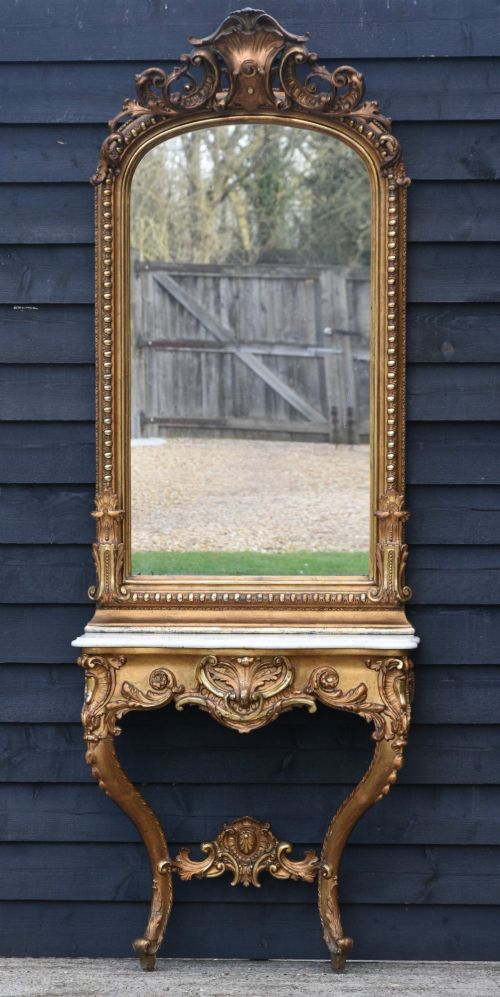
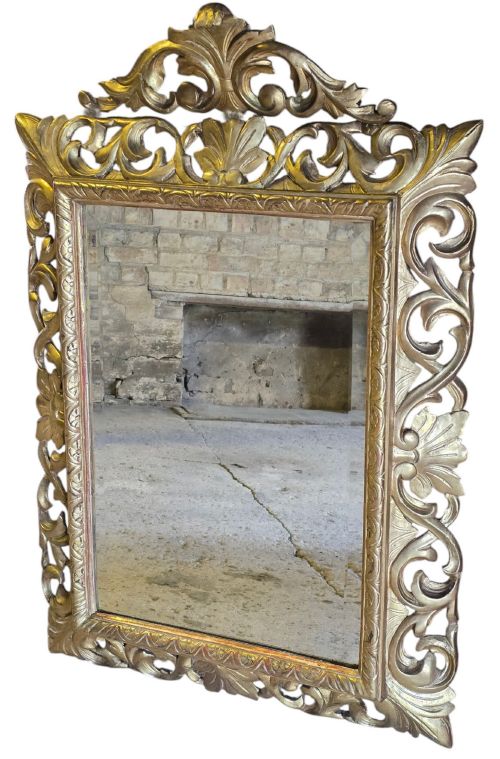
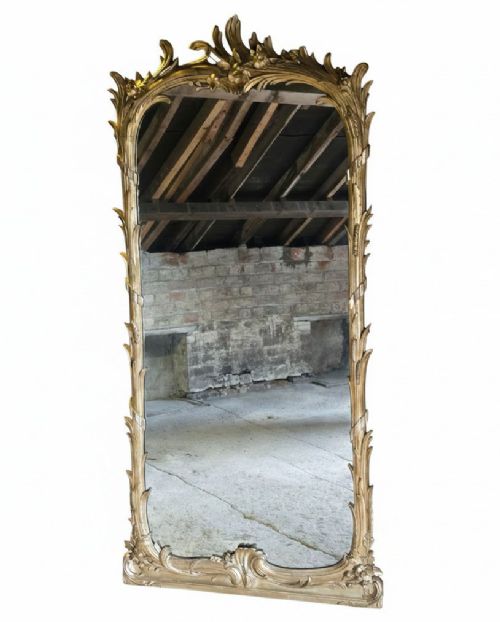
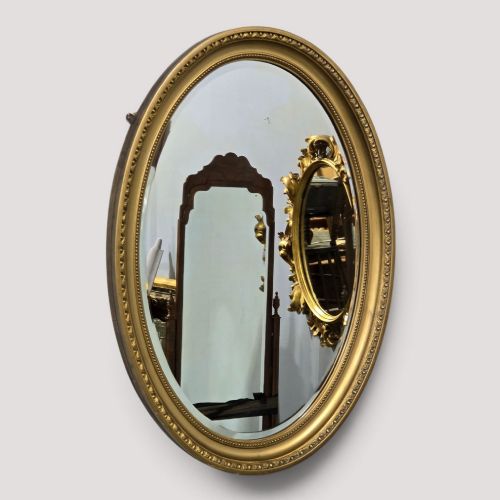
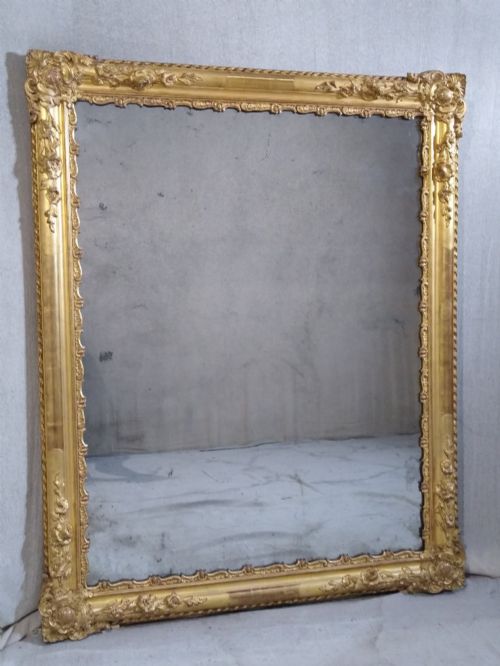
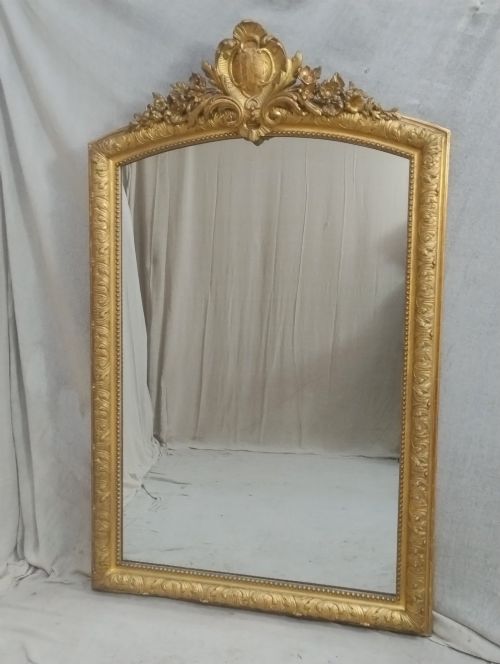
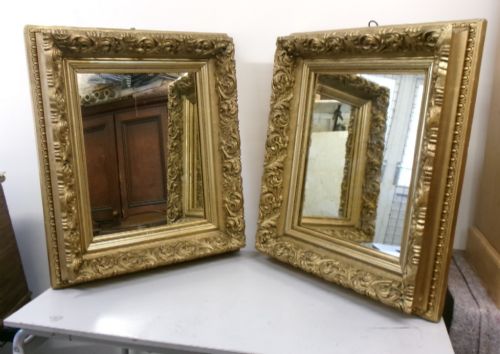
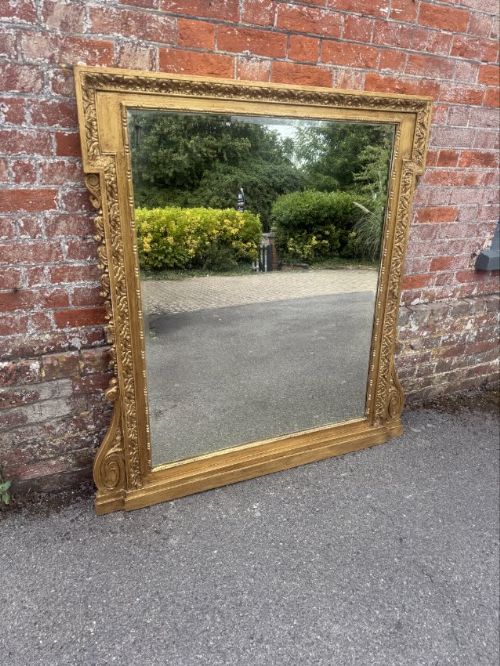
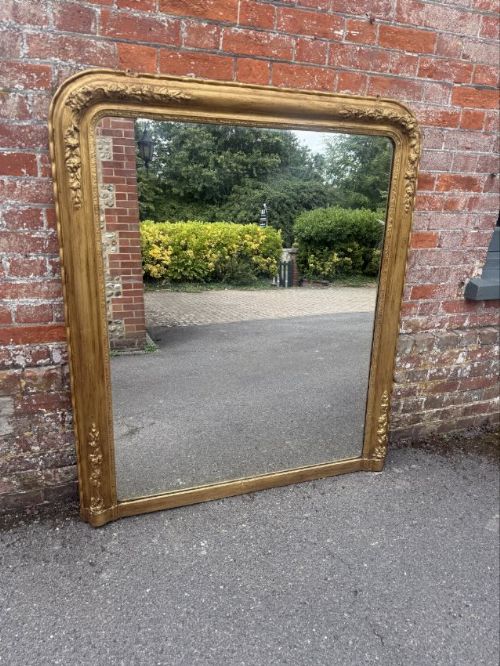
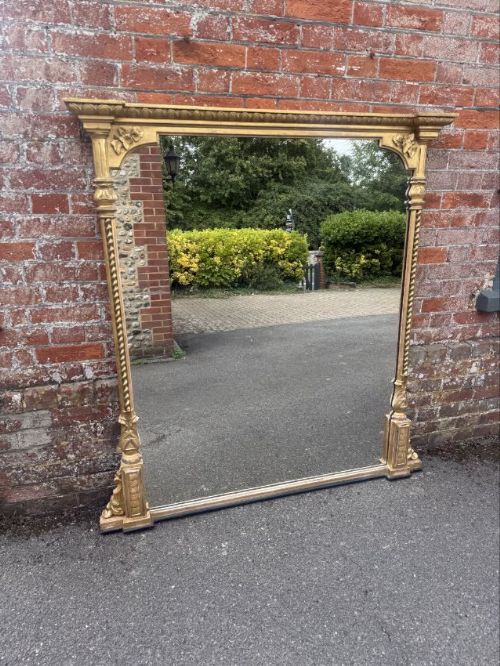
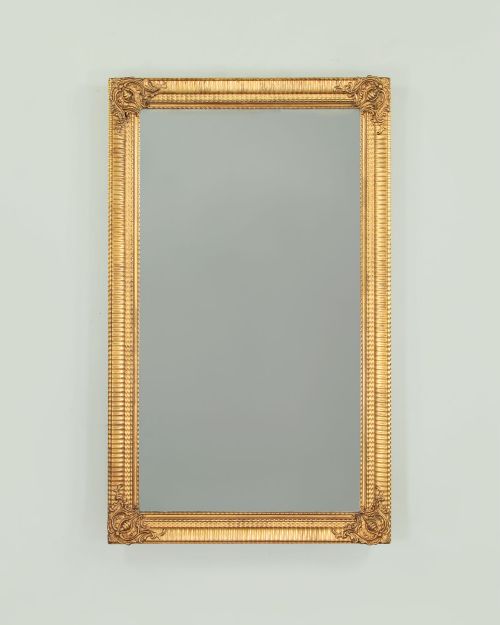
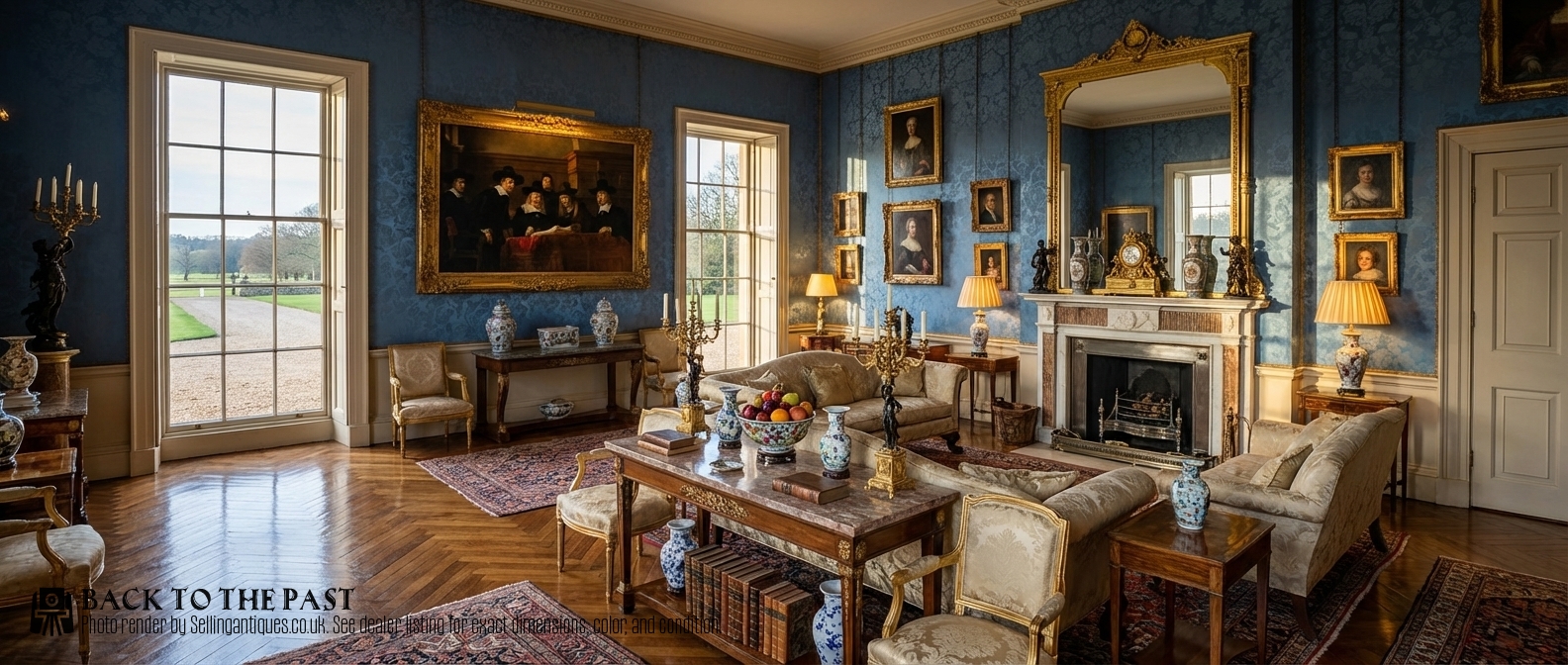
A victorian gold wall mirror encompasses substantial overmantel pieces, tall pier glasses and smaller wall-hung formats designed to reflect light across a Victorian interior. The pieces seen here span English and French workshops, utilising arched, shaped or rectangular timber frames built to command a chimney breast or hallway.
Overmantel mirrors dominate the selection, shaped specifically to sit above a fireplace with arched or crested tops, while console tables and pier glasses pair with matching frames. These large formats often reach impressive heights, requiring solid wall anchorage and dominating the domestic space they occupy.
Materials and construction methods
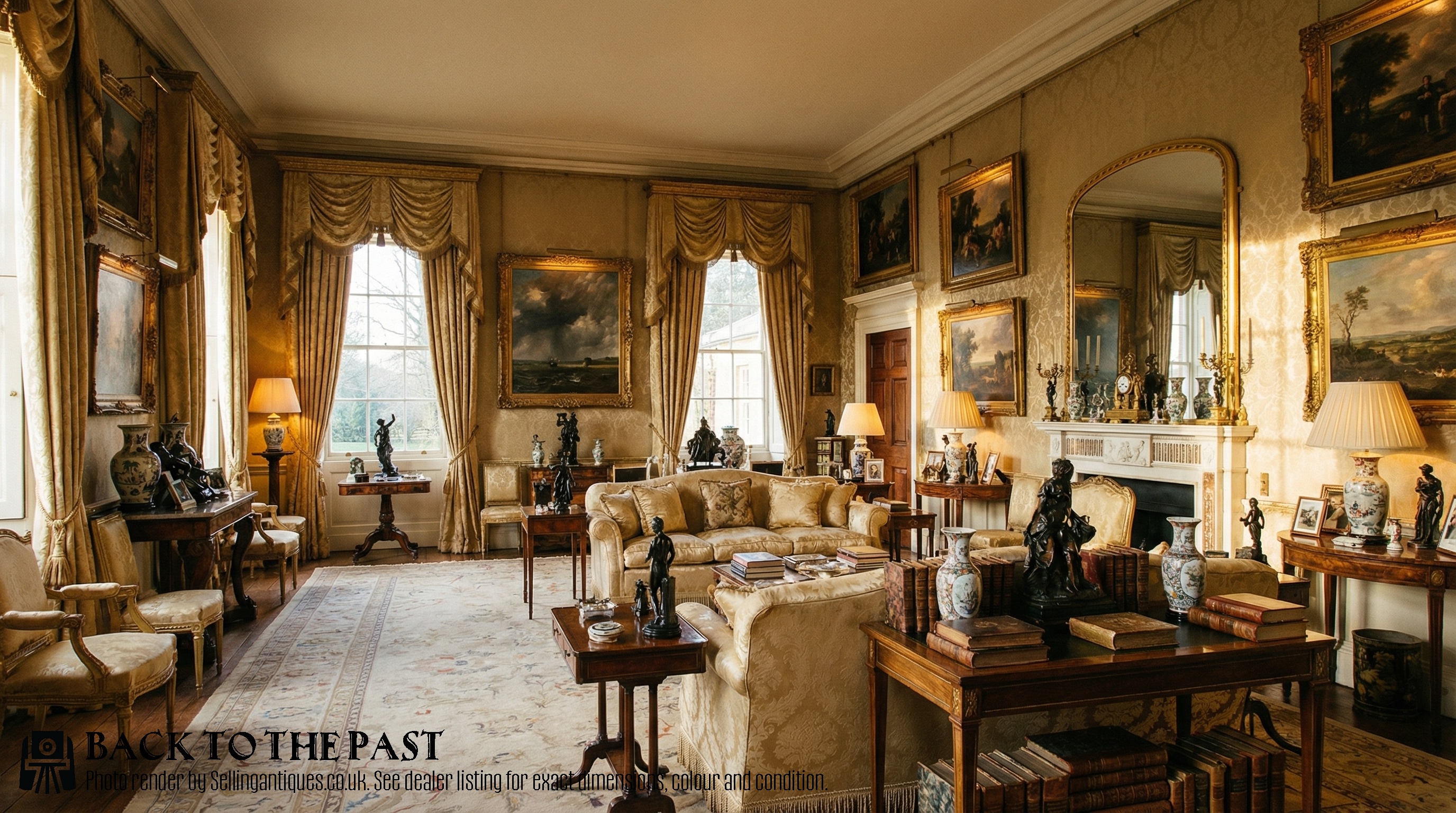
Makers constructed the structural frames from carved wood, timber or plaster, frequently applying a layer of gesso to create crisp, ornate surface relief before gilding. This mixture allowed artisans to carve intricate acanthus leaves, rope twists and ribbed details that took gold leaf or paint evenly.
Mirrored glass plates, sometimes bevelled or showing the gentle imperfections of age, sit within these heavy giltwood and composition surrounds. The application of gold leaf or surface gilding gives the pieces their characteristic warmth, protected by the dense wooden backing and heavy framing.
Victorian Gold Wall Mirror Retail Price Guide 2026
Typical asking prices for victorian gold wall mirror among the pieces listed under this phrase on Sellingantiques today, from the lower quarter to the upper quarter. They describe what is for sale here now, not the wider market.
Listings feature 19th-century periods spanning from the 1850s through to 1900, with materials including gesso, giltwood, composition and mirror glass.
Assessing quality in antique mirrors
Quality rests in the crispness of the hand-carved wood and the depth of the gesso ornament, where sharper botanical motifs and balanced proportions separate ambitious commissions from simpler utilitarian frames. Heavy timber construction and original mercury or early silvered glass plates add substantive weight and historical integrity.
The sophistication of the stylistic revival, whether Rococo, French Chateau or Chinese Chippendale, dictates the refinement of the piece. Intact original gilding showing natural patination rather than later repainting holds greater integrity for the collector.
The Victorian Gold Wall Mirror Glossary
- Gesso
- A plaster-like mixture applied to wood frames to provide a smooth, carvable surface for gilding. Artisans built up layers of this substance to create high-relief ornamentation before applying gold leaf.
- Giltwood
- Timber that has been coated with gold leaf or gold paint. This material forms the primary visual surface of nineteenth-century decorative frames.
- Overmantel mirror
- A large mirror specifically proportioned to hang on the wall directly above a fireplace mantelpiece. These pieces frequently feature arched or crested tops to match architectural cornices.
- Pier glass
- A tall mirror designed to be hung on the pier, the solid section of wall between two windows. They often coordinate with console tables placed directly beneath them.
- Composition
- A moulded mixture of whiting, linseed oil, resin and glue pressed into decorative ornaments. Makers used this material as a faster alternative to hand-carving repetitive scrollwork.
Victorian Gold Wall Mirror: Frequently Asked Questions
How do I hang a heavy mirror safely?
These substantial gilt frames require professional wall fixings secured directly into brickwork or heavy wall studs to support the immense weight safely.
Due to the massive dimensions typical of overmantel mirrors, weight distribution across multiple secure mounting points prevents frame distortion and protects the wall structure.
What is the difference between an overmantel and a wall mirror?
Overmantel mirrors are specifically engineered in scale and horizontal or arched proportion to anchor the visual space directly above a fireplace mantel.
Standard wall mirrors lack this architectural pairing requirement and are scaled for general room placement across flat wall surfaces.
How do I clean antique gilt frames?
Dusting the carved wooden and gesso surfaces gently with a soft, dry brush prevents the accumulation of grime without disturbing delicate gold leaf layers.
Liquid cleaners and aggressive wiping must be avoided entirely, as moisture strips historic gilding and damages the underlying composition ornament.
Can I lean these mirrors instead of hanging them?
Many large nineteenth-century formats function effectively as leaner mirrors, resting securely against a wall to create an expansive sense of depth in a room.
When utilised in this manner, additional floor anchors or discreet wall tethers remain essential to prevent accidental tipping.