

Victorian Glass Wine Glasses
Victorian glass wine glasses bring nineteenth-century colour and weight to the modern table.
Victorian Glass Wine Glasses
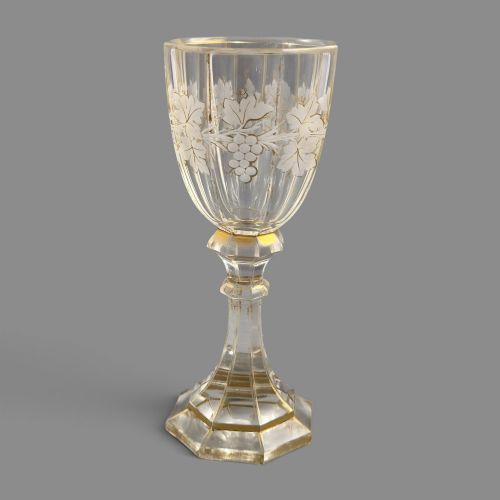
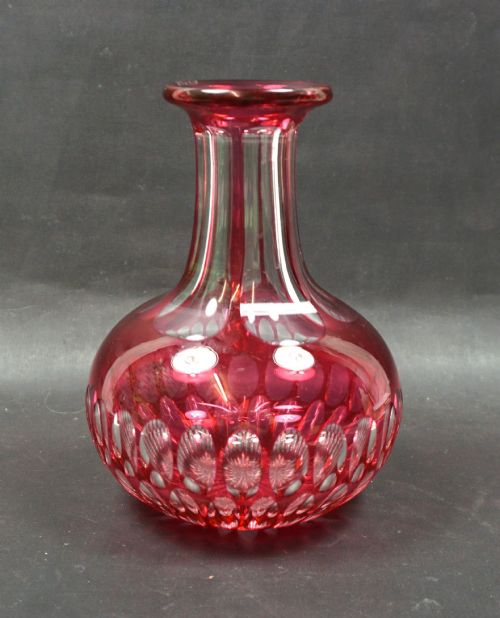
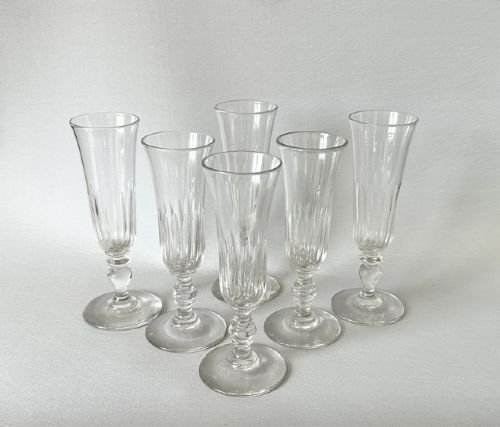
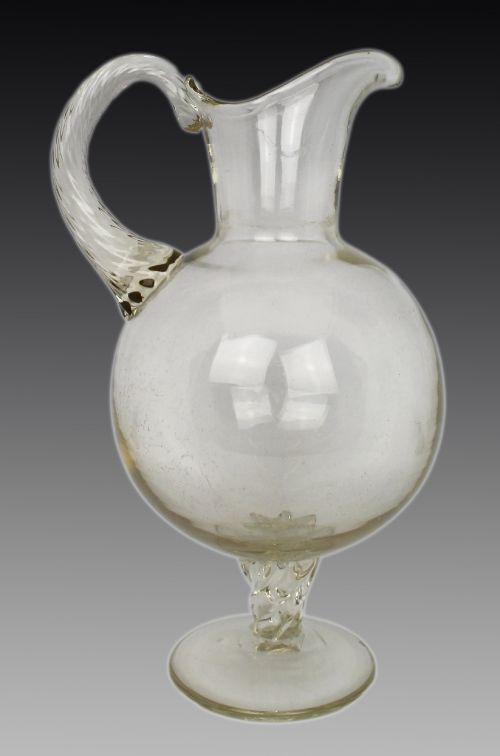
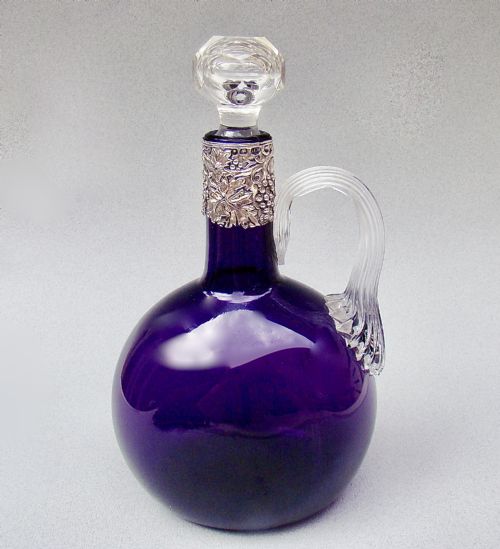
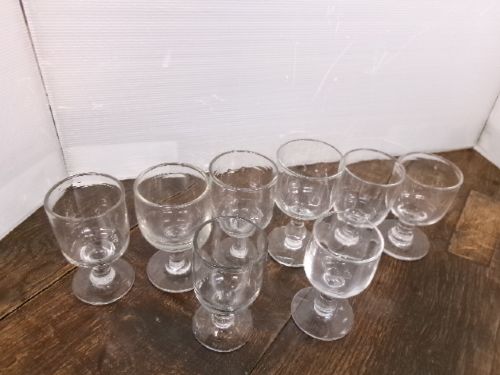
Victorian glass wine glasses encompass matched sets, pairs and individual stems produced across the nineteenth century. The examples met most frequently on this page feature coloured bowls in shades of green, cranberry and amber alongside clear cut glass.
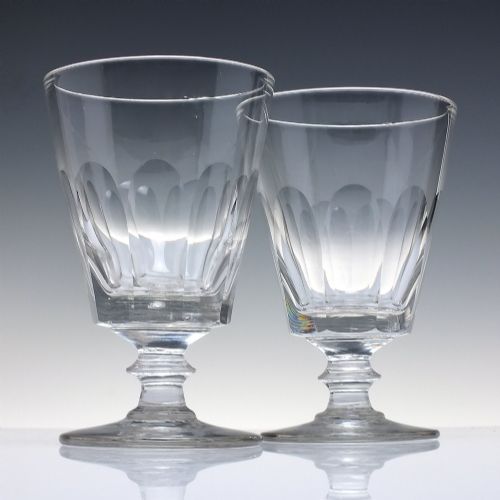
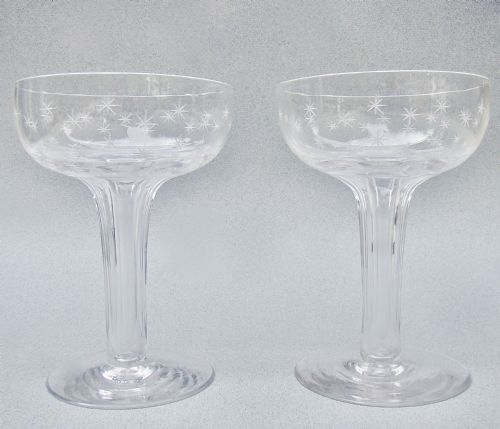
Makers produced these stems for everyday dining and formal hospitality, utilising varied forms from bucket bowls to knopped stems. Buyers encounter both plain vessels and pieces decorated with wheel engraving, star etching and gilding.
The selection extends from mid-century productions to late Victorian tablewares, often found as matched sets of six or eight pieces. These glasses reflect the diverse glassmaking traditions of English, Bohemian and continental workshops.
Materials and Techniques
Makers relied primarily on lead crystal and glass, shaping molten material through hand-blowing into moulds or free-blowing by skilled gaffers. Coloured glass required specific metallic oxides added to the batch, producing deep cranberry, cobalt blue and green hues.
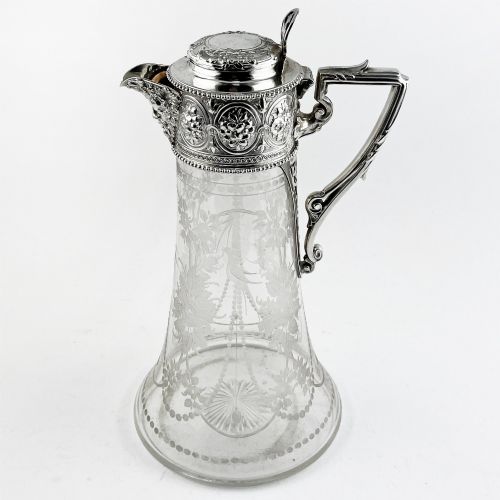
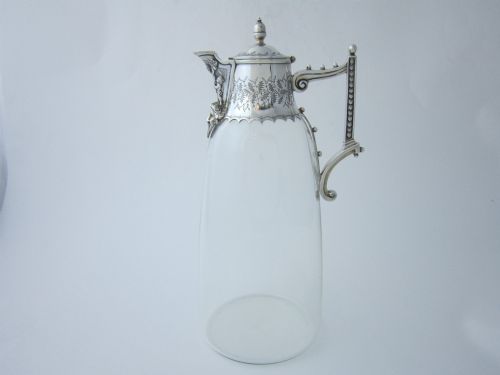
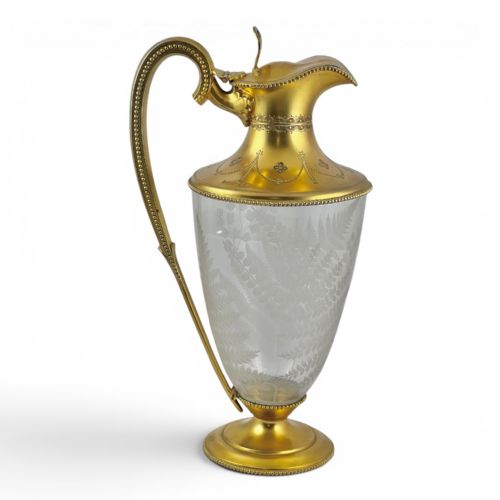
Artisans decorated cooled vessels using cutting wheels, engraving tools and enamel painting. Many pieces incorporated sterling silver or silver-plated mounts, secured around the rims and bases by specialist silversmiths.
The listings feature glass items from the Victorian period alongside Georgian, William IV, Edwardian and Arts and Crafts examples.
Quality and Craftsmanship
Superior pieces display crisp, deep wheel cutting and balanced proportions in the stem and foot. The clarity of the metal and the precision of hand-etched motifs distinguish finer workshop output from simpler utilitarian items.
The weight and resonance of the lead crystal indicate the material composition. Intricate gilding and enamel work that remains crisp and unrubbed signify careful preservation and higher original production standards.
Asprey and Co. Ltd·Henry Matthews·Moser·Stevens and Williams
The Victorian Glass Wine Glasses Glossary
- Cranberry glass
- A transparent pinkish-red glass coloured by the addition of gold chloride to the molten batch. This distinctive tone appeared frequently in nineteenth-century tabletop stemware and decanters.
- Rummer
- A large, heavy-stemmed glass traditionally used for ale, wine or punch. These vessels typically possess sturdy bucket bowls and thick feet.
- Lead crystal
- Glass containing a high proportion of lead oxide, which increases the weight, refractive index and acoustic resonance of the material. It provides the ideal medium for deep brilliant cutting.
- Nailsea glass
- Glassware originating from the Nailsea glassworks near Bristol, recognised by looped or feathered opaque white patterns trailing across a coloured ground.
- Knopped stem
- A drinking glass stem featuring one or more bulbous decorative enlargements or knots. This traditional formation adds grip and visual weight to the profile.
Victorian Glass Wine Glasses: Frequently Asked Questions
Can I use antique wine glasses daily?
These nineteenth-century pieces were made for dining and handle regular use well when treated with proper care. Hand washing in warm water keeps the glass and any gilding secure.
Avoid thermal shock by keeping water temperatures moderate. Storing them safely in a dedicated cabinet prevents rim chips.
How do I identify cranberry glass?
Cranberry glass displays a distinct translucent pinkish-red tone resulting from gold oxide in the melt. The depth of colour varies across different nineteenth-century workshops.
Under light, the glass shows a warm, consistent hue without grey undertones. Matching pieces in a set often exhibit slight tonal variations due to hand-batching.
Why are some stems coloured?
Coloured bowls became immensely popular during the Victorian period to enliven formal dining tables. Makers added metallic oxides like cobalt, copper and gold to create blues, greens and reds.
These hues helped distinguish different wine vintages during long courses. Coloured bowls were often paired with clear cut stems or matching solid colour.
What is a rummer?
A rummer is a capacious, heavy drinking vessel designed for robust table use during the eighteenth and nineteenth centuries. They feature thick stems and solid feet to withstand hearty toasts.
While often grouped with wine glasses, rummers possess significantly larger bowls. They served multiple purposes including wine, ale and punch consumption.
How were star-etched motifs applied?
Star motifs were pressed or wheel-cut onto the surface of the glass by skilled lapidaries. Small rotating abrasive wheels carved the characteristic points into the cooled material.
Hand-cutting leaves subtle variations and a tactile depth absent in modern acid etching. This technique highlighted the brilliance of lead crystal tablewares.