

Antique English Wine Glasses
These antique English wine glasses carry centuries of social history in clear, lead, and coloured glass.
Antique English Wine Glasses
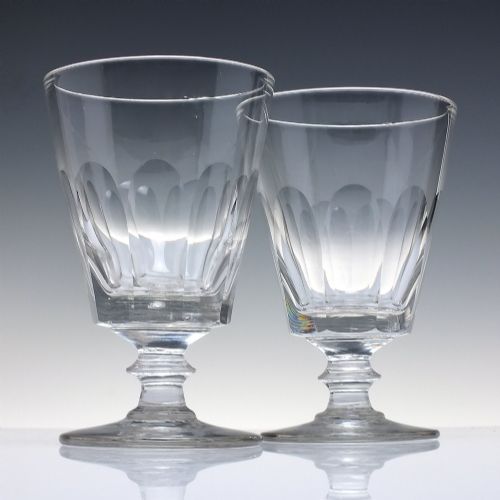
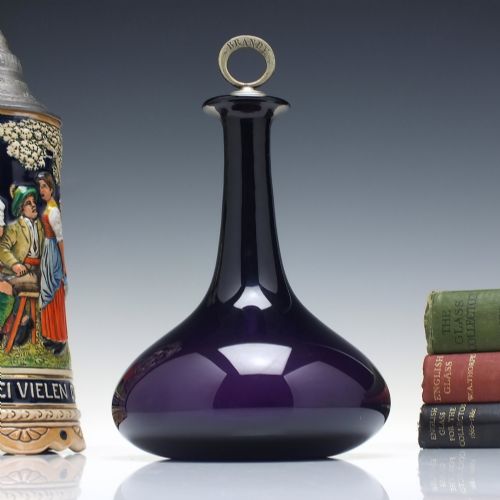
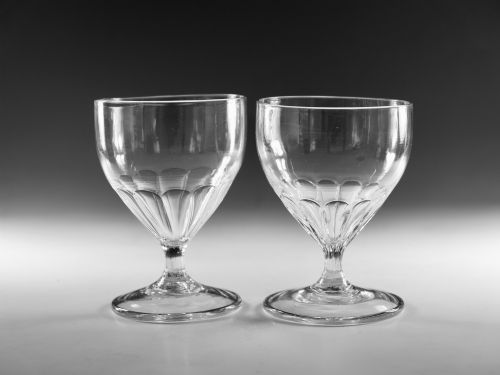
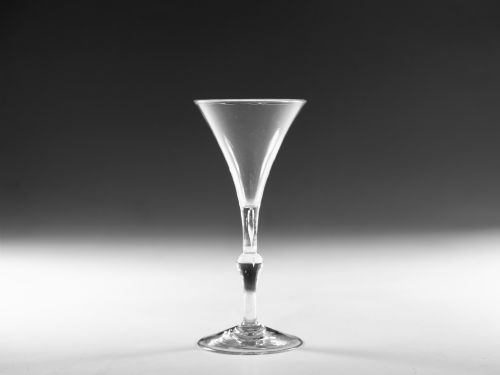
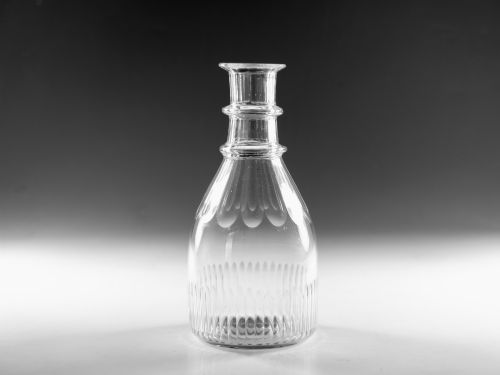
When searching for antique English wine glasses, collectors encounter vessels spanning the eighteenth, nineteenth, and early twentieth centuries. The selection ranges from slender drinking vessels with twisted stems to sturdy rummers and decanters.
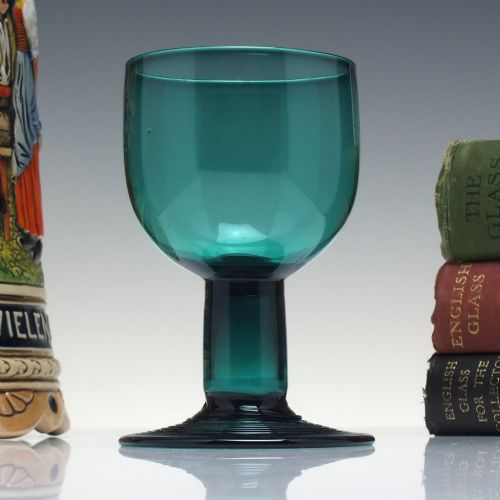
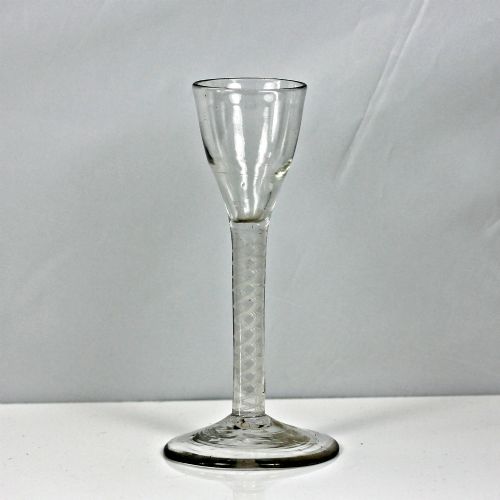
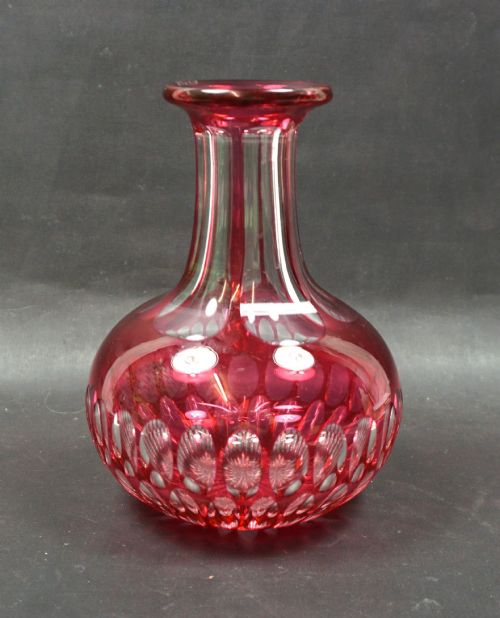
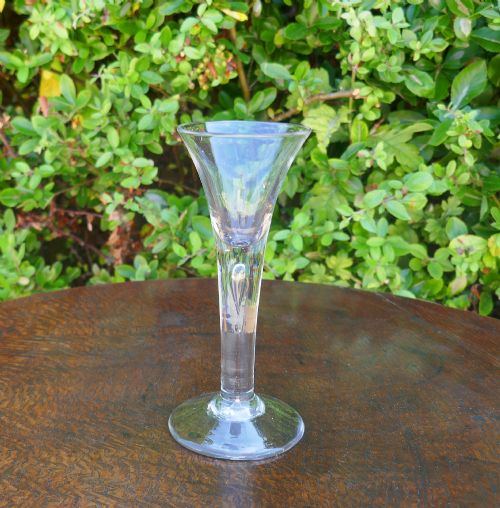
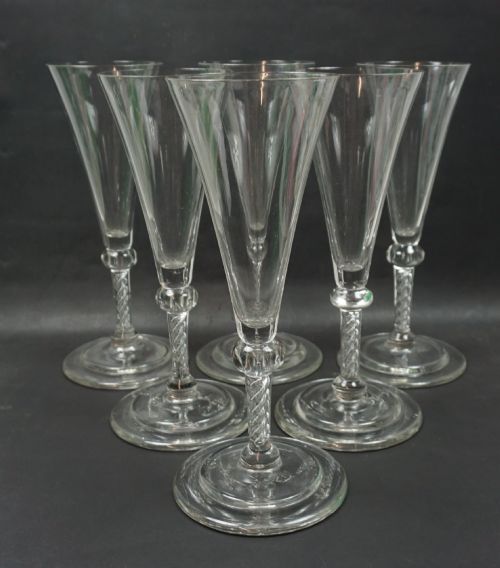
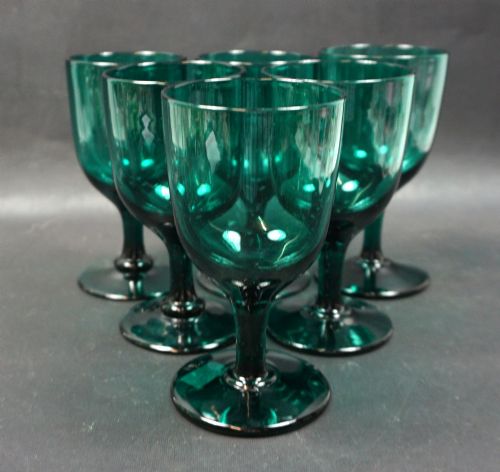
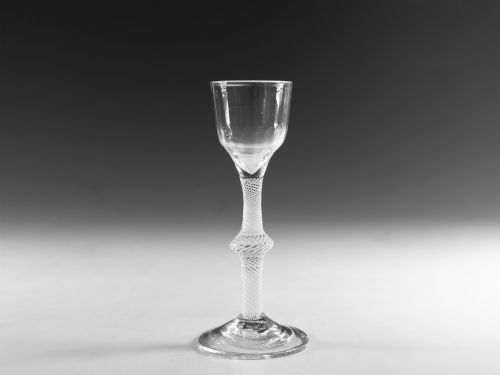
The eighteenth-century examples frequently display air twists or opaque white enamel threads drawn through the stem. Later nineteenth-century versions introduce vibrant hues like cranberry, green, and amethyst into sets of matching glassware.
How they were made
Craftsmen shaped these objects using lead glass, lead crystal, and plain glass blown into moulds or manipulated by hand. Flint glass and coloured variants such as cranberry and turquoise demonstrate the distinct chemical additives utilised by period glasshouses.
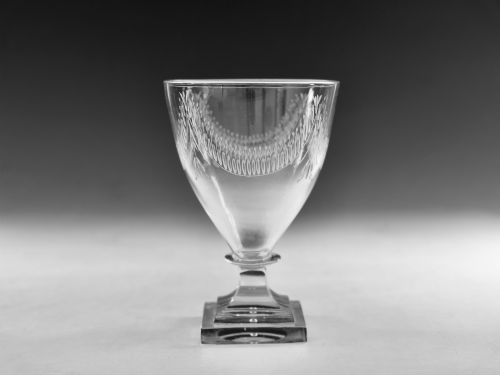
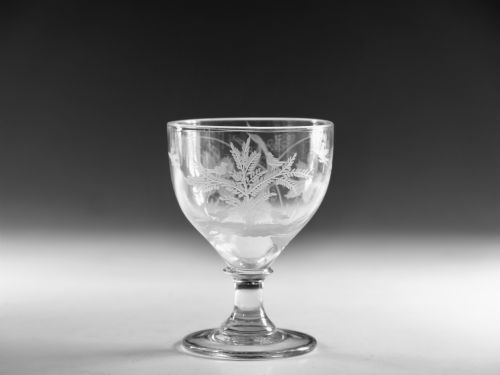
Stems were often drawn separately or formed with complex internal spirals of air or enamel, whilst bowls were finished with wheel engraving, rib moulding, or folded feet for stability.
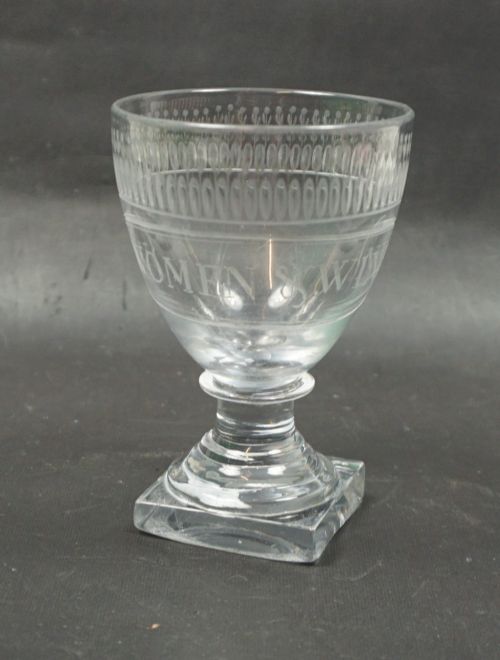
One surviving eighteenth-century rummer bears the cheerful, rebellious engraving 'Women & Wine'.
What varies in quality
Quality rests upon the clarity of the metal and the precision of the optical effects within the stem. Pieces featuring complex multi-spiral twists or balanced proportions demand greater technical mastery from the glassblower.
The Antique English Wine Glasses Glossary
- Air twist
- A stem containing elongated threads of trapped air twisted into a spiral pattern. This optical effect is achieved during the drawing of the glass rod.
- Opaque twist
- A stem containing white enamel glass rods drawn into spiral or series patterns. It represents a hallmark of mid-eighteenth-century English glass manufacture.
- Rummer
- A heavy, large-bowled drinking glass developed for wines, ales, and punch. These pieces typically feature short stems and rounded or bucket bowls.
- Knop
- A decorative swelling or knob on the stem of a glass. It provides both a tactile grip and a structural accent.
- Folded foot
- A base edge turned underneath to form a protective rim. This technique adds weight and strength to the base of early drinking vessels.
Antique English Wine Glasses: Frequently Asked Questions
How do I date an old wine glass?
Dating relies on combining the bowl form, stem construction, and foot shape with known stylistic periods. Eighteenth-century pieces often feature drawn stems and folded feet, whereas Victorian items lean towards heavier, moulded designs.
Changes in glass chemistry, such as the introduction of lead crystal, also help narrow down the decade of manufacture when compared against dated examples.
What is an air twist stem?
An air twist is a decorative stem containing spiralling threads of air trapped inside the glass. Makers created these by introducing air bubbles into hot metal before pulling and twisting the stem.
This technique required immense skill to maintain even thickness and clarity throughout the finished drinking vessel.
Were these glasses used daily?
Many of these vessels served practical roles at dining tables for wine, ale, and spirits. Sturdier forms like rummers handled robust daily toasts, whilst delicate twist stems suited formal gatherings.
Over time, changing social habits and dining customs shifted these functional items into display collections.