

Victorian Glass Mirror
A victorian glass mirror brings nineteenth-century craftsmanship into a room, offering functional reflection alongside heavy carved frames and antique glass plates.
Victorian Glass Mirror
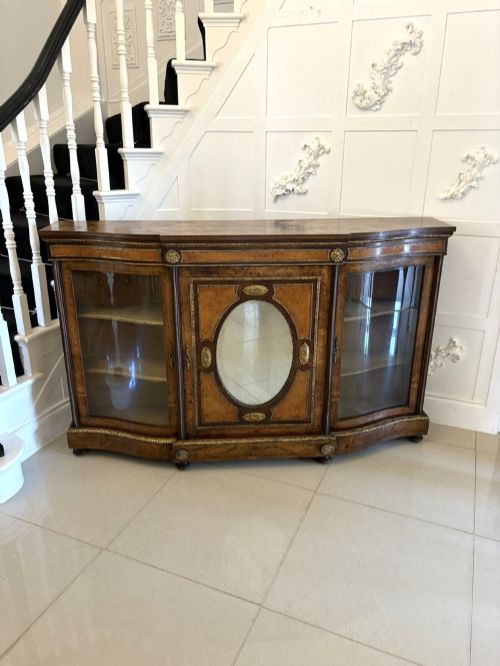
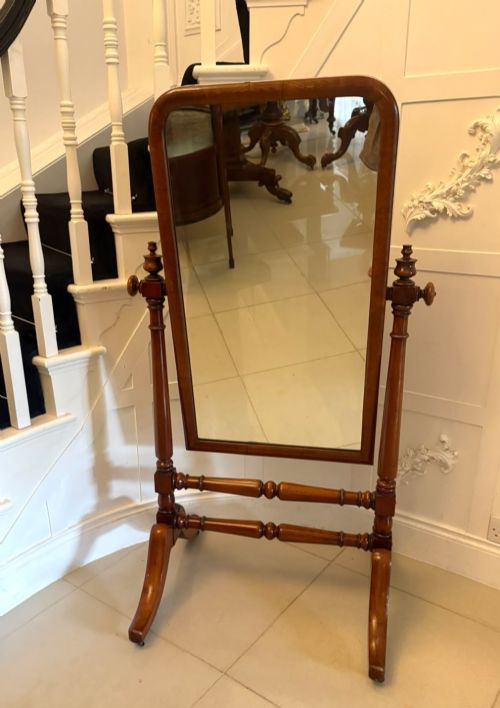
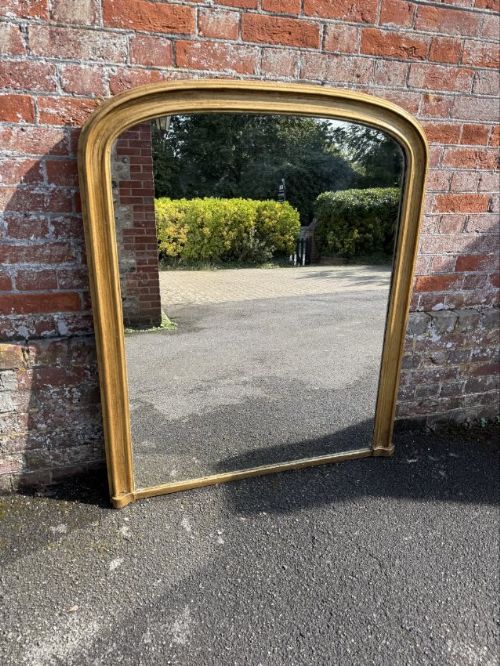
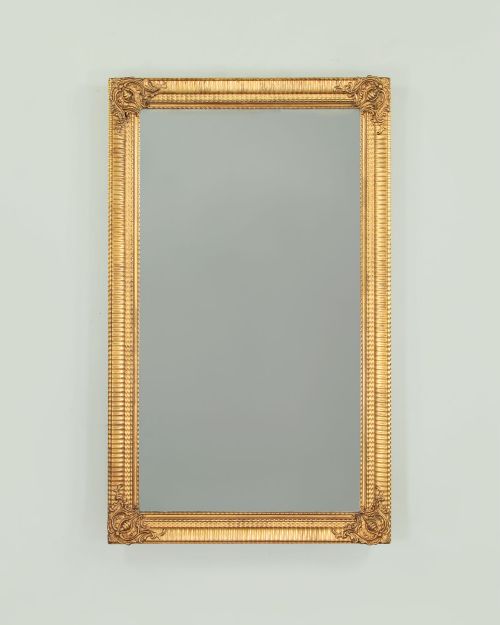
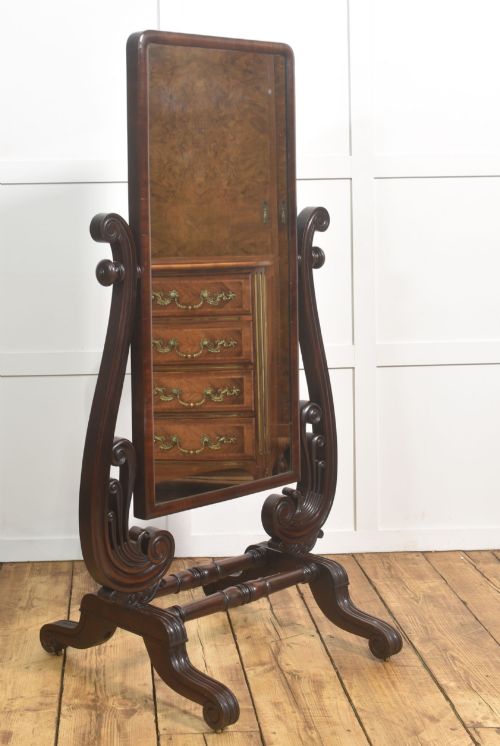
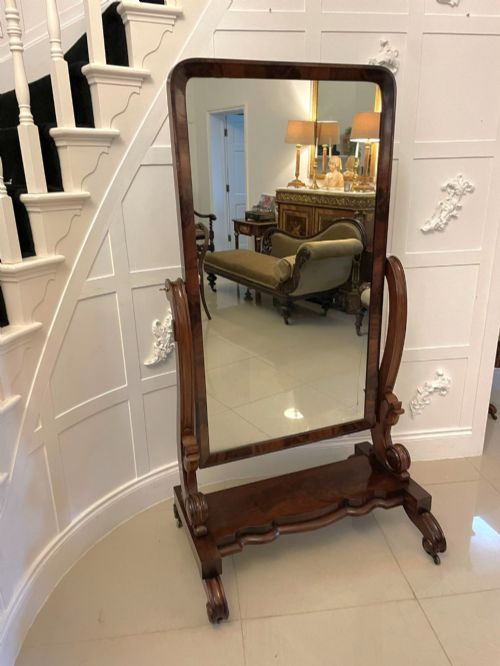
When searching for a victorian glass mirror, a buyer encounters wall-hanging frames, large overmantels designed for chimneypieces, floor-standing cheval mirrors, and smaller dressing table examples. These pieces originate primarily from British and French workshops active during the nineteenth century.
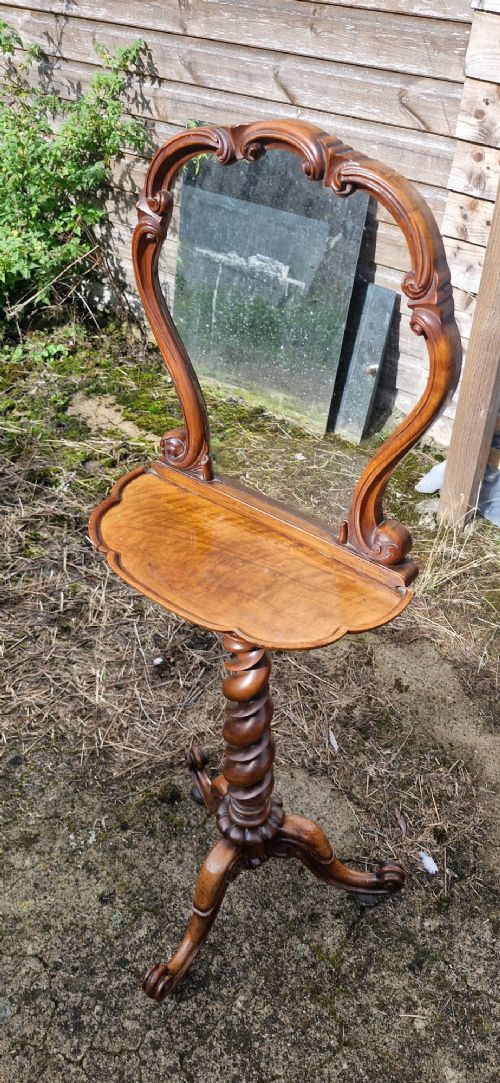
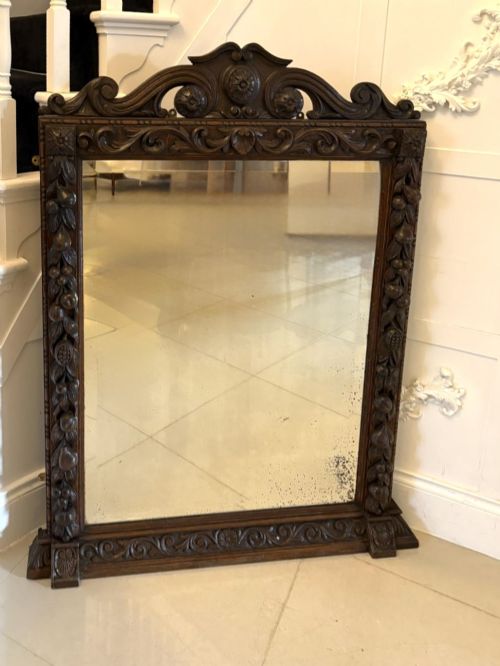
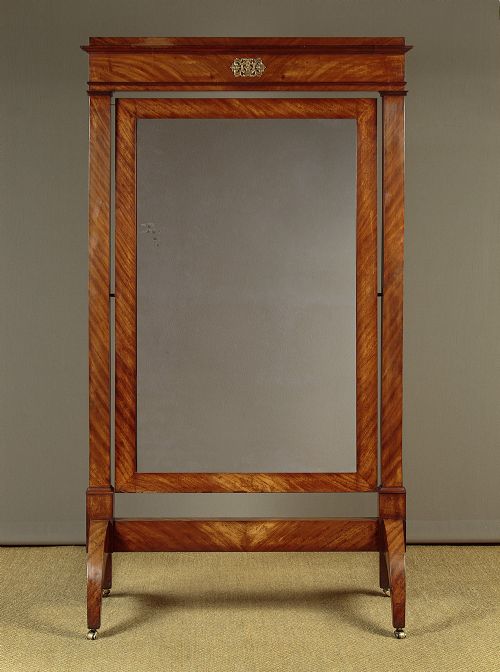
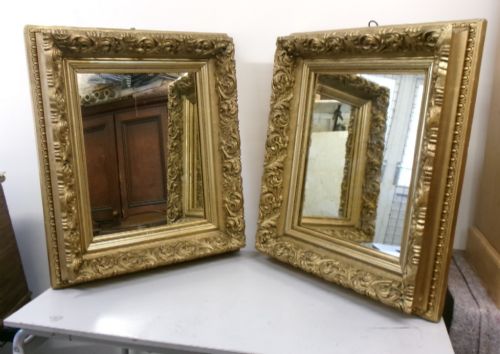
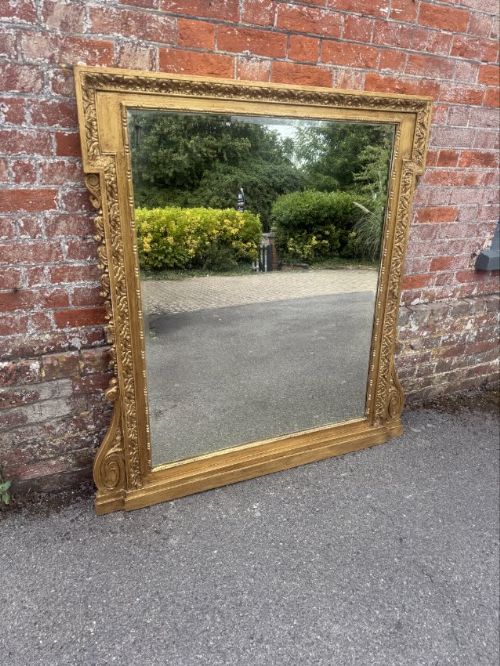
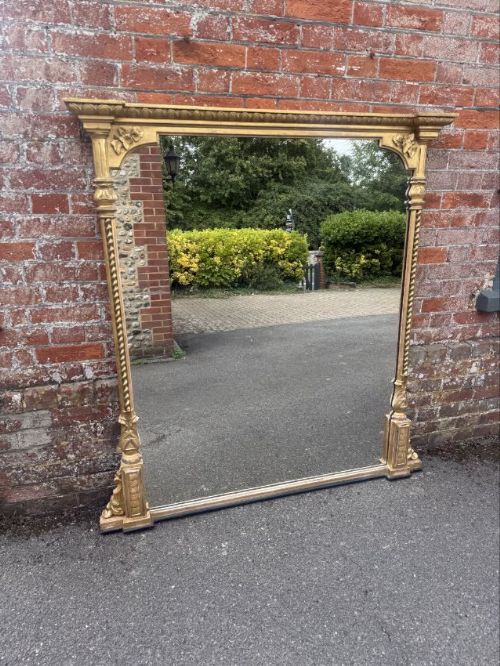
The most common formats on this page include gilded overmantels with arched tops, rectangular mahogany cheval stands, and carved oak or walnut wall mirrors reflecting the aesthetic tastes of the period.
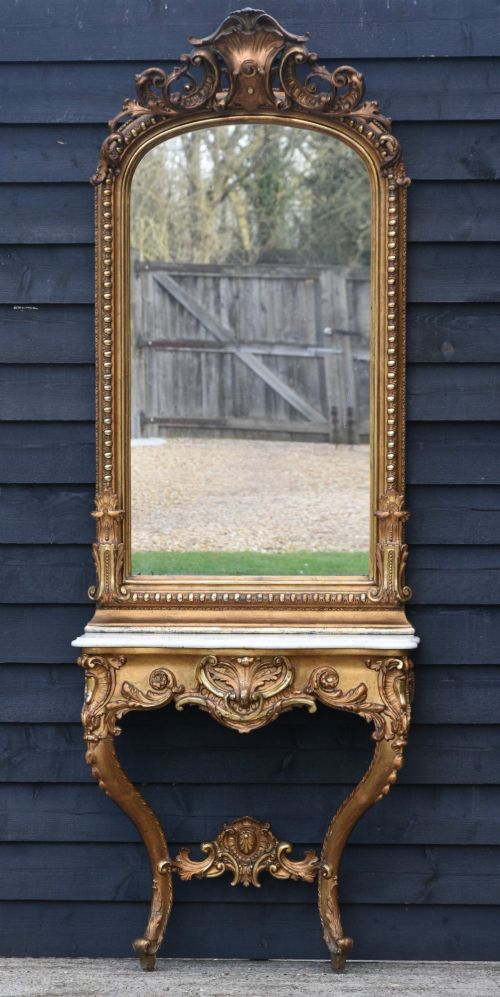
Makers and manufacturers utilised various regional styles, ranging from English gesso work to French rococo revival framing, ensuring a diverse selection of domestic furnishings.
Materials and Construction
Frames rely heavily on solid timbers such as mahogany, oak, walnut, and satin birch, alongside carved wood and applied gesso finished with gold leaf or paint.
Mirror plates consist of standard float glass or heavier bevelled glass, frequently displaying original foxing, oxidation, and surface age developed over more than a century.
Joinery methods include traditional pegging and framing techniques suited to supporting heavy glass panels within elaborate architectural and decorative surrounds.
Evaluating the Pieces
The standard of carving and the depth of the gesso ornamentation determine the visual impact of the frame, distinguishing mass-produced items from deeply undercut, hand-carved pieces.
The originality of the mirror plate and the presence of natural foxing or bevelling contribute significantly to the historical integrity and character of the object.
The structural stability of the timber frame, particularly in floor-standing cheval mirrors and heavy overmantels, dictates how well the piece has survived decades of use.
Heal & Sons
The Victorian Glass Mirror Glossary
- Gesso
- A plaster-like mixture applied to wood frames before gilding or painting. It allows craftsmen to model intricate low-relief decorative motifs.
- Overmantel mirror
- A large horizontal mirror specifically scaled to hang above a fireplace mantelpiece. These pieces often feature arched tops and elaborate crestings.
- Cheval mirror
- A full-length dressing mirror suspended on a vertical frame with pivoting pivots. They allow the glass to tilt to various angles.
- Foxing
- The natural age-related spots and discoloration appearing within the silvering of antique glass plates. This chemical change causes atmospheric dark patches.
- Pier glass
- A tall, narrow mirror designed to hang on the wall space between two windows. They frequently coordinate with console tables placed underneath.
Victorian Glass Mirror: Frequently Asked Questions
How do I hang a heavy overmantel mirror?
Heavy nineteenth-century overmantel mirrors require secure wall fixings anchored directly into structural studs or masonry. Professional installation is strongly recommended due to the combined weight of the timber frame and thick glass.
Ensure the hanging wire or integrated brackets match the load capacity of the mirror to prevent accidental displacement.
What causes foxing on antique glass?
Foxing occurs when moisture and air seep behind the glass plate over many decades, reacting chemically with the silver backing. This creates organic dark spots and mottled patches across the reflection.
Many collectors prize original foxed glass because it confirms the authenticity and age of the mirror plate.
Are cheval mirrors free standing?
Cheval mirrors operate as floor-standing furniture pieces supported by four legs or a heavy trestle base. The central glass frame pivots smoothly between two upright posts without requiring wall attachment.
This design enabled nineteenth-century users to adjust the viewing angle freely within a bedroom or dressing room.