

Victorian Glass Jars
Victorian glass jars encompass everything from pharmaceutical carboys to biscuit barrels, bringing tactile history and period utility into modern rooms.
Victorian Glass Jars
Victorian glass jars cover a broad territory of nineteenth-century domestic and commercial vessels, including apothecary containers, dressing table jars, and biscuit barrels. These pieces stem primarily from British and French makers working through the Victorian and Edwardian periods.
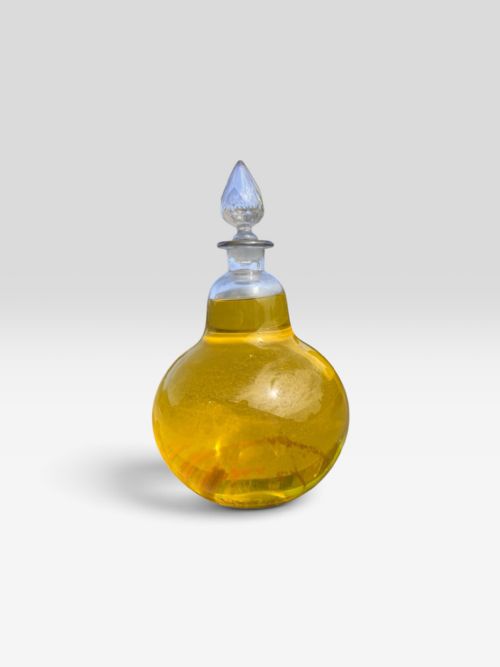
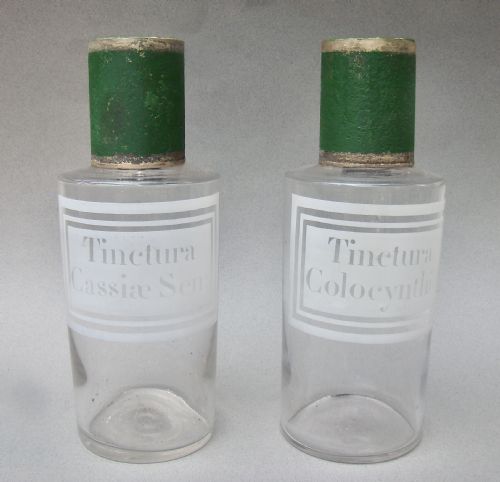
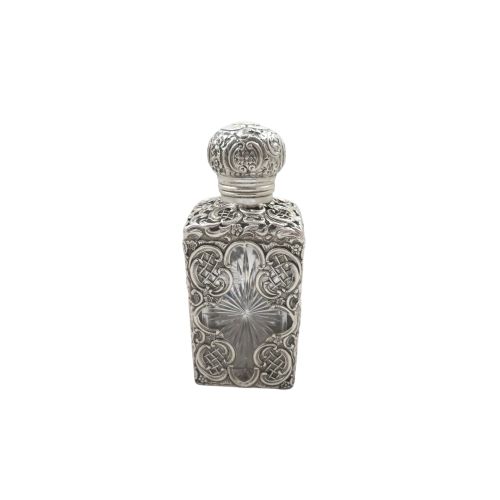
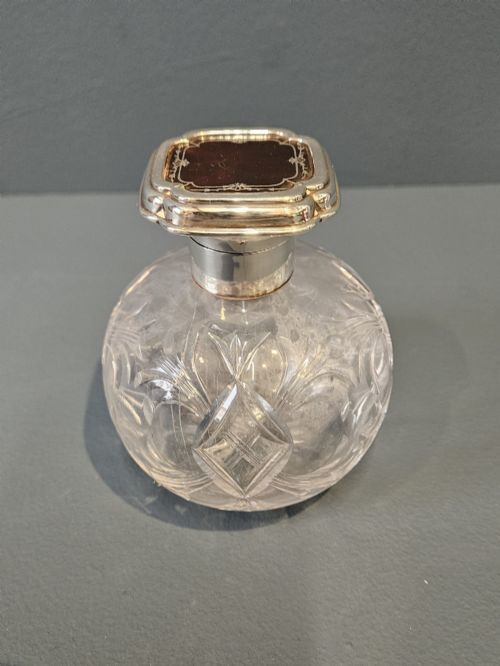
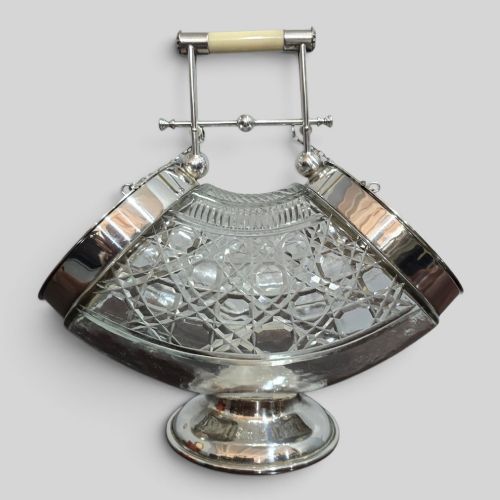
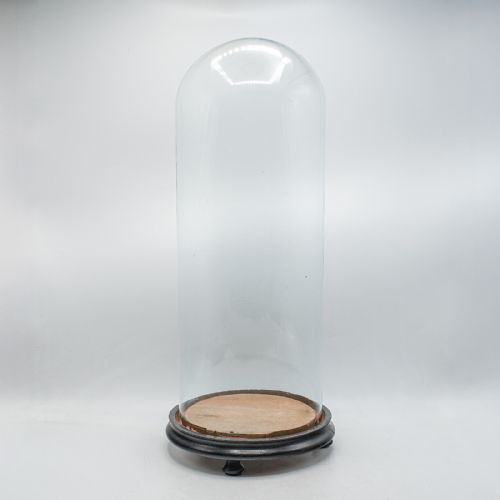
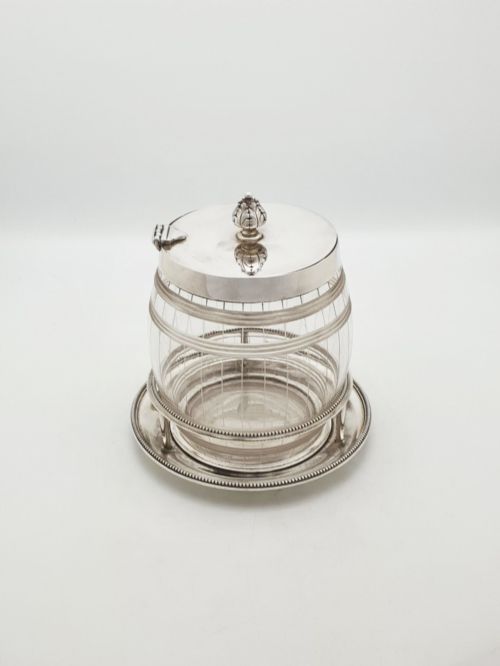
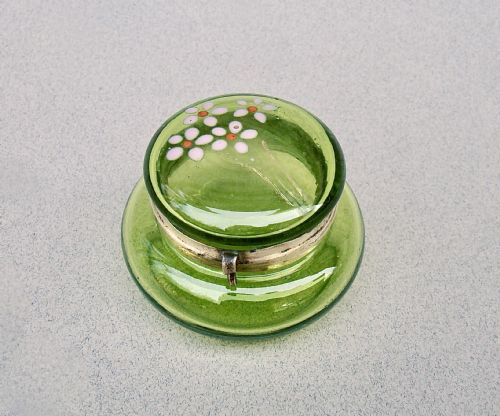
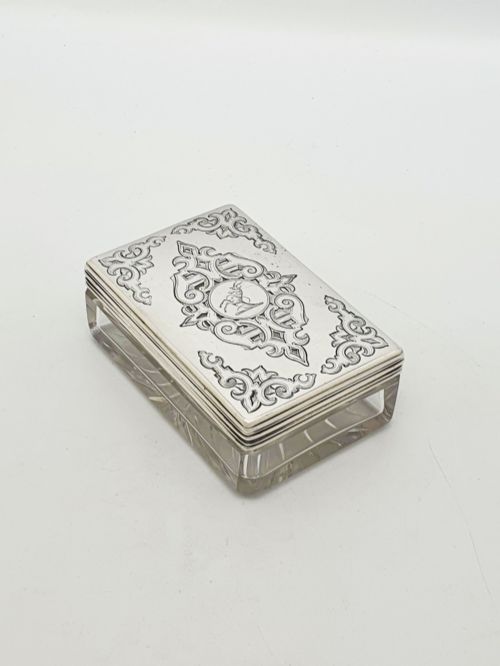
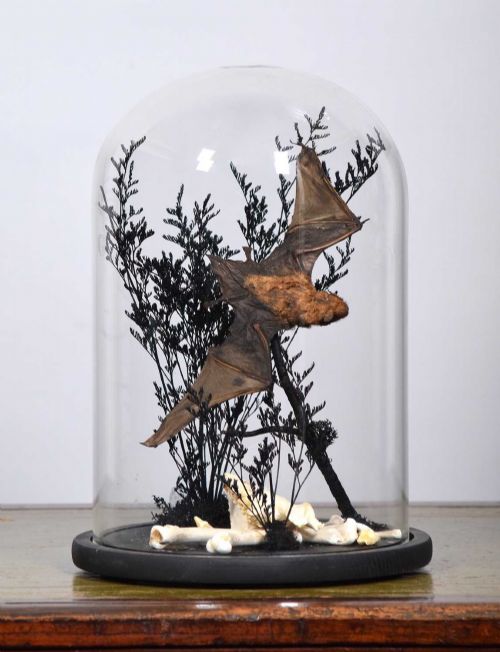
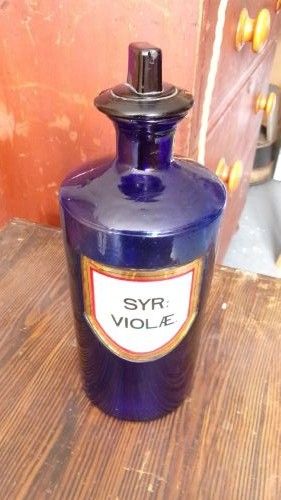
The items found here range from utilitarian chemist bottles with lollipop stoppers to decorative enamelled dressing table pieces and tall display domes. Biscuit barrels and scent bottles with silver mounts appear frequently alongside larger pharmacy carboys.
Materials and Techniques
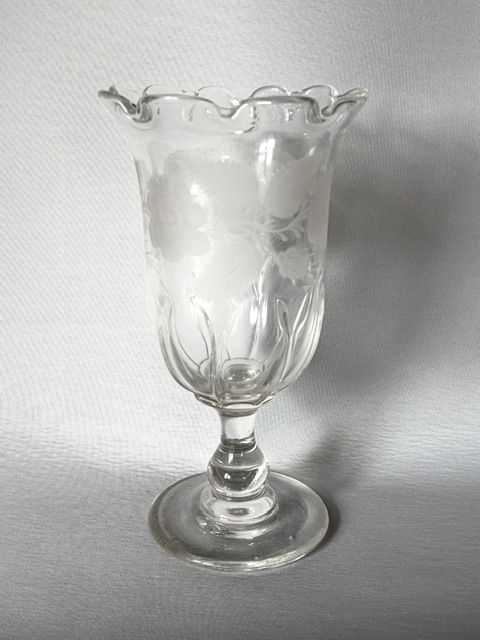
Makers utilised free-blowing and mould-blowing techniques to shape the glass, often finishing pieces with hand-cut facets such as hobnail patterns or delicate etchings. Many vessels incorporate applied enamel decoration, painted motifs, or Bristol blue colouring.
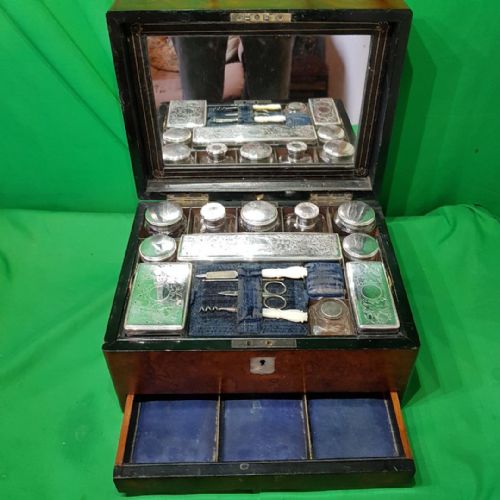
Mounts and lids frequently employ sterling silver, silver plate, brass, and tortoiseshell, demonstrating the collaborative skill of glassblowers and metalworkers. Internal fittings can include wood, velvet, and gold leaf elements, particularly in vanity sets and dressing boxes.
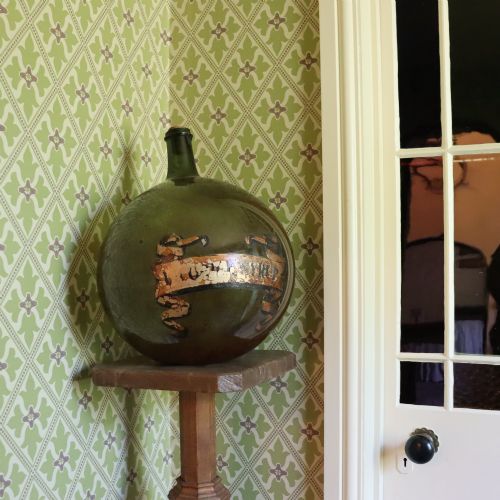
Several jars preserve the names of nineteenth-century ailments and sweet treats, holding onto centuries of sticky secrets.
Evaluating Standards
Quality rests upon the clarity and weight of the glass, the precision of hand-cut facets, and the integrity of any applied enamel work or gilding. Superior examples display crisp detail in cut crystal and balanced proportions in blown forms.
The refinement of metal mounts, such as hallmarked sterling silver lids or cast finials like heraldic dragons, distinguishes finer pieces from standard utilitarian wares. Original stoppers, matching covers, and undamaged glass surfaces elevate the standing of any jar.
Elkington·Mary Gregory·George Tye
The Victorian Glass Jars Glossary
- Carboy
- A large globular glass bottle or jar, typically enclosed in protective wicker or set on a base, used in pharmacies and laboratories for holding liquids.
- Hobnail cut
- A decorative surface pattern featuring rows of small, raised pyramidal facets that catch the light, common on nineteenth-century crystal.
- Bristol blue
- A deep cobalt blue glass produced in England, frequently utilised for chemist bottles, dressing table jars, and decorative vases during the nineteenth century.
- Decalcomania
- A technique of transferring printed designs onto glass or ceramic surfaces, often seen on nineteenth-century vases and decorative vessels.
- Display dome
- A blown glass cover, sometimes called a cloche or parlour dome, used to protect taxidermy or delicate decorative arrangements from dust.
Victorian Glass Jars: Frequently Asked Questions
What were Victorian glass jars used for?
These vessels served diverse practical and decorative functions across the nineteenth century, from storing biscuits and dry goods to holding medicines, perfumes, and cosmetics.
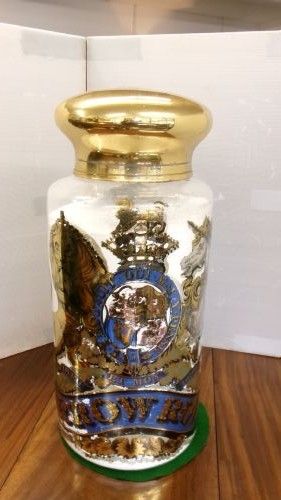
Larger carboys and apothecary jars sat in chemist shop windows to advertise trades, while smaller lidded boxes and scent bottles graced dressing tables and parlours.
How do I identify a Victorian apothecary jar?
Apothecary jars typically feature heavy blown glass bodies, often with polished pontil marks on the base, paired with matching ground-glass stoppers or fitted lids.
Many bear painted labels, gilded lettering, or remnants of chemical names, reflecting their original commercial use in pharmacies and dispensaries.
Are biscuit barrels and dressing jars the same age?
While both categories fall primarily under the Victorian and Edwardian eras, biscuit barrels often date from the middle to late nineteenth century when dining rituals expanded.
Dressing table jars span a similar timeline, though simpler chemist and sweet jars frequently share stylistic traits across the entire nineteenth century.
How should I display glass display domes at home?
Display domes sit best on wooden bases over flat surfaces, protecting delicate contents like taxidermy, beadwork bouquets, or collections of small curiosities.
Placing them in rooms with stable temperatures keeps the glass secure and highlights the reflective qualities of the antique hand-blown material.