

Victorian Lidded Jars
These victorian lidded jars bring the craftsmanship of the nineteenth century into the home, offering both decorative presence and practical storage.
Victorian Lidded Jars
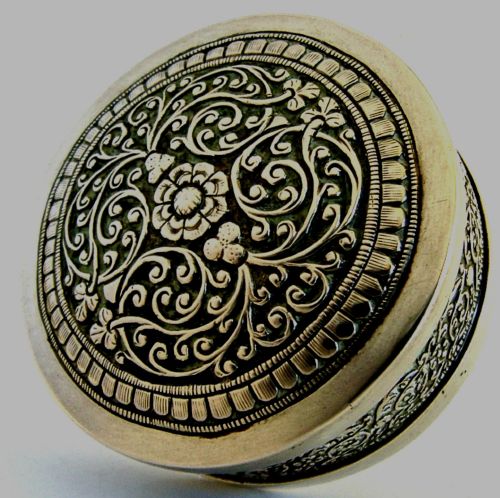
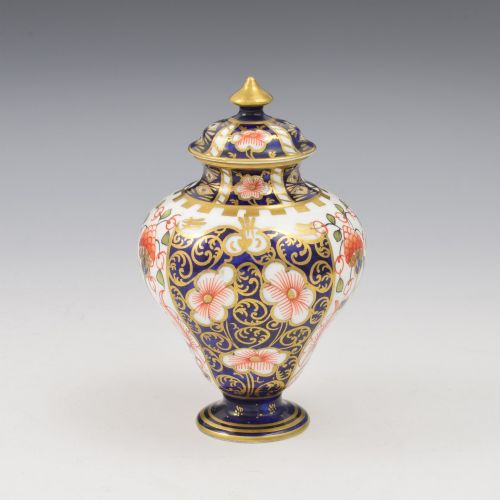
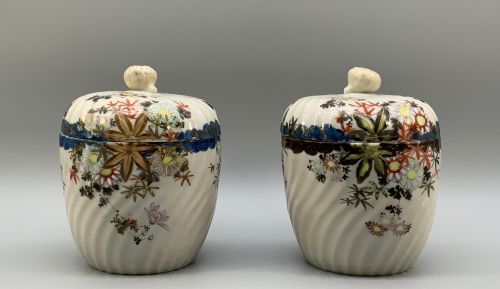
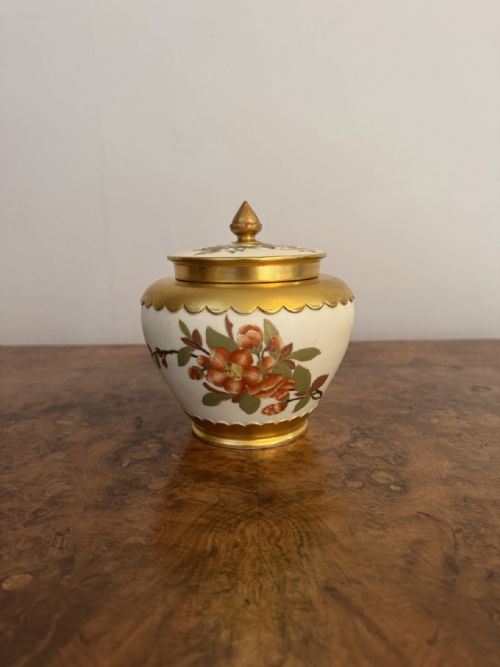
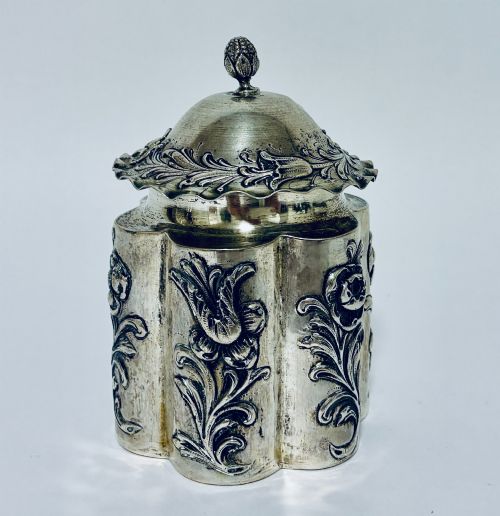
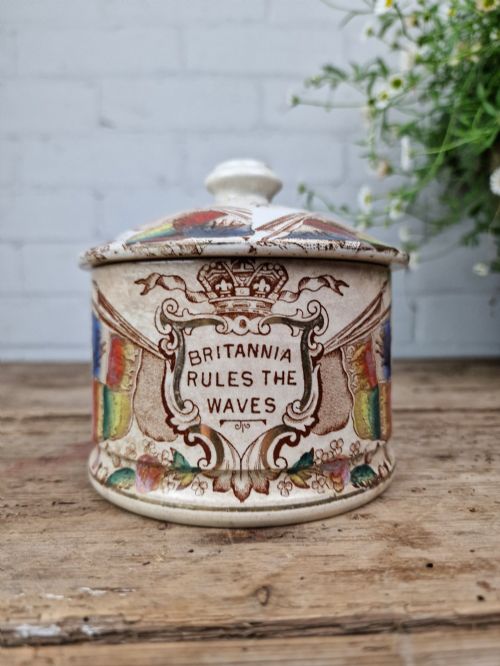
Victorian lidded jars encompass a wide variety of covered vessels produced primarily during the nineteenth century, ranging from kitchen storage and apothecary containers to delicate porcelain ginger jars and silver tea caddies. The examples found on this page span several decades of the period, demonstrating diverse regional aesthetics and specific functional uses.
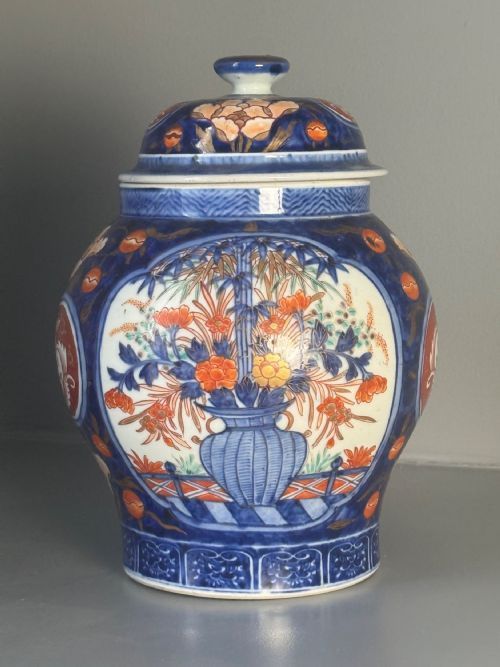
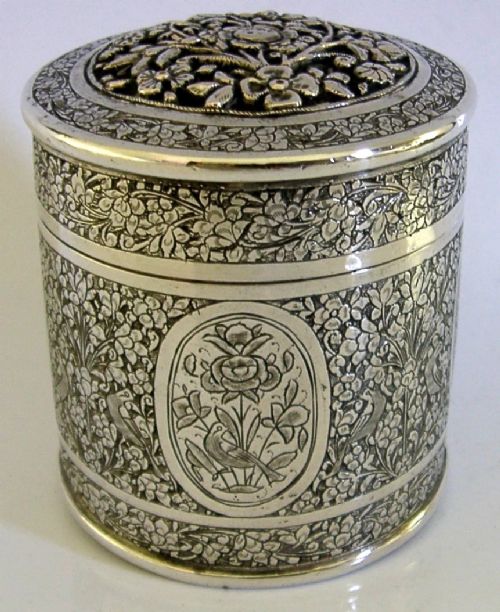
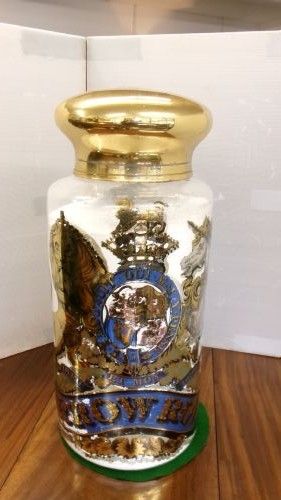
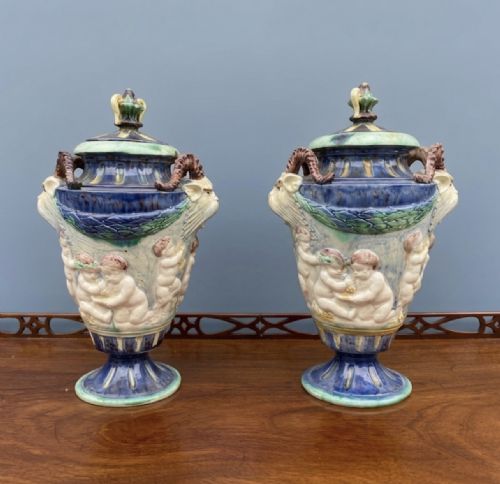
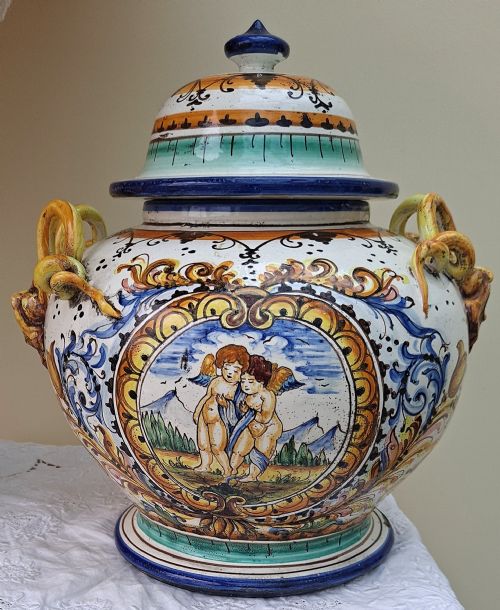
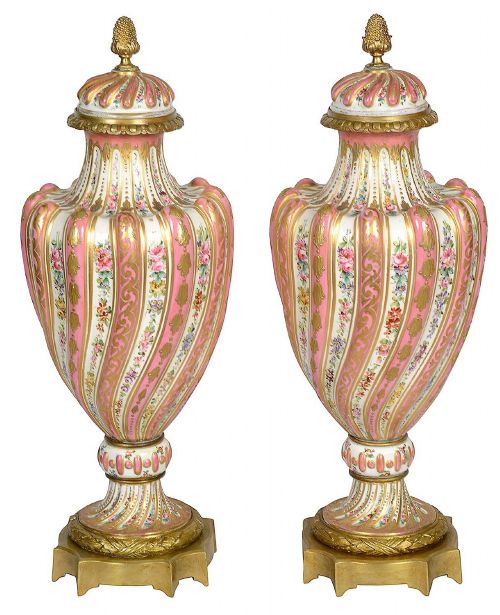
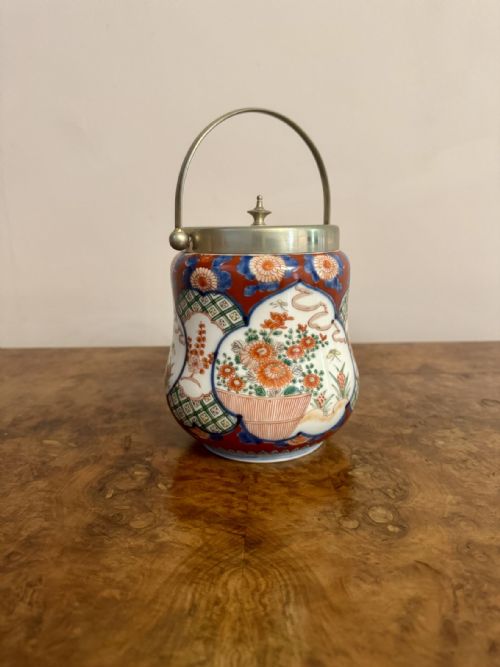
Buyers will most frequently encounter ceramic biscuit barrels with silver-plated mounts, glass apothecary containers, and decorative porcelain urns or vases with matching covers. These pieces reflect both British domestic production and international influences, including Japanese Imari, continental maiolica, and Ottoman metalwork.
The form serves both utilitarian and ornamental purposes, whether meant for preserving foodstuffs on a sideboard or displaying floral motifs in a formal parlour. Each category maintains distinct proportions and lid fittings designed specifically for its original contents.
Materials and construction
Potters and glassmakers utilised traditional manufacturing methods, shaping porcelain, earthenware, and glass through throwing, moulding, and free-blowing techniques before applying hand-painted or enamelled decorations. Cut glass examples display precise wheel-cut facets, while ceramic pieces often receive multi-fired glaze layers.
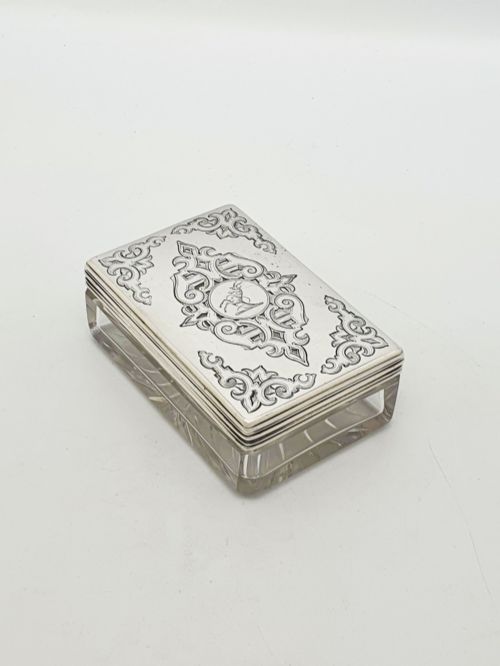
Metal components such as tea caddies, mustard pots, and biscuit barrel mounts involve solid silver, silver plate, and brass, frequently combined with hinged fittings or tightly fitted slip lids. Wood and linden constructions rely on fine hand-carving, visible in tobacco jars formed as animal figures.
Surface ornamentation ranges from gold leaf gilding and transfer printing to intricate enamel painting and hand-coloured botanical or figural scenes. These decorative layers are fused to the base material through kiln firing or secured with mechanical mounts.
The object forms span functional apothecary jars, tea caddies, and tobacco boxes alongside purely decorative vases and urns.
Assessing quality and execution
The distinction between standard and superior pieces rests on the precision of the hand-painting, the weight and purity of the metal mounts, and the crispness of the glass cutting. Finer ceramic jars exhibit clean glaze applications without firing flaws, while elite glass vessels show deep, sharply defined facets.
Completeness and originality significantly influence the standing of a piece, particularly where matching lids, original glass liners, or period silver-plated mounts remain intact. The clarity of maker marks and factory ciphers also separates ordinary production ware from high-grade workshop output.
Royal Crown Derby·Royal Worcester·Thomas Bradbury·Baccarat·Helena Wolfsohn·Augustas Rex
The Victorian Lidded Jars Glossary
- Biscuit Barrel
- A covered ceramic or glass container designed for storing dry biscuits or similar baked goods on the dining table. They frequently feature decorative silver-plated mounts and swing handles.
- Tea Caddy
- A specialised vessel intended for storing loose tea leaves, often fitted with a secure inner lid or lock to protect valuable contents. Examples appear in silver, porcelain, and metal.
- Apothecary Jar
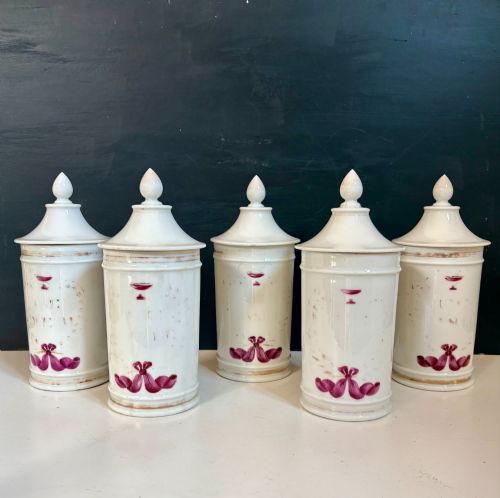
- A utilitarian glass or wood container used in pharmacies and chemists for holding medical ingredients, herbs, or compounds. They usually display painted or paper labels denoting the contents.
- Maiolica
- Tin-glazed earthenware produced in Italy and other European centres, known for its bright painted colours and glossy surface. This technique was frequently adapted for decorative vases and urns with covers.
- Imari
- A style of Japanese porcelain decorated in underglaze blue and iron red, with supplementary gilding, which heavily influenced European ceramic design. Pieces often take the form of lidded ginger jars and vases.
Victorian Lidded Jars: Frequently Asked Questions
What were Victorian lidded jars used for?
These vessels served numerous domestic and commercial functions, from storing tea, biscuits, and tobacco to holding apothecary preparations and dry goods in the pantry. Decorative variations were also placed on mantelpieces simply to display painted ceramic or glass artistry.
The domestic versions sat prominently in dining rooms and drawing rooms, while utilitarian jars remained in apothecary shops or kitchens. Their tight-fitting lids helped preserve the freshness and aroma of the contents inside.
How do I care for antique glass and porcelain jars?
Antique ceramics and glass require gentle hand washing in lukewarm water using mild detergent, avoiding abrasive sponges or harsh chemicals that can damage old glazes or enamels. Metal mounts should be polished carefully with appropriate non-abrasive cleaners to prevent residue buildup.
Sudden temperature changes can crack historic glass and ceramics, so extreme heat should be avoided entirely. Storing them away from direct sunlight protects hand-painted colours and gold leaf details from fading over time.
Are replacement lids common on antique jars?
Replacement lids do occur because covers are easily separated or broken during centuries of use. Examining the fit, glaze consistency, and wear patterns helps determine whether a lid belongs to the base.
Matching components share the same degree of age wear and material composition. Original pairings generally sit flush and maintain a consistent aesthetic style with the body.
How can I tell the difference between periods?
Distinguishing between periods involves examining the manufacturing techniques, stylistic motifs, and maker marks stamped or painted on the base. Early Victorian pieces often reflect heavy classical or Rococo revival influences, while later items incorporate Edwardian lightness or Japanese Meiji period aesthetics.
Material composition also shifts over the decades, with certain glaze colours and silver plating methods characteristic of specific manufacturing windows. Comparing these physical traits against documented factory marks provides a reliable timeline.