
Victorian Glass Ceiling Light
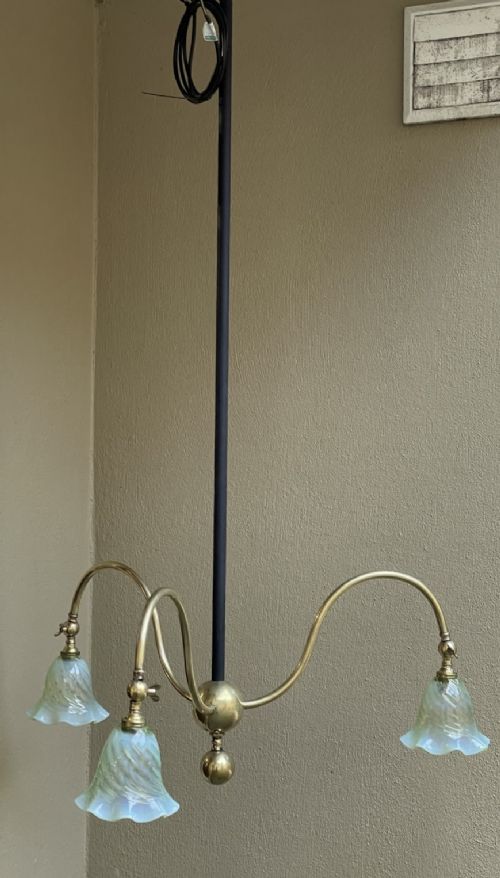
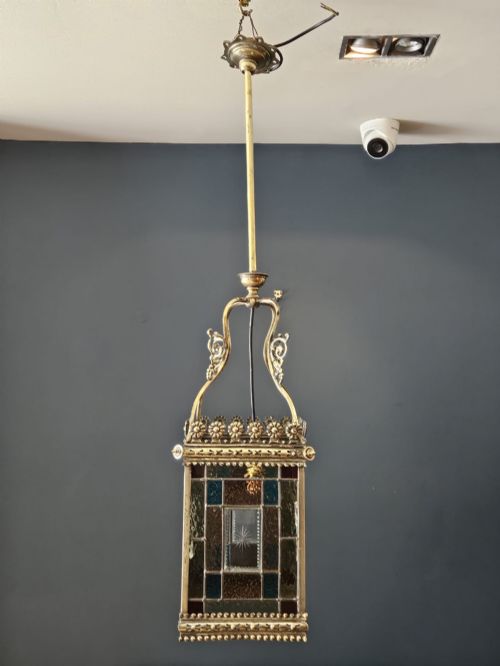
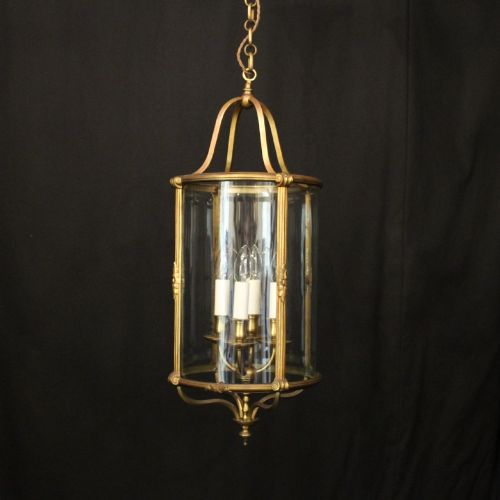
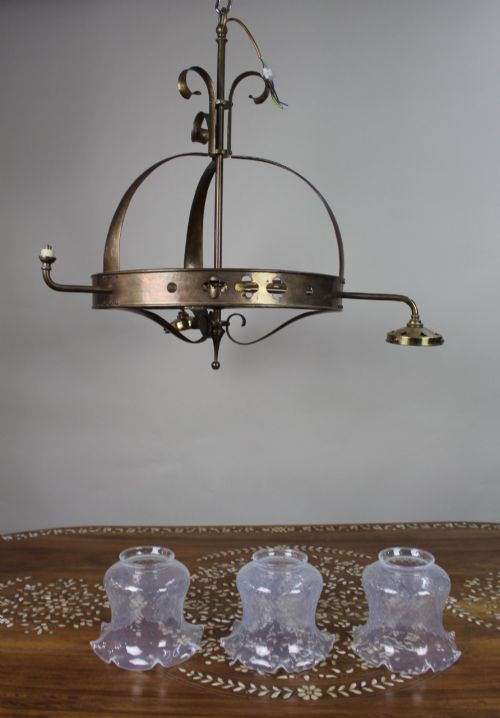
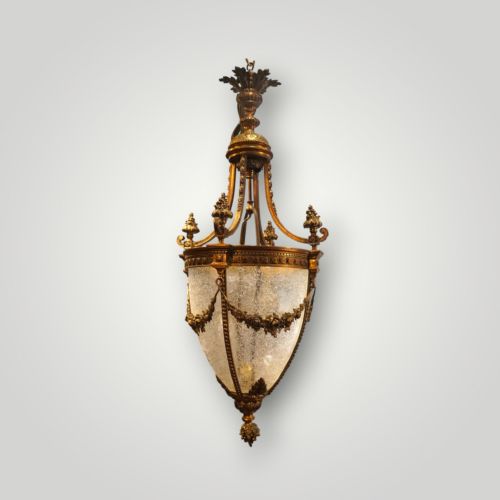
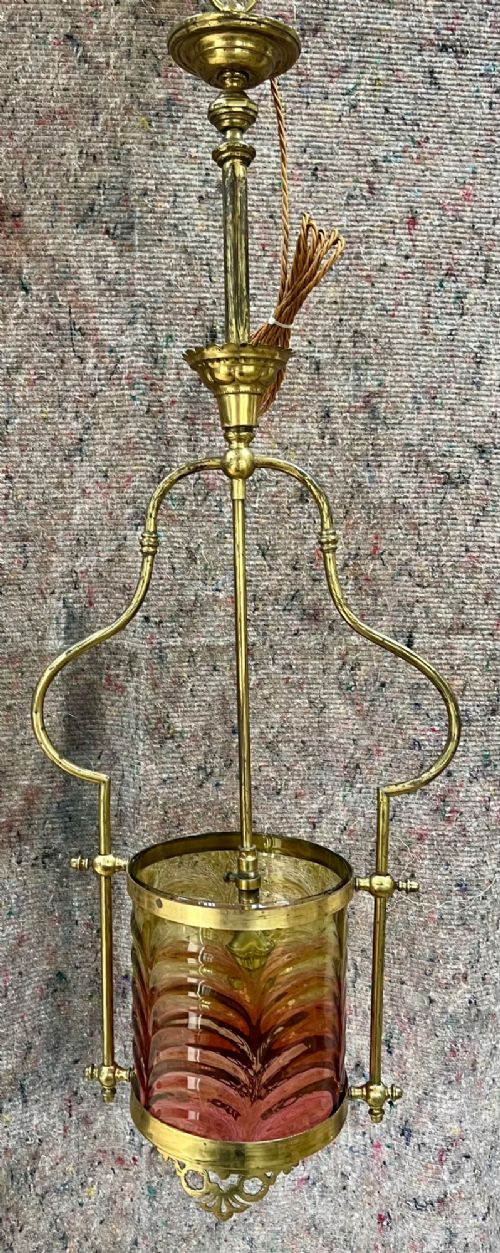
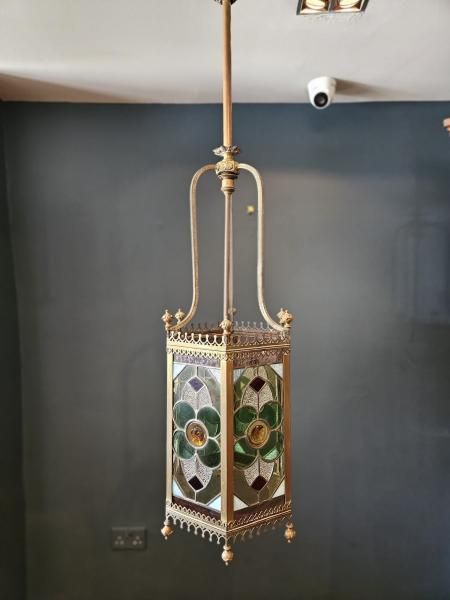
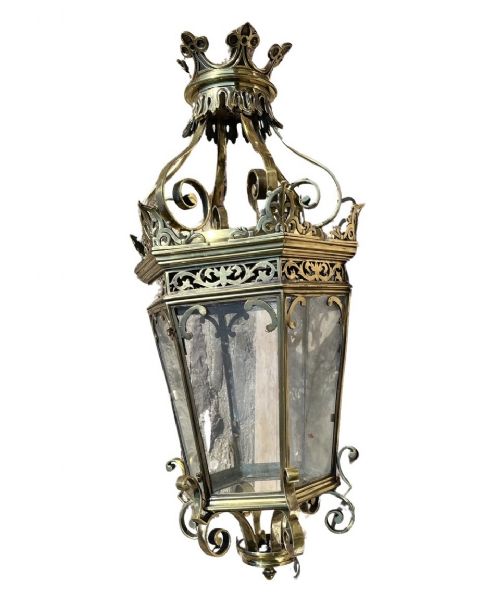
A victorian glass ceiling light brings interior spaces alive with period brass frames and leaded, cut, or stained glass.
Victorian Glass Ceiling Light
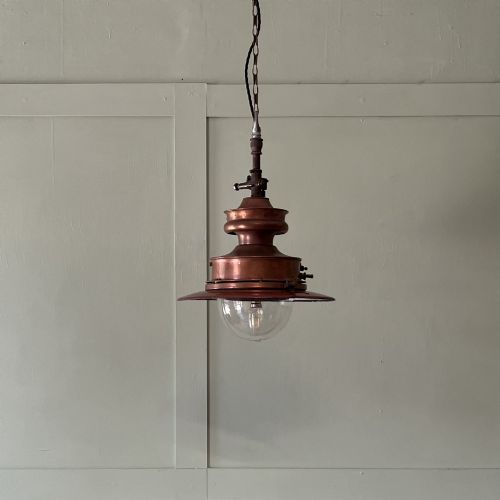
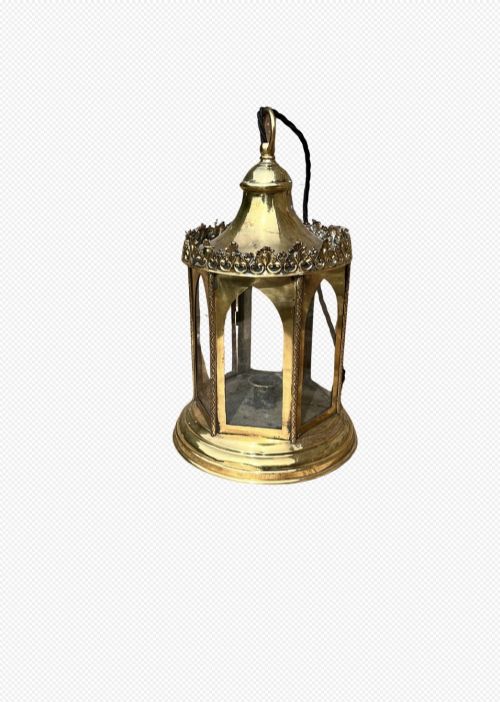
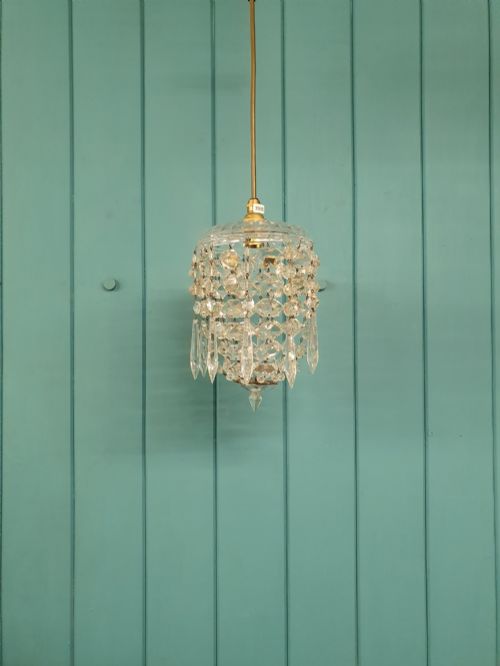
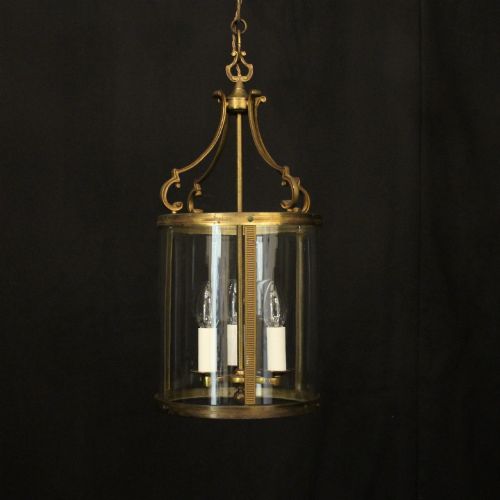
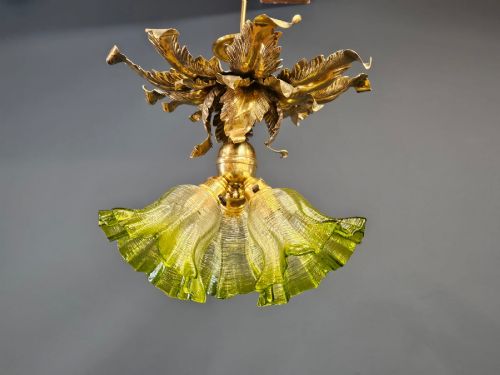
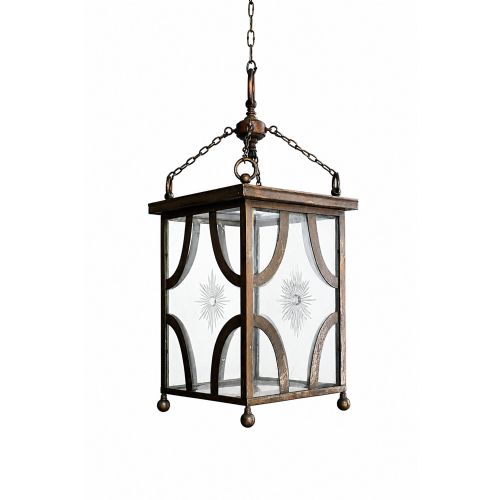
A victorian glass ceiling light encompasses hanging lanterns, hall lights, chandeliers, and pendant shades designed to illuminate interior spaces from above. The versions most commonly encountered on this page combine brass frameworks with leaded, cut, opaline, or coloured glass panels.
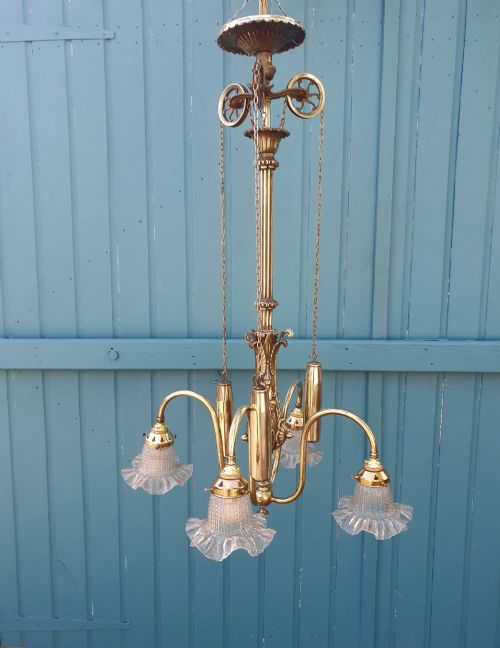
Makers and designers from the nineteenth century onward produced these fixtures for hallways, stairwells, and principal rooms, utilising durable metals alongside decorative glass. Examples range from simple utilitarian railway and hall lanterns to elaborate multi-arm chandeliers and gasoliers.
The styles span traditional Victorian and Edwardian aesthetics alongside Gothic Revival designs and French chateau influences. Buyers frequently select these overhead lights to anchor a period interior scheme with authentic period manufacture.
Judging the range
Quality rests upon the crispness of metal casting, the weight and clarity of the glass, and the complexity of the frame design. Pieces attributed to documented makers demonstrate superior finishing in ornamental metalwork and precise hand-cutting on crystal components.
Lower tiers utilise simpler stamped sheet brass and plain pressed glass without decorative etching or deep cutting. The presence of original matching shades, intact coloured glass panels, and specialised mechanical fittings elevates a fixture above standard utility examples.
Period styles span Victorian and Edwardian designs, Gothic Revival architecture, and French chateau influences.
Osler·Perry & Co
The Victorian Glass Ceiling Light Glossary
- Plafonnier
- A ceiling-mounted light fixture that sits close to the ceiling surface rather than hanging on a long suspension chain or cord. These shallow bowls or domes direct light downwards into hallways and rooms.
- Gasolier
- A multi-arm hanging light fixture originally designed to burn coal gas before being converted for electrical use. They often retain specialised valves and heavy brass drop stems.
- Lead glass
- Glass containing lead oxide that increases weight, brilliance, and clarity, allowing intricate facets to be cut into the surface. This material catches and refracts light effectively.
- Holophane
- A brand of scientific glass shade designed with prismatic ribs to direct and diffuse light efficiently while reducing glare. These industrial-influenced pieces became popular in early twentieth-century interiors.
- Opaline glass
- An opaque, milky-white glass used extensively for diffusing light softly in nineteenth and early twentieth-century fixtures. It provides an even, gentle glow without harsh glare.
Victorian Glass Ceiling Light: Frequently Asked Questions
How do I hang a heavy brass lantern safely?
Suspension requires a secure fixing directly into ceiling joists or a weight-bearing mounting block rather than standard plasterboard anchors. Heavy bronze and brass fixtures demand robust steel chains and load-rated ceiling hooks to support the combined weight of metal and glass safely.
A qualified electrician should verify the structural mounting and ensure the internal wiring meets current safety standards. Many antique fixtures have been rewired during their lifetime, but professional inspection guarantees secure installation in domestic properties.
Were these lights originally gas or electric?
Many nineteenth-century fixtures began as gasoliers or paraffin lamps before later conversion to electricity during the twentieth century. Component details like hollow brass gas poles and burner assemblies indicate original non-electrical fuel sources.
Rewired examples typically incorporate modern insulated flex while retaining their historic brass galleries and shade holders. This adaptation allows period aesthetics to function safely with contemporary electrical circuits.
Can I adjust the hanging height of these pendants?
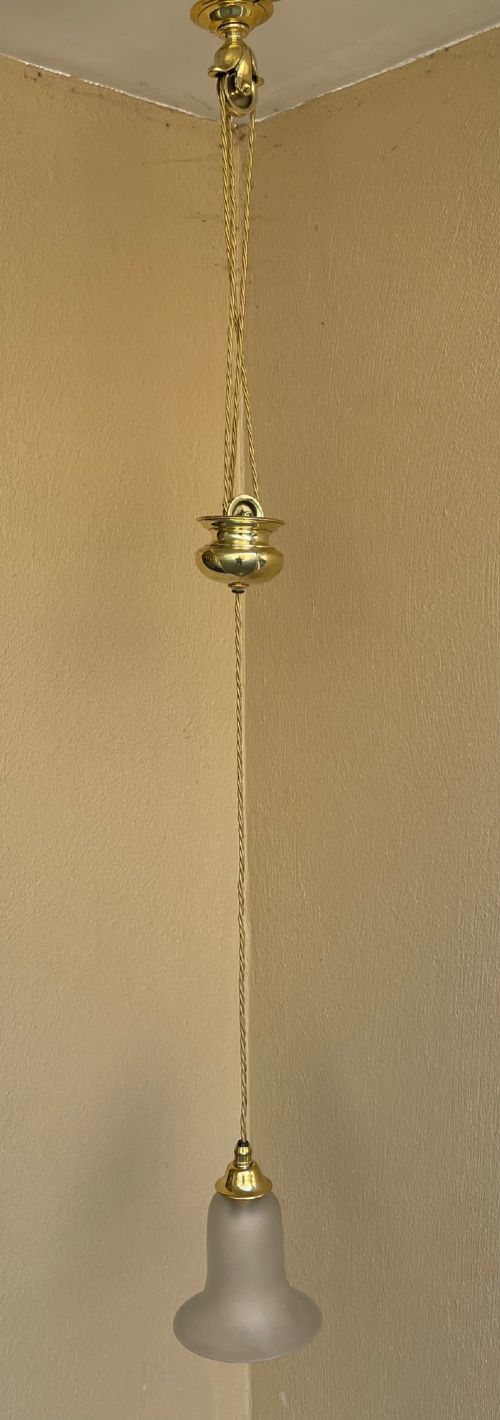
Some Edwardian pendant lights utilise specialised rise and fall counterweight mechanisms designed to alter the hanging height manually. Fixed-chain lanterns require professional adjustment of the suspension links prior to ceiling installation.
Shorter halls benefit from flush-mounted plafonniers, while high ceilings accommodate multi-arm chandeliers and long-chain lanterns. Selecting the correct drop depends upon room proportions and clearance requirements above walkways.