

Victorian Cut Glass Light
These a victorian cut glass light pieces bring brilliant refraction and heavy metal mounts to a room.
Victorian Cut Glass Light
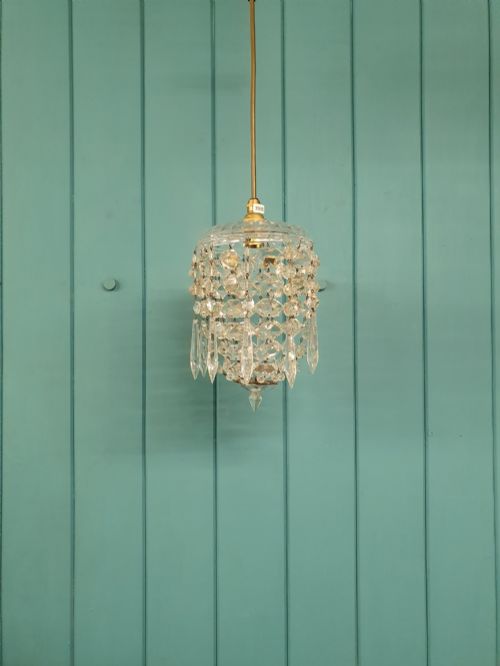
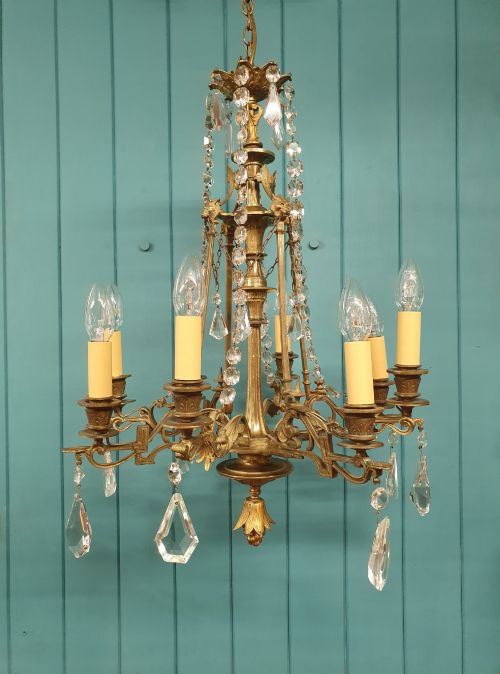
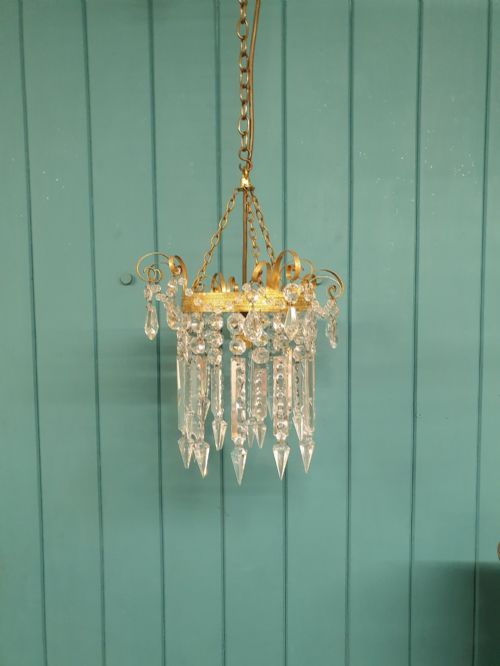
A victorian cut glass light encompasses hanging chandeliers, wall sconces, hall lights and ceiling fixtures designed to refract illumination through deeply faceted surfaces. The most common forms met here are pendant lights, dome chandeliers and waterfall fittings utilising heavy lead crystal or standard glass.
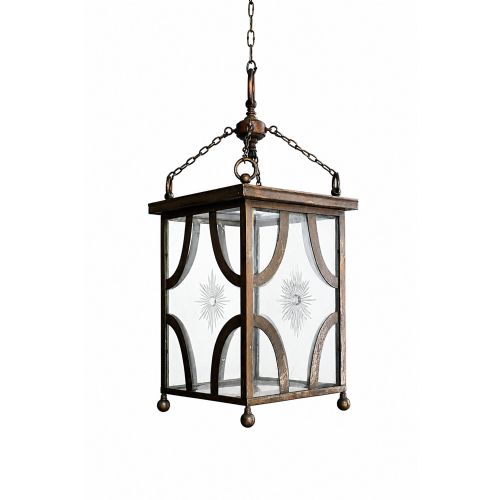
The selection ranges across the nineteenth century into the Edwardian period, often pairing clear or coloured glass with brass, silver plate or bronze mounts. Forms stretch from simple hall lanterns to elaborate multi-arm chandeliers decorated with lion masks or prismatic drops.
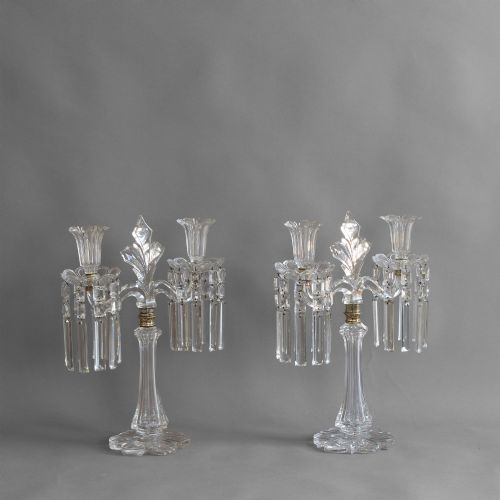
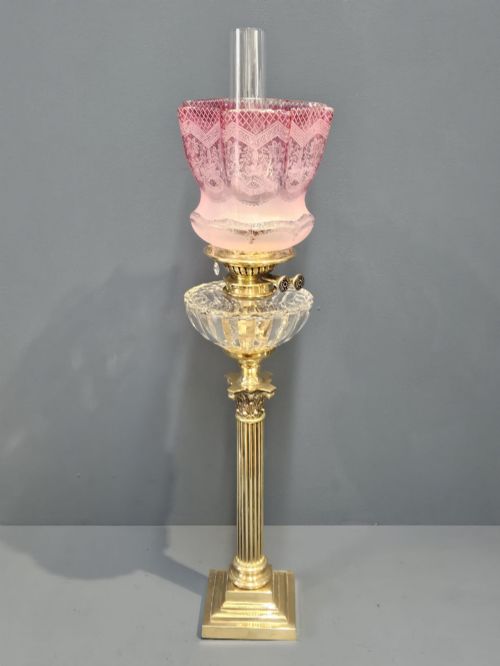
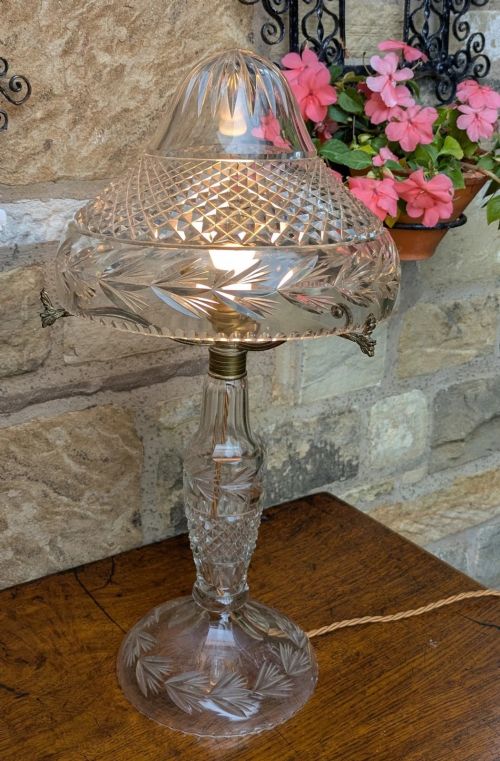
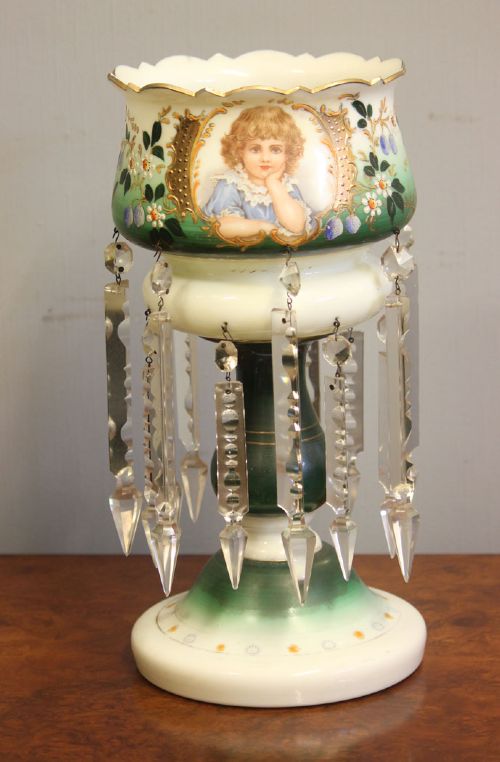
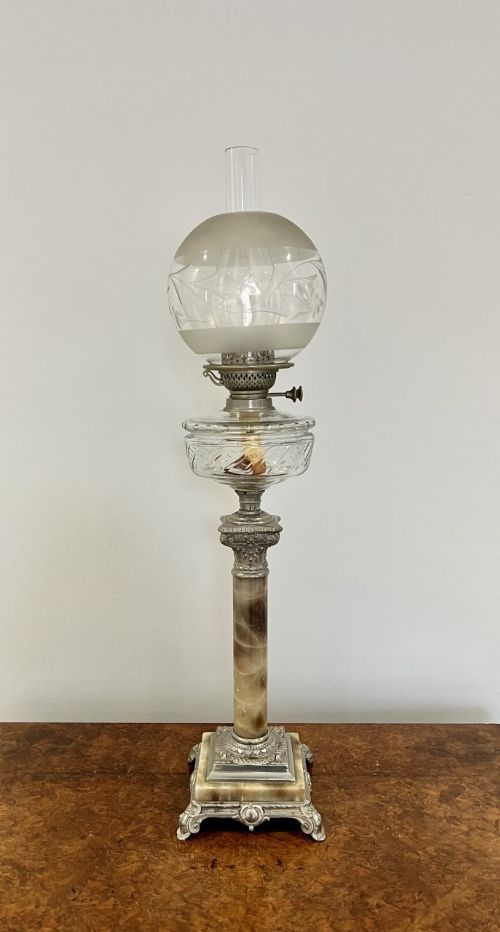
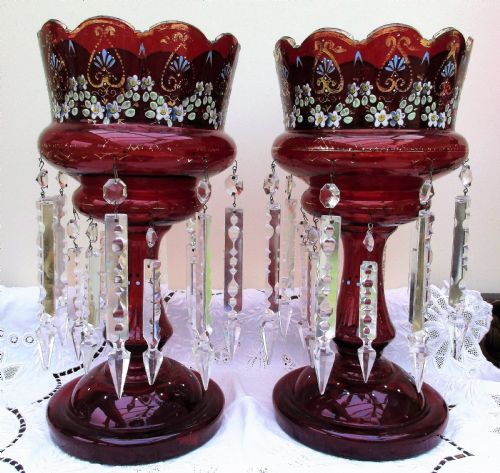
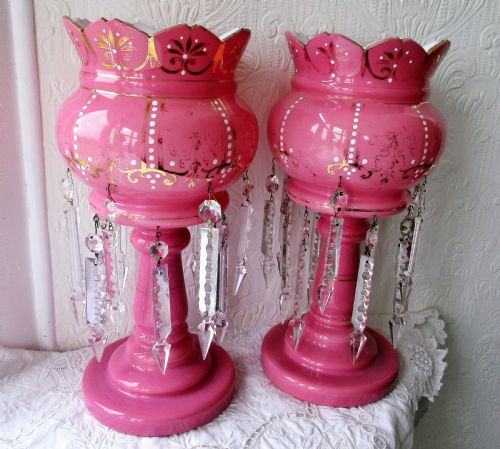
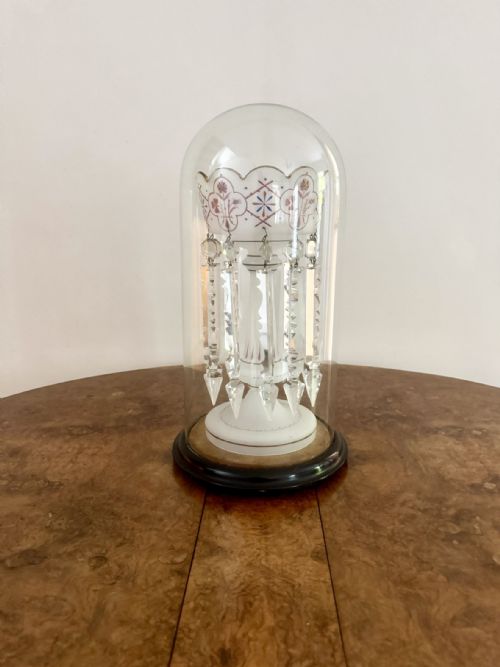
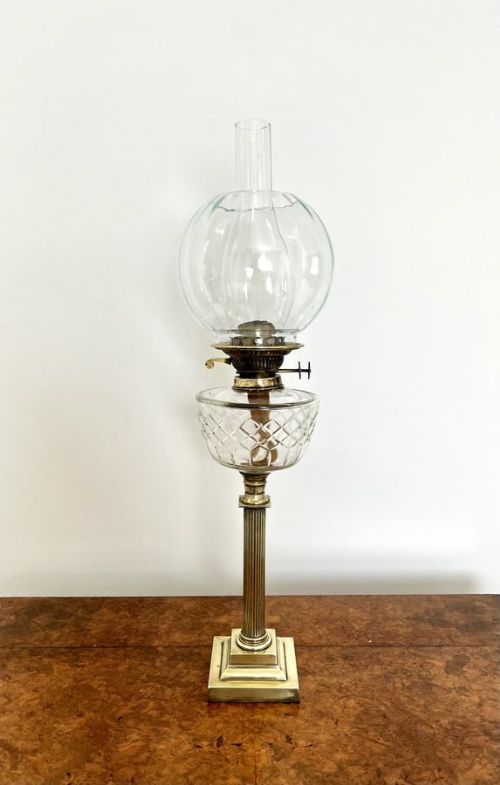
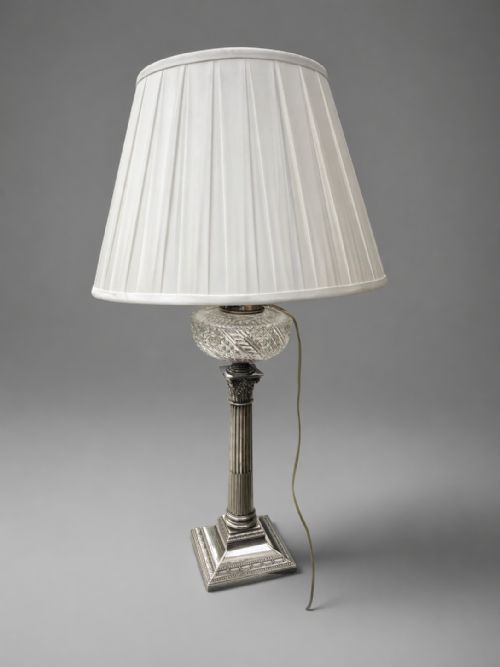
Alongside overhead lighting, buyers encounter mantel lustres and table lamps that share the same material vocabulary. These domestic objects demonstrate how cutting and pressing techniques were applied throughout a home to maximise brightness.
Materials and construction
Makers combined heavy lead crystal and cut glass with structural brass, bronze and silver-plated frames. Metal components were cast or spun, sometimes incorporating decorative details like Corinthian columns, gilt bronze or lion mask motifs.
Glass elements relied on mechanical cutting, wheel engraving and mold-pressing to create facets, flutes and diamond patterns. Components like domes, bowls and prismatic drops were then hung or screwed securely to metal armatures.
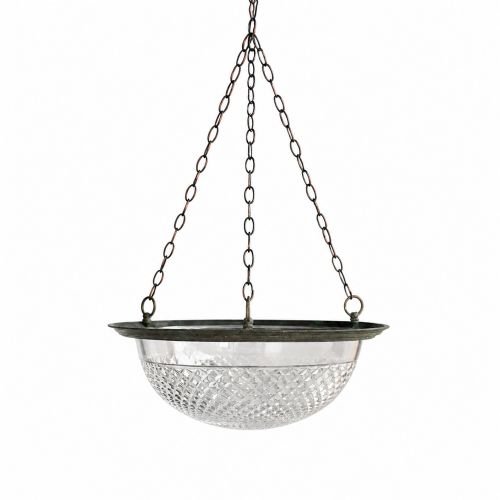
Some Victorian hall lanterns feature concealed lion masks glaring out from the brass rings above the glass bowls.
Distinctions in quality
Quality rests upon the crispness of the glass cutting and the weight of the metal chassis. Superior pieces display sharp, deep facets that scatter light cleanly without the blurring seen in softer moulded glass.
Proportion and the integrity of the hardware dictate the standard. Better items feature thick brass or bronze frames, balanced arrangements of hanging prisms, and maker attribution or patent marks rather than generic commercial assembly.
Goldsmiths and Silversmiths Company·Baccarat·Osler
The Victorian Cut Glass Light Glossary
- Lustre
- A decorative tabletop vase or candlestick hung with long crystal pendants. These ornaments caught the ambient daylight and the flicker of evening candles.
- Chandelier
- A branched ceiling-mounted lighting fixture designed to hold multiple candles or bulbs. They frequently incorporate cut glass bowls, spikes and cascading crystal drops.
- Cricklite
- A patented table lighting system utilising thick moulded glass components. Clarke produced these assemblies for safe paraffin or candle illumination.
- Plafonnier
- A shallow ceiling-mounted dome light or bowl fixture. These flat-backed items fit close to plasterwork in hallways and lower rooms.
- Overlay glass
- A dual-layer glass technique where a coloured exterior is cut away to reveal a clear base. This method created high-contrast ruby and pink decorative effects.
Victorian Cut Glass Light: Frequently Asked Questions
Were these lights originally gas or electric?
Many surviving overhead fixtures began life as oil, paraffin or gas lamps before conversion to electricity during the twentieth century. Component parts like burners and key taps often remain visible beneath modern lamp holders.
When buying, check whether the wiring has been updated. Rewired examples simplify installation while preserving the historic metal and glass body.
How should I clean cut glass pendants?
Pendants and prisms should be unclipped and washed by hand in warm soapy water using a soft cloth. Avoid harsh chemical cleaners that can damage vintage brass or silver-plated surfaces.
Dry each piece thoroughly before rehanging to prevent water spots on the lead crystal facets. Keeping the glass free of dust ensures maximum light refraction.
What is the difference between crystal and glass?
True lead crystal contains a high percentage of lead oxide, which increases the weight, density and refractive index of the material. This composition allows for deeper, sharper facet cutting.
Standard glass is lighter and harder to cut with the same crisp precision. Historic pieces often specify lead crystal when describing heavier, brighter table lamps and chandeliers.