

Clear Glass Ceiling Light
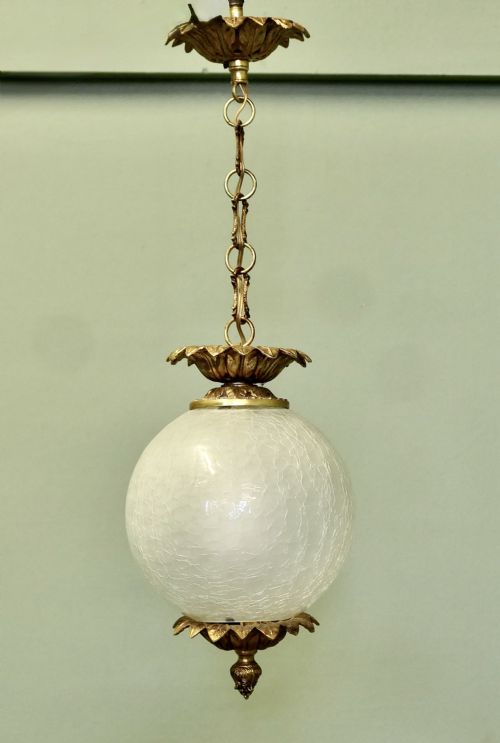
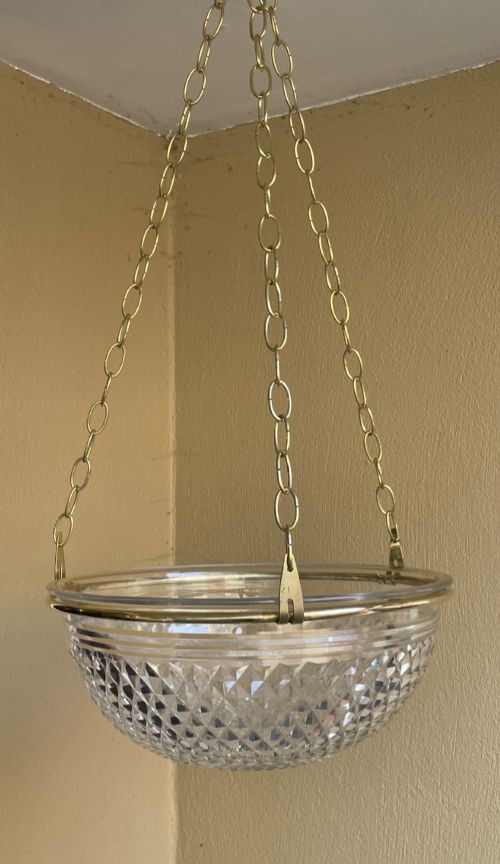
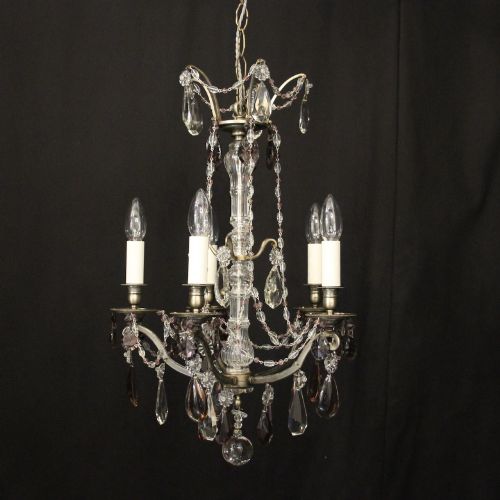
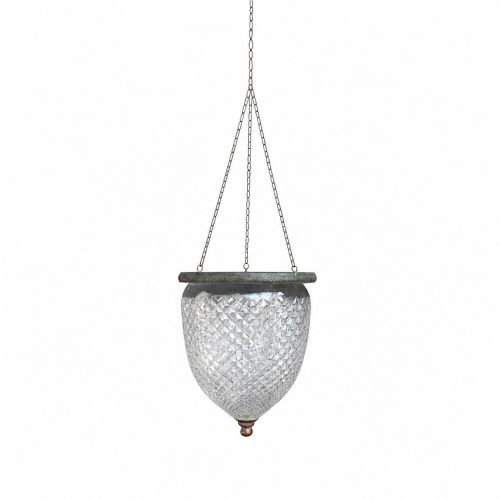
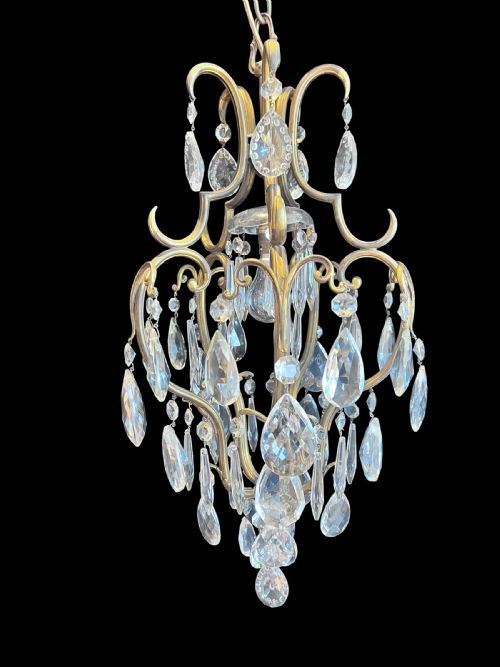
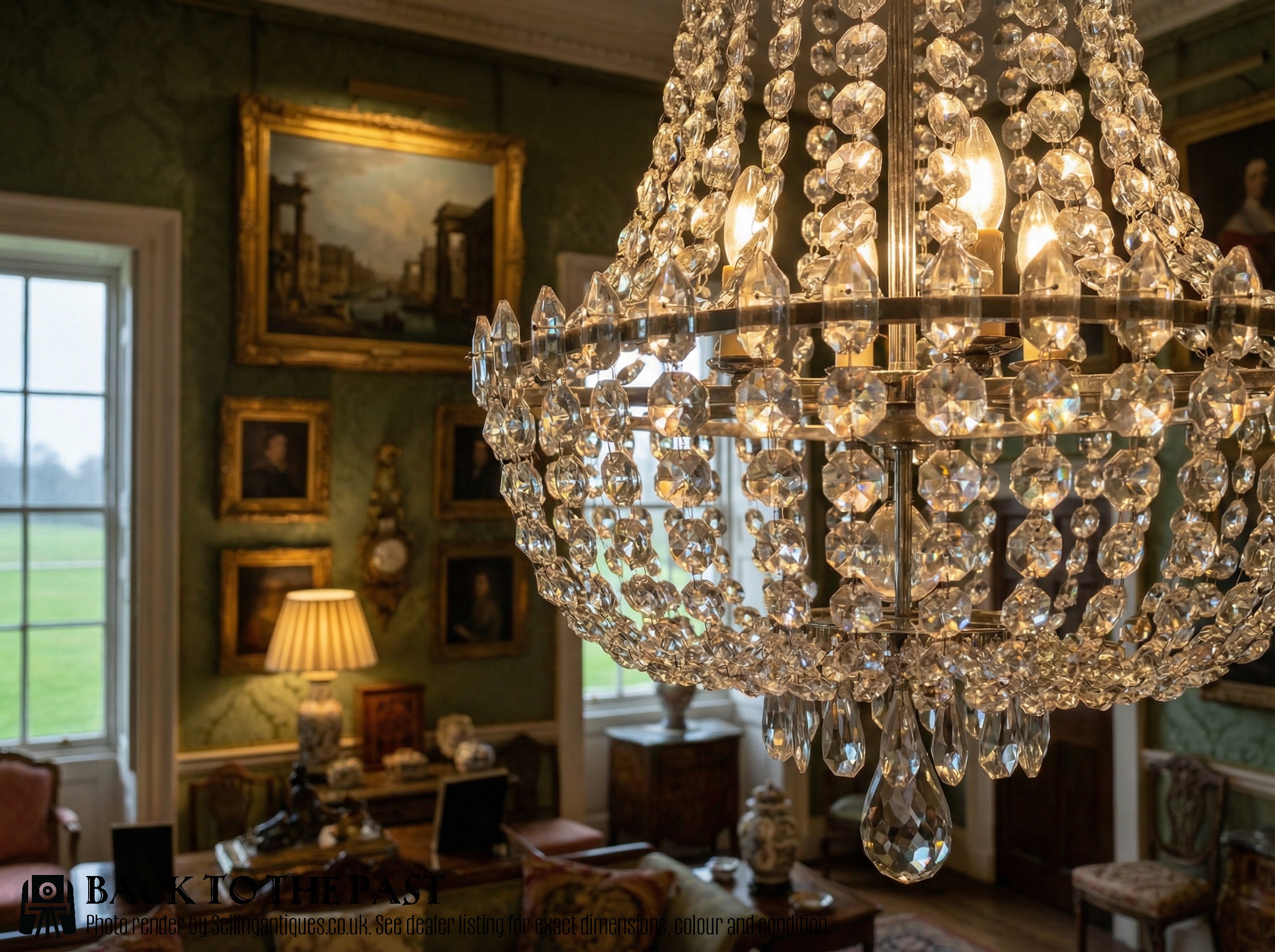
A clear glass ceiling light illuminates a room with crisp reflection, drawing the eye upward through structured glass, crystal and brass.
Clear Glass Ceiling Light
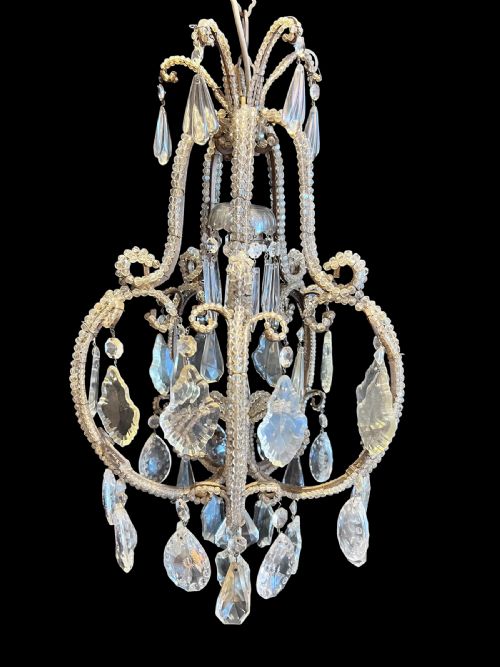
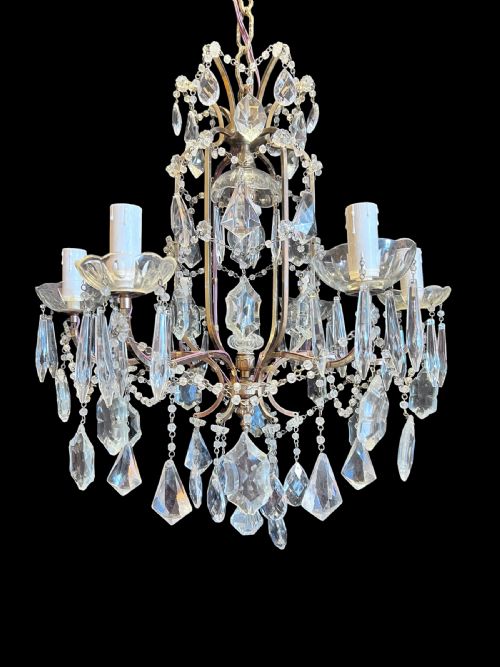
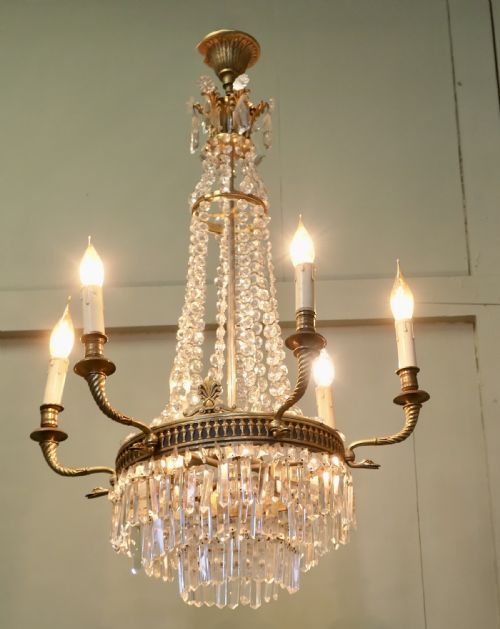
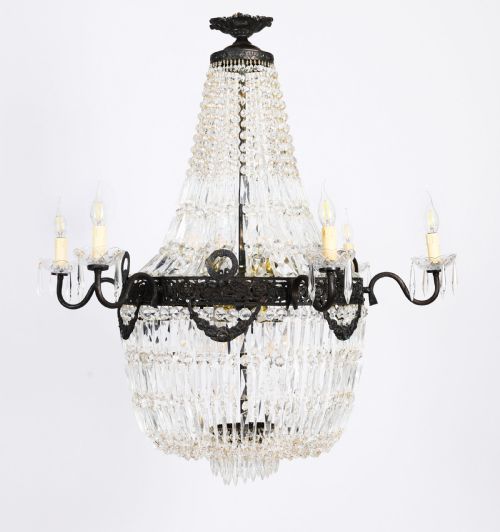
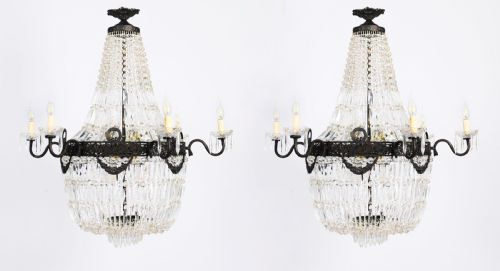
A clear glass ceiling light spans varied configurations from compact single pendants to multi-armed chandeliers. Edwardian and 1920s examples dominate, bringing distinct period proportions to interior spaces.
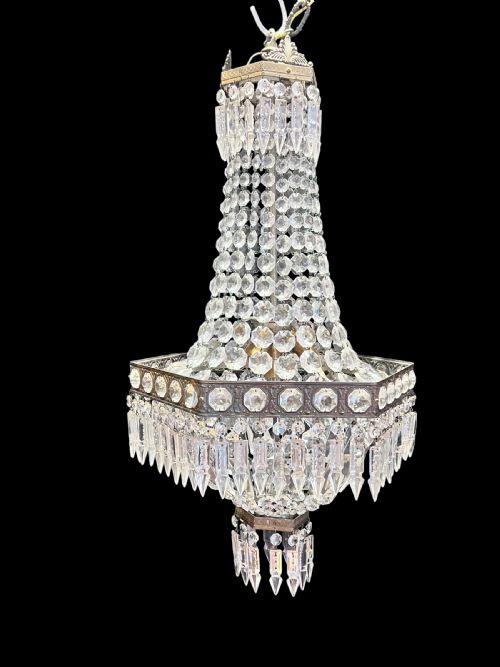
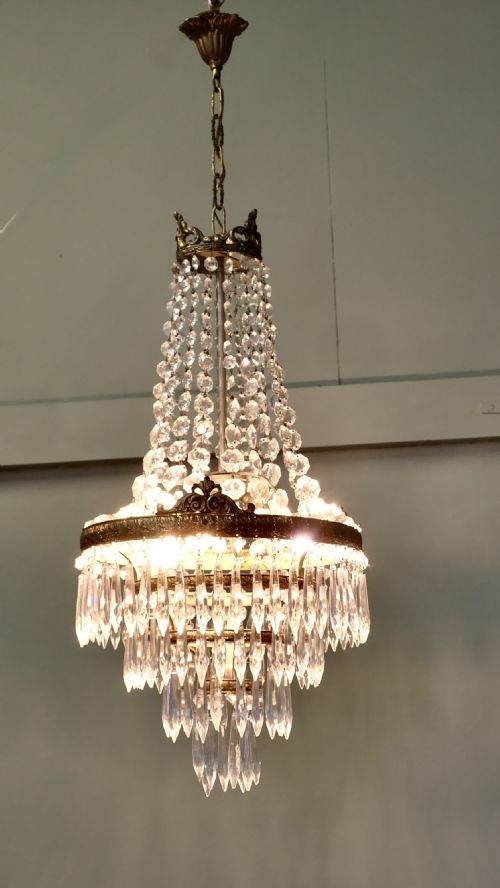
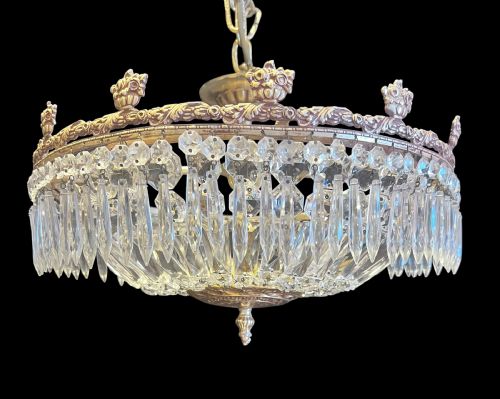
The selection ranges from restrained glass globes and plafonniers to elaborate French Empire tent and waterfall designs. Italian and French workshops provide much of the stylistic variety found across these fixtures.
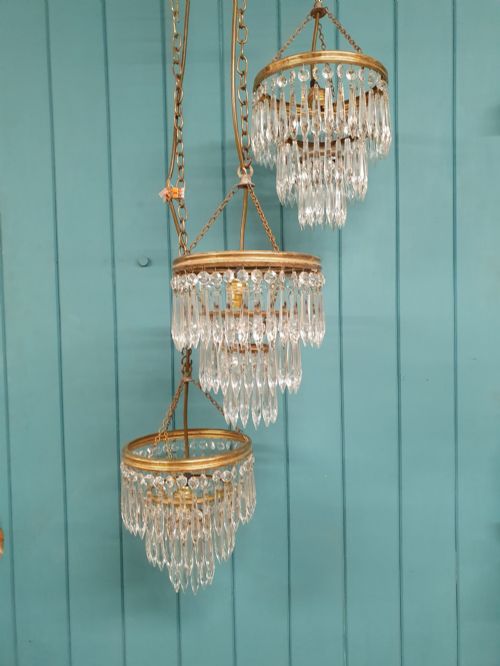
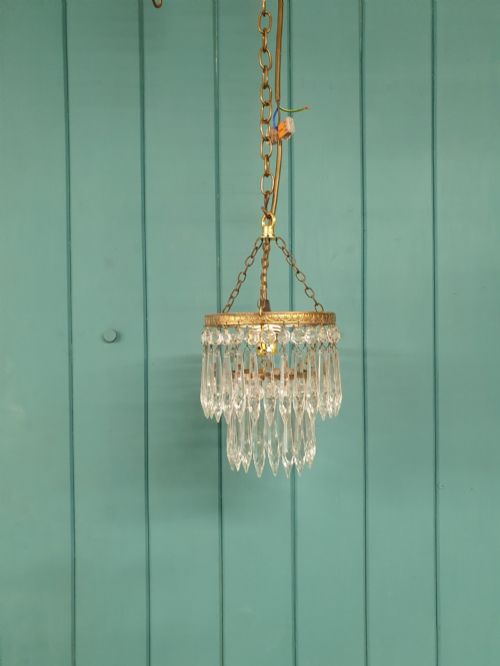
Smaller dome top and spike chandeliers sit alongside grander multi-light ballroom fixtures, offering options for different ceiling heights and room volumes.
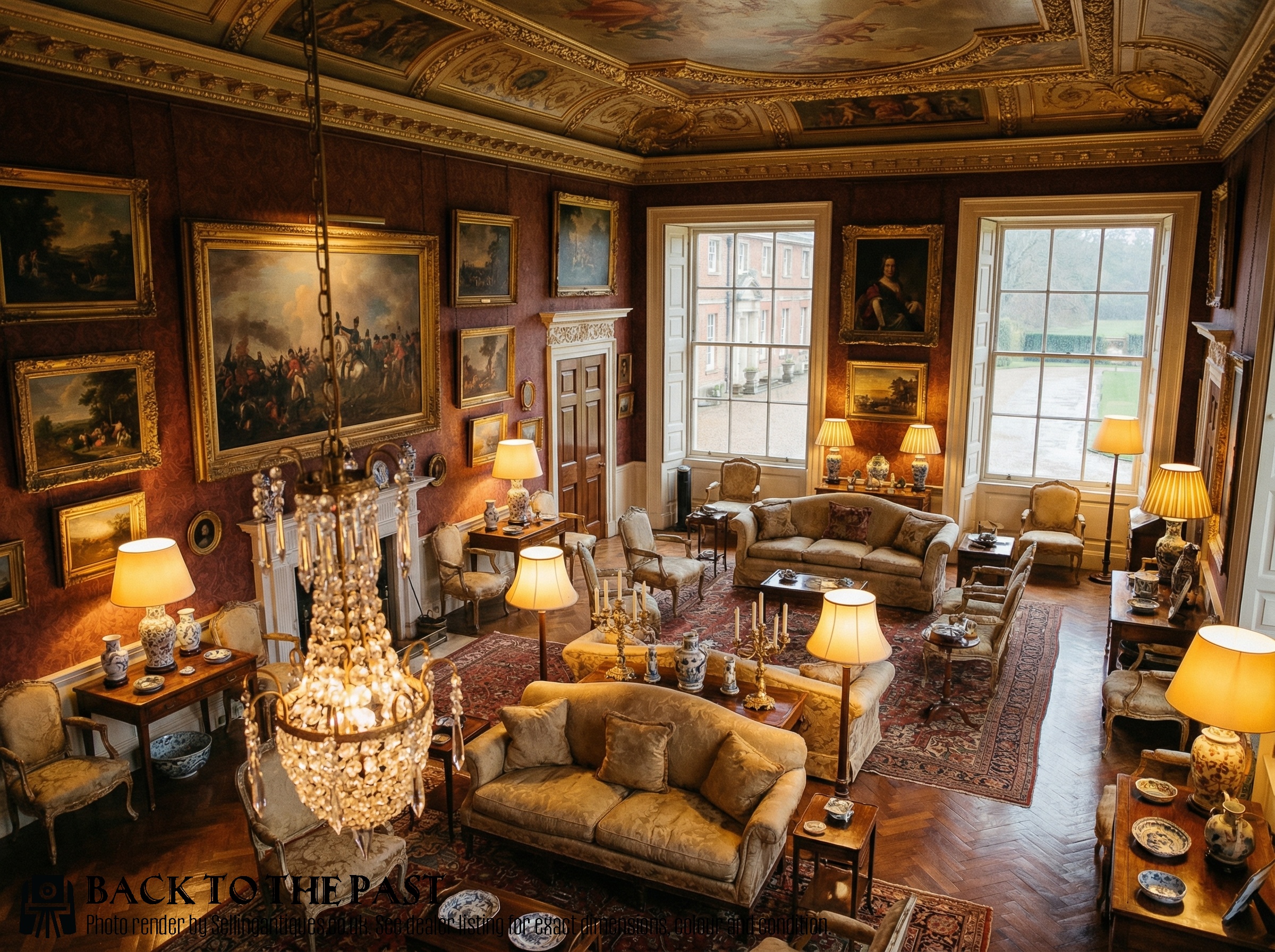
Materials and Construction
Brass and bronze provide the foundational metal framework, supporting intricate arrangements of glass and crystal components. Metal mounts secure the glass elements while adding structural contrast to the reflective surfaces.
Cut glass, crystal and moulded glass form the primary light-dispersing bodies, incorporating prisms, beads and panels. These components interact with internal illumination to cast varied patterns across walls and ceilings.
Clear Glass Ceiling Light Retail Price Guide 2026
Typical asking prices for clear glass ceiling light among the pieces listed under this phrase on Sellingantiques today, from the lower quarter to the upper quarter. They describe what is for sale here now, not the wider market.
Some Edwardian ballrooms required fourteen arms of cut crystal to properly impress guests under evening gaslight.
Defining Quality
Depth of cutting and clarity of the crystal components distinguish finer examples from standard production pieces. Precision in the metal casting and the integration of decorative prisms elevate the overall presence of a fixture.
Coherence of the design period and completeness of original prismatic drops determine the integrity of the lighting. Masterful assembly ensures that metal armatures and glass elements function as a unified decorative object.
The Clear Glass Ceiling Light Glossary
- Plafonnier
- A shallow or dome-shaped ceiling light fixture that sits close to the surface. These designs direct illumination downward while containing the light source within decorative glass.
- Tent and Chandelier
- A lighting configuration featuring an upper canopy of gathered glass beads falling into a wider tiered basket below. This style creates a cascading silhouette characteristic of grander period spaces.
- Coffin Prisms
- Elongated, wedge-shaped glass drops suspended from the arms or rings of a chandelier. They refract light through faceted planes.
- Holophane Lighting
- Industrial or commercial glassware featuring precise external ribs designed to diffuse light efficiently. This functional style gained popularity for its optical performance.
Clear Glass Ceiling Light: Frequently Asked Questions
How do I hang a heavy crystal chandelier?
Heavy fixtures require direct anchoring to a ceiling joist using a steel support box rated for the specific weight. Professional installation ensures the electrical box and mounting hardware safely bear the load.
Lowering the fixture to the desired height involves adjusting the suspension chain and feeding the electrical wiring through the central canopy. Careful handling of glass components during this process prevents accidental chipping.
How do I clean an antique glass ceiling light?
Routine dusting with a soft microfibre cloth maintains the clarity of glass and crystal elements. For a deeper clean, remove loose prisms and wash them in lukewarm water with mild soap.
Dry each component thoroughly before reattaching it to the brass frame. Avoid harsh chemical cleaners that can damage vintage metal platings or aged brass patinas.
Which period do spike chandeliers belong to?
Spike chandeliers appear predominantly in early 20th century and Edwardian contexts. Their tiered formations of slender glass drops create a distinct vertical silhouette.
These fixtures often incorporate brass frames supporting graduated tiers of faceted glass. They reflect the decorative transition from Victorian ornamentation toward cleaner Edwardian forms.