
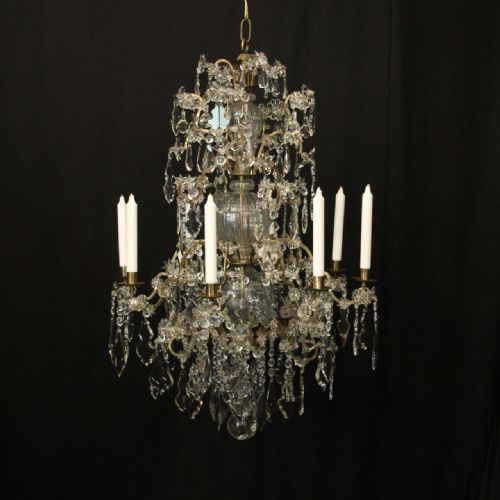

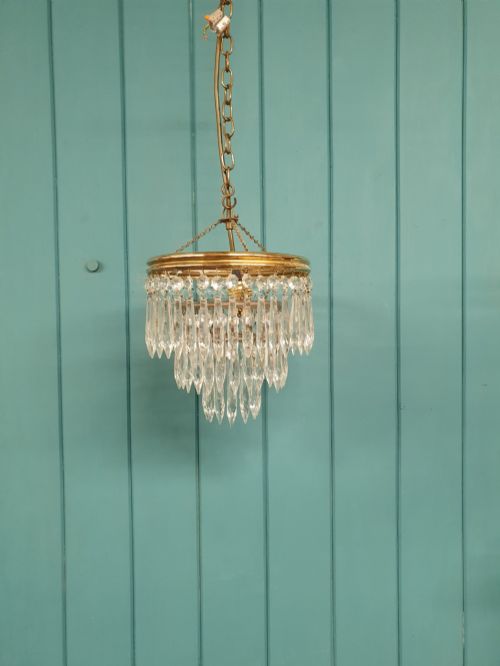

Tiered Glass Chandelier
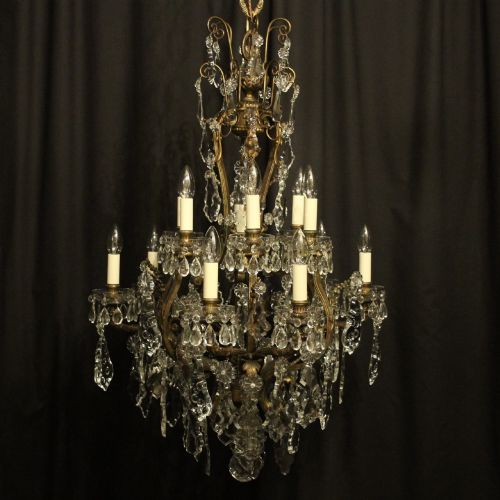
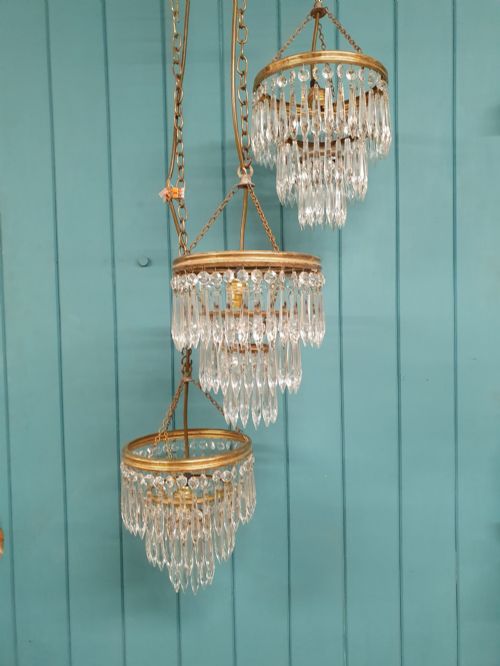
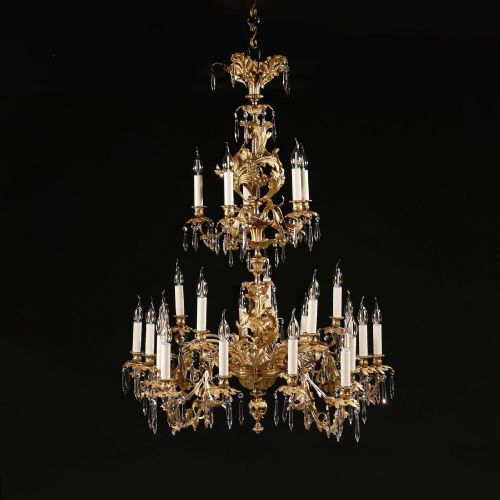
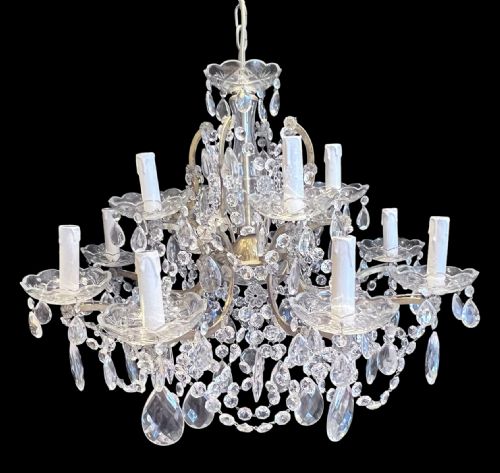
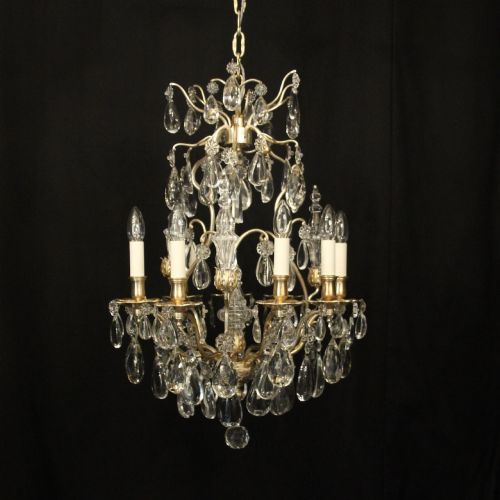
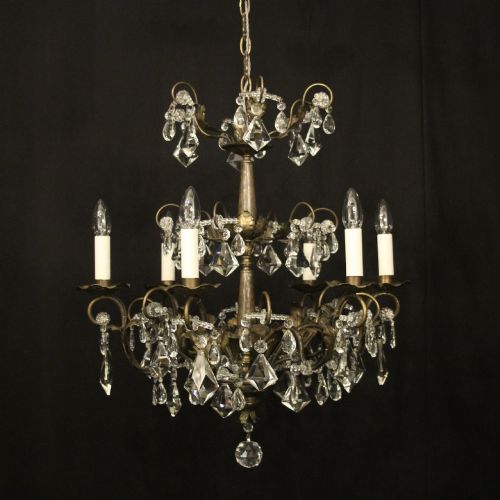
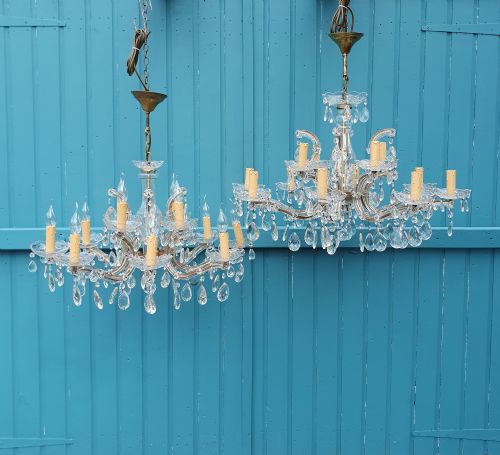
A tiered glass chandelier brings height and layered sparkle to a room, offering grand illumination through cascading drops and multiple tiers.
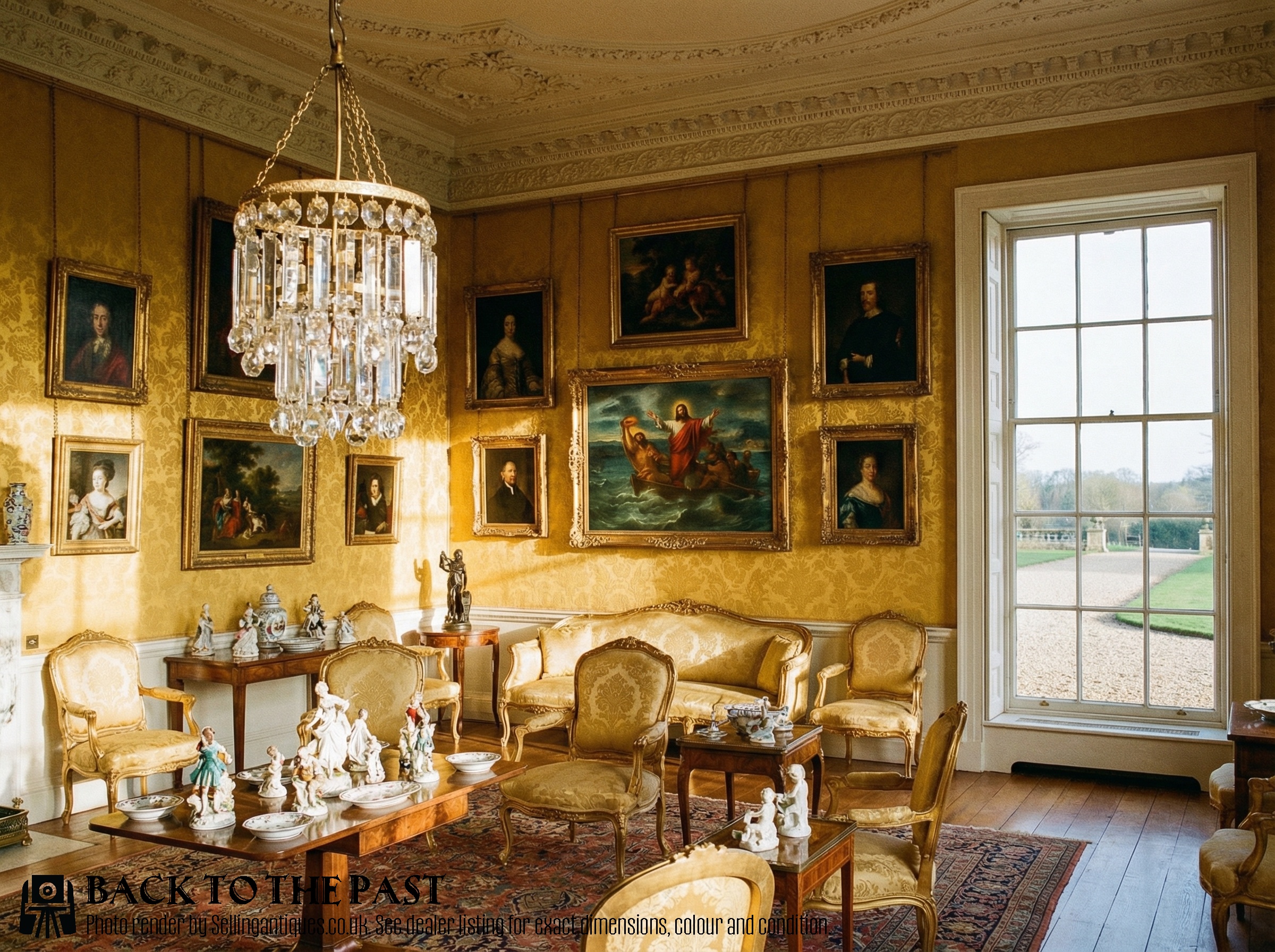
Tiered Glass Chandelier
The selections span periods from the nineteenth century through the early twentieth century, including Edwardian and Art Deco examples. Origins frequently trace to French, Italian, Bohemian, and English workshops.
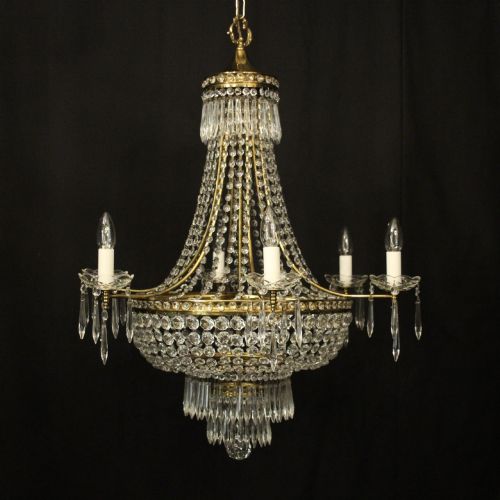
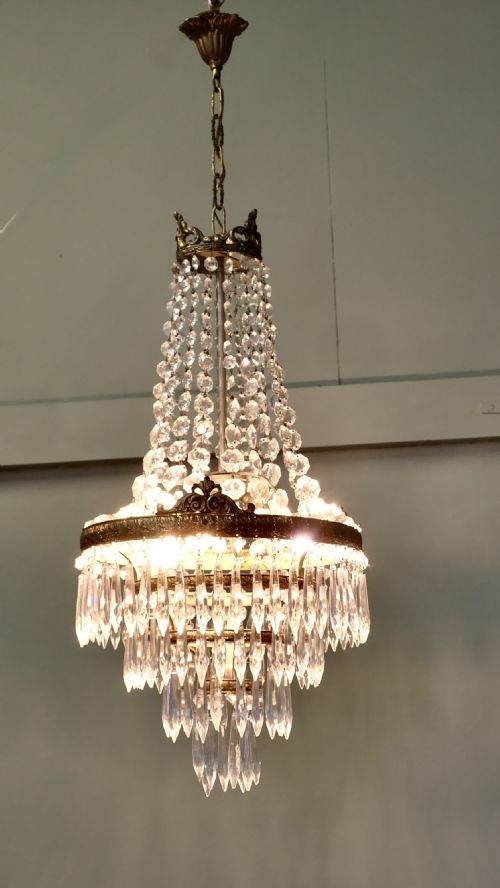
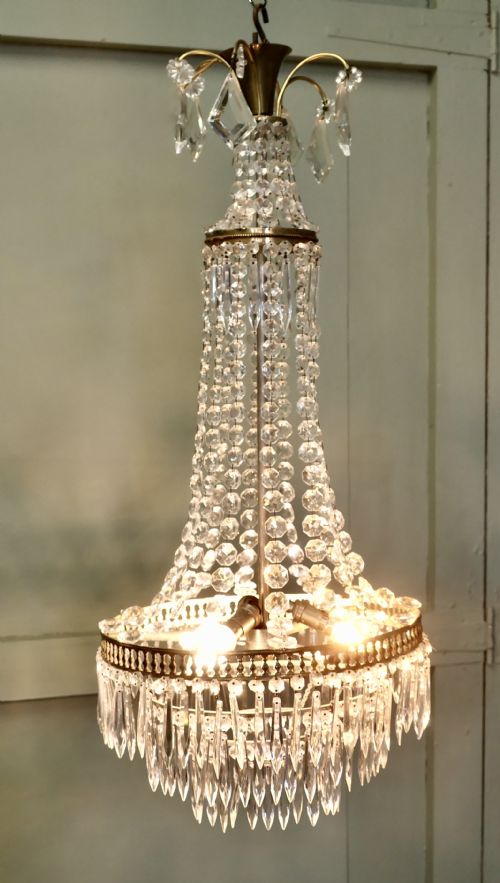
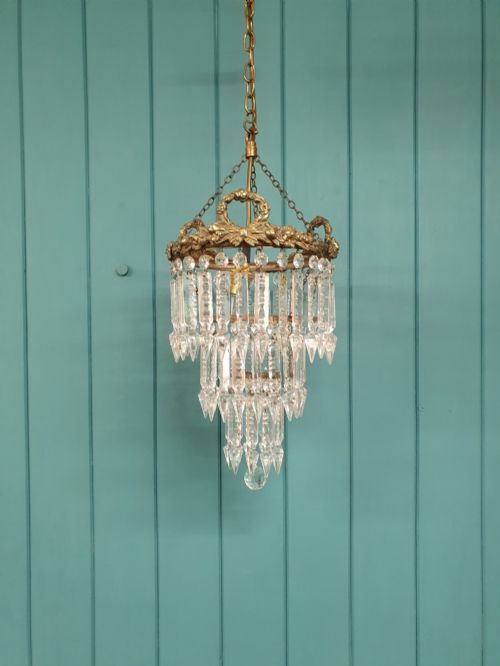
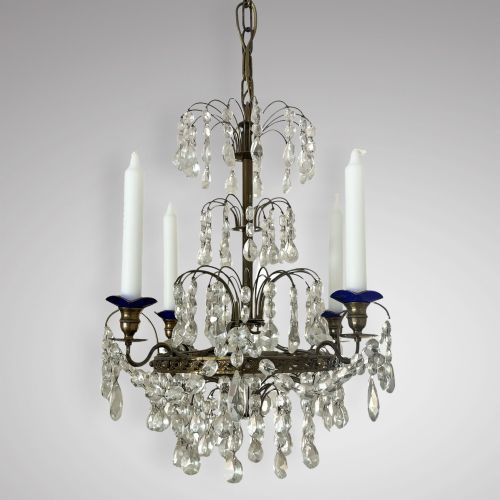
Common layouts include tent and waterfall structures, spike designs, and multi-light configurations holding up to twenty-five lights. Materials combine glass, crystal, and cut crystal with brass, gilt brass, and bronze frames.
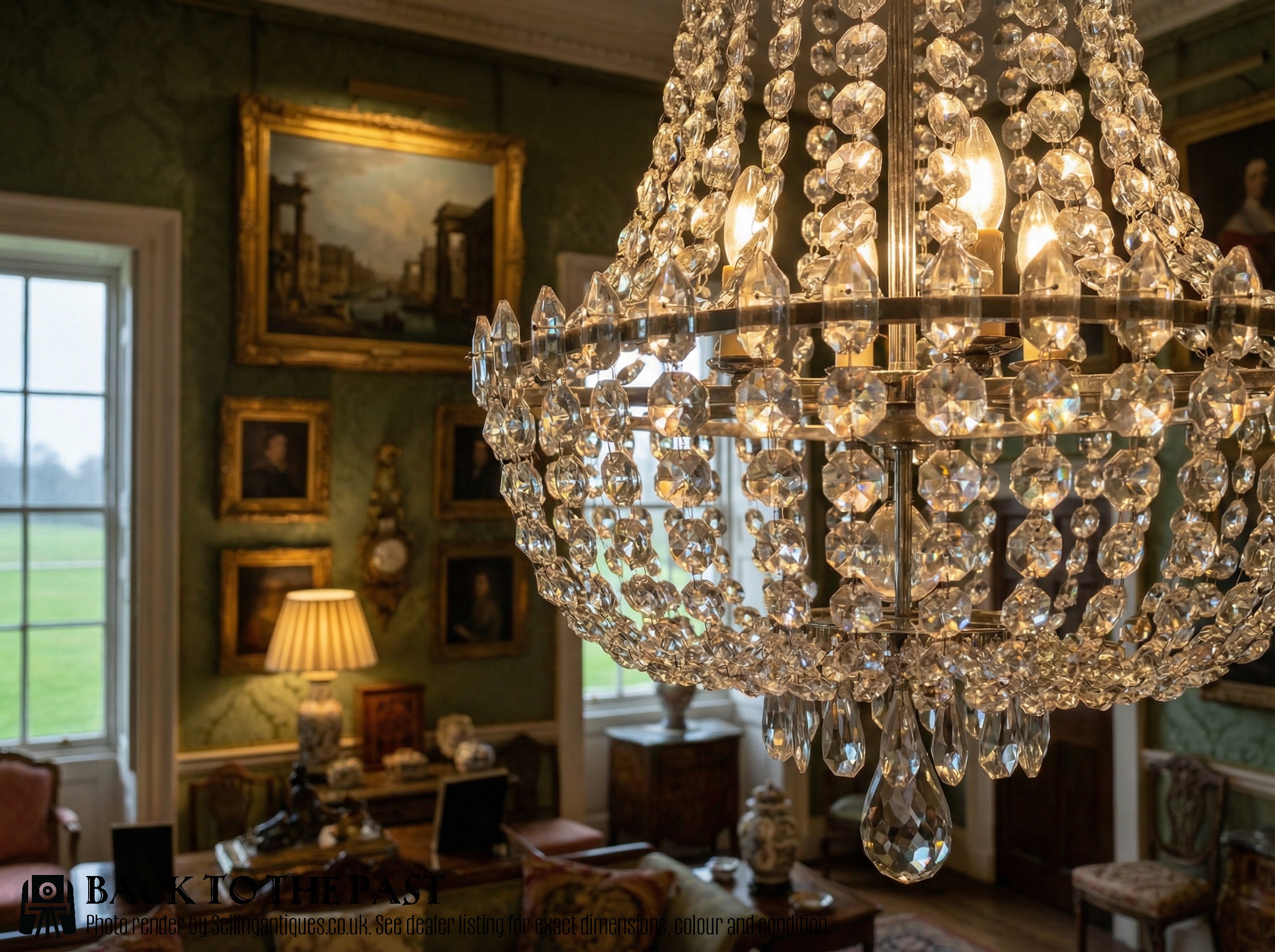
Materials and construction
Frames rely on cast brass, gilt bronze, and silver-gilded metal to support the heavy weight of glass components. These structural elements are shaped in French Empire, Rococo, and Florentine styles.
Illumination elements incorporate cut glass, crystal glass, and moulded drops hung systematically from arms and crowns. Precision cutting on the crystal components maximises the refraction of light across the tiers.
Tiered Glass Chandelier Retail Price Guide 2026
Typical asking prices for tiered glass chandelier among the pieces listed under this phrase on Sellingantiques today, from the lower quarter to the upper quarter. They describe what is for sale here now, not the wider market.
Listings feature pieces spanning from the early 19th century through the 1930s, constructed in styles from French Empire to Art Deco.
Assessing quality and craftsmanship
Quality rests in the clarity and depth of the crystal cutting, which determines how brilliantly the fixture refracts light. Superior examples feature hand-cut drops and intricate beaded arms rather than simple moulded glass.
The weight and finish of the metal frame dictate the overall stability and presence of the piece. Heavier cast bronze or gilt-brass mountings provide structural integrity for larger multi-tier configurations.
Baccarat
The Tiered Glass Chandelier Glossary
- Waterfall chandelier
- A lighting fixture featuring dense cascades of hanging glass drops that resemble falling water. This design creates a shimmering curtain effect around the internal lights.
- Tent and waterfall
- A specific configuration where an upper tent of strung crystal beads feeds into a cascading lower waterfall of drops. It represents a classic French Empire arrangement.
- Spike chandelier
- A vertical fixture characterised by central spires or spikes hung with lustre drops. These compact pieces often date from the early twentieth century.
- Electrolier
- A large lighting fixture originally designed for electricity or later converted from gas or candles. The term frequently appears in descriptions of substantial nineteenth-century pieces.
- Lustre
- A glass pendant or drop hung from a chandelier to catch and reflect light. Lustres vary in shape from simple tears to complex cut-glass prisms.
Tiered Glass Chandelier: Frequently Asked Questions
How do I hang a heavy multi-tier chandelier?
Installation requires securing the fixture directly into ceiling joists using a rated metal hook and box capable of supporting the combined weight of the metal frame and crystal drops.
Consulting a professional electrician ensures the wiring safely handles the total number of light bulbs specified by the original design.
What rooms suit a waterfall chandelier?
These fixtures suit spaces with sufficient vertical clearance, such as entrance halls, stairwells, and formal dining rooms where the cascading drops can be viewed from below.
Smaller multi-tier or spike variations can also fit bedrooms or sitting rooms with standard ceiling heights.
How do I clean a crystal chandelier?
Cleaning involves wiping individual glass drops and crystal strands with a specialist glass cleaner applied to a soft cloth rather than spraying the entire fixture directly.
Removing dust regularly prevents buildup on the cut surfaces, preserving the reflective quality of the glass.
How can I tell the period of a chandelier?
Dating relies on examining the metal casting techniques, frame styles, and the specific cut of the glass drops, such as nineteenth-century gilt bronze versus early twentieth-century Art Deco forms.
Examining the wiring methods and structural fixings also provides clues to the manufacturing era.