
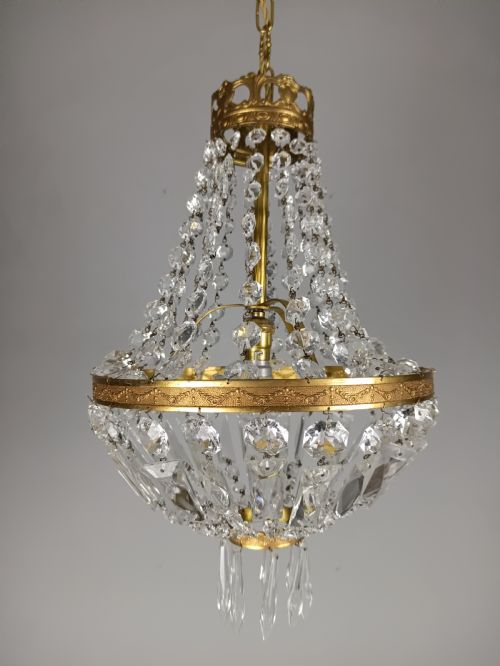


Regency Crystal Chandelier
A regency crystal chandelier brings dramatic illumination and refractive sparkle to a room, combining cascading glass drops with classical metal frames.
What they are
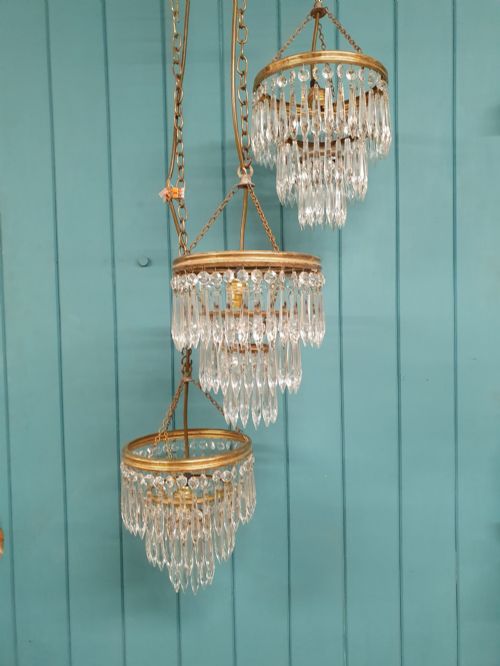
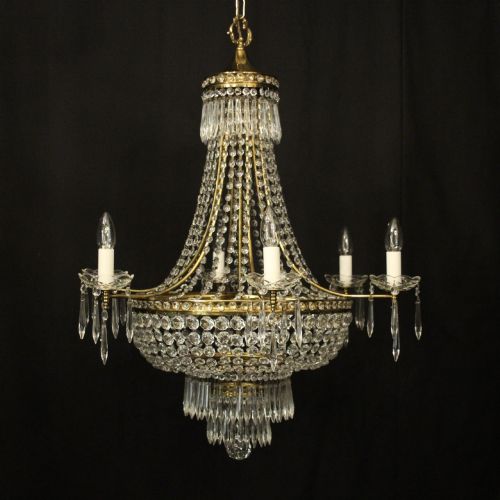
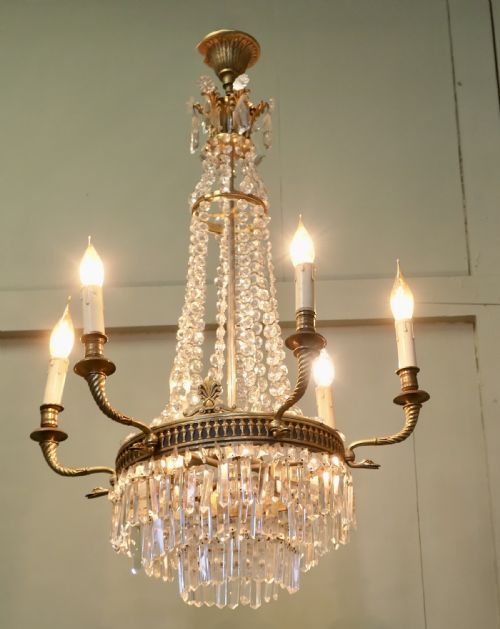
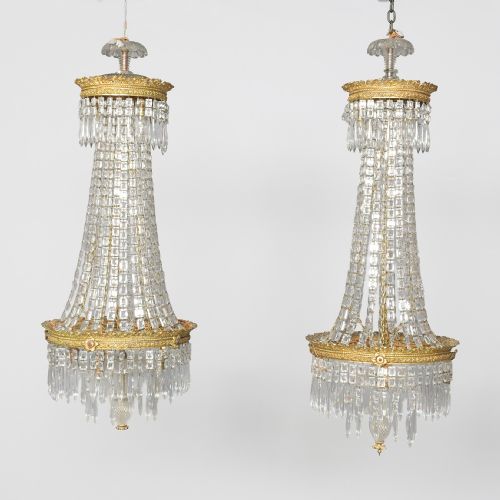
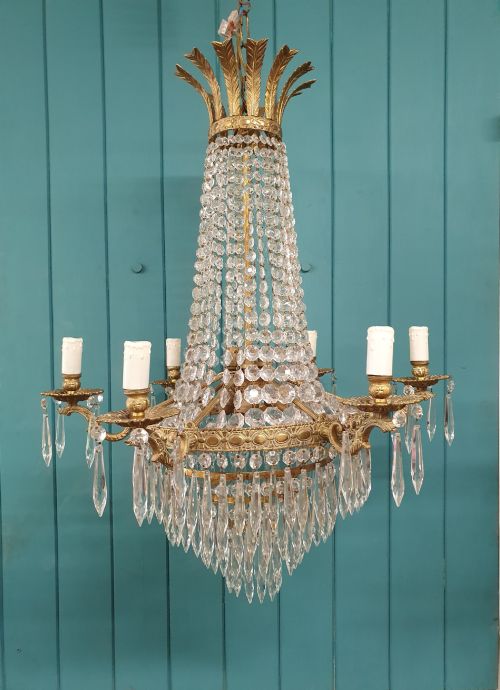
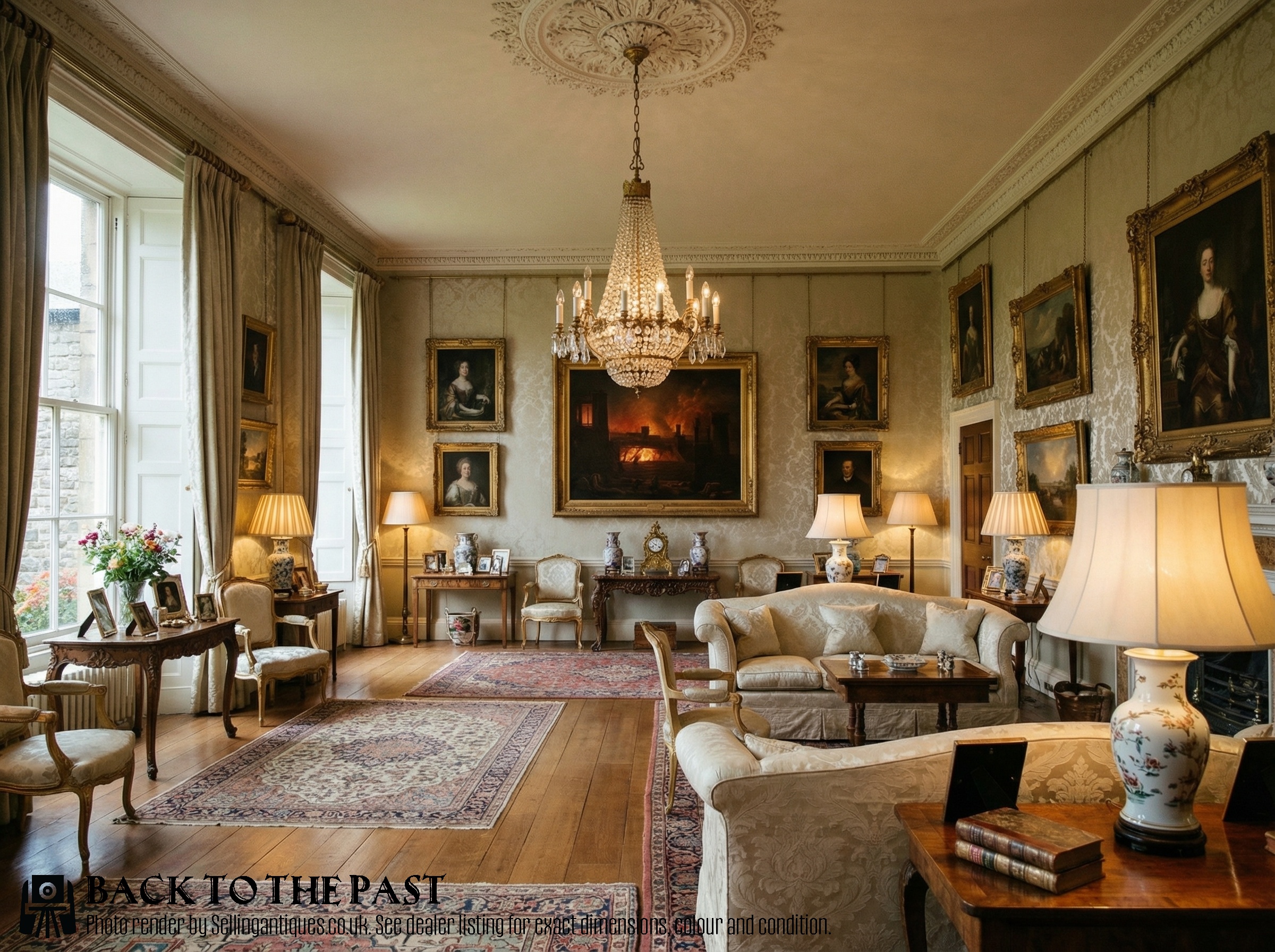
When searching for a regency crystal chandelier, buyers encounter grand lighting fixtures designed to anchor formal spaces. The examples on this page span the late nineteenth and early twentieth centuries, adopting Regency, French Empire, French Chateau, and French Neoclassical styles.
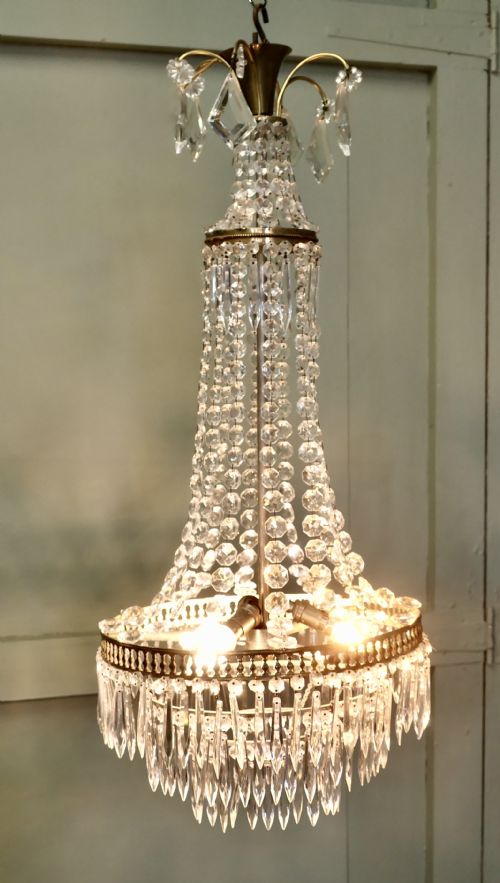
Most pieces on display take distinct architectural forms, featuring tent and waterfall configurations, bag designs, or multi-arm brass and gilt metal structures. They range from twelve-light arrangements up to larger sixteen-light formats intended for high ceilings.
These chandeliers draw on historical English and French design vocabularies. They utilise rich metallic frames paired with extensive glass drops to distribute candle or electric light effectively.
How they were made
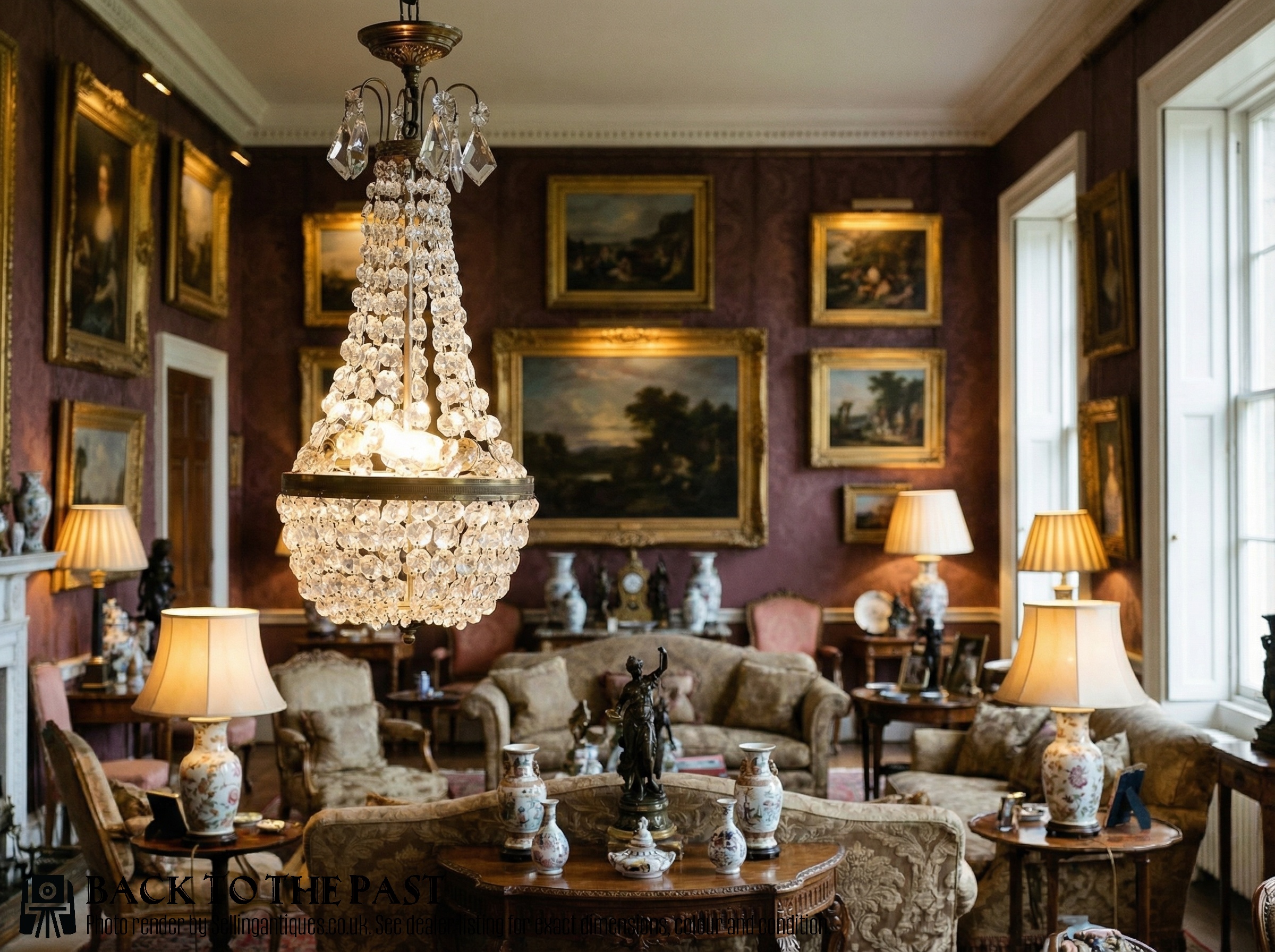
The construction of these fixtures relies on robust metal skeletons fashioned from brass, gilt metal, and gilded bronze. These frames support the weight of numerous glass elements while providing decorative armatures for multiple lights.
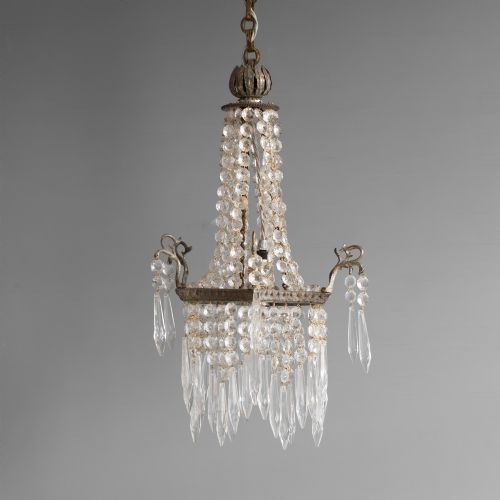
Artisans adorned these metal structures using cut glass, cut crystal, and plain glass components. Individual drops, beads, and pendeloques were wired or pinned together to form the characteristic tents, waterfalls, and bags.
Retail Price Guide 2026
Typical UK retail prices for regency crystal chandelier, calculated from the Sellingantiques database of over a million retail prices indexed since 2003. This retail price guide relies exclusively on Sellingantiques data; no external sources or auction records are used, so the figures do not describe the wider market.
Some chandeliers hide so many glass beads that counting them all takes longer than polishing the silver.
What varies in quality
Quality rests in the weight and purity of the glass elements, where deeply cut crystal creates sharper light refraction than simpler moulded glass. The precision of the metalwork, particularly the detailing on gilt bronze or brass arms, further distinguishes finer examples.
The complexity of the design architecture dictates the upper tier of the range. Elaborate multi-tiered tent and waterfall constructions with dense beadwork require significantly more artisan effort than simpler multi-arm configurations.
The Regency Crystal Chandelier Glossary
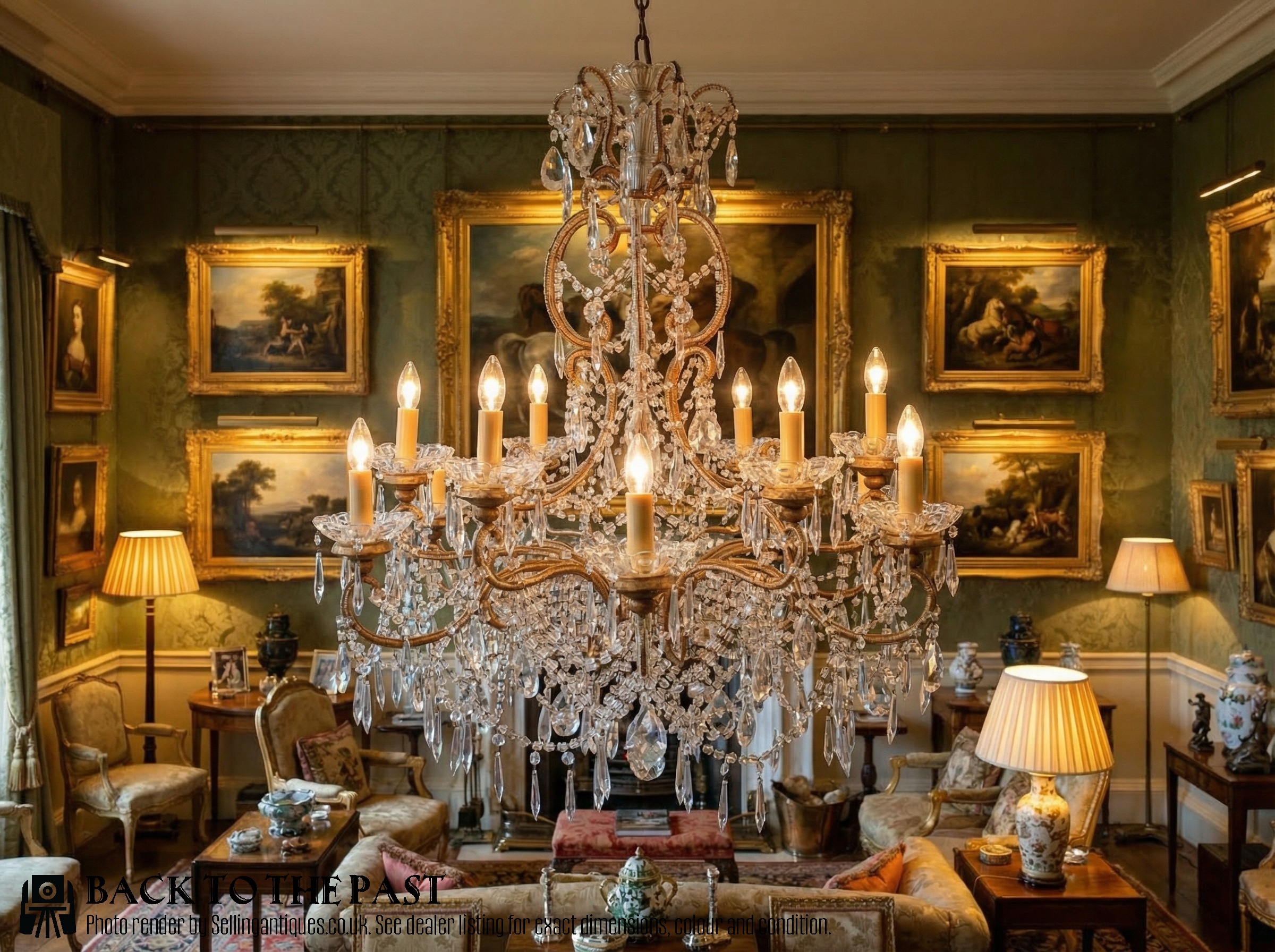
- Tent and waterfall
- A style featuring a tight upper canopy of strings of beads forming a cone shape, dropping into cascading glass below. This arrangement maximises the reflective surface area.
- Gilded bronze
- Metal cast and subsequently coated in a layer of gold leaf or gilt wash. It provides a warm, durable finish for the structural arms.
- Cut glass
- Glass that has been faceted on a wheel to produce sharp edges that catch and disperse light. It differs from mould-pressed glass by its hand-finished clarity.
- Bag chandelier
- A lighting form where the lower section resembles a gathered pouch or bag of glass beads. It conceals the internal light source while creating a dense sparkling mass.
- Pendeloque
- A hanging glass drop, often pear-shaped or oval, faceted to reflect light. These pendants dangle from the main frame and arms.
Frequently Asked Questions
How do I clean a crystal chandelier?
Maintenance involves wiping individual glass drops and metal frames with a specialist cleaning solution and a soft cloth. It is advisable to clean them in situ to avoid straining the wiring and structural pins.
Careful handling ensures that delicate cut glass components and gilded metal surfaces retain their finish without accidental damage during the process.
Are these chandeliers wired for modern electricity?
Most antique lighting fixtures of this scale have been adapted over time to accept standard electrical fittings. Buyers should inspect the internal wiring to ensure it meets contemporary safety standards.
Rewiring can usually be undertaken by a professional electrician if the existing installation requires updating for domestic use.
How do I choose the right size?
Scale is determined by room dimensions and ceiling height, ensuring the fixture does not overwhelm the floor space or hang too low. Large sixteen-light examples require substantial ceiling clearance to hang correctly.
Consider the weight of the metal and crystal structure when assessing the ceiling rose and support fixings in your property.
What defines the French Empire style?
The French Empire style draws heavily on classical antiquity, incorporating symmetrical metalwork, gilt bronze, and formal arrangements of crystal drops. These pieces often feature prominent central crowns and structured tent formations.
They reflect the grandeur of nineteenth-century interior decoration, prioritising architectural presence and rich surface finishes.