


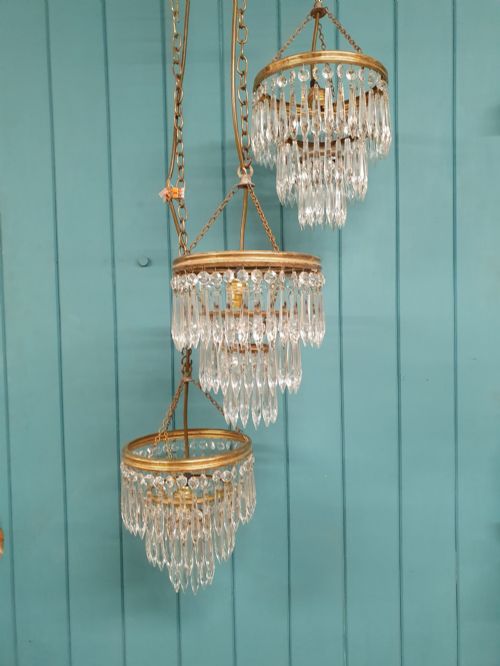
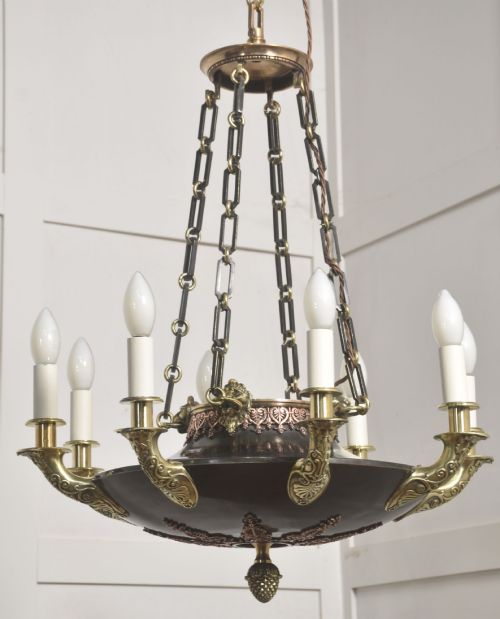
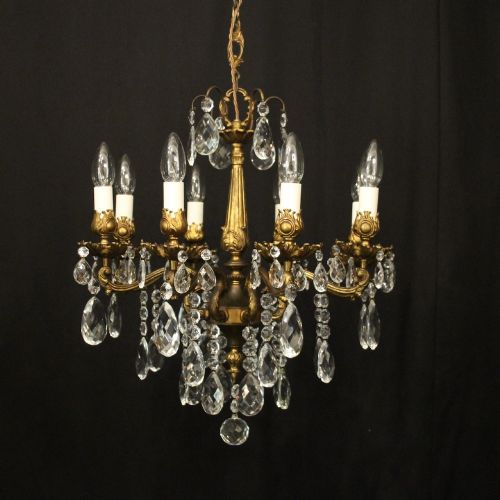
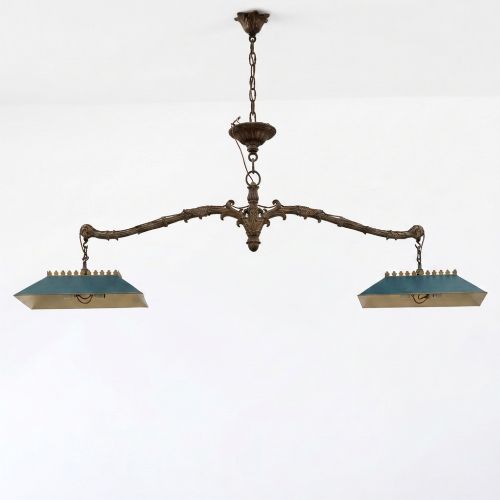
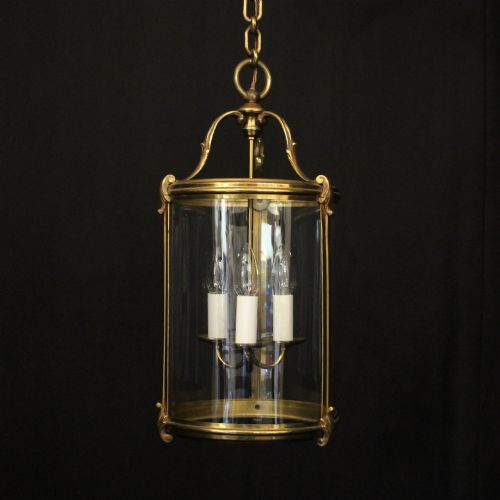
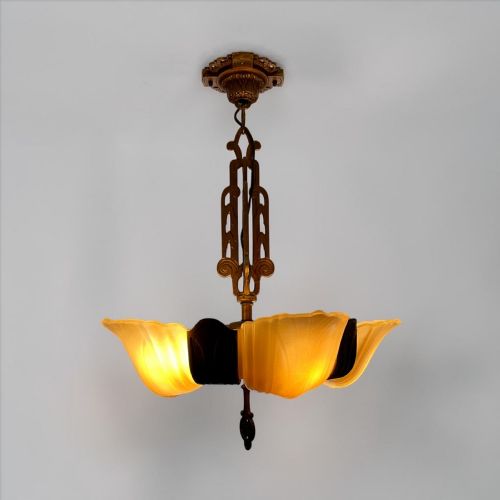
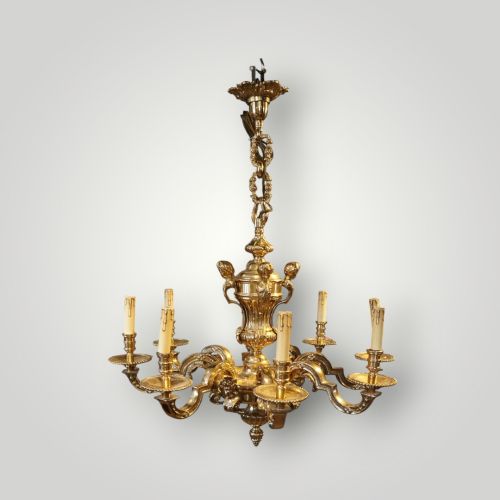
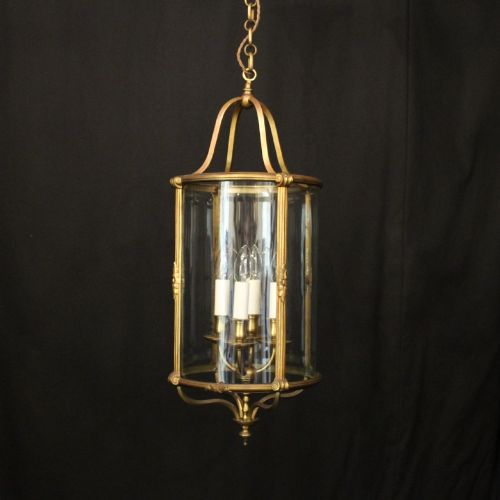
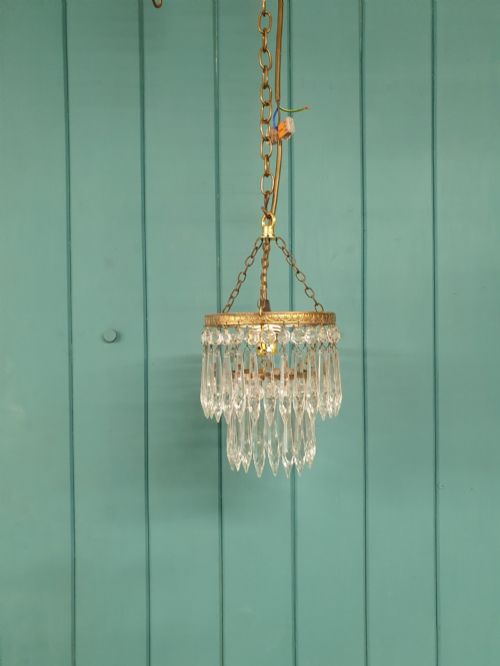
Antique Brass Pendant Lamp
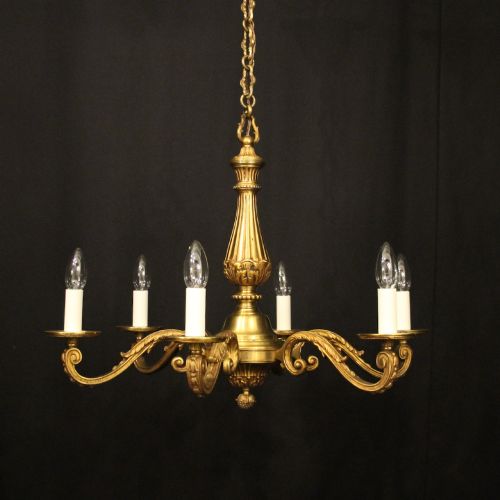
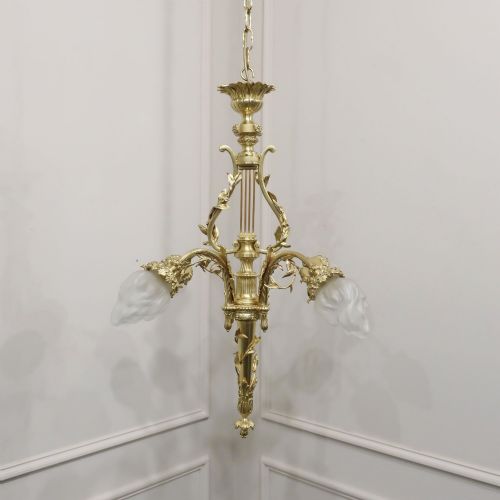
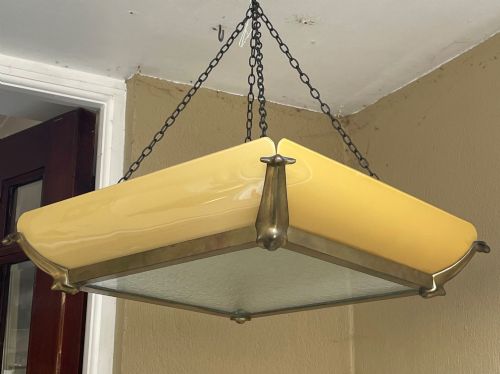
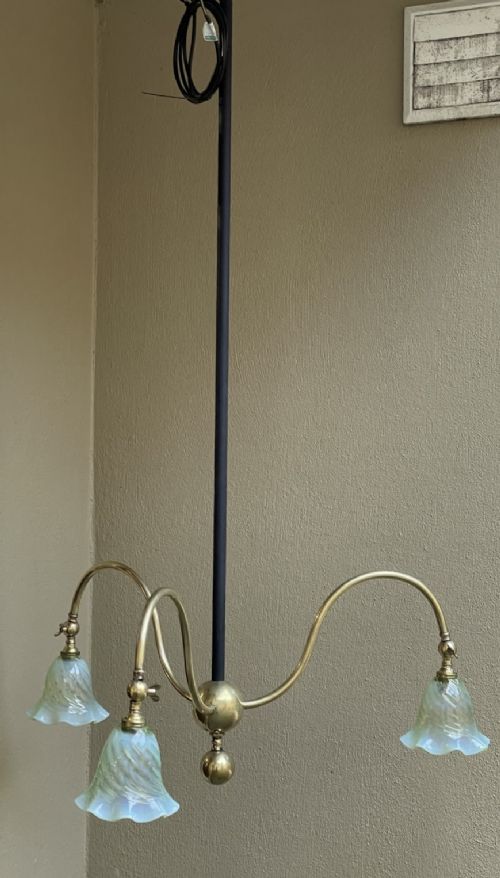
An antique brass pendant lamp brings warm metal tones and period character to a room, offering functional overhead illumination with genuine historical presence.
Antique Brass Pendant Lamp
The inventory on this page leans heavily towards French and English domestic lighting, featuring styles from French Chateau and Empire to robust Industrial designs. Common forms include hall lanterns, glass globes, and cut-glass crystal ceiling fixtures suspended from ceilings by chains or rods.
Buyers are most likely to meet mid-tier domestic hanging lights from the early twentieth century, alongside decorative pieces incorporating opaline or cut glass shades. These fixtures suit hallways, living spaces, and dining rooms where period authenticity is paramount.
Materials and construction methods
The construction of these hanging lamps relies primarily on cast and spun brass, often paired with bronze or gilt metal frames to provide structural integrity and decorative appeal. Metal components are frequently combined with leaded glass, cut crystal, or moulded glass shades to diffuse the light.
Manufacturing techniques of the nineteenth and early twentieth centuries involved traditional metalworking, casting, and hand-finishing, resulting in solid frames designed to support heavy glass elements. Surface treatments include gilding, patination, and hand-painting on glass shades.
Town hall officials in Manchester once conducted meetings beneath the warm glow of an Arts and Crafts brass ceiling light.
Assessing quality in period lighting
Quality in these hanging lamps rests on the weight and thickness of the brass casting, the crispness of decorative chasing, and the integration of original components. Superior pieces exhibit refined metal detailing and harmonious proportions between the metal frame and glass elements.
The grade of the glass components - such as hand-cut crystal, heavy leaded glass, or mould-blown opaline - distinguishes standard utility lighting from high-status decorative fixtures. Complete sets of matching original shades or crystal drops elevate the integrity of a piece.
The Antique Brass Pendant Lamp Glossary
- Plafonnier
- A ceiling-mounted light fixture that sits flush or very close to the ceiling surface. This French term typically describes bowl-shaped glass or crystal shades mounted in a brass frame.
- Opaline glass
- A milky, semi-translucent white or coloured glass popular for diffusing light softly. It was widely utilised in Victorian and Edwardian lighting shades.
- Gilt bronze
- Bronze metal that has been treated with a thin layer of gold leaf or gilt wash. Also known as ormolu, this finish provides a bright, luxurious surface sheen on formal nineteenth-century pieces.
- Spike chandelier
- A vertical metal frame chandelier featuring multiple radiating arms and crystal drops arranged in a tapering profile. These fixtures were favoured in Edwardian interiors for their sparkling illumination.
Antique Brass Pendant Lamp: Frequently Asked Questions
How do I hang a heavy brass pendant?
Hanging a heavy period light requires securing the fixture directly to a ceiling joist or utilising a proper ceiling hook rated for substantial weight. Professional electrical installation ensures the brass canopy bears the load safely.
Adjusting the chain or rod length should be done prior to final wiring to ensure the lamp hangs at the correct height for the room.
Are these lamps wired for modern electricity?
Many period hanging lights retain older wiring or have been partially updated, but buyers should anticipate having a qualified electrician inspect and rewire the fixture. Modern standards require proper earth grounding and correct lampholders.
Rewiring also allows for the safe integration of contemporary LED bulbs that mimic the warm glow of period illumination.
How do I clean antique brass safely?
Cleaning antique brass involves dusting with a soft dry cloth and avoiding harsh chemical polishes that strip the historical patina. Gentle soapy water can remove surface grime from metal surfaces without damaging the finish.
Glass and crystal shades can be removed and washed separately in warm water before being dried thoroughly and reattached.
How do I date an antique pendant lamp?
Dating a hanging lamp involves examining the manufacturing techniques, screw threads, and electrical components where present. Hand-cut crystals, heavy brass castings, and specific glass shade styles point towards distinct eras like the Victorian or Art Deco periods.
Stylistic cues such as neoclassical motifs or industrial factory forms further narrow down the decade of origin.