
Traditional Hall Lantern Light
A traditional hall lantern light illuminates an entryway with period metalwork and glass, bringing warmth and character to narrow spaces.
Traditional Hall Lantern Light
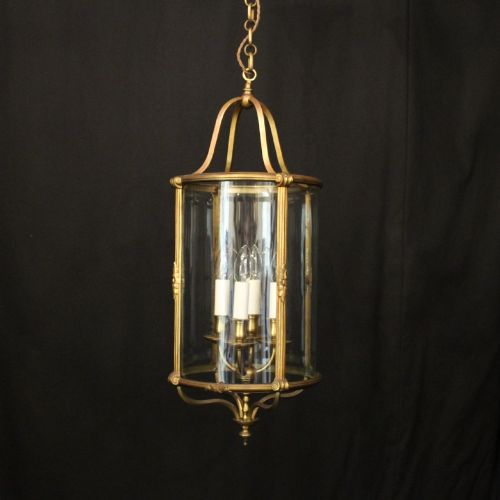
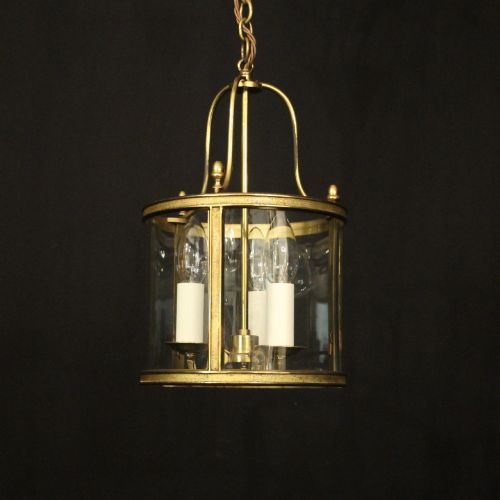
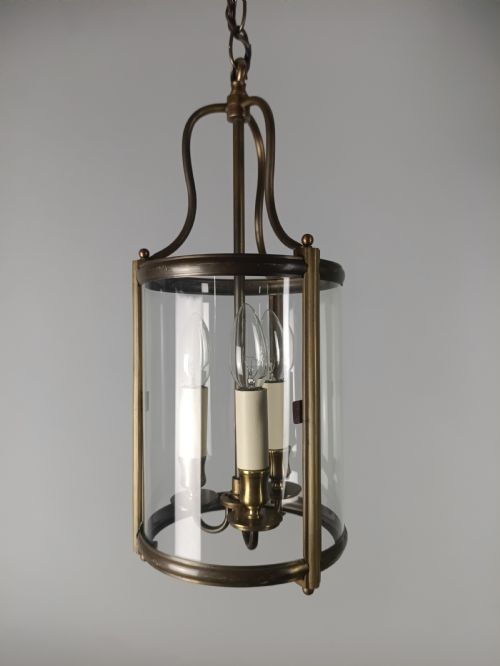
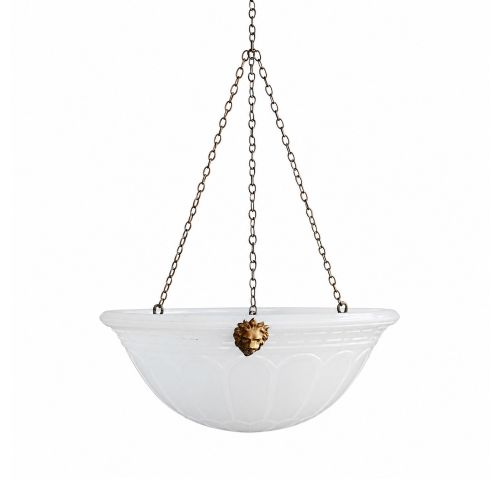
A traditional hall lantern light is a ceiling-hung fixture designed specifically for corridors, stairwells and entrance spaces. These pieces provide functional illumination while establishing the decorative character of a home the moment the door opens.
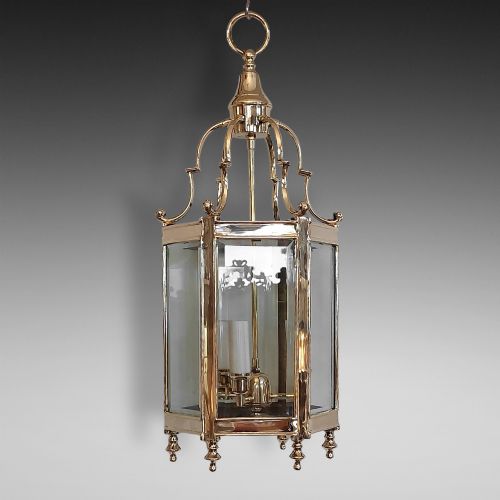
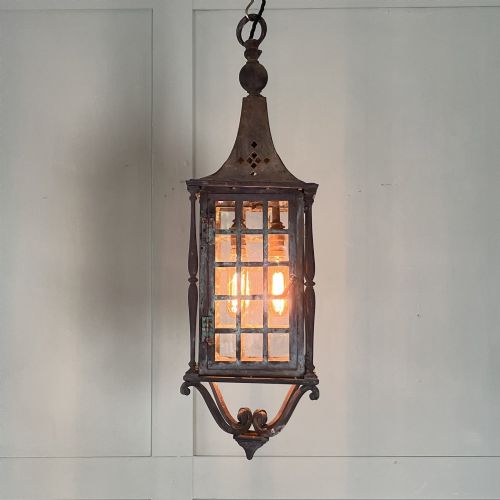
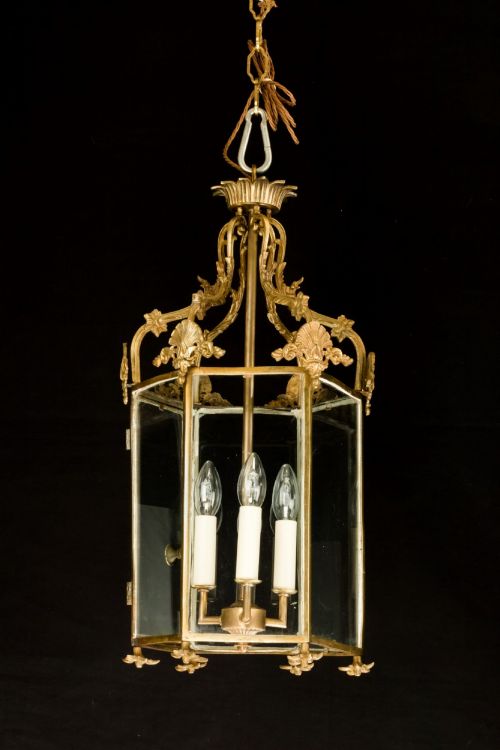
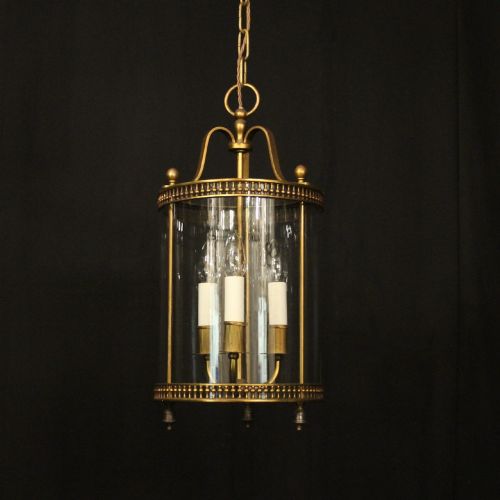
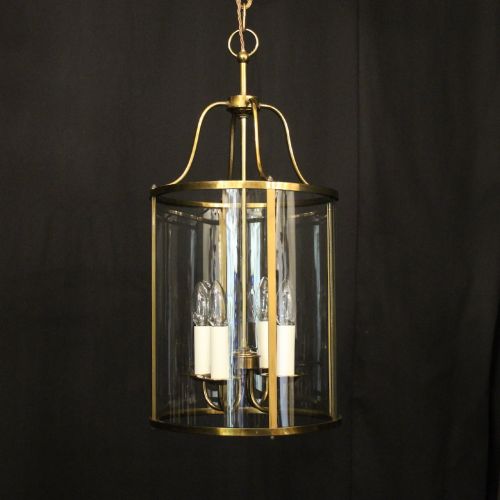
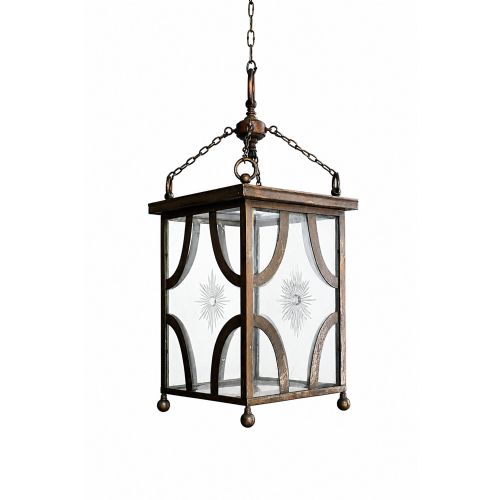
The selections available range from Edwardian brass hexagonal frames to French gilded bronze and wrought iron designs. Most date from the nineteenth and early twentieth centuries, spanning Victorian, Edwardian and Arts and Crafts movements.
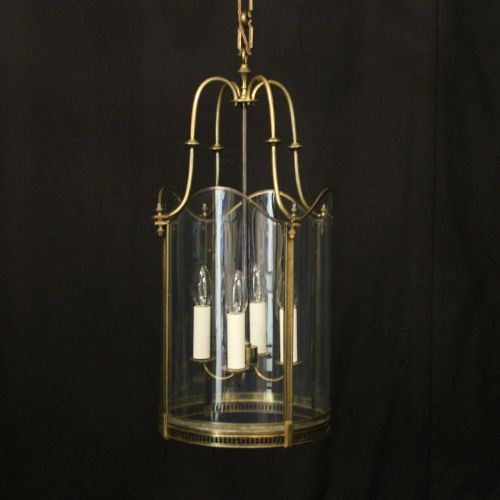
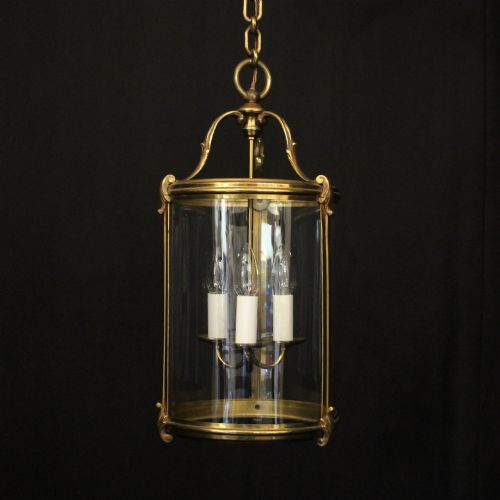
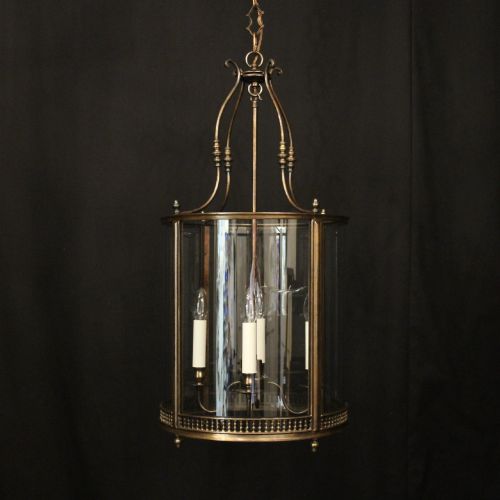
Makers focused on creating vertical presence through glass and metal construction, employing convex or bevelled panes to refract light across entrance walls.
Construction and materials
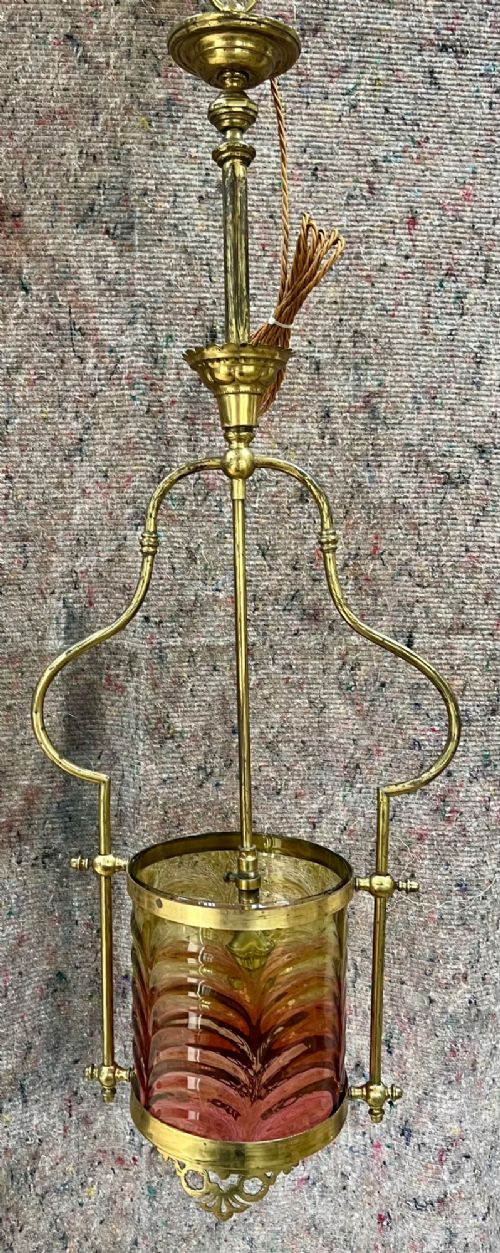
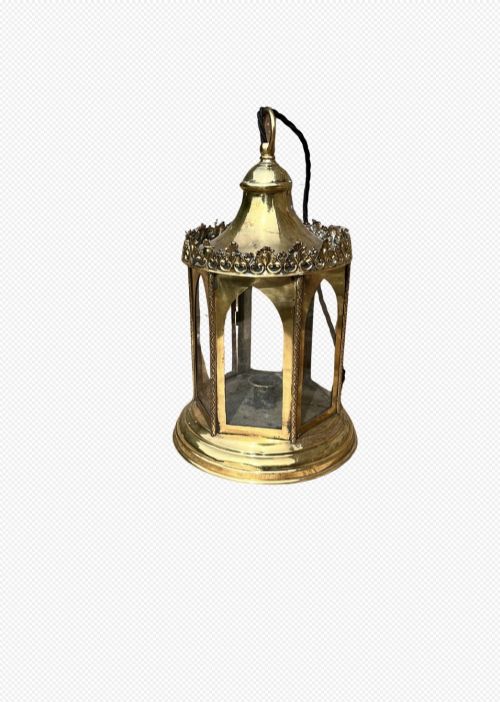
The primary structure relies on cast and sheet brass, bronze, gilt brass, and wrought iron forming rigid skeletal frames. Metal components are frequently gilded or polished to catch ambient light within confined spaces.
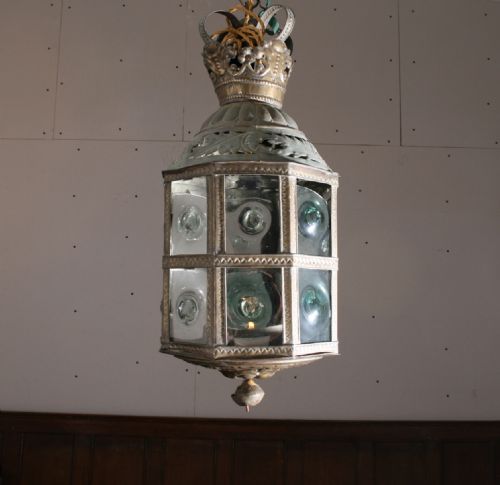
Glazing techniques define the visual weight of these fixtures, incorporating hand-blown bullseye glass, moonstone panes or heavy bevelled glass. Individual glass panels are secured within metal channels using traditional leads or glazing bars.
Some early twentieth-century lanterns weigh enough to test the sturdiest hallway ceilings, concealing robust metalwork beneath decorative French gilding.
Assessing quality
Quality rests in the weight of the cast metal and the clarity of the glass panels. Thicker gauge brass and finely chased bronze frames retain structural integrity far better than thin, pressed alternatives.
The integration of hand-blown or heavy bevelled glass elevates a piece above standard production. Superior examples feature complex multi-light internal clusters and crisp architectural details such as neo-classical mounts or hand-wrought scrolls.
The Traditional Hall Lantern Light Glossary
- Convex glass
- Curved glass panels that project outward to diffuse light across a wider angle. This technique softens harsh internal bulb glare.
- Bevelled glass
- Glass panes with angled edges cut and polished to catch and refract light. This adds a decorative sparkle to the fixture.
- Hexagonal lantern
- A six-sided hanging light fixture that provides multidirectional illumination. The geometric shape is typical of Edwardian hall designs.
- Bulls-eye glass
- Round glass panes featuring a central circular distortion left by the blowing iron. These offer texture and historical authenticity.
- Gilded bronze
- Bronze metal treated with a thin layer of gold leaf or gilt finish. This technique combines structural strength with a warm metallic lustre.
Traditional Hall Lantern Light: Frequently Asked Questions
How do I hang a hall lantern safely?
Suspension requires a sturdy ceiling hook secured directly into joists or solid masonry. Professional electricians should check internal wiring and support chains to bear the full weight of brass or bronze frames.
Height placement depends on ceiling clearance and door swings. The bottom of the lantern usually hangs well above head height to maintain clear passage in narrow hallways.
Can I use modern LED bulbs inside antique lanterns?
Modern LED bulbs fit standard lamp holders inside these fixtures while producing less heat than older incandescent types. This protects vintage wiring and fragile glass components from thermal stress.
Selecting warm white bulbs preserves the golden hue cast through amber glass, bevelled panels and gilded bronze frames.
How do I clean brass and glass lanterns?
Glass panels benefit from regular wiping with a soft cloth and mild glass cleaner to maintain maximum light output. Removing the panels makes thorough cleaning easier without straining the metal frame.
Brass and bronze elements require gentle dusting and occasional waxing rather than harsh chemical polishes. Preserving the natural patina maintains the historical appearance of older metalwork.
What ceiling height suits a hanging lantern?
High ceilings allow for larger multi-light pendants or drop lanterns with extended chains. Standard entranceways accommodate more compact hexagonal or flush-hanging bracket designs.
Proportion remains essential when balancing the width of the lantern against the dimensions of the hallway.