





Antique Glass Flycatcher Light
These antique glass flycatcher light fixtures bring a bright, diffused glow and striking period character to hallways and rooms.
Antique Glass Flycatcher Light
An antique glass flycatcher light provides overhead illumination using a suspended glass shade that captures and softens light from above. When buyers search for an antique glass flycatcher light, they find ceiling lights, pendant lights, and ceiling light shades designed to hang from suspension fittings.
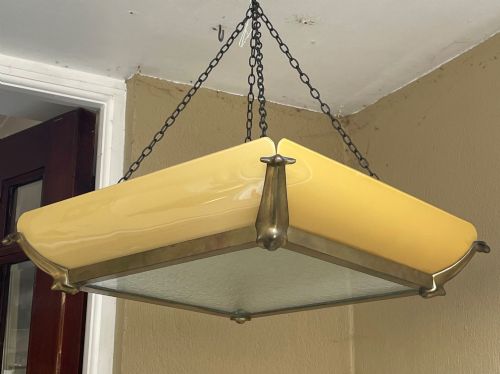
The pieces appearing on this page span several distinct periods including the 19th Century, the Edwardian era, 1920, and 1930. Forms include ceiling pendant bowls, dish lights, plafonnier light shades, and hanging lights.
Most examples hail from English workshops and present specific decorative styles such as Edwardian, Art Deco, Neoclassical, and Arts and Crafts. Buyers are most likely to meet 1920 and 1930 creations featuring opalescent or moonstone glass.
How they were made
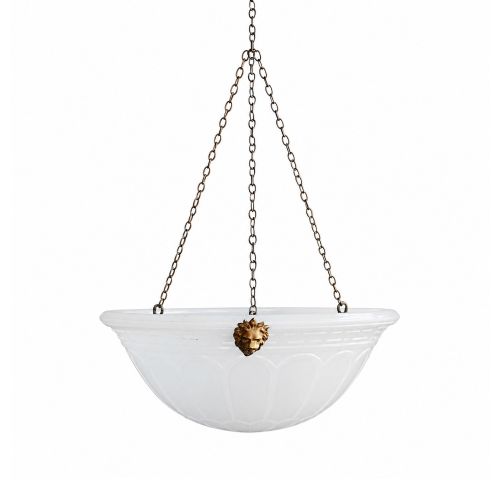
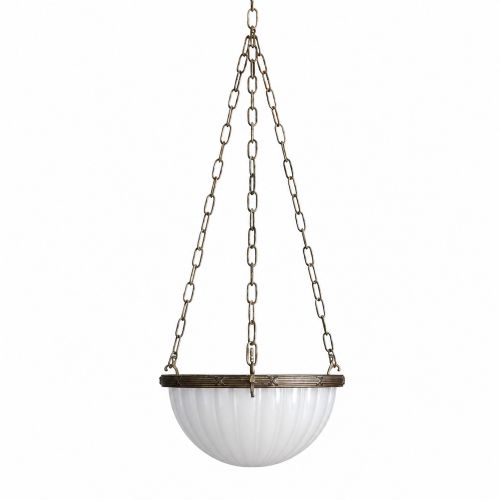
Maker workshops shaped these shades using glass, moonstone glass, frosted glass, opalescent glass, painted glass, and cut glass. These translucent materials were formed into bowls and dishes designed to diffuse light evenly across a space.
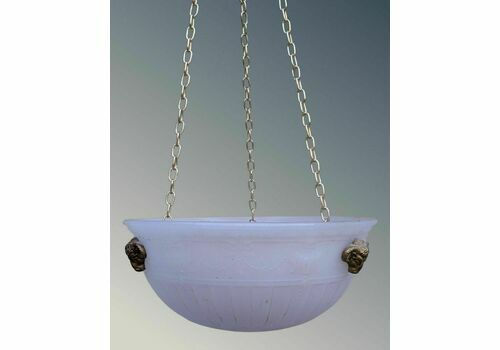
Hanging mechanisms and decorative mounts combine brass, patinated brass, bronze, and metal components. Selected pieces incorporate detailed bronze rams head mounts, enamelled details, and cut glass patterns to enhance the visible metalwork and glass surface.
Antique Glass Flycatcher Light Retail Price Guide 2026
Typical asking prices for glass flycatcher light among the pieces listed under this phrase on Sellingantiques today, from the lower quarter to the upper quarter. They describe what is for sale here now, not the wider market.
Some shades feature cast bronze rams heads, turning a simple ceiling bowl into a small neoclassical menagerie.
What varies in quality
Quality separates simple utility shades from pieces boasting artistic ambition through the depth of the glass medium and the complexity of its suspension hardware. Moonstone and opalescent varieties display nuanced shifts in opacity and tone that elevate the visual weight of the fixture.
The refinement of the supporting metalwork defines the upper tier of these hanging lights. Bronze mounts, patinated brass details, and classical motifs like rams heads indicate an elevated standard of design compared to plain functional metal suspensions.
Jefferson
The Antique Glass Flycatcher Light Glossary
- Moonstone glass
- A milky, translucent glass type that diffuses light with a soft, ethereal glow. It appears frequently on early 20th century hanging lights.
- Plafonnier
- A ceiling-mounted or shallow suspended bowl light shade. This French term describes bowls sitting close to the ceiling or hung on short suspension chains.
- Opalescent glass
- Glass containing ingredients that cause it to milky-blue or fire in different lights. It creates shifting colour effects when illuminated from within.
- Suspension
- The metal chains, rods, or wiring that holds a ceiling light shade aloft. These fittings often incorporate brass, bronze, or patinated metal.
Antique Glass Flycatcher Light: Frequently Asked Questions
What is an antique glass flycatcher light?
An antique glass flycatcher light is a suspended ceiling fixture featuring a glass bowl or dish that holds a lamp. The design directs illumination downward while diffusing a soft glow through the glass body.
These fixtures commonly appear as pendant lights or ceiling bowls. They serve as primary overhead lighting in period hallways, landings, and smaller rooms.
How do I hang these lights?
These lights suspend from ceilings using brass, bronze, or metal chains and suspension hardware. Wiring runs down through the centre to power the internal lamp.
Professional installation is recommended to ensure the ceiling structure securely supports the combined weight of the glass shade and metal mount.
Which periods are common?
The available pieces originate primarily from the early 20th century, specifically the 1920s and 1930s. Edwardian examples and 19th-century pieces also appear.
Stylistic markers range from Arts and Crafts simplicity to Neoclassical bronze mounts and geometric Art Deco forms.
What glass types exist?
Makers utilised moonstone glass, opalescent glass, frosted glass, painted glass, and cut glass. Each type alters how the internal bulb diffuses light.
Moonstone and opalescent varieties create a milky, luminous surface effect. Cut glass and painted finishes introduce sharper refraction and decorative colour.