


Victorian Bronze Hanging Lamp
A victorian bronze hanging lamp brings warm illumination and heavy, tactile presence to a high-ceilinged room.
Victorian Bronze Hanging Lamp
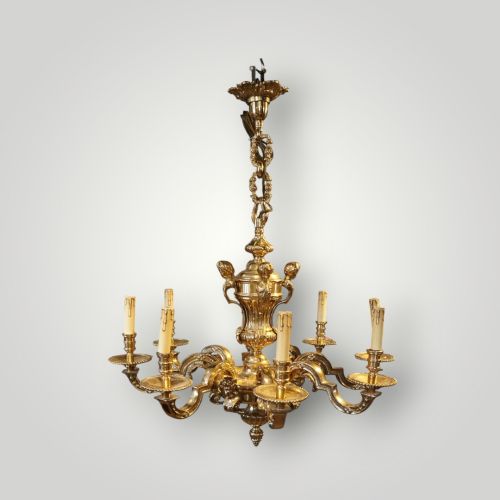
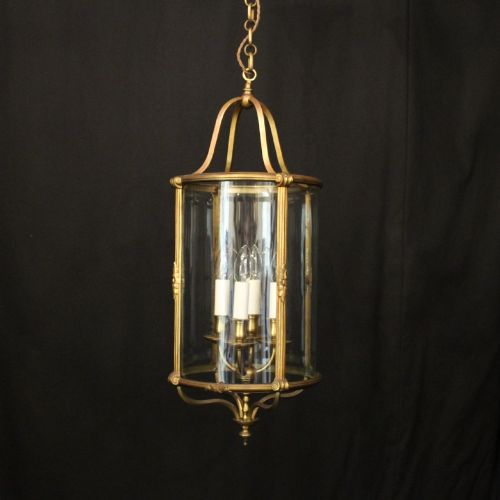
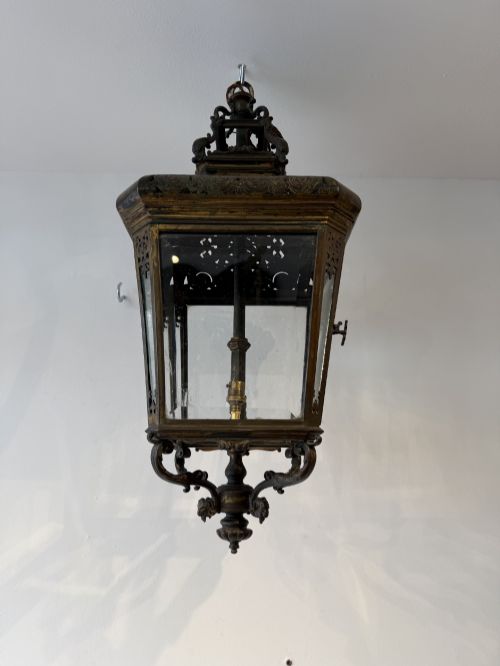
A victorian bronze hanging lamp encompasses multi-light chandeliers, hall lanterns, and pendant lights suspended from ceilings to light large domestic spaces. The pieces seen here span the nineteenth century and into the early twentieth century, carrying the stylistic weight of the period.
Chandeliers dominate the selection, offering multiple branches for candles or early electrification, alongside single-source hall lanterns and pendant lights. Forms range from simple cast metal frames to elaborate constructions involving cut glass shades and ceremonial vessels.
Stylistic influences stretch from French baroque and neoclassical revivals to gothic designs and Anglo-Indian work. The buyer encounters everything from austere bronze cages to heavily gilded brass and ormolu fixtures.
How they were made
Foundry work relied on casting bronze, brass, and gilt bronze into complex multi-armed frames and decorative lantern housings. Artisans shaped molten metal into structural arms and ornamental collars before applying gilding or leaving the dark bronze surface exposed.
Glass elements, particularly cut glass shades and panels, were integrated into the metal frames to diffuse the light source. These components required precise hand-cutting and fitting to secure them within the heavy bronze and brass structures.
One listed piece began its life as an incense burner before ending up on the ceiling.
What varies in quality
Quality rests in the crispness of the metal casting and the depth of the chased ornament across the arms and ceiling plates. Finer examples show sharp relief work and substantial weight in the primary bronze and brass components.
The integration of secondary materials like cut glass shades dictates the overall refinement of the piece. Superior lanterns and chandeliers maintain a coherent stylistic vocabulary, whether drawing on gothic revival or french neoclassical motifs.
The Victorian Bronze Hanging Lamp Glossary
- Bronze
- An alloy consisting primarily of copper, traditionally mixed with tin, used to cast durable and heavy lighting fixtures. It develops a rich dark patina over time.
- Ormolu
- A technique of applying finely ground high-carat gold to a bronze object, creating a bright golden finish often seen on revival pieces. This surface treatment requires careful cleaning to preserve the metallic lustre.
- Gilt Bronze
- Bronze that has been coated with a thin layer of gold, combining the strength of the base metal with a lustrous appearance. It appears frequently in nineteenth-century French lighting.
- Cut Glass
- Glass that has been faceted by cutting on a wheel, used for shades and bowls to refract light. The sharp edges of the cuts catch and scatter illumination across a room.
Victorian Bronze Hanging Lamp: Frequently Asked Questions
How do I hang a heavy bronze chandelier?
These pieces require professional installation into structural ceiling timbers using appropriate fixings rated for substantial metal weight. The suspension chain and ceiling rose must be secured safely.
Electrical wiring inside the fixture should be inspected by a qualified electrician to ensure safety standards are met before connecting power to the multiple lamp branches.
What rooms suit a hanging lantern?
Hall lanterns and pendant lights work effectively in entrance halls, stairwells, and high-ceilinged corridors where vertical space allows proper clearance. Their enclosed forms direct light downward.
Larger multi-armed chandeliers are better suited to principal reception rooms and dining spaces where they can serve as the primary visual and lighting focal point.
How do I clean antique bronze?
Dusting with a soft, dry cloth removes surface particles without disturbing the underlying metallic finish or patina. Avoid harsh chemical cleaners that strip the original surface.
Gilt and ormolu sections require particular care to prevent abrasion of the thin gold layer during maintenance.
Are these lamps electrified?
Most surviving pieces have been adapted for modern electricity over their lifespan, though wiring methods vary widely between individual items. Some retain older fittings that require updating.
Buyers should examine the internal wiring paths to determine if rewiring is necessary to match contemporary domestic standards.