
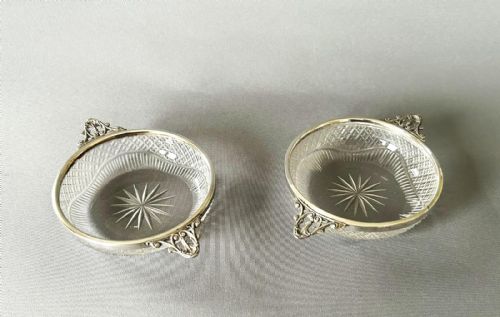


Victorian Glass Bowl
When you select a victorian glass bowl, you acquire a brilliant vessel that served dining tables and dressing rooms across the nineteenth and early twentieth centuries.
Victorian Glass Bowl
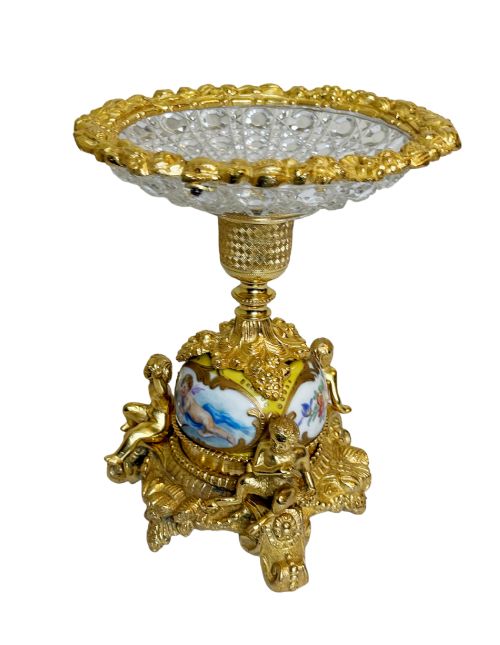
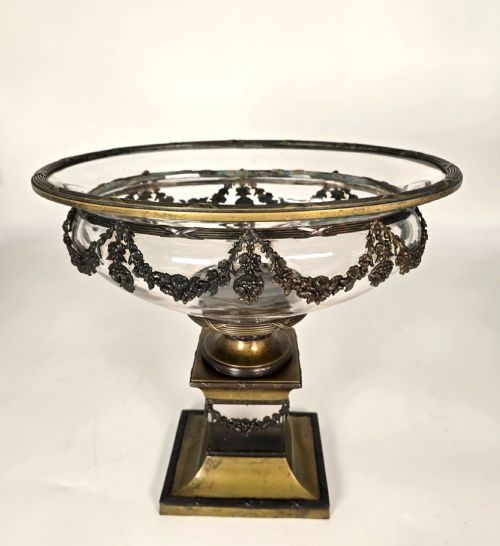
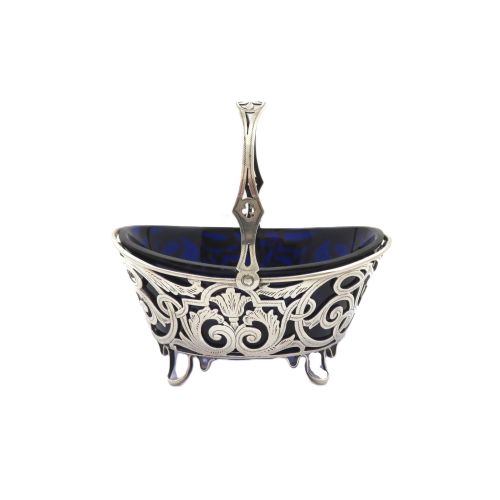
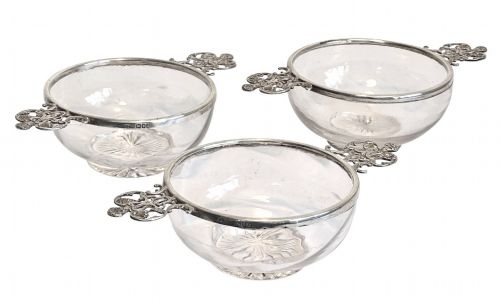
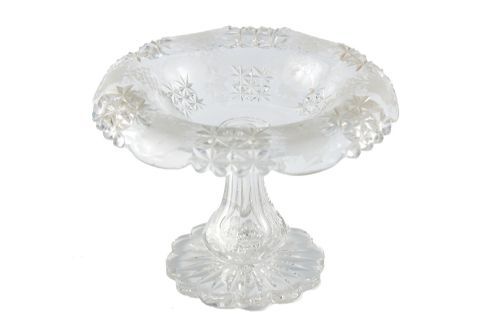
A victorian glass bowl encompasses heavy table centrepieces, pedestal fruit dishes, finger bowls, and dainty bonbon containers originating from English, French, and Bohemian workshops.
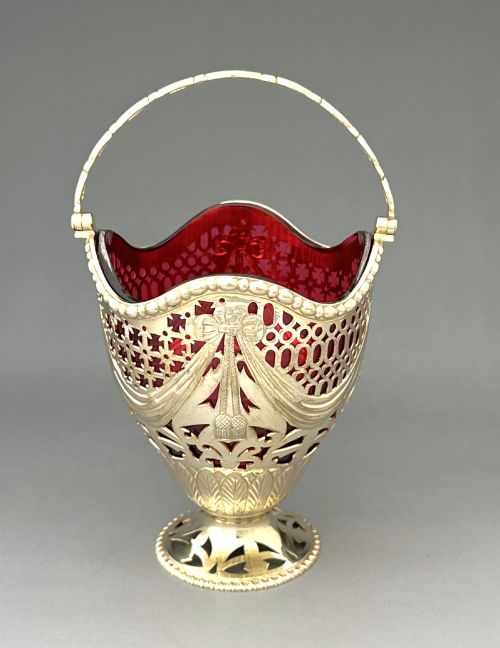
Buyers frequently encounter richly coloured cranberry and vaseline glass varieties alongside deep lead crystal pieces mounted in silver plate, ormolu, or sterling silver mounts.
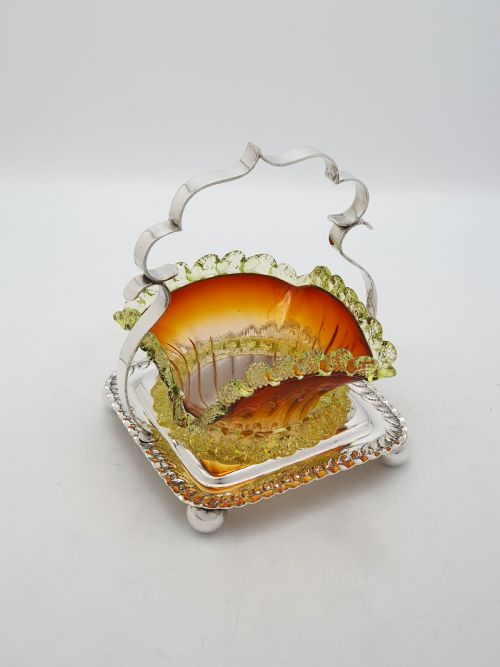
The assortment spans utilitarian rinsers and sugar baskets to grand decorative dishes designed to catch the gaslight of a nineteenth century interior.
Materials and Technique
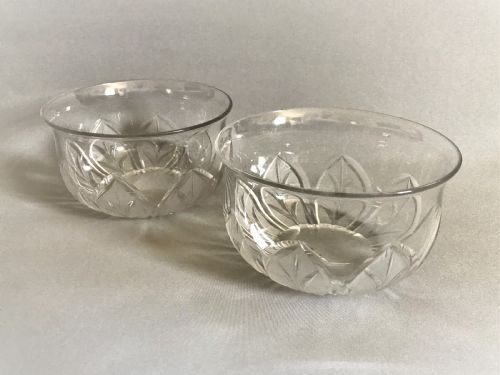
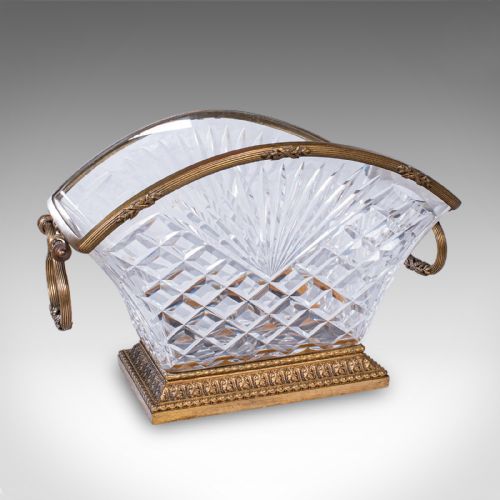
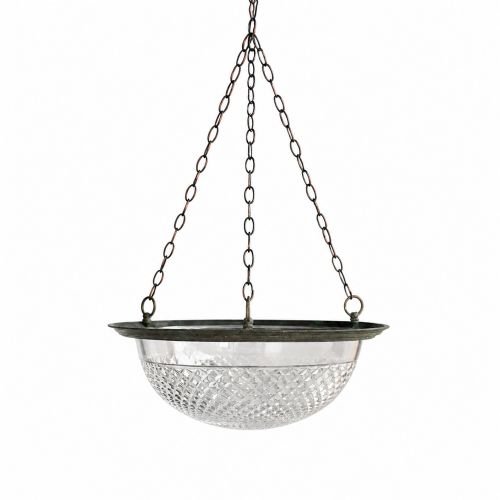
Makers shaped heavy lead crystal and clear or coloured glass through blowing, moulding, and wheel-cutting to achieve deep facets and geometric honeycomb patterns.
Coloured glass formulas relied on mineral oxides, producing distinct ruby cranberry tones, uranium vaseline hues, and rich Bristol blue shades.
Many glass bodies feature applied gilding, enamel decoration, or secure metalwork frames forged from silver plate, ormolu, and cast bronze.
Standards of Craftsmanship
Quality rests upon the crispness of the wheel-cut facets, the purity of the metal mounts, and the balance of the glass vessel within its stand.
Finely made pieces display hand-engraved motifs, substantial weight from dense lead crystal, and precise gilding that remains crisp and bright across the surface.
William Comyns·Salviati Venice·Walker And Hall·WMF
The Victorian Glass Bowl Glossary
- Tazza
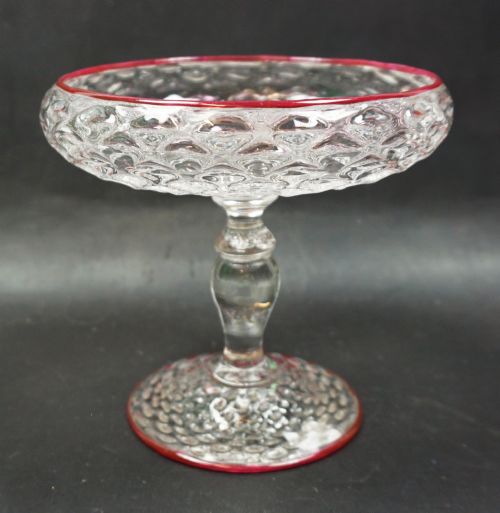
- A shallow ornamental bowl raised upon a central stem and foot, frequently utilised for serving fruit or sweets.
- Vaseline glass
- A transparent or translucent yellow-green glass containing uranium dioxide, which glows brightly under ultraviolet light.
- Epergne
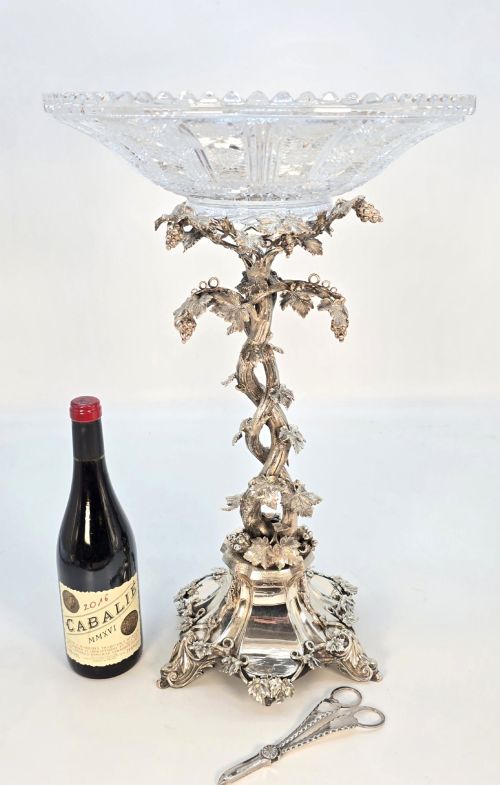
- An elaborate table centrepiece featuring a large central bowl with multiple hanging baskets or trumpet vases attached.
- Cranberry glass
- A pinkish-red glass produced by adding gold chloride to the molten metal batch, highly popular throughout the nineteenth century.
- Finger bowl
- A small, rounded glass bowl filled with water, placed at table settings for rinsing the fingers between courses.
Victorian Glass Bowl: Frequently Asked Questions
What were glass bowls used for?
These vessels served diverse dining and domestic functions, ranging from rinsing fingers after meals to holding sugar, fruit, or preserved sweets.
Larger pedestal examples acted as dramatic table centrepieces, while smaller lidded jars graced dressing tables for holding cosmetics and trinkets.
How do I identify a Victorian piece?
Examine the weight, manufacturing seams, and decorative motifs for characteristics typical of nineteenth-century design, such as hand-cut facets and pontil marks on the base.
Sterling silver mounts often bear clear hallmarks indicating the assay office and date of manufacture.
What is vaseline glass?
Vaseline glass is a distinctive yellow-green transparent glass that earned its name from its similarity in colour to petroleum jelly.
It contains trace amounts of uranium, which causes the material to emit a vivid green fluorescence under ultraviolet light.