





Blue Glass Decorative Bowl
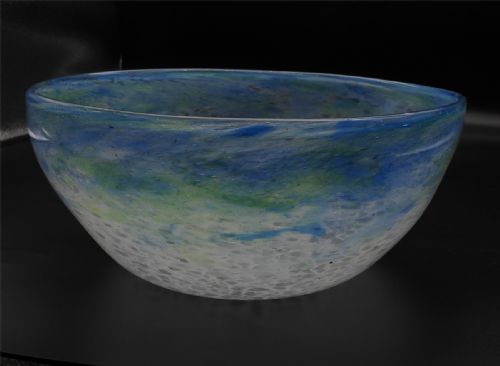
These blue glass decorative bowl pieces bring striking colour and sculptural form to a room, offering both function and artistry.
Blue Glass Decorative Bowl
A blue glass decorative bowl serves as a striking centrepiece, frequently taking the form of shallow dishes, footed bowls, and plates designed for display rather than heavy daily use. The pieces gathered here draw heavily from the early twentieth century, spanning Art Deco, Art Nouveau, and Edwardian periods.
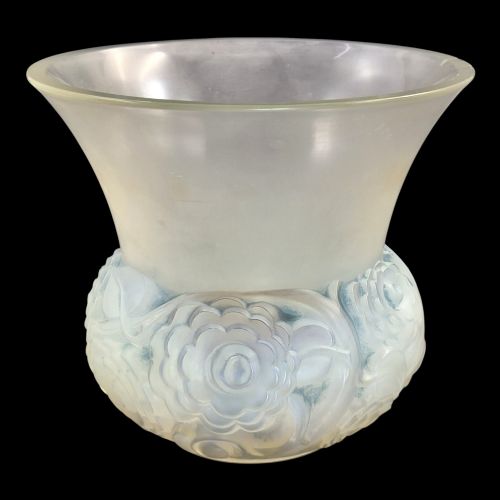
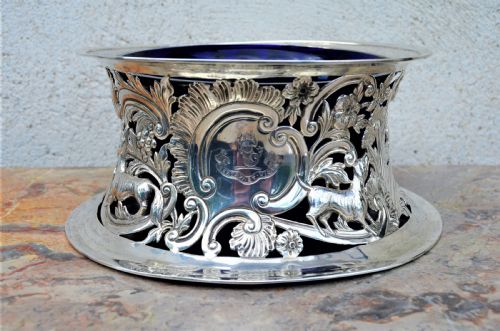
The most prevalent examples on this page showcase opalescent and iridescent glass, often moulded with distinct botanical or aquatic motifs such as flower heads and fish. Alongside these glass works, the selection includes related decorative vessels in porcelain and crystal, reflecting the diverse tabletop tastes of the decades around nineteen thirty.
How they were made
Makers utilised specialised glass formulations, introducing metallic oxides and chemical agents to achieve deep translucent hues, opalescence, and shimmering iridescent surfaces. Mould-blowing and pressing allowed workshops to impart intricate relief patterns, such as swimming fish and layered petals, directly into the body of the vessel.
Post-forming techniques often involved fire-polishing to smooth edges and acid-staining or enamelling to accentuate the raised details of the design. Crystal and porcelain counterparts relied on traditional glazing, firing, and occasionally gilt additions to complete their surface decoration.
What varies in quality
The distinction between standard production and superior craftsmanship lies in the crispness of the moulded relief and the depth of the optical effects within the glass. Finer pieces demonstrate a deliberate play of light across opalescent and iridescent finishes, where milky whites shift to cool blues depending on the viewing angle.
Design complexity and the precision of the finishing work further separate the items, particularly in pieces bearing specific signature marks from prominent twentieth-century glassworks. The harmony between the decorative motif and the natural contours of the bowl dictates the overall success of the object.
Rene Lalique·Loetz·Wedgwood
The Blue Glass Decorative Bowl Glossary
- Opalescent Glass
- Glass that milky-blue translucent quality which catches light and shifts in tone across raised relief details. This optical effect is achieved through the controlled cooling and reheating of specific chemical mixtures during manufacture.
- Iridescent Glass
- A surface treatment producing a rainbow sheen that mimics natural mother-of-pearl by exposing hot glass to metallic vapour fumes. Loetz and similar makers utilised this technique extensively during the Art Nouveau period.
- Mould-Pressed
- A manufacturing method where molten glass is forced into a metal or wooden mould to shape the vessel and impress surface patterns simultaneously. This technique allowed for consistent production of complex botanical and figurative designs.
- Footed Bowl
- A vessel raised on an integrated base or distinct feet, lifting the main body of the dish above the surface of a table. This form was common in Art Deco tableware to emphasise sculptural qualities.
Blue Glass Decorative Bowl: Frequently Asked Questions
How do I clean my blue glass decorative bowl?
Wash the glass gently in warm water using a mild, non-abrasive detergent and a soft cloth to protect the delicate surface finish. Avoid harsh scrubbing or soaking, especially on pieces with enamel or iridescent treatments.
Dry the vessel immediately with a lint-free cloth to prevent water spots and preserve the optical clarity of the opalescent areas.
Can I use these bowls for serving food?
Most decorative bowls from the early twentieth century are intended primarily for display or dry contents rather than heavy daily dining use. Acid-stained or delicate opalescent surfaces can be sensitive to acidic foods and frequent washing.
Reserve these pieces for decorative placement or holding dry items to maintain their original surface condition over time.
How do I identify Art Deco pieces?
Art Deco pieces typically feature geometric symmetry, stylized floral motifs, and strong relief moulding that emphasises clean, modern lines. The forms are often bolder and more architectural than the flowing, organic shapes of the preceding Art Nouveau period.
Look for symmetrical arrangements of flower heads or abstract aquatic themes characteristic of the nineteen twenties and thirties.