

Victorian Gilded Wood Frame
When you search for a victorian gilded wood frame, you look for the heavy, brilliant borders that define nineteenth-century interiors.
Victorian Gilded Wood Frame
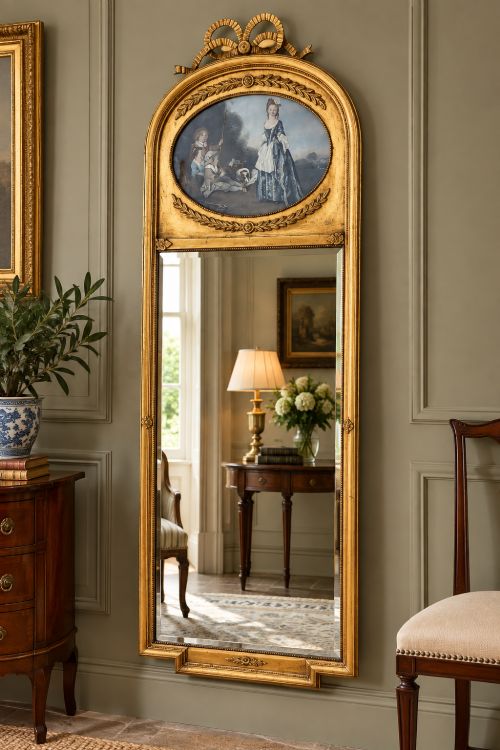
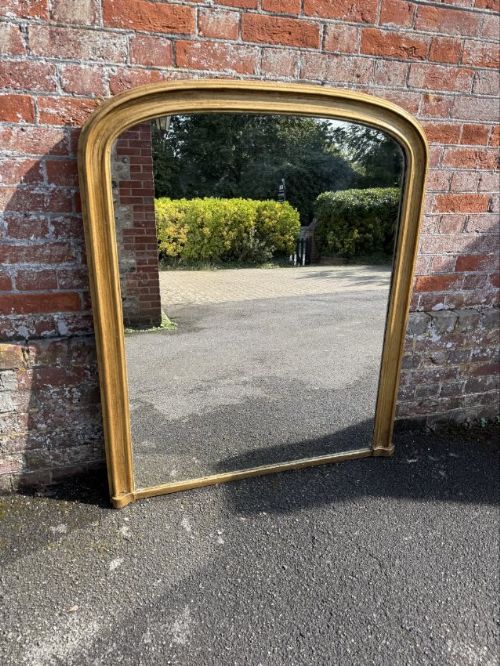
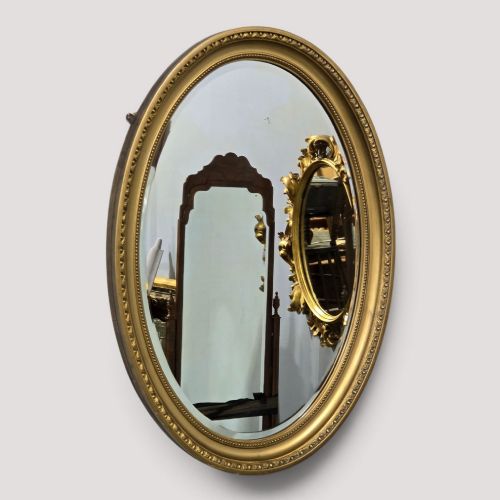
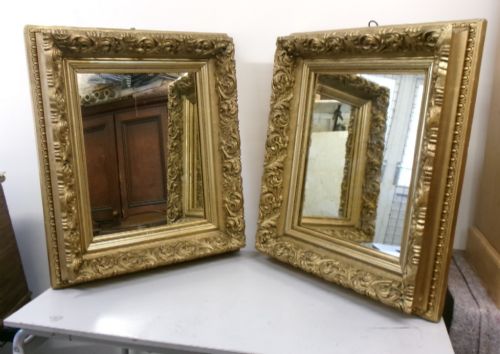
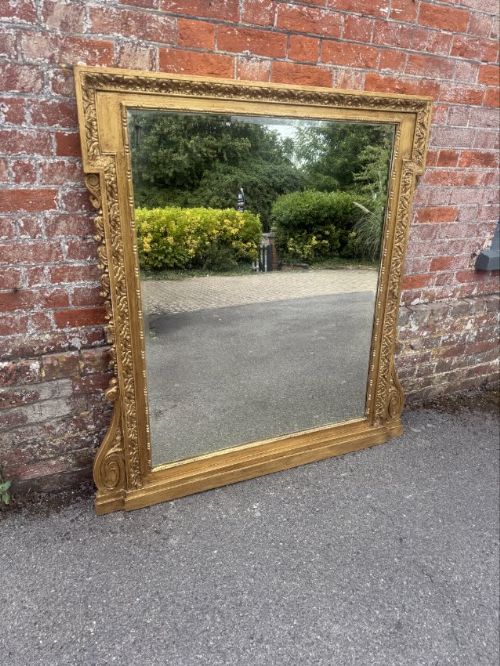
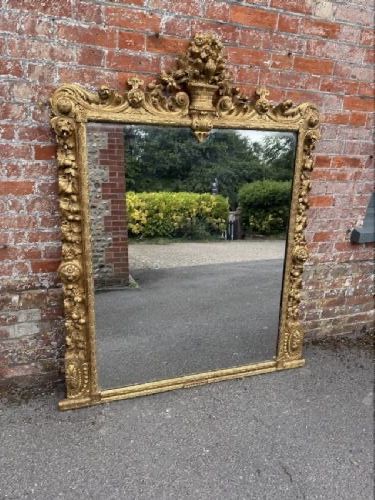
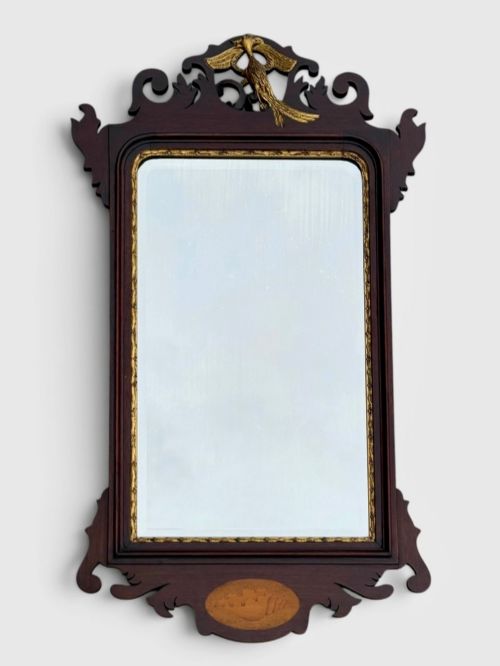
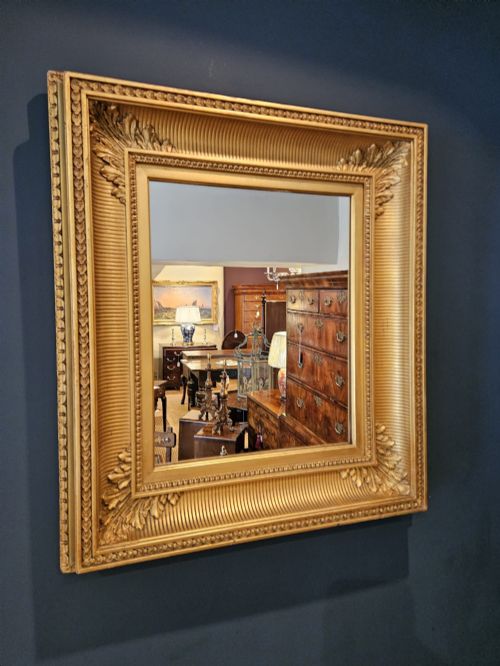
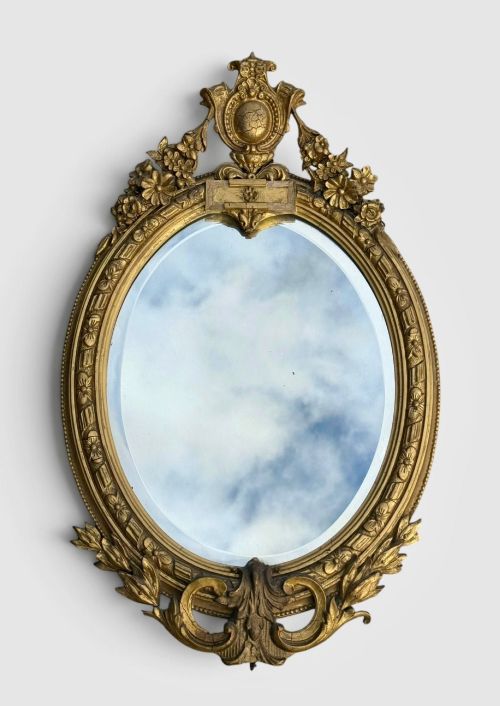
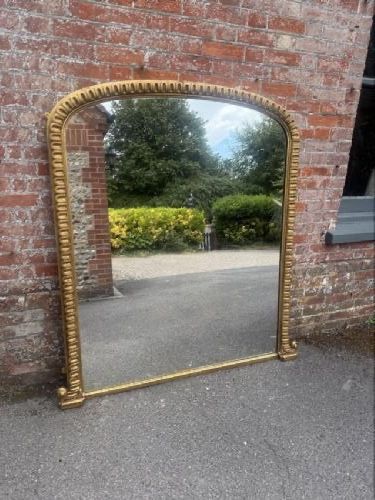
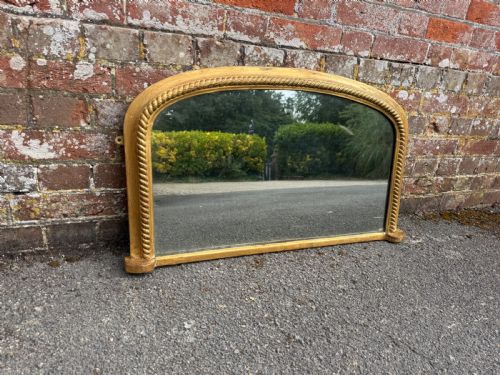
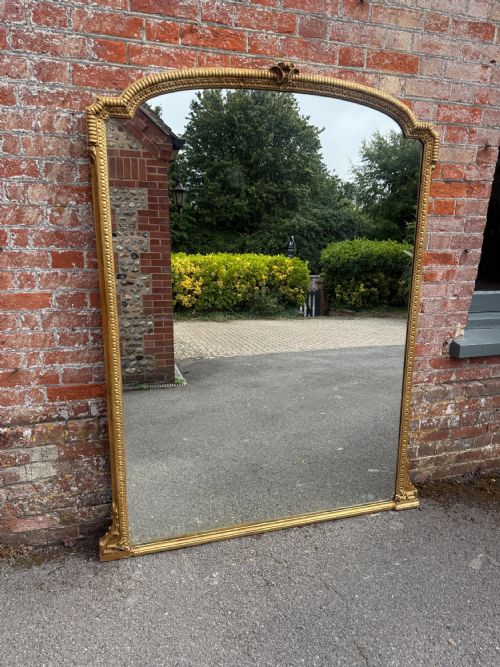
A victorian gilded wood frame takes many forms across domestic spaces, appearing most frequently as large overmantel mirrors, pier glasses, and picture surrounds designed to catch and reflect candlelight or daylight. The pieces seen here span the nineteenth century, including specific decades from the eighteen-fifties through to the eighteen-nineties.
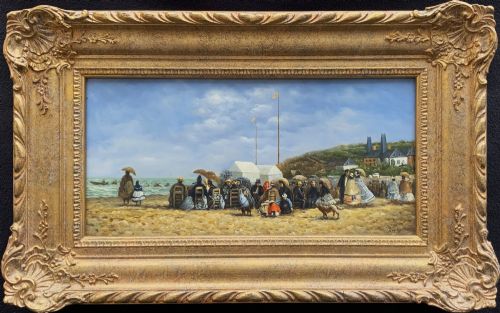
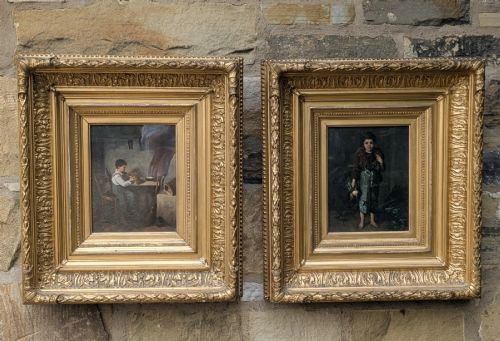
Overmantel mirrors dominate the selection, often built with arched tops, column frames, or ornate gesso decoration intended to sit above a fireplace. Wall mirrors and standalone picture frames accompany them, occasionally housing oil paintings, waterports, or marriage plaques from the same period.
How they were made
Carved timber forms the structural base for these items, utilising wood and gesso to build up intricate relief patterns such as acanthus leaves, rose vines, and rope carvings. Workers applied thin layers of gold leaf or giltwood over the prepared surfaces to achieve a brilliant metallic sheen.
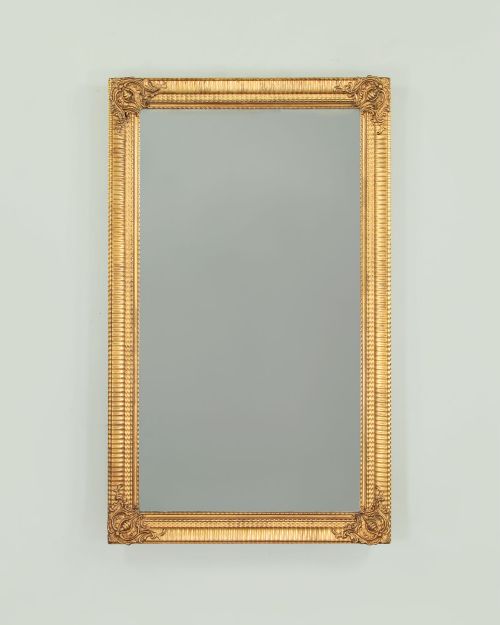
Composition material was frequently pressed into moulds to create repetitive decorative details like beaded or ribbed framing with speed and precision. Glass plates were then fitted into the finished borders, backed with timber panels to secure the mirrors.
Several frames house portraits of young boys, poets, and character watercolours, watching the room from their golden enclosures.
What varies in quality
Depth of carving and the crispness of the moulded gesso separate standard pieces from exceptional examples. Deeper frames with undercut foliage and hand-finished details show greater artisan skill than shallow, mass-produced mouldings.
The integrity of the original gilding defines the visual impact of the object. Surviving gold leaf with minimal touch-ups retains a warmer, softer reflection than overpainted surfaces.
Stephen Samuel Lewin·Thomas Spinks·Charles Hunt
The Victorian Gilded Wood Frame Glossary
- Gesso
- A plaster mixture applied to wood frames as a base for gilding. It allows craftsmen to carve and shape intricate relief decoration before applying gold leaf.
- Giltwood
- Timber that has been coated with gold leaf or gold paint. This material gives nineteenth-century mirrors their characteristic metallic warmth.
- Overmantel mirror
- A large mirror designed specifically to hang on the wall directly above a fireplace mantel. These pieces often feature arched tops or column framing.
- Pier glass
- A tall, narrow mirror made to hang on the pier of wall space between two windows. They frequently reach down to floor level as leaner mirrors.
- Ripple frame
- A picture frame featuring concentric undulating wave patterns carved into the wood. This style creates a textured, hypnotic border around a canvas.
Victorian Gilded Wood Frame: Frequently Asked Questions
How do I hang a heavy overmantel mirror?
These large nineteenth-century mirrors carry substantial weight from their timber and gesso construction. Secure them directly into structural wall studs using appropriate heavy-duty brackets.
Distribute the load evenly across the frame rather than relying on a single central fixing point. Professional installation ensures the glass and giltwood remain safe.
Can I clean the original gold leaf?
Dust the surface gently with a soft, dry brush to remove particles without disturbing the delicate metallic leaf. Avoid liquid cleaners and modern chemicals entirely.
Water and solvents can dissolve the underlying gesso and cause the historic gilding to flake away. Treat the gilded surface with utmost care.
How do I identify a Victorian mirror?
Look for construction traits such as pine backing boards, hand-cut screws, and dense composition ornament applied over carved wood. Nineteenth-century glass often displays subtle imperfections and waviness.
Stylistic cues like acanthus leaf motifs, arched crests, and heavy gilt frames point directly to the Victorian era. Compare these details against the recorded periods of the piece.
Where should I place a pier glass?
Position these tall mirrors on narrow wall spaces between windows or doors to maximise natural light reflection. Their vertical proportions draw the eye upward and heighten the room.
Ensure the surrounding interior allows the detailed gesso frame to stand out without visual clutter. Historic pier glasses suit traditional hallways and formal reception rooms.