



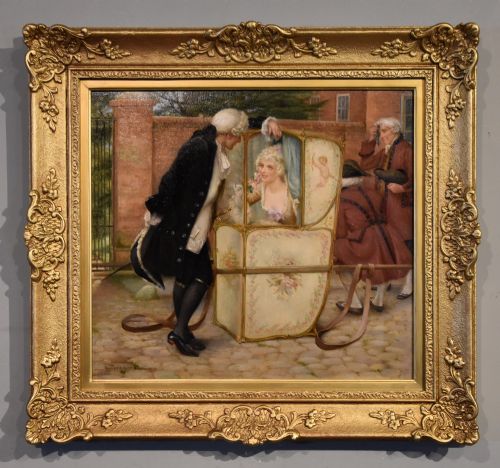
Ornate Victorian Picture Frame
An ornate victorian picture frame brings heavy gilding, deep moulding and sculptural relief to nineteenth-century portraiture and landscape art.
Ornate Victorian Picture Frame
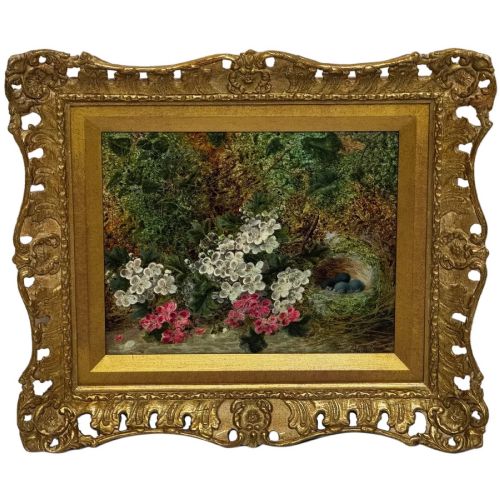
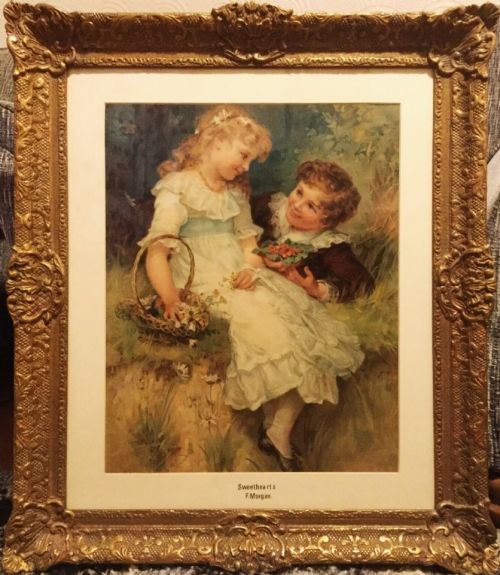
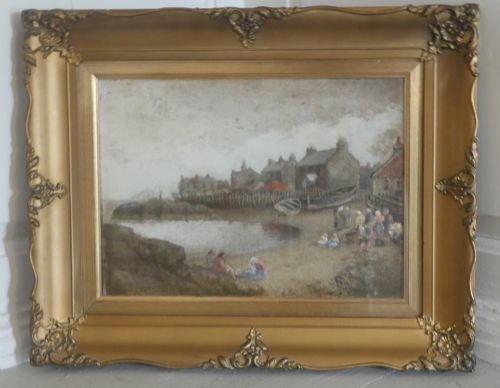
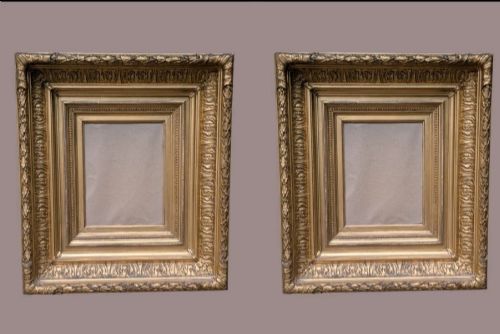
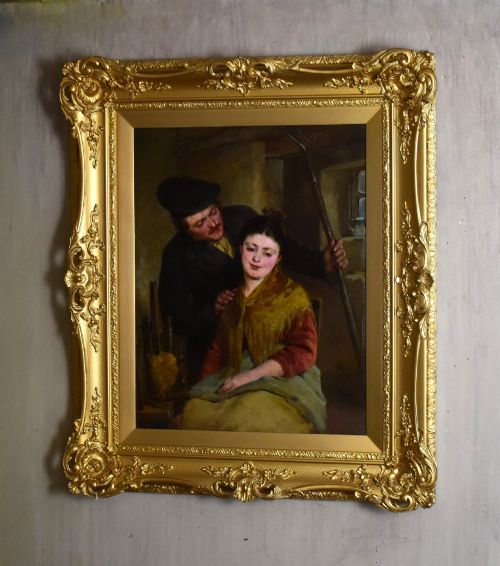
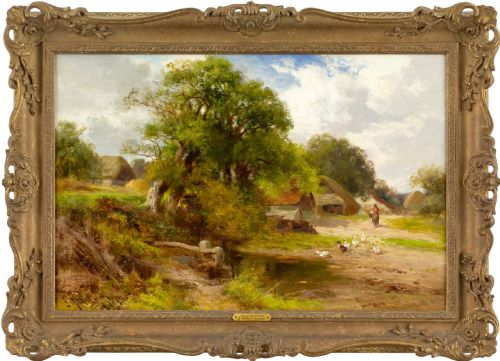
An ornate victorian picture frame encompasses heavily moulded timber constructions designed to house oil paintings, watercolours, photographs and mirrors. The search phrase covers domestic items originating primarily from the nineteenth century, ranging from simple portrait surrounds to deep glazed box frames.
Buyers encounter both empty frames intended for custom mounting and complete works containing period oils or photographic prints. The forms span rectangular wall hangings, tableaus with velvet mounts and small metal photograph holders designed for domestic mantelpieces.
Originating largely within nineteenth-century British and European workshops, these pieces reflect the period penchant for elaborate surface decoration around family likenesses and landscape art. Surviving examples demonstrate the shift from simple timber mouldings toward deeply reliefed composition work.
How they were made
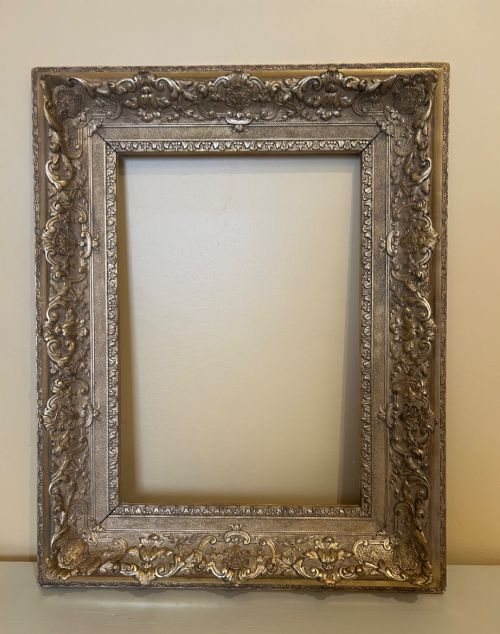
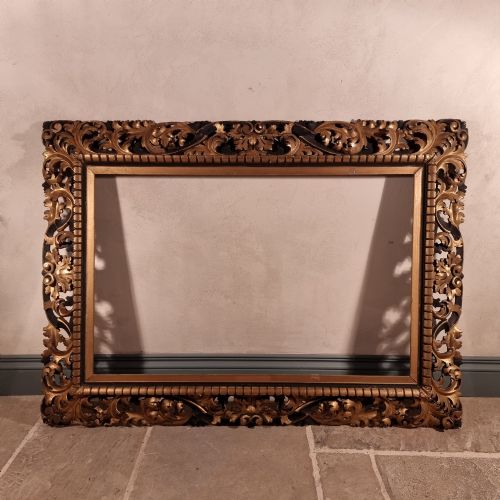
Makers constructed the primary framework using solid timber such as wood, applying surface layers of gesso to build up high-relief ornamentation. This plaster-like mixture allowed artisans to carve intricate scrolls, leaves and geometric patterns directly onto the wooden substrate before finishing.
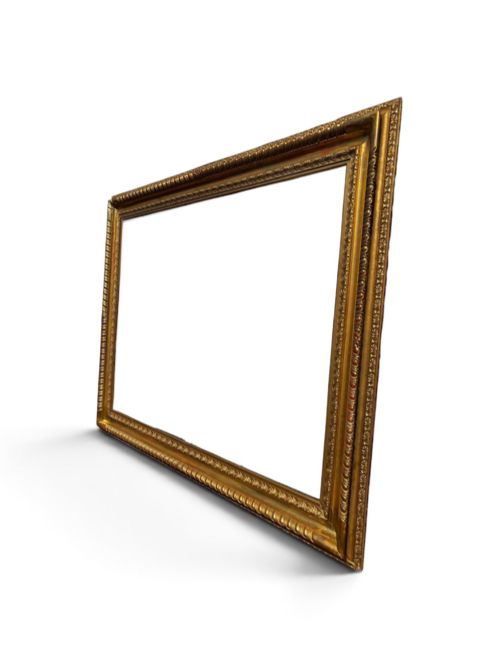
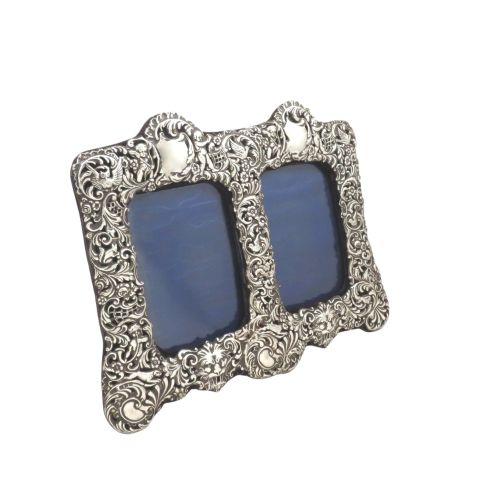
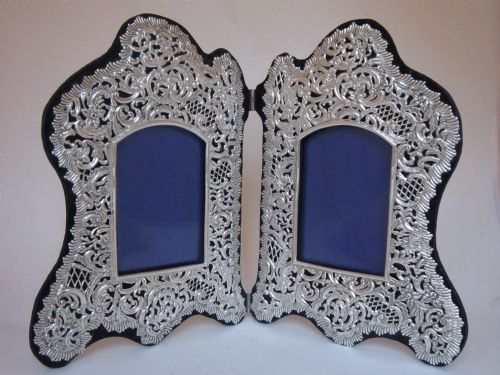
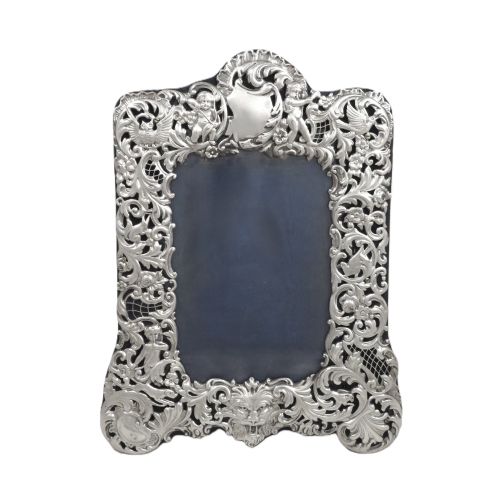
Giltwood and gold leaf finishes provided the characteristic metallic sheen, applied over bole to achieve a warm lustre. Alternatively, silversmiths utilised sterling silver sheet over wooden or velvet cores to create domestic photo frames stamped with assay office hallmarks.
Some Victorian photo frames incorporate cast owls, dogs and cherubs peering out from the silver scrollwork.
What varies in quality
The distinction between ordinary production and superior craftsmanship lies in the crispness of the moulded relief and the depth of the rebate. Hand-finished gesso work displays sharp undercuts and deliberate detailing, whereas lesser examples rely on flat, repetitive pressings that lose definition along the corners.
The integrity of the underlying timber structure and the preservation of the original gilding dictate the overall standard of survival. Frames retaining their initial gold leaf without extensive patching or over-painting command greater appreciation among collectors of period interiors.
Henry Matthews·Walker and Hall
The Ornate Victorian Picture Frame Glossary
- Gesso
- A plaster-like preparation applied to wood as a base for moulding and gilding. This mixture of chalk and binder accepts intricate carving before the application of gold leaf.
- Rebate
- The recessed groove on the inner back edge of a frame designed to hold the artwork, glass and backing board secure. Its depth dictates the thickness of the picture package it can accommodate.
- Giltwood
- Timber that has been coated with gold leaf or metallic powder to simulate solid gold. The technique creates a durable reflective surface popular throughout the nineteenth century.
- Champlevé
- An enamelwork technique where recesses are carved into a metal surface and filled with vitreous paste before firing. Found on decorative metal picture frames from the period.
- Oleograph
- A mechanical reproduction printed in oil colours on canvas to imitate an oil painting. These prints frequently appear housed inside period Victorian frames.
Ornate Victorian Picture Frame: Frequently Asked Questions
How do I date a Victorian frame?
Dating relies on examining the construction techniques, timber types and decorative styles present in the moulding. Sterling silver examples often carry clear Birmingham or Chester hallmarks with specific date letters.
Changes in mount materials, such as the use of deep velvet boxes versus flat wooden slips, also help narrow the decade of manufacture within the nineteenth century.
Can I put modern art inside?
Placing contemporary artwork into an antique surround is entirely feasible provided the rebate dimensions match the depth and width of your piece. Ensure any glazing used protects the contents without putting pressure on the canvas or paper.
Adjusting the internal backing board allows modern works to sit securely within the historic rebate without altering the original timber structure.
How should I clean gilt frames?
Maintenance requires only gentle dusting with a soft, dry brush to remove particulate matter from the recesses of the gesso. Avoid liquid cleaners, water or chemical solvents which lift delicate gold leaf from the underlying bole.
Professional conservation is recommended if the gesso shows signs of flaking or if the metallic surface has darkened significantly over time.
Were these always meant for paintings?
While the larger wooden examples housed oil paintings and watercolours, many smaller Victorian formats were built specifically for photographs. Silver table frames and velvet-backed shadow boxes accommodated the rising popularity of family portrait photography in the late nineteenth century.
Hand mirrors and dual-purpose hinged cases also utilised these ornate surrounds for personal dressing table use.