


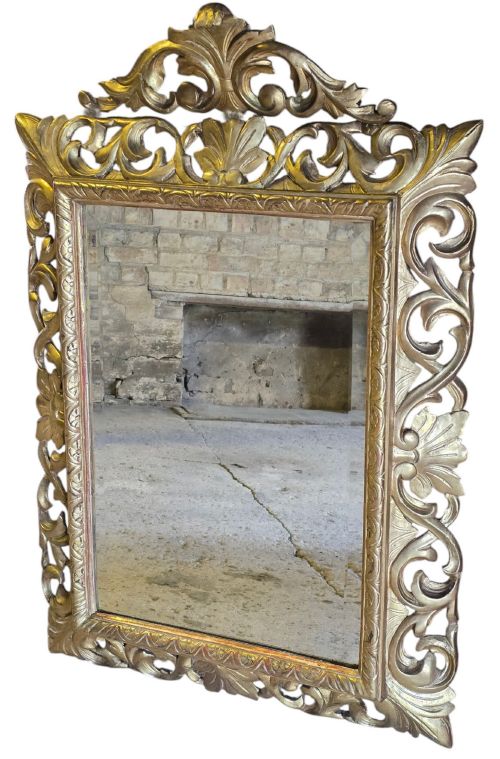

19th Century Gold Frame
When you search for a 19th century gold frame, you find ornate wall mirrors, overmantel glasses and oil painting surrounds that bring period character to a room.
19th Century Gold Frame
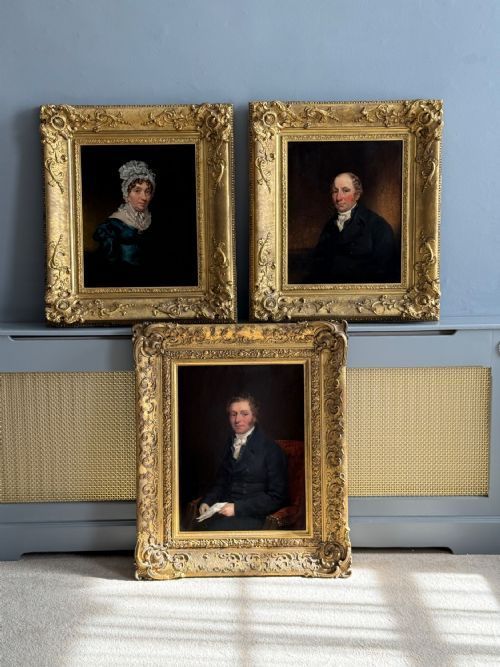
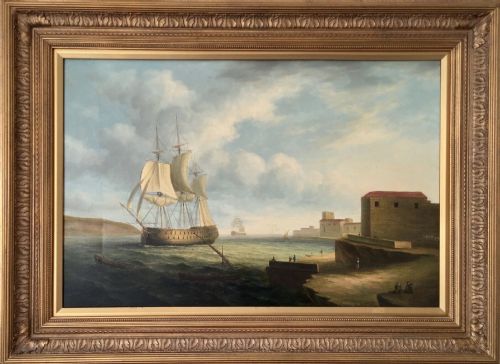
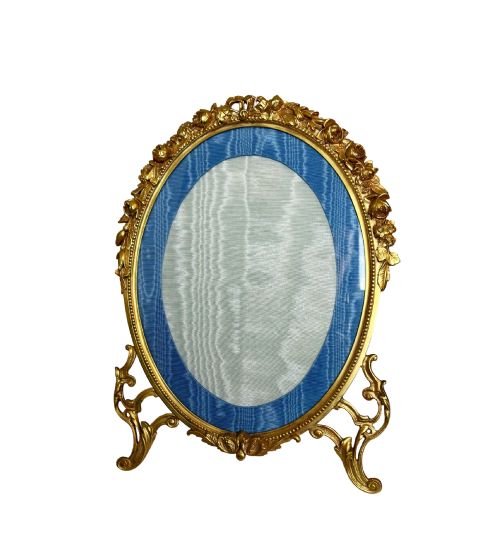
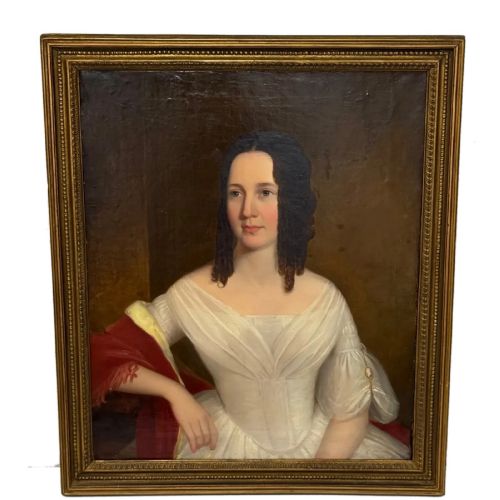
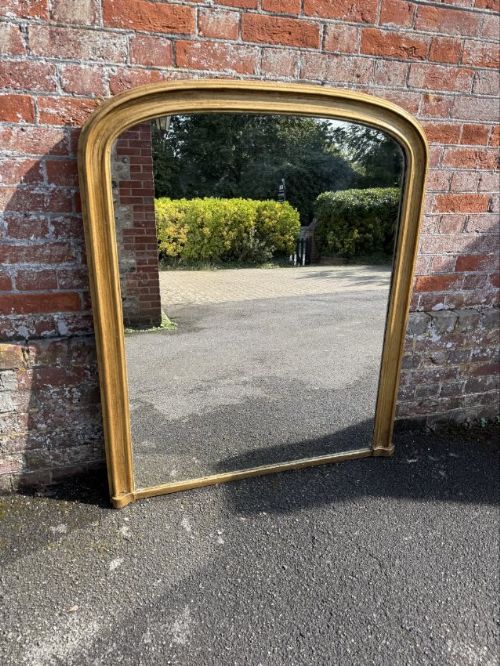
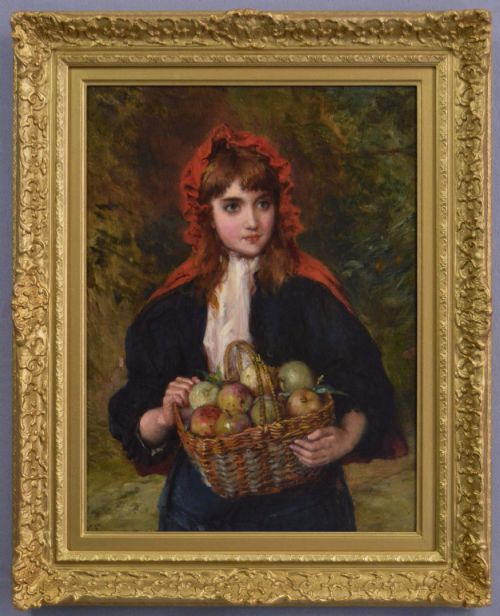
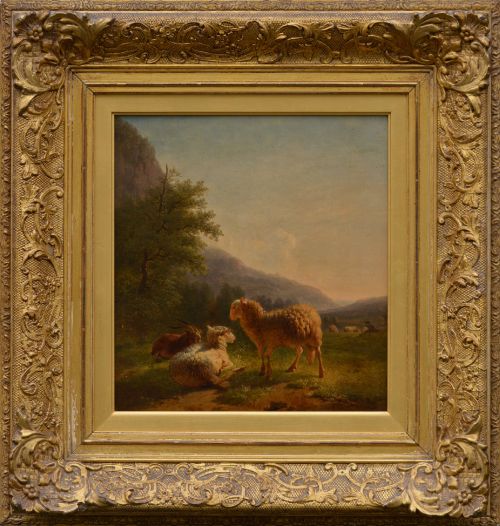
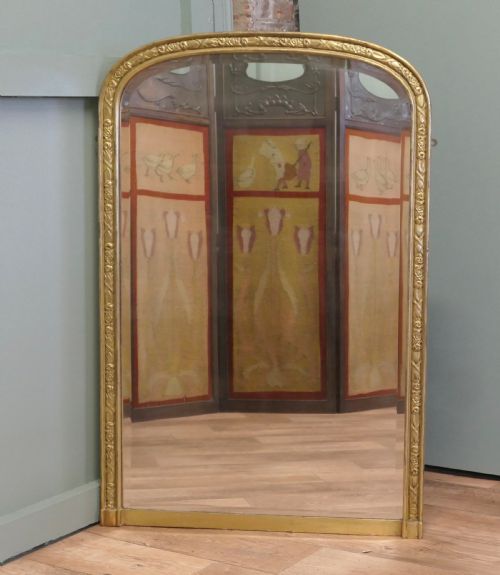
When searching for a 19th century gold frame, buyers typically encounter large architectural overmantel mirrors, pier glasses, and picture surrounds designed to house oil paintings or watercolours. These pieces span the Victorian and Regency eras, reflecting the shifting tastes of the nineteenth century from restrained classical lines to heavy, decorative revival styles.
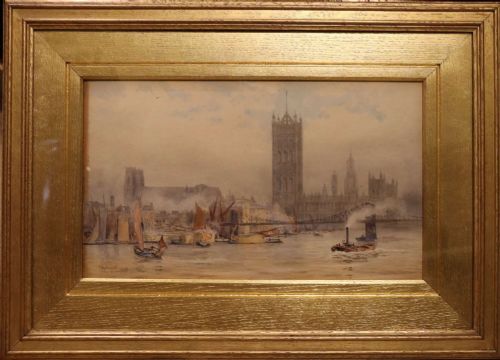
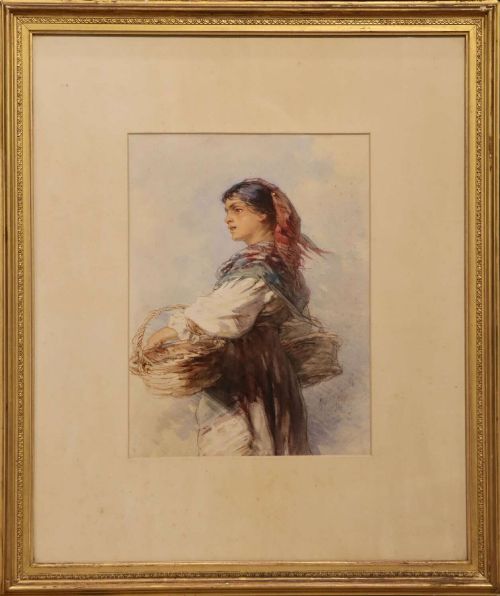
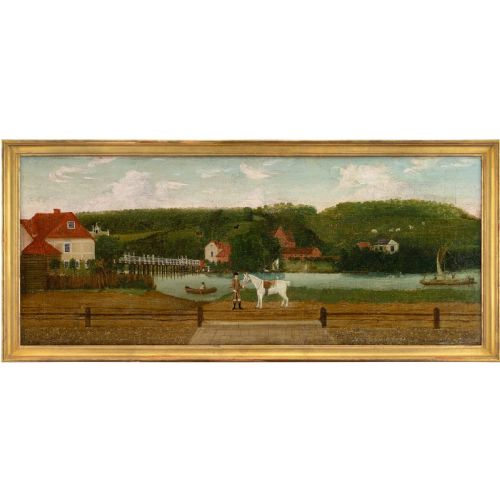
The objects available on this page divide largely into wall-hanging mirrors and fine art surrounds carved from wood. Many survive in their original housing, holding period portraits, marine scenes and landscapes, while others function independently as statement wall pieces.
Materials and construction
The foundation of these pieces relies primarily on timber, specifically carved wood and built-up gesso layers that accept intricate mouldings. Artisans applied gold leaf or gilt finishes over these surfaces to achieve the characteristic metallic sheen.
Makers utilised glass for mirror plates and canvas or panel supports for paintings housed within the profiles. Details such as rope twists and floral motifs were hand-carved or cast in composition ornament before gilding.
Listings feature materials including glass, giltwood, gesso, oil on canvas, wood, gilt wood, canvas, and gold leaf across the nineteenth century.
Assessing craftsmanship
Quality in these items rests on the depth and crispness of the carving within the wood and gesso layers. Superior examples display sharply defined ornament without the softening caused by excessive secondary layers of later paint.
The integrity of the original gilding and the preservation of the underlying wooden structure distinguish better pieces. Heavier framing often indicates substantial timber construction intended for grand interior spaces.
Charles Nosotti·Joseph Clover RA·Guido Bach·Theude Grönland·William Beattie Brown·Felix Stone Moscheles·John Maler Collier
The 19th Century Gold Frame Glossary
- Giltwood
- Wood that has been treated with gold leaf or a gilt finish. This material forms the primary structure of many decorative mirrors and picture surrounds.
- Gesso
- A plaster-like mixture applied to wood surfaces to create a smooth base for carving and gilding. It allows for intricate relief ornamentation.
- Overmantel mirror
- A large wall glass designed to hang above a fireplace mantelpiece. These pieces frequently feature arched tops or elaborate crestings.
- Pier glass
- A tall mirror intended for the wall space between windows. They often match smaller console tables in nineteenth-century interiors.
- Rococo revival
- A nineteenth-century design style drawing on eighteenth-century French motifs. It is characterised by asymmetrical scrolls, foliage, and shell patterns.
19th Century Gold Frame: Frequently Asked Questions
How do I hang a heavy overmantel mirror?
These large mirrors require secure wall fixing into masonry or substantial timber studs due to their heavy wood and gesso construction. Professional installation ensures the weight is safely distributed.
Most pieces feature robust hanging hardware integrated into the back frame to support the vertical load.
Can I use a picture frame as a mirror?
Many nineteenth-century picture frames share identical construction methods with wall mirrors and can be fitted with mirror glass by a professional glazier. The depth of the rebate determines the suitability for glass insertion.
Ensure the structural joins of the timber remain stable before undertaking a conversion.
How do I clean nineteenth-century gilt surfaces?
Giltwood and gesso require gentle dusting with a soft, dry brush to remove surface particles without disturbing the delicate gold leaf. Avoid liquid cleaners and chemical agents entirely.
Moisture can penetrate the gesso layer and cause the gilt finish to flake or lift from the wood.
How do I tell Regency from Victorian frames?
Regency pieces generally display cleaner classical lines, reeding, and restrained neoclassical ornamentation. Victorian examples tend to be heavier, featuring deeper relief carving and exuberant floral or rococo motifs.
Examining the underlying construction wood and the style of the gesso moulding helps clarify the manufacturing period.