




Victorian Folding Screen
A victorian folding screen divides a room or frames a hearth with hinged panels of leather, fabric, wood, and brass.
Victorian Folding Screen
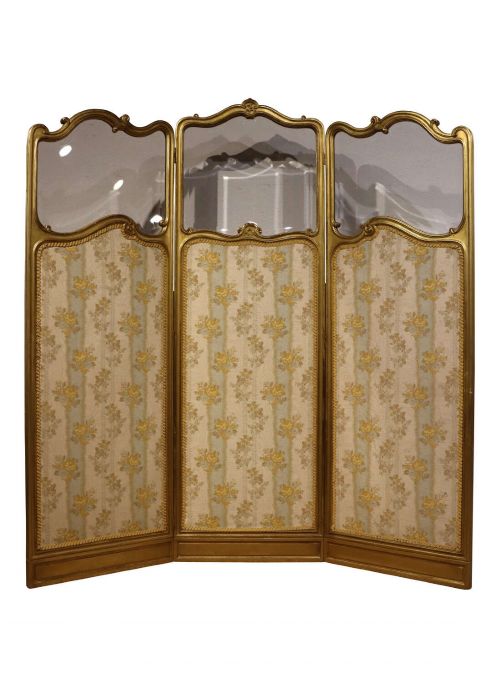
A victorian folding screen serves as a practical room divider or a decorative privacy screen, taking the form of multi-panel partitions that fold neatly on hinges. These pieces appear in configurations ranging from three-fold room dividers to four-fold panels and dressing screens.
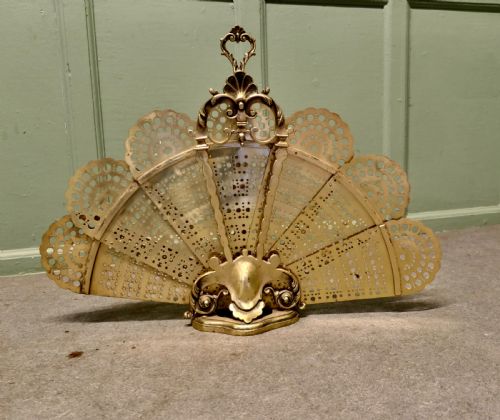
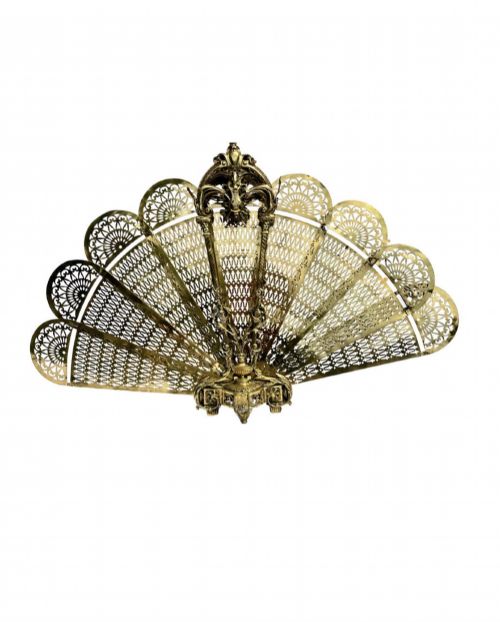
The evidence shows various domestic uses, encompassing large room dividers, dressing screens for bedrooms, and smaller folding fire screens designed for hearths. Materials span from timber frames with textile or leather panels to freestanding brass peacock guards.
Styles recorded across the listings include Victorian Rococo Revival and Art Nouveau alongside standard Victorian designs. Construction dates cluster through the nineteenth century, including specific references from eighteen-sixty to nineteen-hundred.
Materials and construction
Frames employ timber such as oak, mahogany, walnut, and giltwood, alongside bamboo and structural brass. Carpenters and joiners assembled these frames into multiple hinged sections to allow flexible movement.
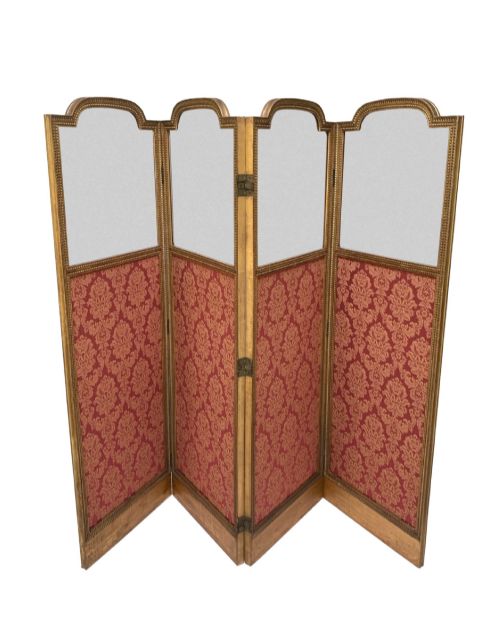
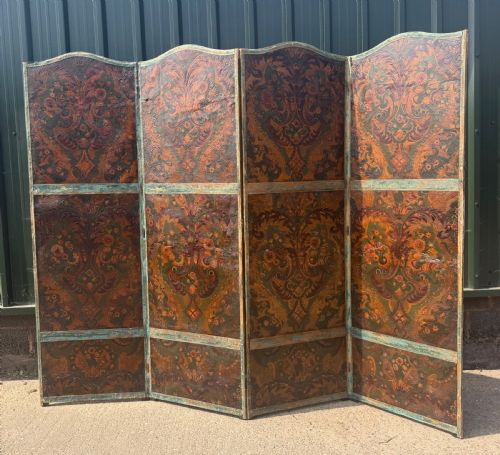
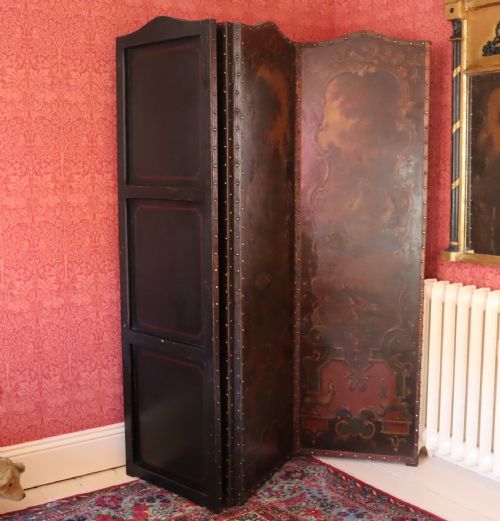
Panels utilise diverse infills including hand-painted leather, damask textiles, woolwork needlepoint, silk panels, glass, and decoupage scrap work. Some specialist pieces incorporate mother of pearl inlay or metalwork peacock tail guards.
Victorian Folding Screen Retail Price Guide 2026
Typical asking prices for victorian folding screen among the pieces listed under this phrase on Sellingantiques today, from the lower quarter to the upper quarter. They describe what is for sale here now, not the wider market.
Listings record screens from the nineteenth century featuring brass, leather, wood, glass, paint, giltwood, and damask textile.
Markers of quality
Quality rests in the selection of materials and the execution of the decorative surface, whether through hand-painting, needlepoint, or inlaid detail. Superior examples show careful attention to both sides of the panels and sturdy joinery in the folding hinges.
The sophistication of the frame carving, the weight of the brass, and the integrity of the textile or leather infills determine the standing of an individual piece within the range.
The Victorian Folding Screen Glossary
- Folding screen
- A piece of furniture consisting of two or more panel frames joined by hinges. These panels open and close to partition space or block drafts.
- Fire screen
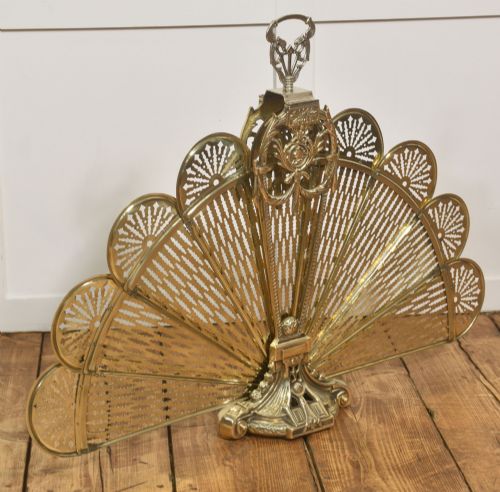
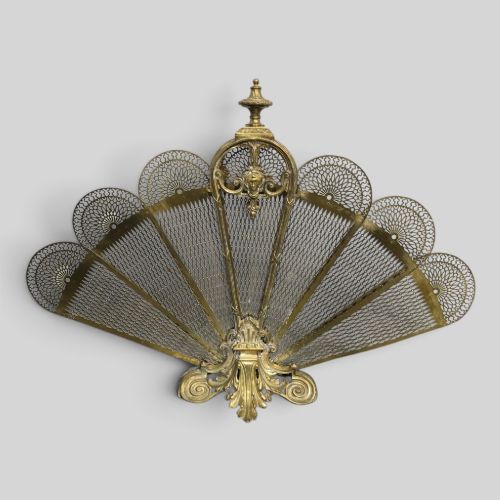
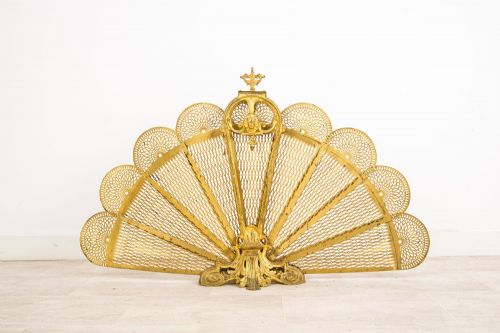
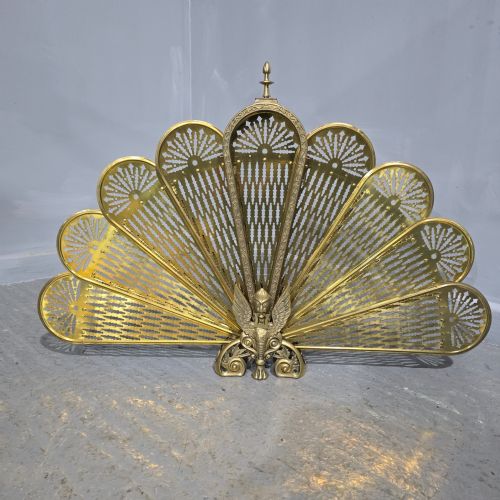
- A decorative guard placed before an unlit fireplace. Victorian examples frequently utilise folding brass panels or peacock tail configurations.
- Dressing screen
- A tall partition utilised in bedrooms for privacy while changing. These typically feature multiple hinged folds and substantial panel heights.
- Scrap screen
- A folding screen decorated with paper decoupage scraps or prints applied to the surface. Makers arranged these clippings systematically across the panels.
- Needlepoint
- Hand-stitched textile work using wool yarn on a canvas mesh ground. Victorian screens often employ this technique for decorative upholstery panels.
Victorian Folding Screen: Frequently Asked Questions
How are folding screens used?
These pieces function primarily to divide large rooms, create private spaces within bedrooms, or shield occupants from hearth drafts.
Their hinged construction allows them to angle according to the dimensions of the interior.
What materials make up these screens?
Frames are constructed from woods like mahogany, walnut, oak, and giltwood, alongside bamboo and brass.
Infill panels incorporate leather, silk, damask, woolwork needlepoint, glass, and paper decoupage.
How do fire screens differ from room dividers?
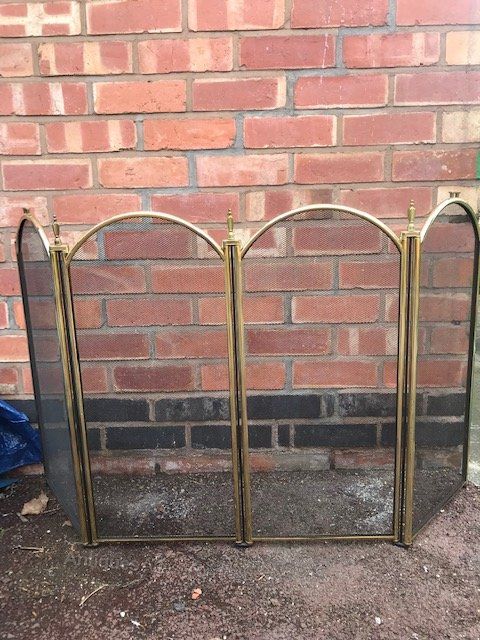
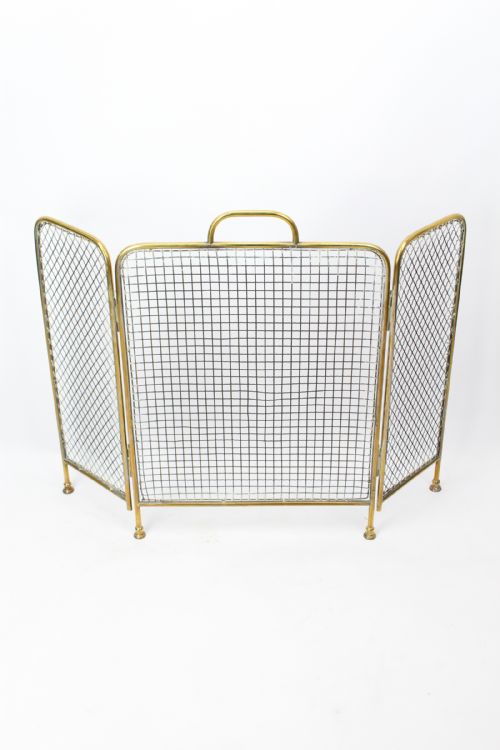
Fire screens are smaller guards designed specifically for placement near hearths, often built from brass in folding configurations.
Room dividers are taller multi-panel partitions intended for dividing floor space or providing personal privacy.
What is a peacock fire screen?
A peacock fire screen is a folding brass guard whose metal plates spread outward like a tail.
This specific form protects the room from stray embers when the fireplace is not in active use.
How do you date a Victorian screen?
Dating relies on stylistic indicators such as Art Nouveau motifs, Rococo Revival carving, or documented production periods within the nineteenth century.
Materials, hinge types, and traditional upholstery techniques also offer clues to the approximate decade of manufacture.