

Victorian Floral Vase
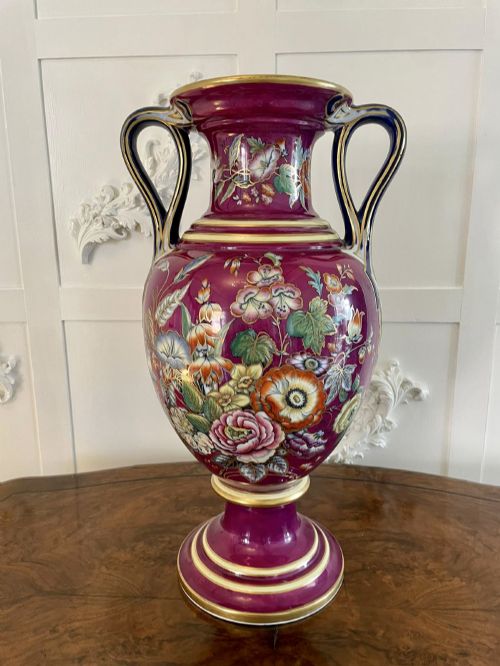
A victorian floral vase brings hand-painted blooms and rich historical character directly into a room.
Victorian Floral Vase
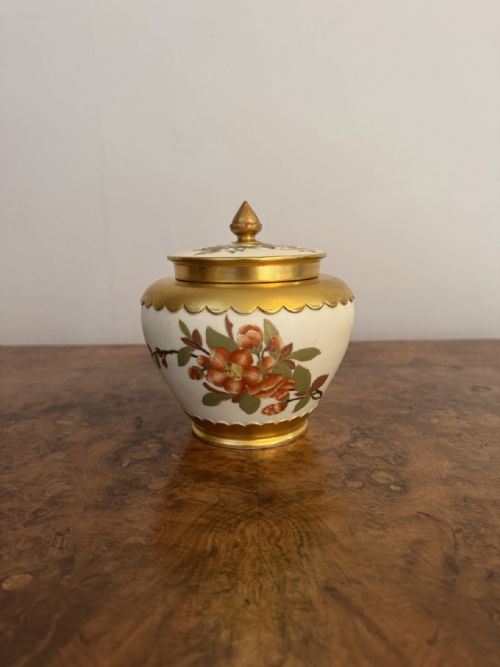
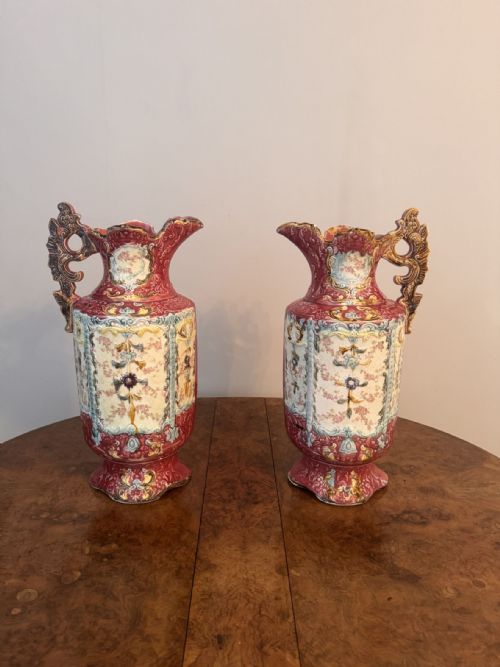
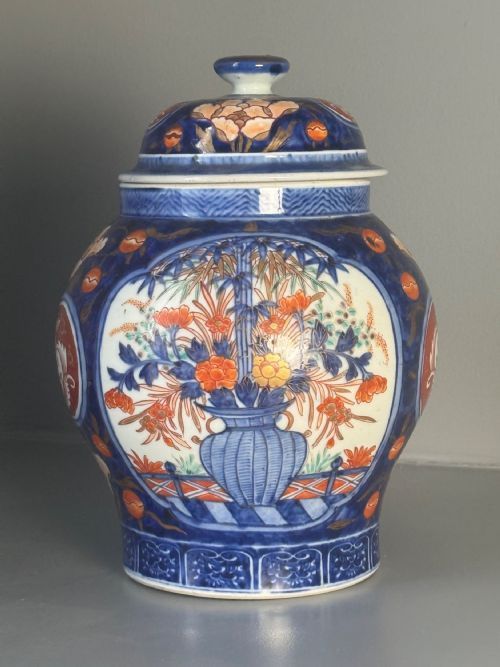
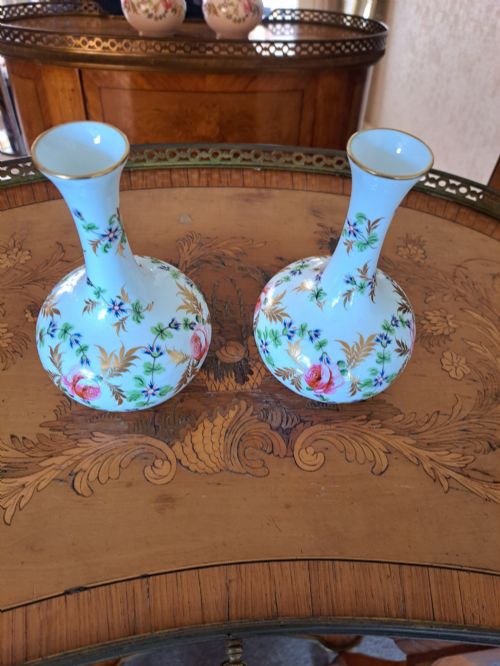
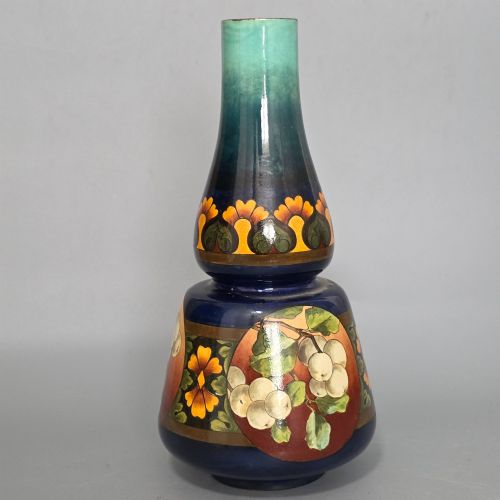
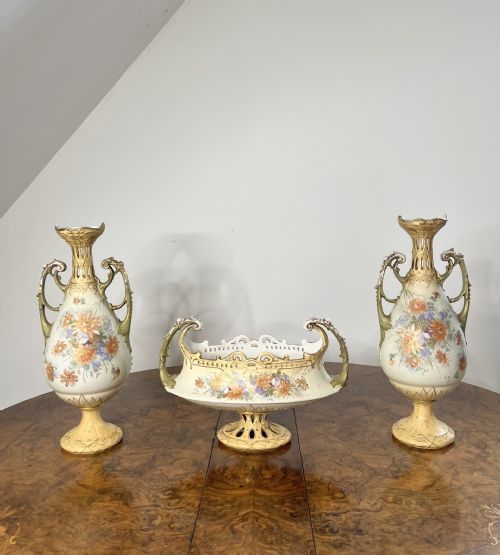
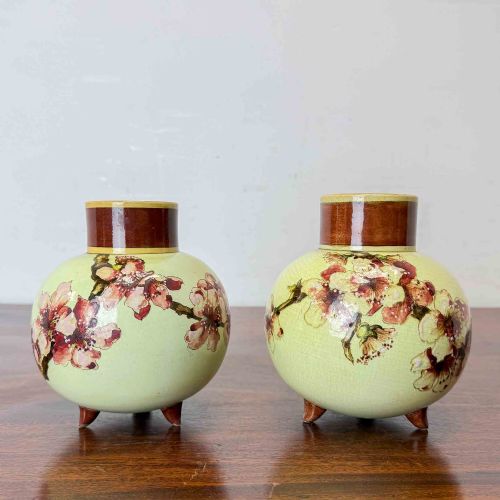
When searching for a victorian floral vase, a buyer examines decorative vessels shaped as urns, bulbous jars, ewers, and twin-handled forms carrying painted or glazed botanical motifs. These pieces originate predominantly from the nineteenth century, spanning decades such as the eighteen-eighties and eighteen-nineties, alongside related Edwardian examples.
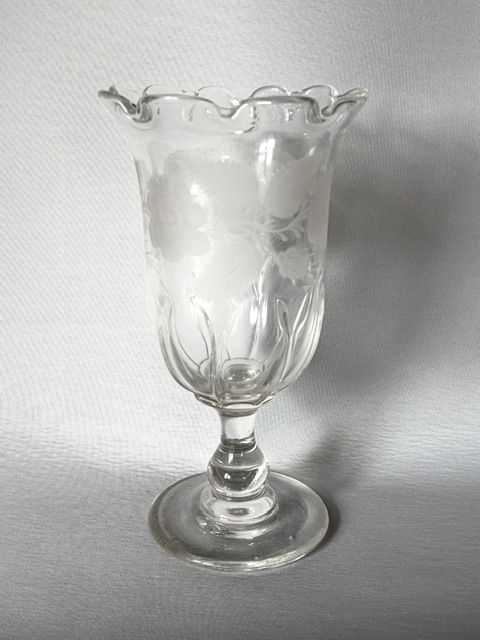
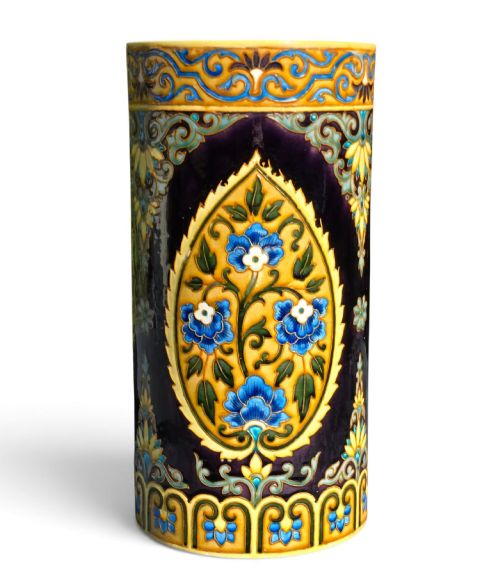
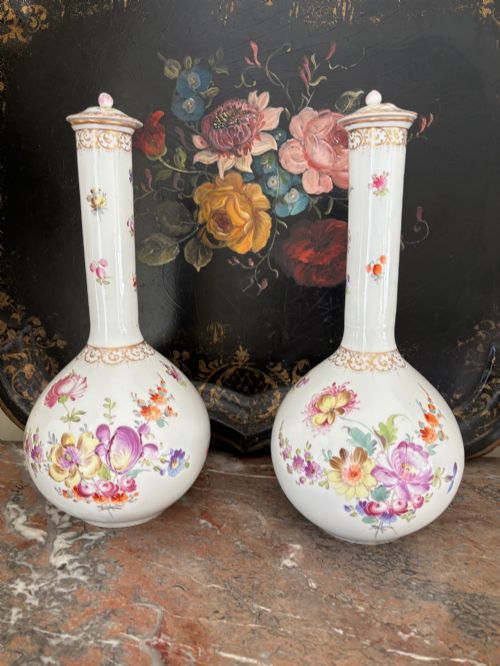
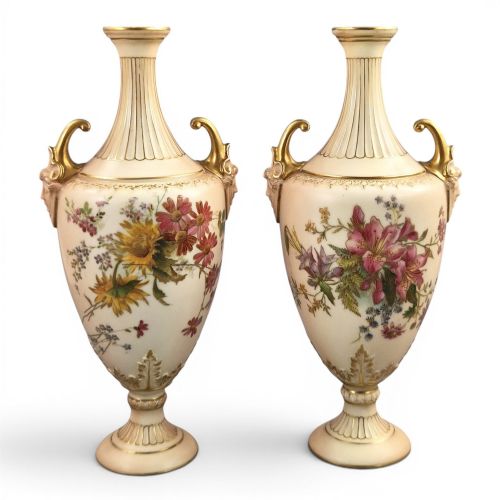
The most common versions met on this page include porcelain and earthenware creations from prominent potteries, featuring hand-painted floral decoration, enamel work, and gilt highlights. Alongside traditional ceramic vessels, the selection encompasses stoneware, faience, and glass bodies adorned with flower designs.
Makers and factories represented across these listings range from British institutions like Royal Worcester, Doulton Lambeth, and Crown Derby to continental European potteries and Japanese Imari imports of the period. Forms vary from small bud vases and posy pots to large centrepieces and lidded potpourri jars.
How they were made
Potters shaped these vessels using traditional ceramic bodies including porcelain, stoneware, and faience, often applying coloured glazes or enamel paint directly onto the surface before firing. Many pieces incorporate hand-painted botanical imagery executed with fine brushwork, complemented by raised gilt detailing or gold leaf accents.
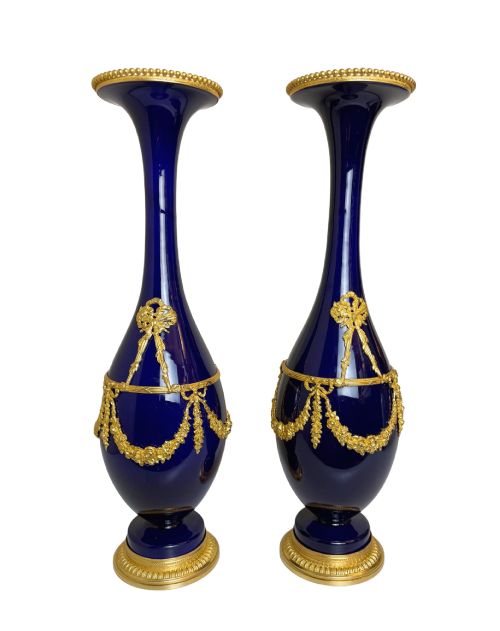
Techniques recorded in the archive also include specialised patent applications like Slaters Patent surface texturing, alongside metalwork pairings involving gilt bronze trim and silver mountings.
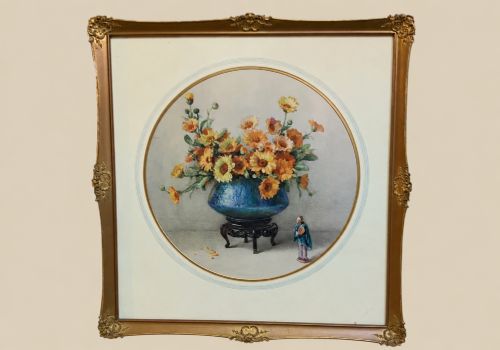
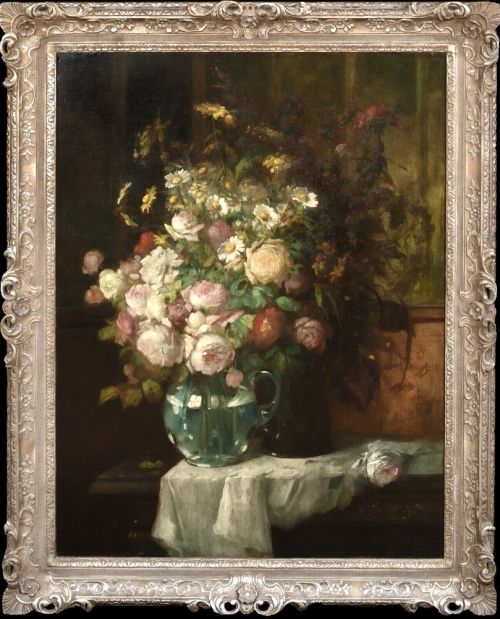
Floral still life waterpaintings join the ceramic vessels here, proving that nineteenth-century flowers stayed put whether painted on canvas or glazed onto clay.
What varies in quality
Quality rests upon the crispness of the hand-painted botanical detail and the sureness of the brushwork across the ceramic body. Pieces decorated by named artists or produced by distinguished potteries demonstrate superior artistic control and refined composition.
The weight of the porcelain or stoneware, the complexity of the form such as twin handles or bulbous double-gourd silhouettes, and the preservation of original gilding and enamel colours distinguish standard production ware from exceptional workshop pieces.
Théodore Deck·Royal Worcester·Crown Derby·Doulton Lambeth·Royal Vienna·Royal Doulton·Samuel Alcock·Sir Edmund Harry Elton
The Victorian Floral Vase Glossary
- Faience
- Tin-glazed earthenware decorated with opaque coloured glazes, often utilised for painted floral designs on Victorian studio and factory pottery.
- Potpourri
- A lidded vessel designed to hold dried scented plant material, featuring pierced or perforated covers to release fragrance into a room.
- Ewer
- A large jug with a wide spout and looped handle, frequently produced in matched pairs for decorative display during the nineteenth century.
- Imari
- A style of Japanese export porcelain characterised by underglaze blue and iron red decoration combined with extensive gilding, highly influential during the Victorian period.
- Gilt bronze
- An alloy of copper and zinc treated with a fine layer of gold applied to surface mounts, handles, and decorative trims.
Victorian Floral Vase: Frequently Asked Questions
What materials are victorian floral vases made from?
These decorative objects are constructed primarily from ceramic bodies such as porcelain, stoneware, and faience, frequently enhanced with enamel paint and gold leaf.
Additional materials found across the selection include opaline glass, silver, and gilt bronze mounts.
How do I identify a victorian floral vase?
Identification relies on examining the ceramic body, glaze type, and painting style characteristic of nineteenth-century manufacturing techniques.
Many pieces feature factory stamps, pattern numbers, or artist signatures on the underside, which help pinpoint the exact period and origin.
Were these vases used for fresh flowers?
While many vessels were designed to hold fresh blooms, larger forms such as lidded potpourri jars and centrepieces served strictly as decorative ornaments.
Some specialised shapes like posy vases and bud vases were specifically proportioned for small arrangements of cut flowers.
How should I display a victorian floral vase at home?
These decorative pieces suit placement on mantelpieces, side tables, or within cabinet displays where their hand-painted floral motifs remain visible.
Pairing matching ewers or placing a single bulbous vase on a flat surface allows the nineteenth-century craftsmanship to become a focal point.