



Painted Rose Porcelain Vessel
A painted rose porcelain vessel brings floral artistry into a room through hand-painted blooms rendered on fine ceramic forms.
Painted Rose Porcelain Vessel
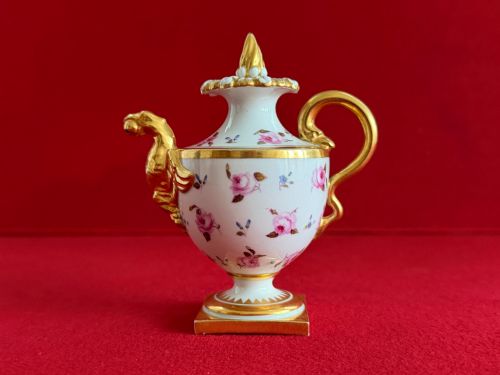
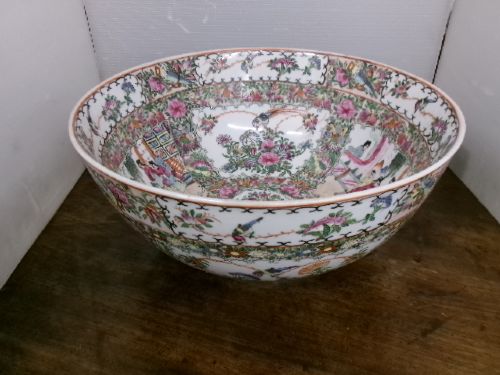
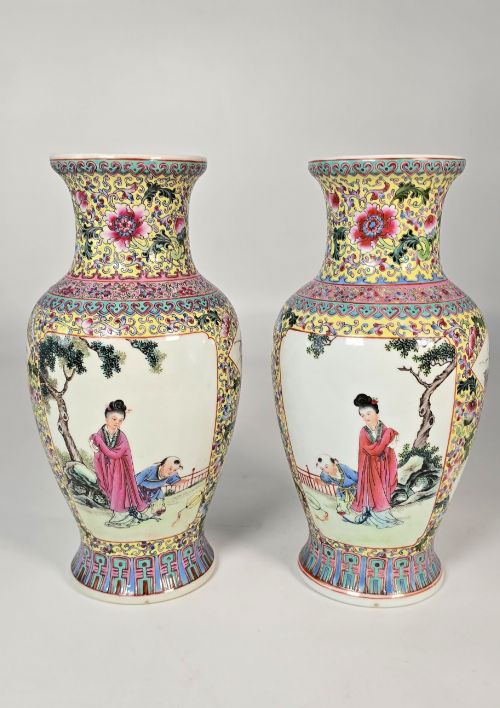
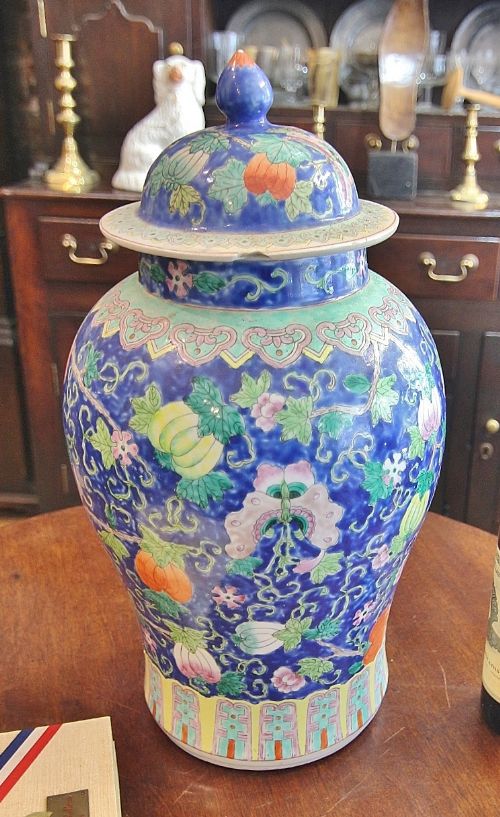
A painted rose porcelain vessel takes many forms on this page, ranging from English Worcester water sprinklers and bowls to Chinese Canton vases, jars, and snuff bottles. Buyers encounter works from the 18th century, Regency period, and various 19th and 20th-century eras.
The Chinese pieces frequently employ the famille rose palette, depicting birds, flowers, figures, and immortals across Qianlong, Qing, and Republican periods. English makers such as Royal Worcester, Flight, Barr & Barr, and Minton contribute ewers, jardiniere bowls, and sauce boats featuring botanical motifs.
Vessels span from small snuff bottles and cups to large centre bowls and tall vases. Each object serves either a decorative display purpose or a functional role as a jardiniere, bowl, or teapot.
Materials and production methods
Makers shaped vitreous porcelain bodies before applying glaze and enamel decoration by hand. Artisans utilised overglaze enamel techniques alongside cobalt blue underglaze decoration to build complex pictorial scenes.
Gilding, gold leaf, and elaborate gilt framing frequently accent the painted rose motifs across both English and Chinese works. Firing processes ensured the permanence of the intricate polychrome enamels on the ceramic surface.
Several tiny snuff bottles preserve miniature worlds of prosperity and longevity inside their painted rose walls.
Assessing quality in ceramic vessels
Quality rests upon the precision of the hand-painted brushwork and the clarity of the polychrome enamel palette. Finer pieces demonstrate control in depicting botanical details, figural scenes, and avian plumage.
The reputation of the maker or pottery influences the standing of a piece, with documented works from factories like Royal Worcester or specific Qing dynasty periods holding distinct craftsmanship standards. The crispness of the porcelain form and the application of gilding further define the upper tier.
Flight, Barr & Barr·Royal Worcester·Minton·Gao Hengsheng·J. Southall
The Painted Rose Porcelain Vessel Glossary
- Famille rose
- A major palette of Chinese ceramic enamel colours introduced in the Qing dynasty, dominated by opaque pink or rose tones. This classification includes numerous shades applied to floral and figural compositions.
- Ewer
- A large jug with a slender shape and a flared spout, designed for pouring water or serving decorative functions. These ceramic vessels often feature painted botanical designs.
- Jardiniere
- An ornamental ceramic pot or bowl intended to hold live plants or floral arrangements. They appear frequently in 19th and early 20th-century British production.
- Overglaze enamel
- Pigments painted onto a previously fired and glazed ceramic surface, requiring a subsequent low-temperature kiln firing to fuse the colours. This technique permits vibrant polychrome detail.
- Water sprinkler
- A small ceramic vessel with a narrow neck and perforated interior used for dispersing scented water. English factories produced notable examples in the Regency period.
Painted Rose Porcelain Vessel: Frequently Asked Questions
How do I care for painted porcelain?
Clean ceramic vessels gently using a soft, dry cloth to remove dust without disturbing the enamel or gilding. Avoid using abrasive cleaning agents or submerging antique pieces in water.
Keep pieces away from direct sunlight to preserve the vibrancy of the hand-painted rose enamels over time.
What is the difference between Chinese and English pieces?
English pieces often originate from factories like Worcester or Minton during the Regency and Victorian eras, utilising domestic porcelain bodies and botanical studies. Chinese examples frequently employ the famille rose palette across Qing dynasty and Republican periods.
Chinese vessels encompass forms such as snuff bottles and jars with figural narratives, whereas English output leans towards tableware, ewers, and decorative bowls.
How do I identify a period piece?
Examine the base for factory marks, Reign marks, or artist signatures that indicate the production era. Stylistic clues such as the form of the vessel and the composition of the enamels also point to specific centuries.
Comparing the potting style and glaze texture against known examples from the 18th, 19th, or early 20th centuries helps confirm authenticity.
Where were these vessels displayed?
Owners placed large centre bowls and tall vases on prominent tables or cabinets within period drawing rooms and parlours. Smaller items like snuff bottles were kept as personal cabinet objects or handled as works of art.
Jardinieres sat on stands to display live plants inside period homes, combining utility with painted floral decoration.