

Victorian Hand Painted Urn
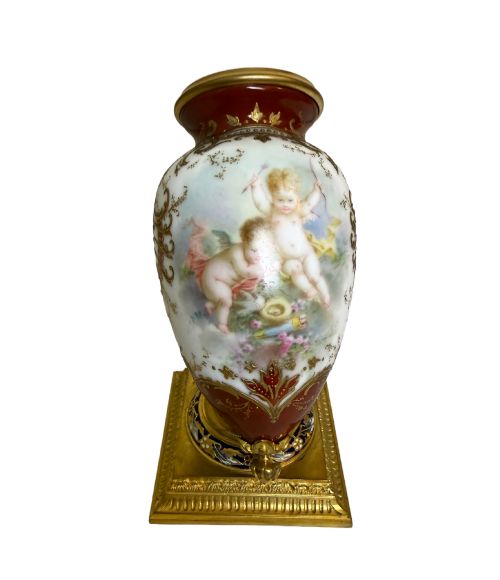
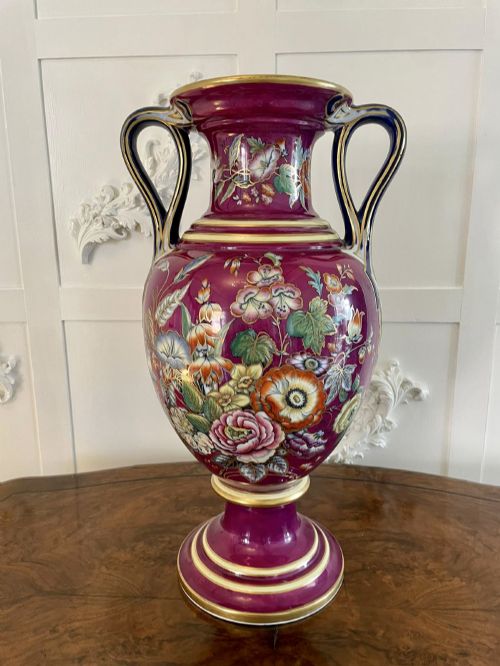
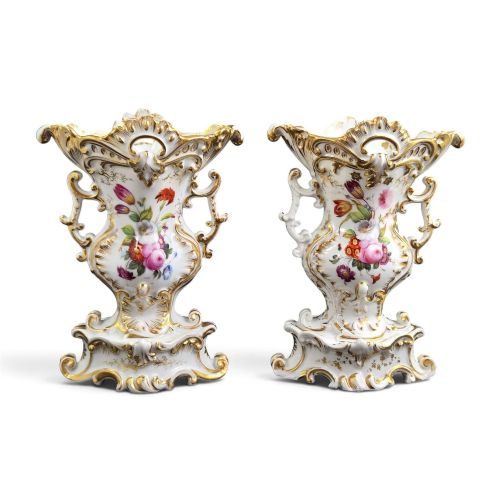
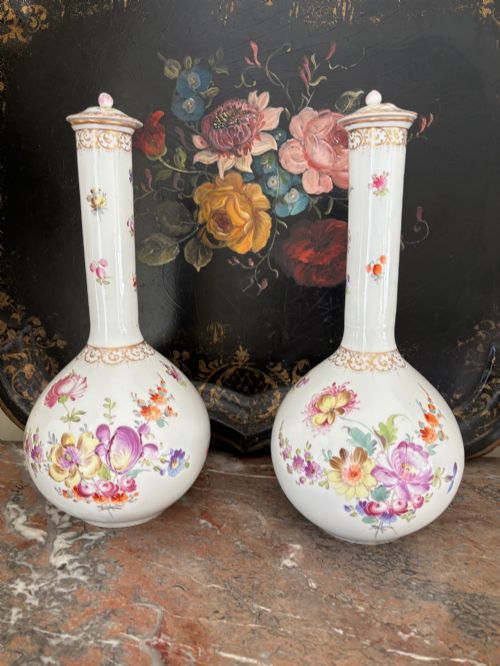
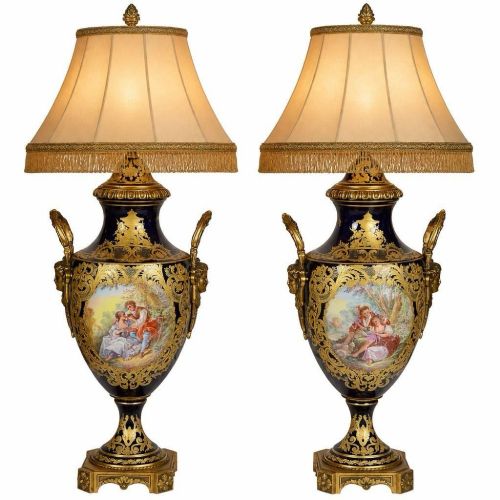
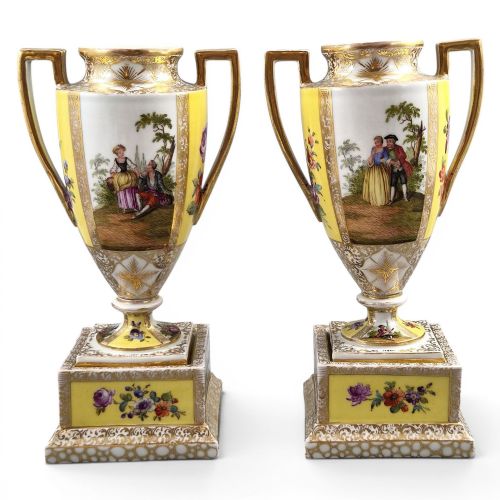
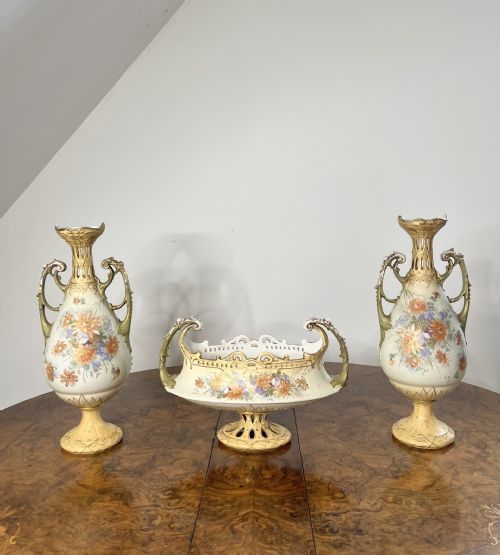
These Victorian hand painted urn pieces combine painted floral and figurative scenes with porcelain, ceramic, glass, and gilt bronze forms across the nineteenth century.
Victorian Hand Painted Urn
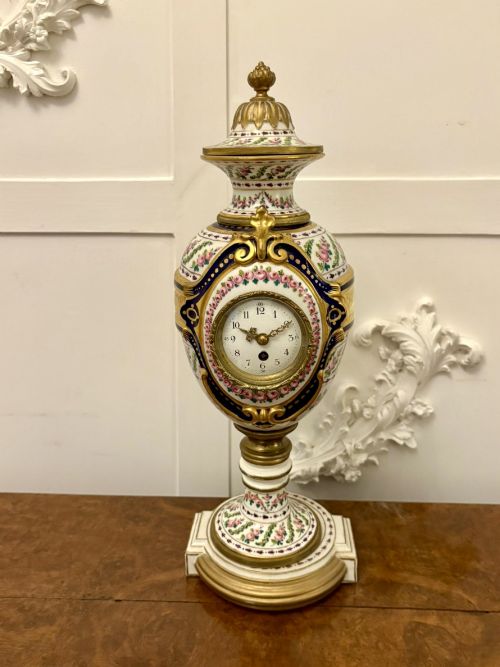
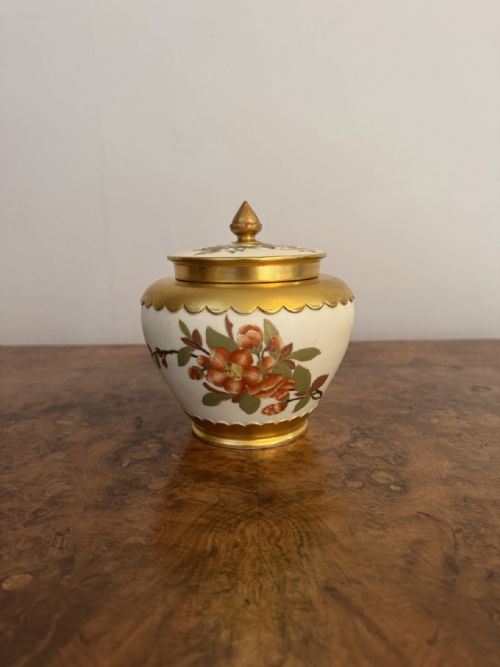
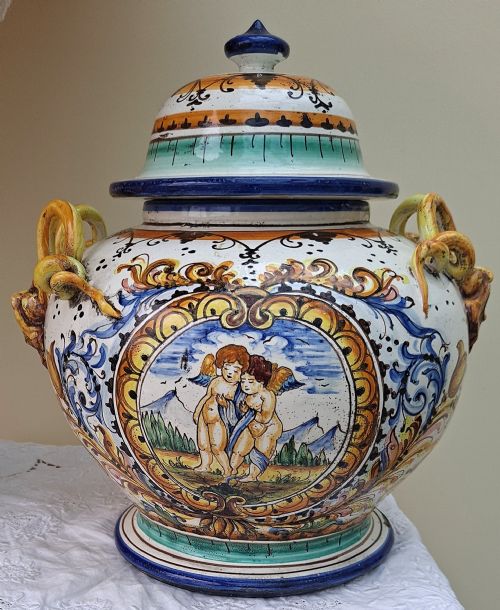
A victorian hand painted urn typically takes the form of a lidded potpourri jar, a twin-handled vase, or an urn-shaped mantel clock originating from nineteenth century production. The pieces recorded here span ceramic, porcelain, and glass vessels shaped during the Victorian and Edwardian eras, alongside related French and continental outputs.
Makers and factories such as Royal Worcester, Doulton Lambeth, and various French porcelain houses dominate the forms seen on this page. Buyers encounter both monumental decorative centerpieces and cabinet vases bearing detailed hand-painted botanical or figurative motifs.
How They Were Made
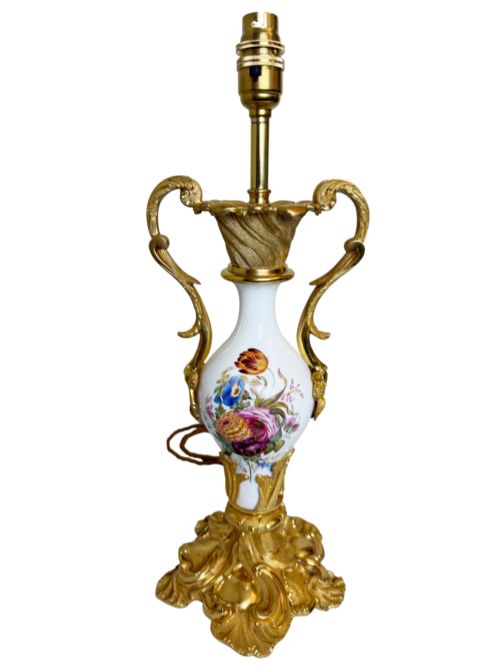
Potters and glassmakers shaped these vessels using porcelain, ceramic, faience, and coloured glass bodies, frequently integrating gilt bronze mounts and handles. Artisans applied hand-painted pigments directly onto the ceramic surface, often finishing details with raised gold leaf, gilding, and enamelling.
Firing techniques allowed for complex glaze effects, seen in blush ivory grounds, majolica glazes, and polychrome enamel layers. Lidded pieces and urn bodies were thrown or moulded before undergoing multiple kiln firings to set the painted and gilded decorations.
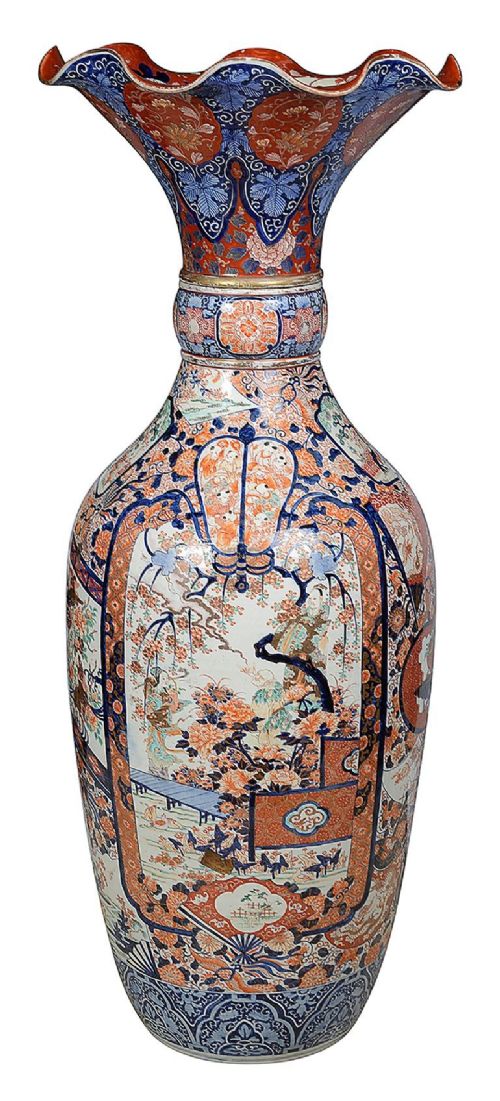
Some Victorian households displayed oversized Japanese Imari vases alongside traditional European urns to satisfy an intense nineteenth-century fascination with faraway lands.
What Varies in Quality
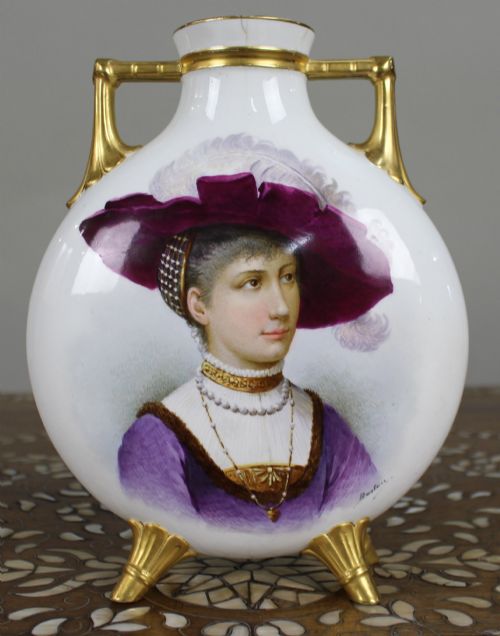
The standard of a painted urn depends upon the fineness of the brushwork and the precision of the gilding applied to the porcelain or ceramic body. Superior examples exhibit delicate, highly detailed floral or figurative scenes painted by named artists rather than generic transfer printing.
Construction details also dictate rank, from heavy cast gilt bronze mounts and substantial porcelain walls down to lighter glass and earthenware bodies. The presence of factory marks, registered pattern numbers, or artist signatures elevates the standing of an individual piece.
Royal Worcester·Doulton Lambeth·Sevres·Royal Vienna·Sitzendorf·Jacob Petit·Moser·Minton·Samuel Alcock·Helena Wolfsohn·Cantagalli·Spode
The Victorian Hand Painted Urn Glossary
- Porcelain
- A hard, white ceramic material fired at high temperatures to produce a vitrified, non-porous body. It serves as the primary canvas for detailed hand-painted decoration.
- Gilt Bronze
- An alloy of copper and zinc finished with a layer of gold applied by mercury amalgamation or electroplating. It provides mounts, handles, and feet for decorative urns and clocks.
- Maiolica
- Tin-glazed earthenware produced in Italy and later adopted across Europe. It displays bright painted colours over an opaque white glaze.
- Faience
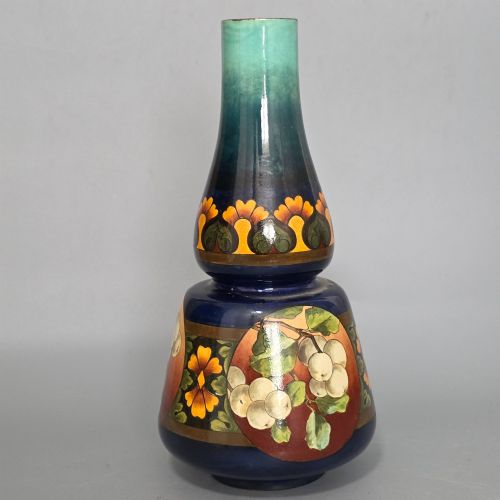
- European tin-glazed pottery resembling majolica, often associated with late nineteenth-century art pottery studios. Makers utilised this body for hand-painted floral and geometric patterns.
- Potpourri
- A mixture of dried plant material used to scent rooms, held within a lidded ceramic or porcelain jar designed with pierced openings. These vessels form a distinct subset of decorative urns.
Victorian Hand Painted Urn: Frequently Asked Questions
What is a Victorian hand painted urn?
A Victorian hand painted urn is a decorative ceramic, porcelain, or glass vessel produced during the nineteenth century featuring hand-applied floral, landscape, or figurative decoration.
These pieces served primarily as mantel ornaments, cabinet display items, or lidded potpourri containers rather than functional utility vessels.
How were these urns used in nineteenth-century homes?
Homeowners placed these vessels on mantelpieces, side tables, and pedestals to display wealth, artistic taste, and fashionable interior styling.
Lidded versions occasionally held scented dried petals or served as central garniture elements flanked by matching side vases.
How do I identify the maker of an urn?
Makers marked their pieces using impressed stamps, painted factory ciphers, or pattern numbers hidden on the unglazed base of the ceramic body.
Specific art pottery pieces also bear the painted initials or signatures of individual studio artists who decorated the surface.
What distinguishes porcelain from faience urns?
Porcelain is a vitrified, hard-paste ceramic fired at extreme temperatures to create a dense, white, non-porous body suitable for delicate miniature painting.
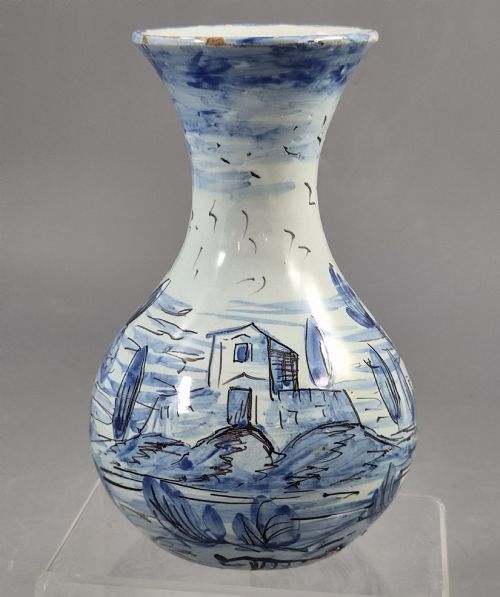
Faience utilises an earthenware body covered in an opaque tin glaze, resulting in heavier walls and broader, softer painted brushwork.