


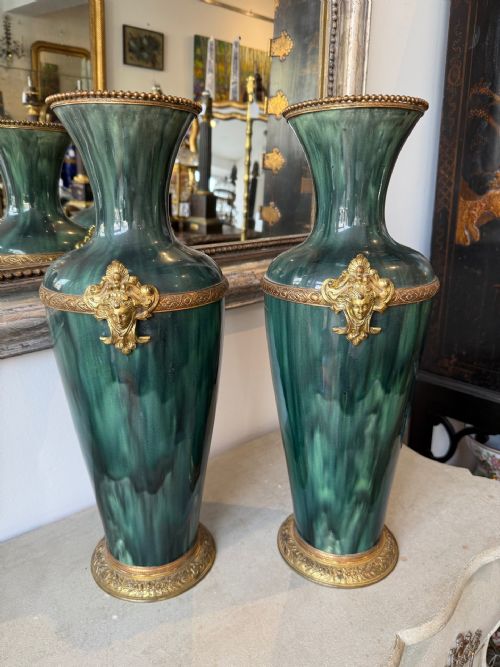


Gilt Mounted Porcelain Vases
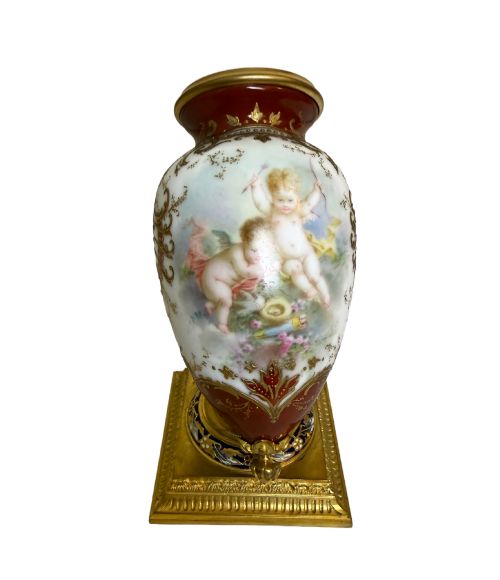
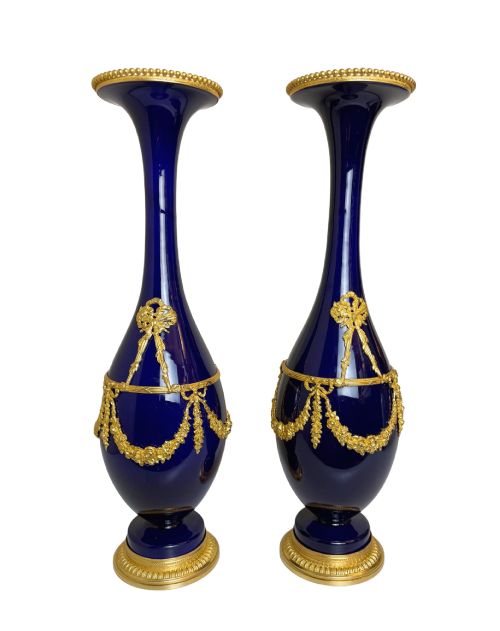
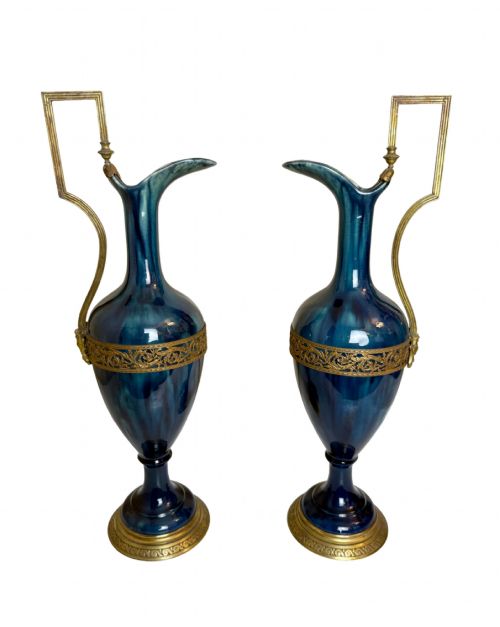
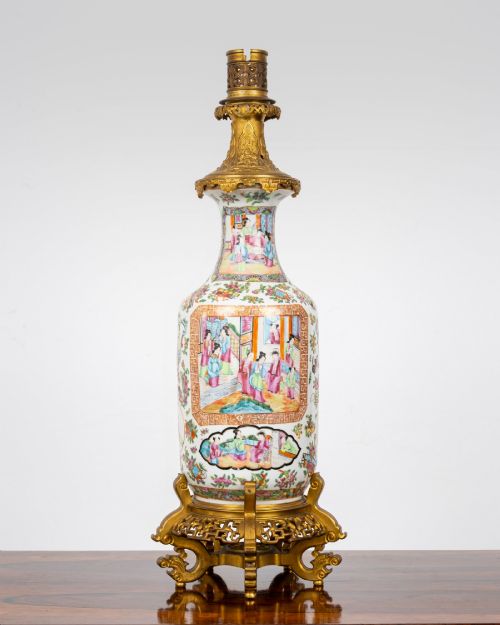
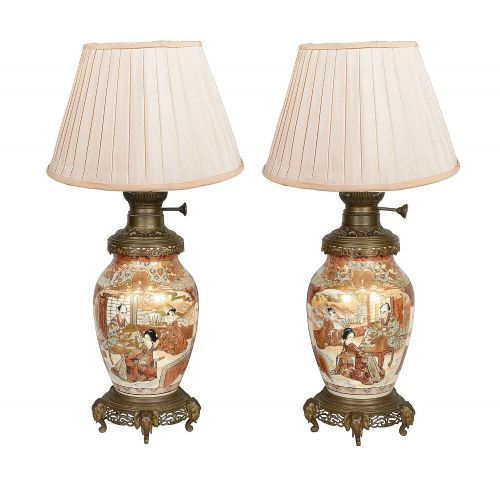
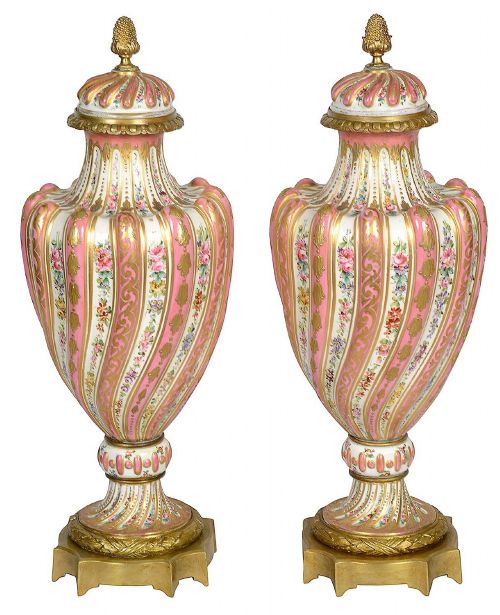
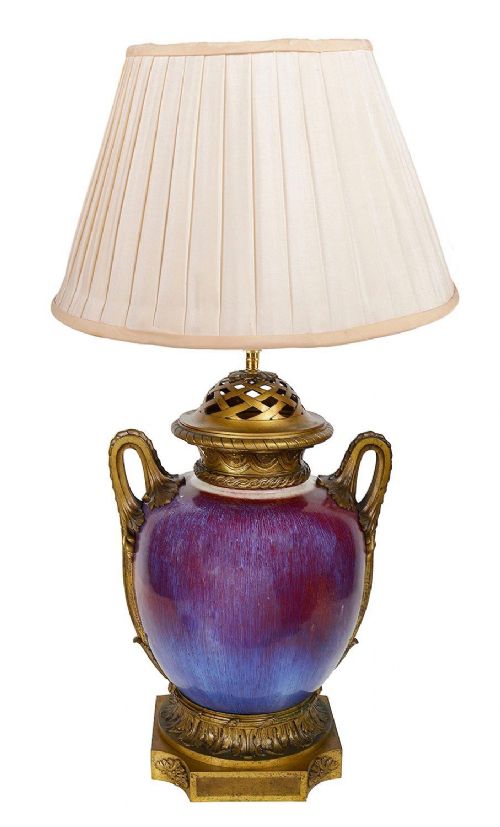
These gilt mounted porcelain vases combine fine ceramic bodies with cast metal fittings to create striking display pieces.
Gilt Mounted Porcelain Vases
Gilt mounted porcelain vases unite ceramic vessels with metal mounts, combining decorative utility with sculptural presence. When exploring gilt mounted porcelain vases, you encounter forms ranging from lidded vessels to table lamps and garnitures.
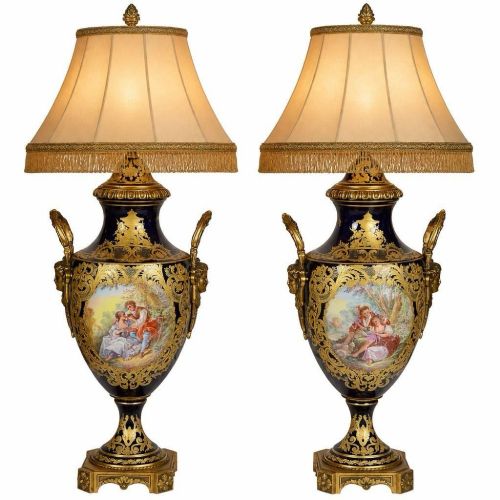
The selection leans heavily toward nineteenth-century French and Chinese styles, including Sevres style pieces alongside Famille Rose and Sang de Boeuf ceramics. Many items double as lighting, having been adapted into table lamps or candelabra while retaining their original character.
The aesthetic bridges European neoclassical tastes with Asian export ceramics, often incorporating bronze or ormolu mounts to frame the porcelain body. Pairs dominate the selection, making them suited for symmetrical placement on mantelpieces or side tables.
Materials and Technique
Makers shaped the porcelain bodies using traditional throwing or moulding techniques before applying glazes, enamels, or hand-painted details such as pate-sur-pate. Kiln temperatures determined the depth of colour, from powder blue and mottled green to deep red glazes.
Metalworkers cast bronze, brass, or gilt metal mounts to fit the contours of the ceramic vessels precisely. These mounts were then gilded to provide a bright finish that complemented the painted or glazed porcelain surfaces.
Napoleon Bonaparte inspired nineteenth-century artisans to commemorate his legacy on monumental lidded vessels.
Assessing Quality
The refinement of the casting in the ormolu or gilt bronze mounts separates standard pieces from finer examples. Crisp chasing on the metalwork indicates skilled labour, whereas softer details suggest a more hurried production.
On the ceramic side, the clarity of the hand-painting, the smoothness of the glaze, and the precision of any enamelling dictate the piece's standing. Harmony between the porcelain vessel and its metal mounts reveals the maker's eye for proportion and balance.
Sevres·Meissen·Minton·Samson
The Gilt Mounted Porcelain Vases Glossary
- Ormolu
- Gilt bronze fittings applied to furniture, clocks, and ceramics. This technique involves coating cast bronze with a mercury-gold amalgam before heating.
- Garniture
- A set of three or more matching vases or urns designed for display together on a mantelpiece. These matched sets often feature a central larger vessel flanked by smaller companions.
- Pate-sur-pate
- A ceramic decorating technique where wet porcelain slip is built up in successive layers to create a low relief cameo effect. The translucent design stands out against a contrasting coloured background.
- Sang de bouf
- A rich, deep red copper-reduction glaze originating from Chinese kilns. The mottled colour variation results from complex chemical reactions during high-temperature firing.
Gilt Mounted Porcelain Vases: Frequently Asked Questions
What are gilt mounted porcelain vases?
These decorative objects pair ceramic vessels originating from European factories or Asian kilns with cast metal mounts. The metal fittings usually frame the rim, base, or handles of the vase.
Craftsmen often used bronze, ormolu, or gilt metal to enhance the visual weight of the porcelain. Such pieces served as ornamental centrepieces in period drawing rooms.
How do you wire these into lamps?
Many historical vases were converted into lighting during the nineteenth or twentieth centuries to suit contemporary interiors. This conversion typically involves running a cord through a drilled base or through the central mount.
Careful consideration is given to preserving the original ceramic body and metal fittings during any electrical work. Professional installation ensures the wiring respects the structural integrity of the antique.
How do I identify Sevres style pieces?
Sevres style items emulate the French royal porcelain factory's distinct aesthetic, often featuring cobalt blue grounds, rich gilding, and hand-painted pastoral scenes. These decorative pieces frequently include elaborate ormolu mounts inspired by neoclassical designs.
Many nineteenth-century European workshops produced items in this manner to satisfy collectors of French court taste. Examining the painting technique and the weight of the gilt mounts helps distinguish these later interpretations.
Where should I display them?
Their substantial presence makes these vessels well-suited for placement on sturdy sideboards, pedestals, or mantelpieces. Symmetrical pairs look particularly effective when arranged to frame a mirror or architectural feature.
Positioning them away from direct sunlight protects both the painted porcelain details and the gilded metal surfaces. Stable placement ensures the heavy mounts and ceramic bodies remain secure.