



Rococo Revival Porcelain Vase
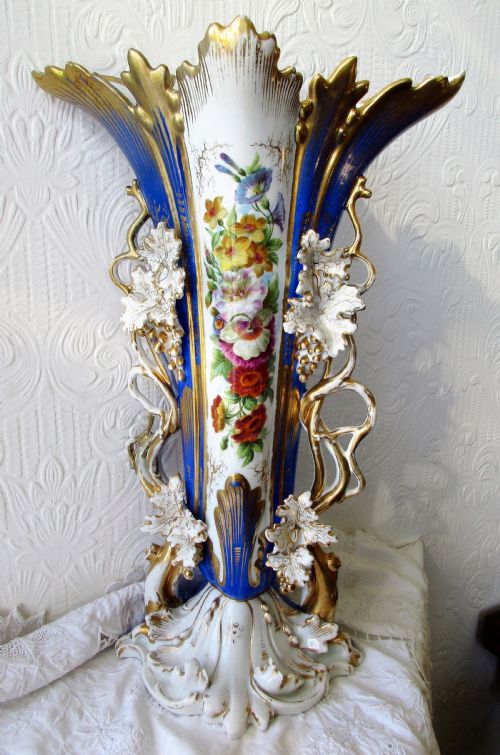
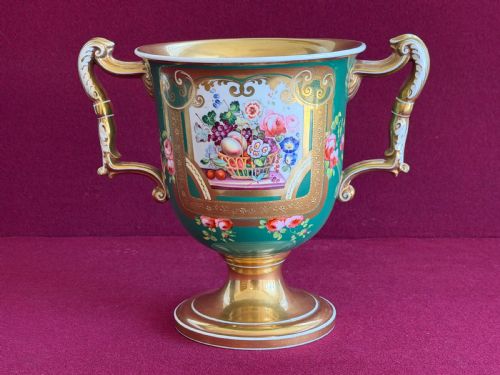
These rococo revival porcelain vases bring asymmetric curves, hand-painted scenes and gilt mounts straight from nineteenth-century drawing rooms into modern interiors.
Rococo Revival Porcelain Vase
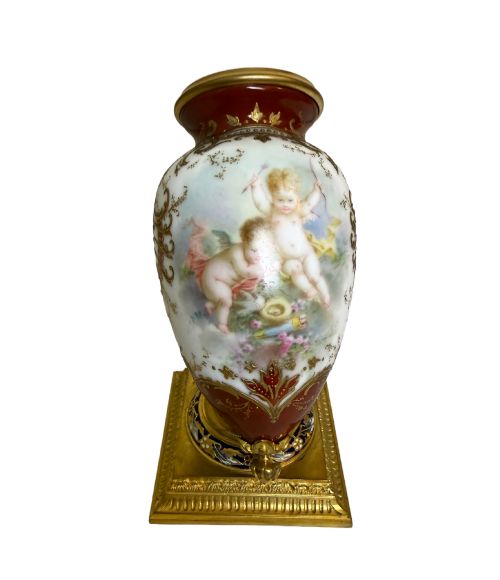
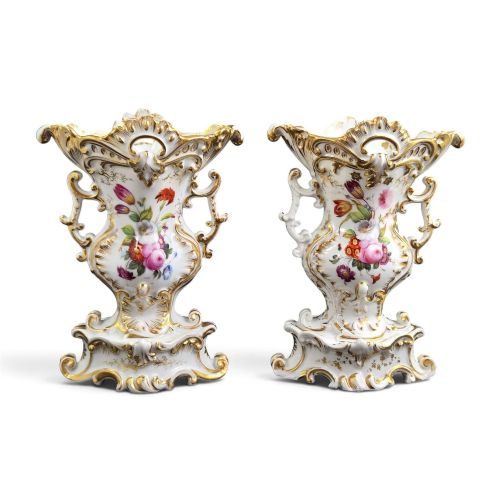
A rococo revival porcelain vase marries curving organic forms with delicate painted surfaces, drawing directly on eighteenth-century French and German models. The selection here spans nineteenth-century pieces alongside later interpretations, taking the shape of lidded urns, potpourri jars, ewers and table lamps.
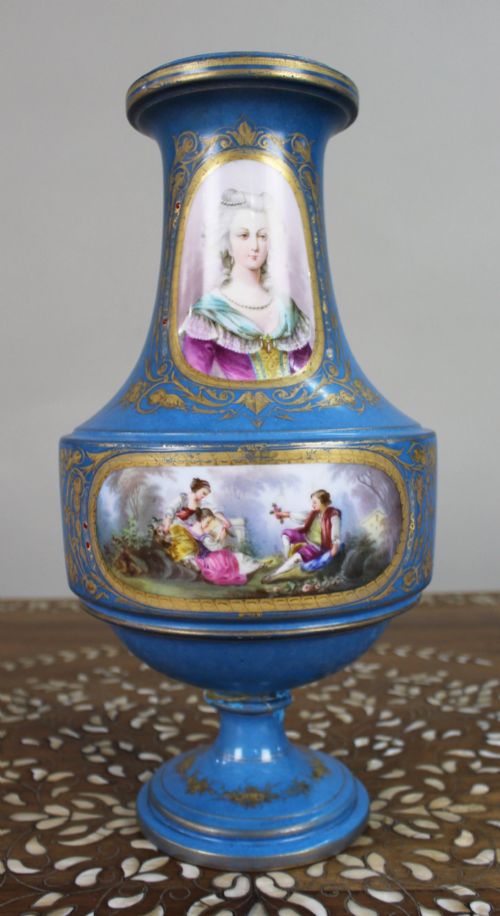
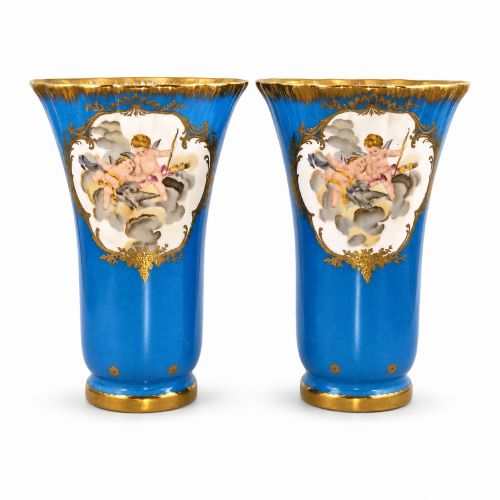
Most examples originate from French and English workshops, including Paris ware and factories producing in the Sèvres or Meissen taste. Makers often employed cobalt blue grounds, turquoise bleu céleste tones and intricate pastoral panels featuring gallant figures.
Forms range from petite cabinet items to tall decorative pairs designed for mantelpieces and pedestals. Buyers encounter both single statement pieces and matched garnitures intended to anchor a room scheme.
How they were made
Potters shaped the ceramic bodies from fine paste porcelain before applying layered enamel colours and hand-painted motifs. Artisans frequently integrated raised white enamel work and detailed gilt highlights directly onto the fired glaze.
Metal components played a structural and decorative role, combining cast brass, ormolu and gilt bronze mounts. Makers secured porcelain bodies within elaborate metal bases and handles finished with gold leaf or heavy gilding.
Listings feature nineteenth-century manufacturing traditions from French, German and English makers, utilising porcelain, ormolu, enamel and gilt bronze.
What varies in quality
Quality rests on the crispness of the porcelain modelling and the skill behind the hand-painted details. Superior pieces display finely articulated facial expressions in figurative scenes, precise floral brushwork and cleanly applied enamel without blurring.
The integration of metalwork distinguishes standard productions from finer workshop output. Heavier, deeply chased ormolu and gilt bronze mounts fitted securely to the ceramic body indicate superior craftsmanship and higher initial cost.
Jacob Petit·Samson Paris·H and R Daniel·Samuel Alcock·Helena Wolfsohn·Sitzendorf·Coalport·Vion et Baury
The Rococo Revival Porcelain Vase Glossary
- Bleu céleste
- A bright sky blue ground colour popular in nineteenth-century porcelain production. Factories utilised this distinctive hue to emulate prized eighteenth-century French royal wares.
- Ormolu
- Finely ground high-carat gold applied to a bronze base through a mercury-gilding process. This technique created the rich metallic mounts seen on many nineteenth-century decorative pieces.
- Bisque
- Unglazed white porcelain fired to a matte, tactile finish. Makers often utilised this material for sculptural figures and classical vases.
- Garniture
- A matched set of three or more ornamental vases designed for display together on a mantelpiece or sideboard. These sets typically feature a central larger vessel flanked by smaller matching pairs.
- Potpourri
- A perforated lidded vessel intended to hold dried scented plant materials. These pieces allowed fragrance to diffuse while concealing the contents within an ornate ceramic body.
Rococo Revival Porcelain Vase: Frequently Asked Questions
How do I identify a Sèvres style vase?
Look for rich coloured grounds like cobalt or turquoise paired with gilt bronze mounts and hand-painted panels. Many nineteenth-century European factories produced pieces in this aesthetic.
Check for painted or impressed factory marks on the base, though many decorative pieces relied on general style markers rather than direct copies of official seals.
Where should I display a large lidded vase?
These substantial vessels suit prominent locations where their detailed mounts and painted scenes remain visible. Consider placing pairs on sturdy sideboards, mantels or dedicated pedestals.
Ensure the surface supports the weight, particularly for pieces incorporating heavy bronze or ormolu mounts.
Can I use these vases for fresh flowers?
Most antique decorative vases function best as ornamental display objects rather than water holders. Nineteenth-century manufacturing methods and interior metal fittings mean moisture can risk the ceramic or historic adhesives.
Use them dry or pair them with artificial stems if you prefer botanical arrangements.
What is the difference between Paris ware and factory pieces?
Paris ware encompasses output from numerous independent workshops operating around Paris during the nineteenth century. These makers often produced unmarked pieces featuring exceptional hand-painted floral designs and gilt highlights.
Named factories like Coalport or Meissen typically applied specific stamps or painted marks to identify their workshop origin.