

Victorian Floral Urn
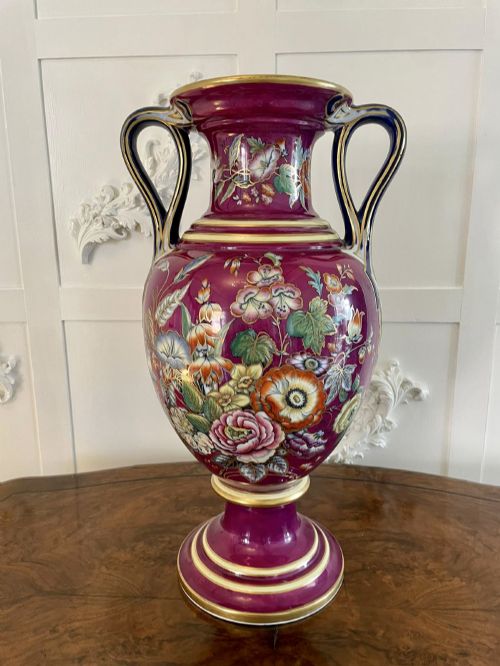
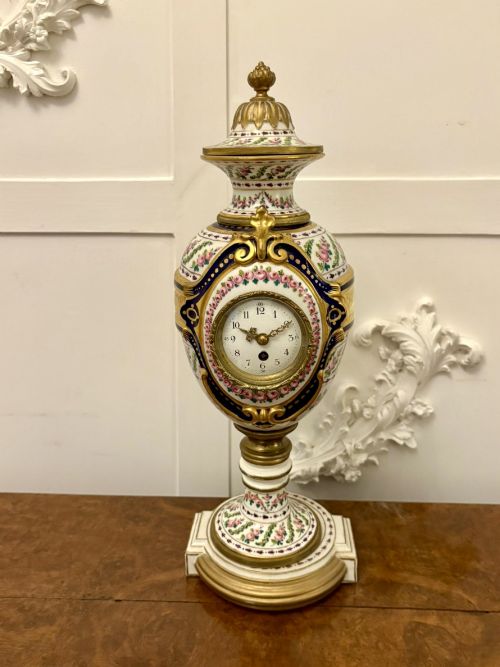
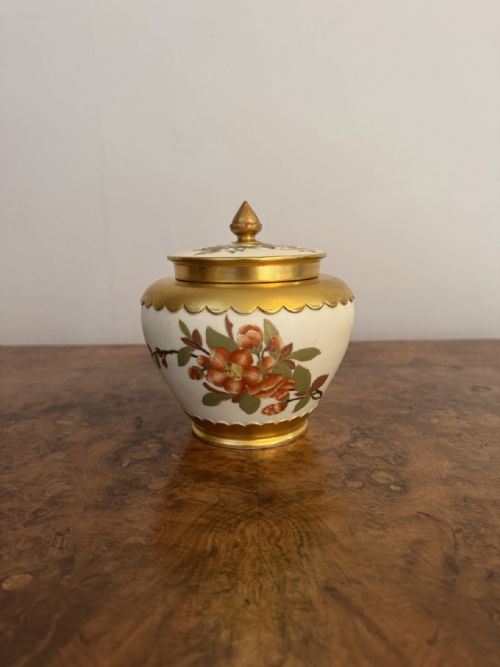
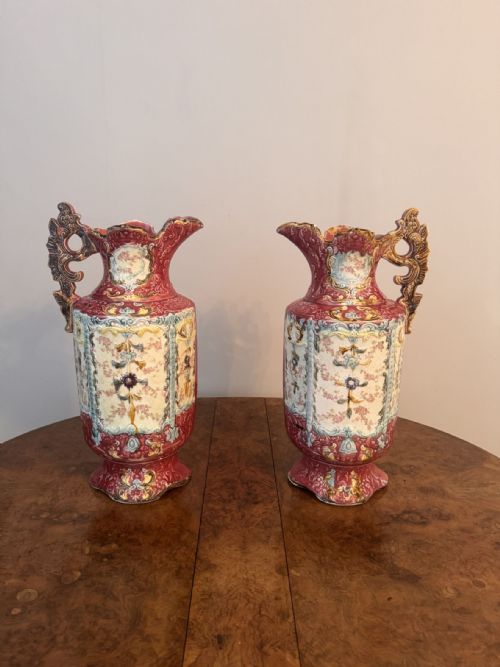
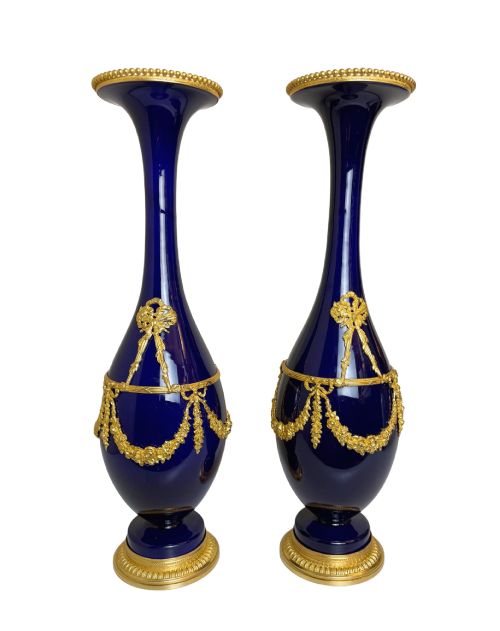
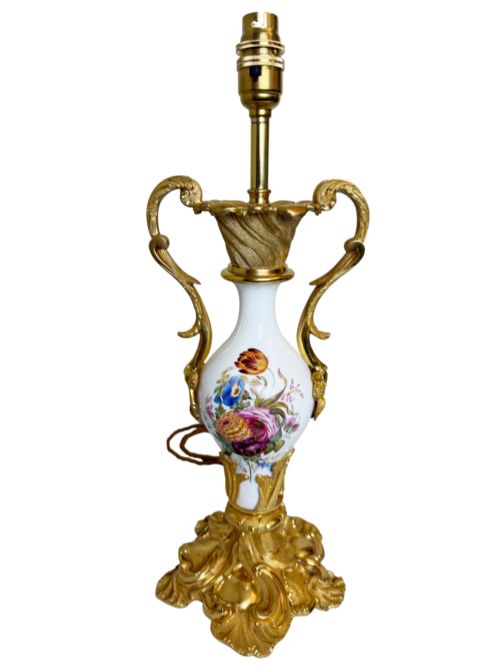
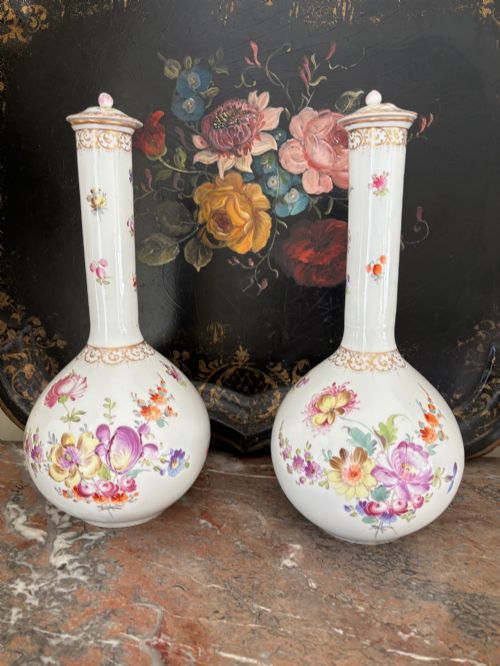
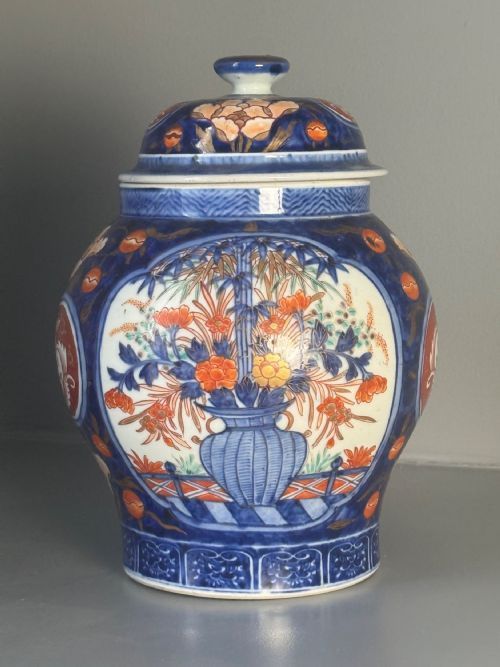
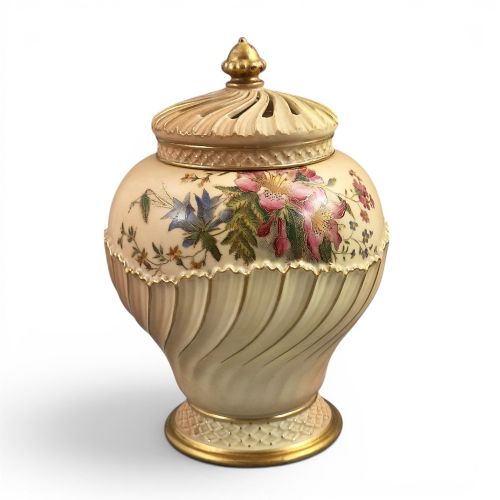
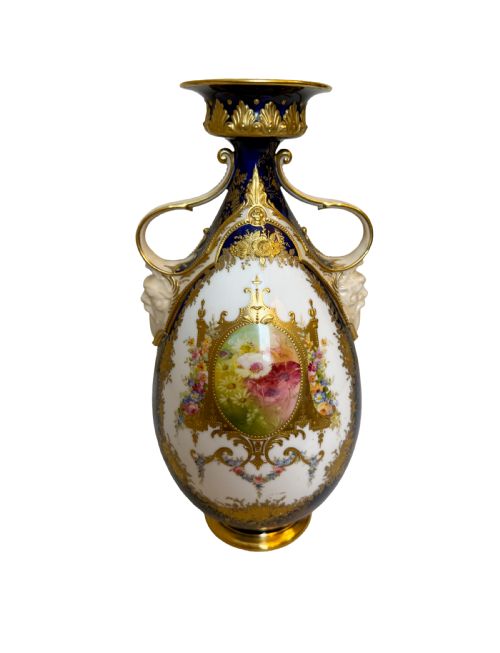
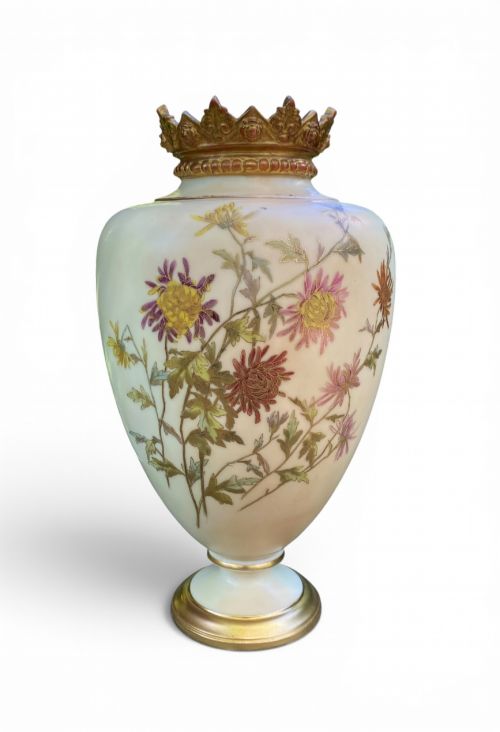
A victorian floral urn brings hand-painted botanicals and classical silhouettes together, offering a striking centrepiece for a traditional interior.
Victorian Floral Urn
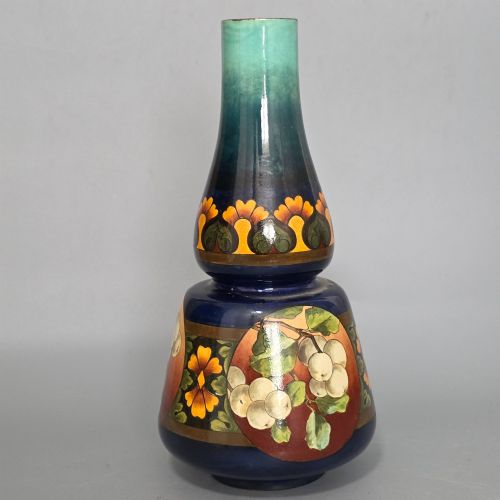
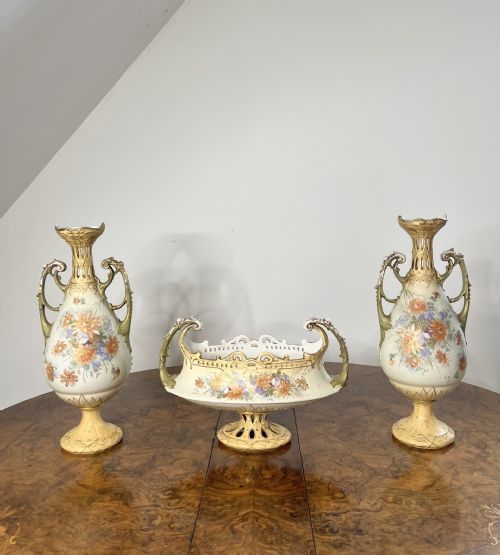
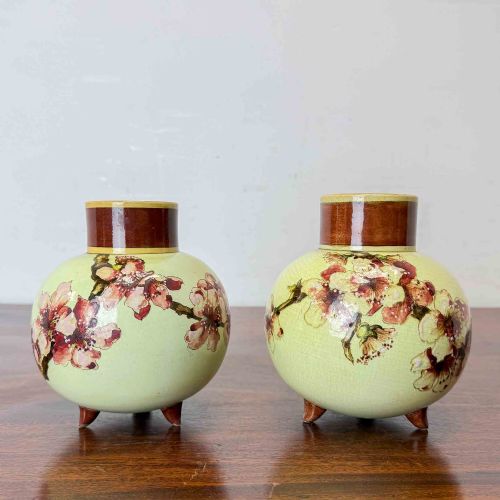
When you search for a victorian floral urn, you encounter vessels produced primarily in the nineteenth century, ranging from lidded potpourri jars to twin-handled mantel vases. These pieces frequently feature hand-painted floral motifs rendered on porcelain, earthenware, or faience, reflecting the widespread botanical enthusiasm of the period.
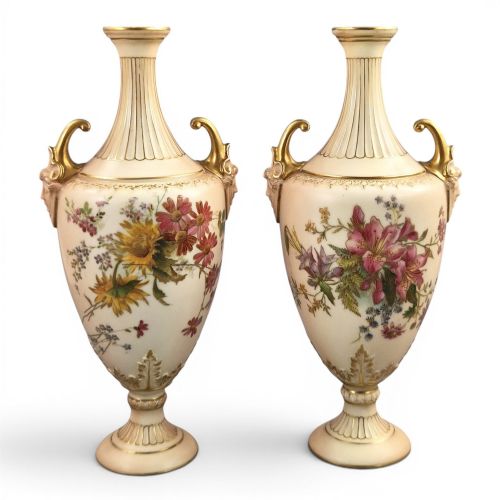
The selection on this page relies heavily on English potteries like Royal Worcester and Doulton Lambeth, alongside continental porcelain and occasional Japanese imports catalogued under Victorian taste. You will find matched pairs as well as substantial single mantel pieces, often shaped with classical handles and decorative gilding.
Materials and construction
Makers utilised fine porcelain, earthenware, and heavy ceramic bodies, shaping them into bulbous, baluster, or urn profiles before applying foundational glazes. Surface decoration relied on hand-painted enamel colours, often combined with raised gold leaf or gilt bronze mounts to accentuate the floral designs.
Techniques varied from slip-decorated faience used by studio potteries to transfer-printed outlines filled with meticulous hand painting. Kiln firing fixed the polychromatic enamels and lustres, while specialised pieces incorporated gilt bronze trim or intricate pierce-work covers.
Listings span from the 1850s through the Edwardian period, uniting English porcelain, German pottery, and Japanese export ceramics.
Assessing quality
Quality rests upon the execution of the hand-painted botanical details and the crispness of the porcelain or ceramic moulding. Superior examples display subtle tonal shading in the floral bouquets and securely applied gilding that retains its original burnished lustre.
The distinction between standard commercial output and exceptional studio work lies in the depth of the glaze, the weight and balance of the vessel, and the individuality of the painted composition. Pieces bearing specific artist signatures or well-documented factory patterns naturally command greater attention.
Royal Worcester·Doulton Lambeth·Sitzendorf·Royal Vienna·Samuel Alcock·Moser
The Victorian Floral Urn Glossary
- Urn
- A classical vase shape featuring a rounded body tapering to a foot, often fitted with handles and a removable lid. These vessels served both decorative and functional roles for potpourri.
- Faience
- Tin-glazed earthenware popular with late nineteenth-century art potteries. It provided an opaque absorbent ground well-suited for hand-painted underglaze flora.
- Blush ivory
- A signature Royal Worcester aesthetic characterised by a creamy bisque porcelain background decorated with soft pinks, golds, and naturalistic floral sprays.
- Baluster
- A vase form with a rounded lower body that narrows gracefully toward the neck, mimicking architectural support pillars.
- Gilding
- The application of gold leaf or powdered gold paint to ceramic surfaces or metal mounts. It highlights rims, handles, and botanical borders.
Victorian Floral Urn: Frequently Asked Questions
What is a victorian floral urn used for?
These vessels originally served as decorative mantel ornaments, garniture sets, or functional containers for dried potpourri petals.
Today, they function primarily as standalone decorative focal points on sideboards, tables, and open shelving.
How do I date a floral urn?
Dating relies on factory printed bottom marks, registration numbers, and stylistic shifts between mid-century revivalism and later art nouveau curves.
Material composition and colour palettes also provide reliable clues to whether a piece belongs to the early Victorian decades or the Edwardian transition.
Are these pieces waterproof?
Many nineteenth-century ceramic and porcelain vessels were manufactured primarily for dry floral displays or as ornamental objects rather than holding water.
It is advisable to check the interior glazing and structural integrity before using any antique urn for fresh cut stems.
How do I style an antique urn?
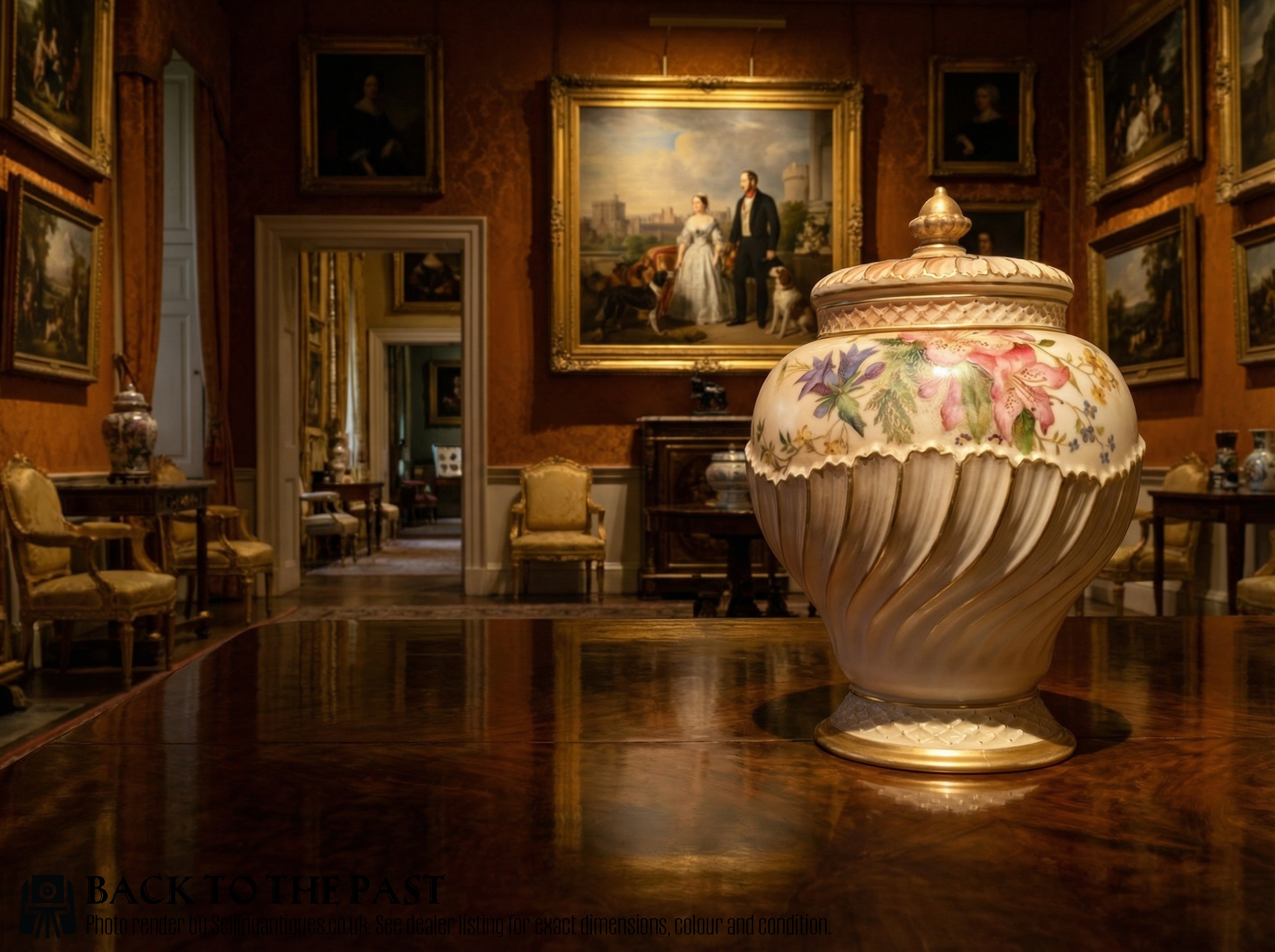
Place a matched pair on either side of a mantel clock or use a single large baluster vase as a statement piece on a console table.
Keep surrounding decor simple to allow the hand-painted floral details and gilt mounts to draw the eye.