
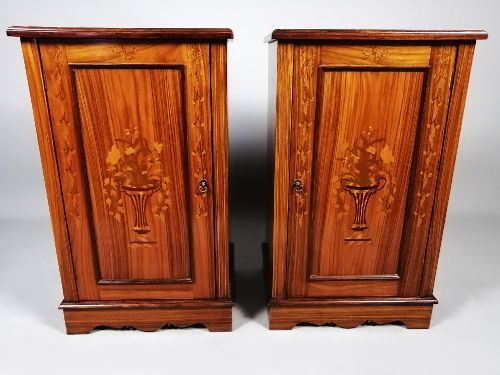
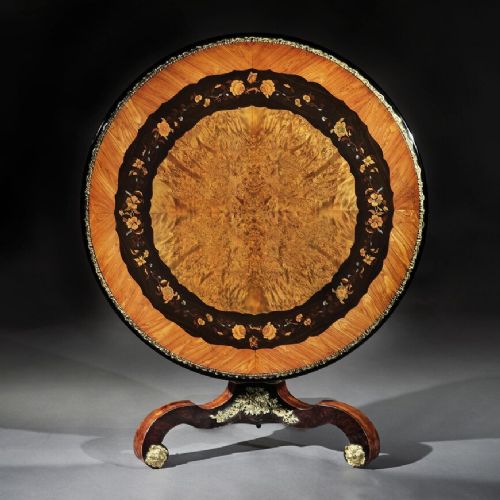
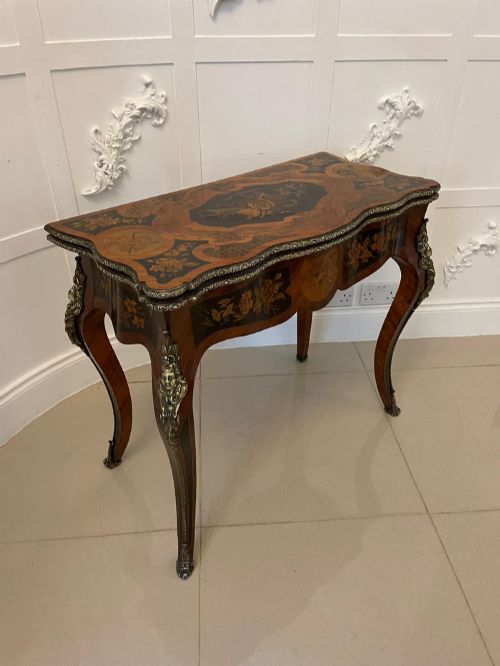

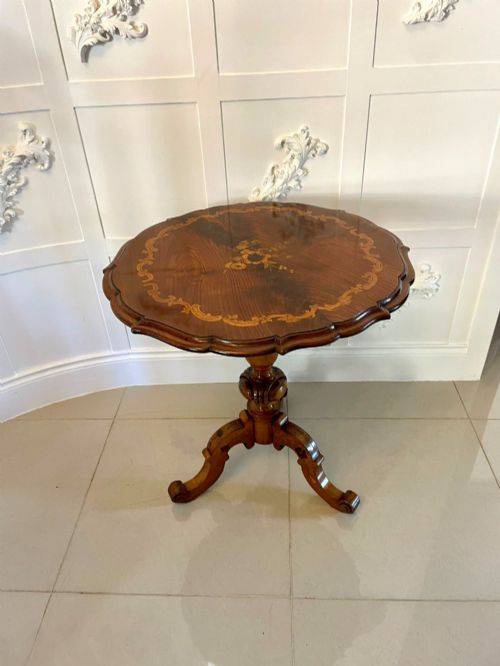
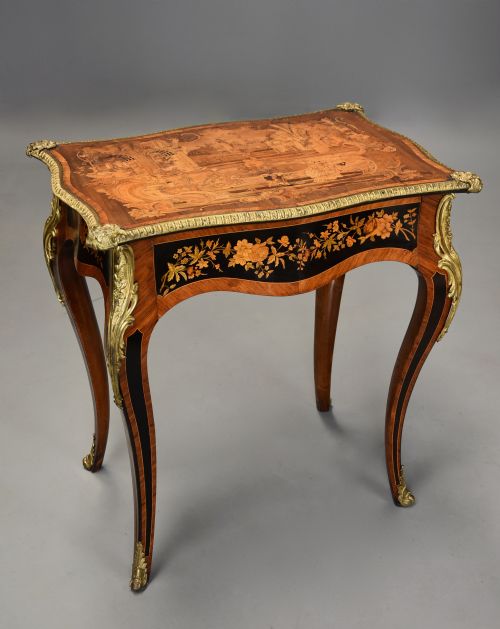
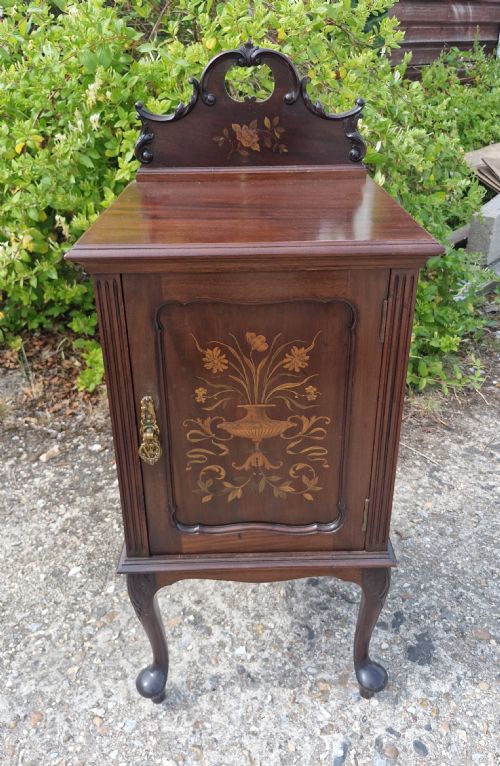

Victorian Floral Inlay Table
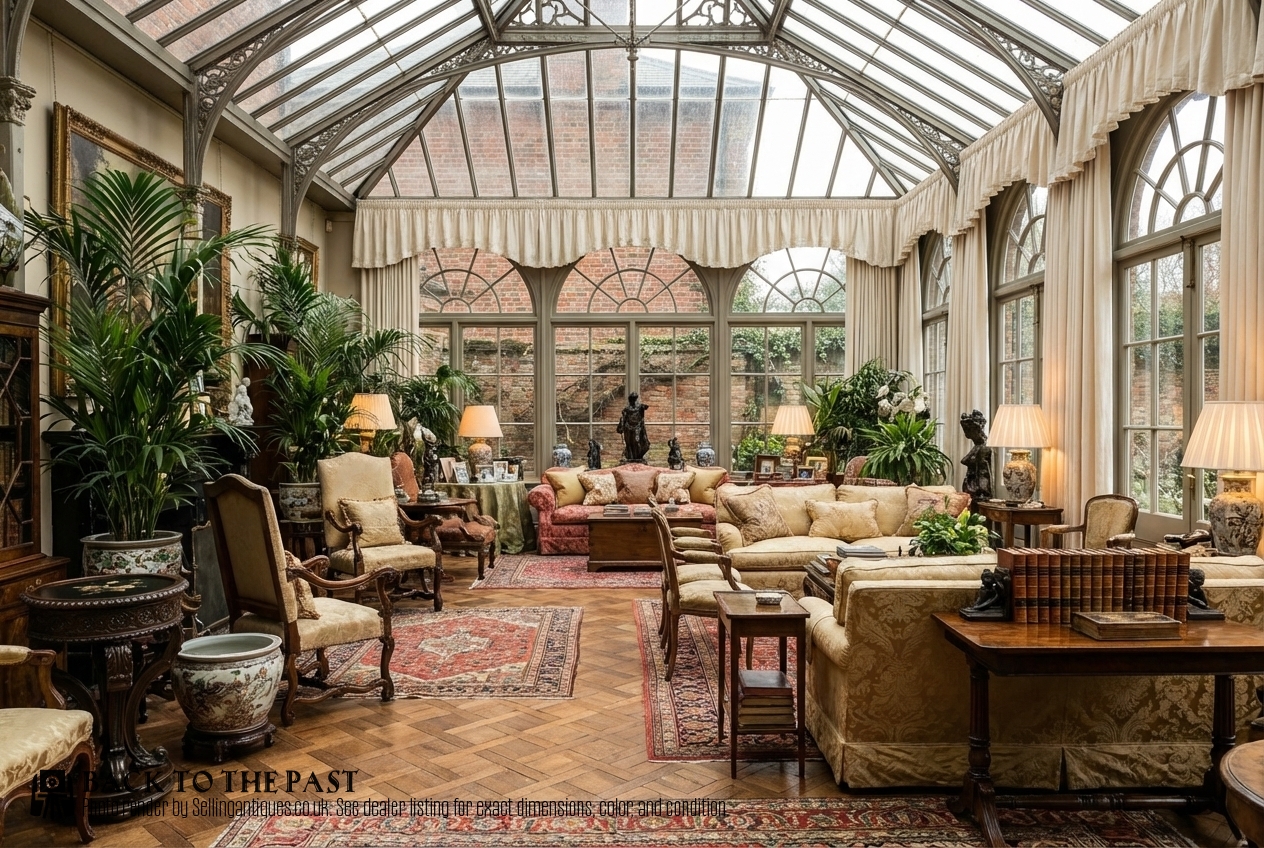
A victorian floral inlay table brings rich wood tones and delicate botanical motifs together, offering a practical centrepiece that anchors a formal reception room.
Victorian Floral Inlay Table
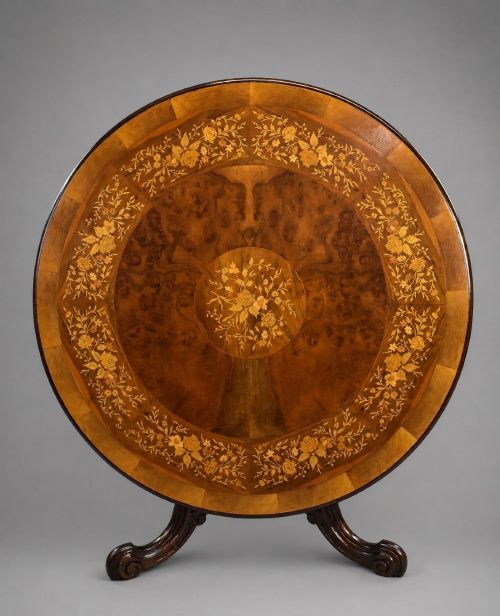
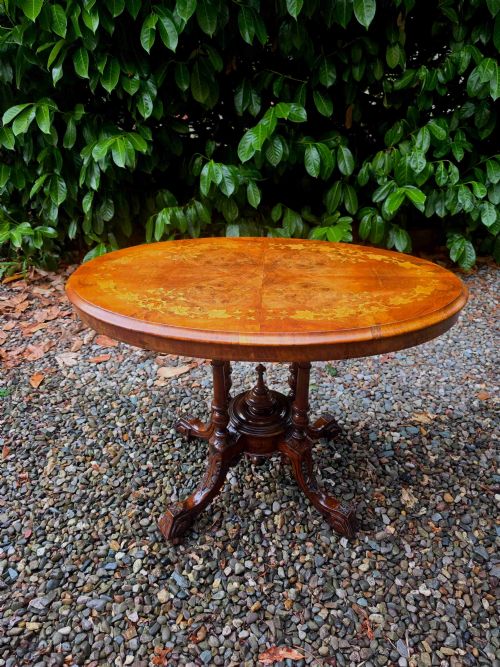
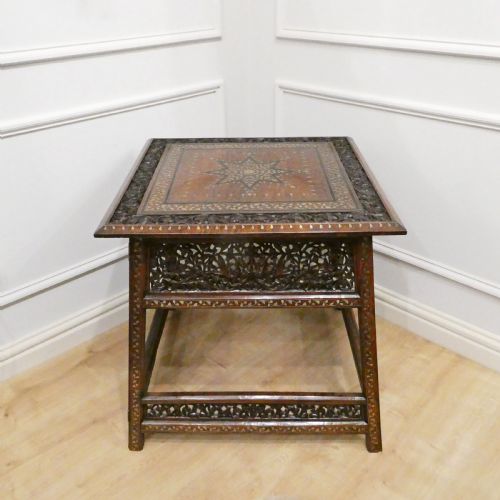
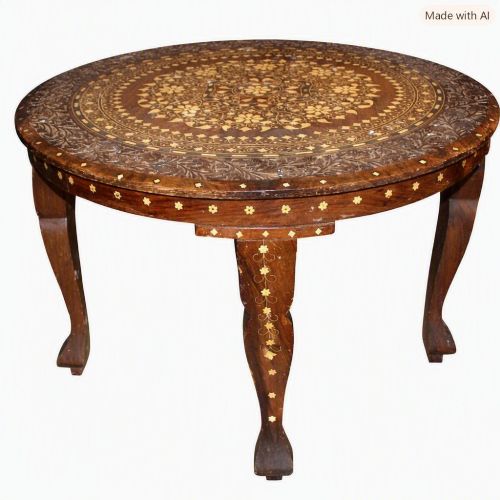
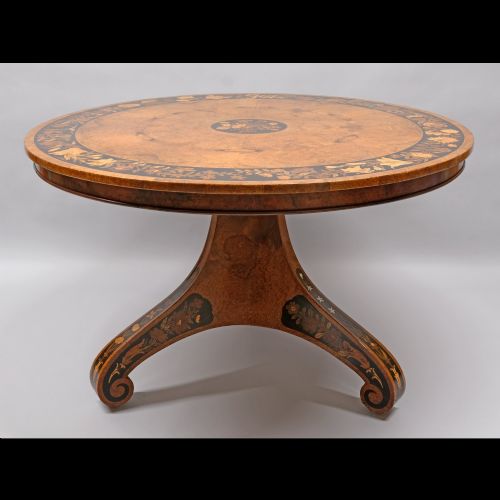
A victorian floral inlay table is primarily designed as a centre table or occasional table, frequently appearing in the evidence with elaborate marquetry work on the top surface. These domestic pieces serve both decorative and functional roles in nineteenth century interiors, offering stable surfaces supported by central pedestals or four legs.
The walnut and burr walnut examples dominate the selection, often taking circular or oval shapes that display complex floral patterns worked in contrasting timbers. Buyers encounter pieces spanning the mid to late nineteenth century, reflecting diverse revival aesthetics from French Louis styles to domestic Victorian production.
Materials and construction
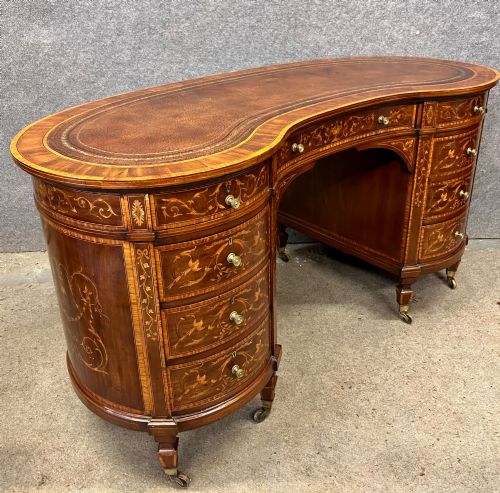
Cabinet makers utilise a foundation of solid woods like mahogany or walnut, applying veneers of burr walnut, rosewood, or kingwood to create figured surfaces. Marquetry panels involve cutting thin sheets of contrasting timber, satinwood, and bone to form intricate botanical motifs that are pressed into the primary ground.
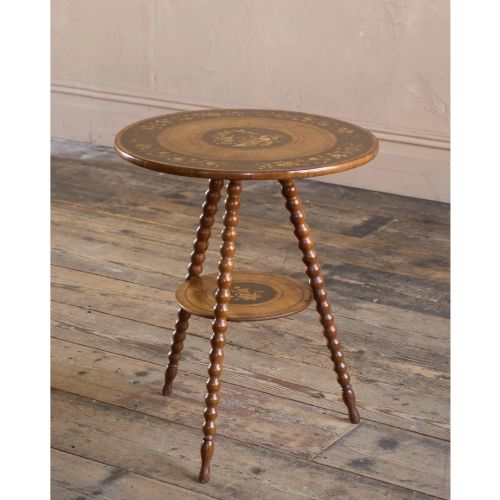
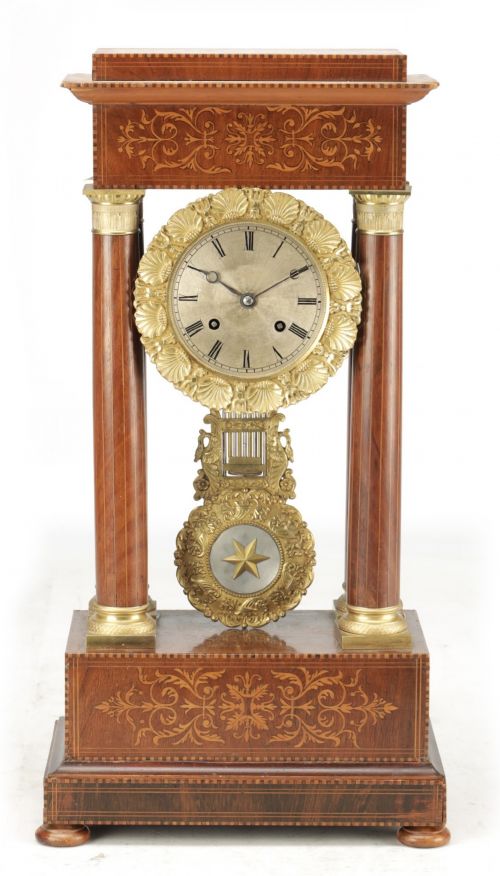
Many specimens incorporate cast brass mounts, ormolu details, and turned elements such as bobbin legs to complete the silhouette. The joinery relies on traditional nineteenth century framing techniques, ensuring the stability of the table top while accommodating the seasonal movement of veneered panels.
Some tables hide compartments for correspondence and needles, proving that nineteenth century surfaces worked hard while looking decorative.
Judging the work
The distinction between standard domestic production and superior workshop output lies in the crispness of the botanical cutting and the depth of figure in the primary wood veneers. Finer examples display meticulous registration where individual petals and stems meet without excessive filler.
Secondary wood selection and the precision of the cast brass or ormolu mounts indicate the original tier of manufacture. Well executed pieces maintain structural integrity in the pedestal base and tight joints along the apron and tabletop margins.
Edward Holmes Baldock·Liberty & Co·Edwards & Roberts
The Victorian Floral Inlay Table Glossary
- Marquetry
- Decorative veneer work forming pictures or patterns by assembling small pieces of coloured wood, bone, or shell. This technique defines the floral surfaces seen across nineteenth century salon furniture.
- Ormolu
- Gilded bronze mounts applied to furniture edges, feet, and aprons for decorative accent. It provides a bright metallic contrast to dark woods like rosewood and walnut.
- Burr walnut
- Timber sliced from tree growths that produces complex, swirling grain patterns highly valued for tabletop surfaces. It forms the primary visual field on numerous centre tables.
- Centre table
- A freestanding piece finished on all sides to sit in the middle of a room rather than against a wall. These forms often carry the most elaborate floral marquetry.
Victorian Floral Inlay Table: Frequently Asked Questions
Where should I place a centre table?
A centre table works best positioned in the middle of a principal room where its decorative top remains visible from all angles. It serves well as a surface for lamps or arrangements while functioning as a focal point.
Ensure adequate walking space around the perimeter so the piece functions properly within the room layout without obstructing daily movement.
How do I care for polished wood surfaces?
Maintain polished wood surfaces by dusting regularly with a soft, dry cloth and avoiding placement near direct heat sources or strong sunlight. These precautions protect the delicate veneers and prevent the timber from drying out.
Apply traditional wax sparingly when the surface loses its lustre, buffing gently to preserve the historic sheen of the walnut or rosewood.
What is the difference between a side table and a centre table?
A centre table is finished on all four sides to stand freely in an open space, whereas a side table is traditionally constructed to stand against a wall. Centre tables frequently feature elaborate floral inlay across the entire top surface.
When selecting between the two forms, consider whether the piece will be viewed in the round or anchored against a perimeter wall.
How can I date a nineteenth century table?
Dating relies on examining the secondary timbers used in the interior framing, the style of the leg turning, and the complexity of the marquetry. Mid century pieces often show French revival influences, while later examples incorporate broader eclectic details.
Maker stamps or labels, when present, provide a direct link to specific workshops operating during the Victorian period.