

Victorian Pedestal Wine Table
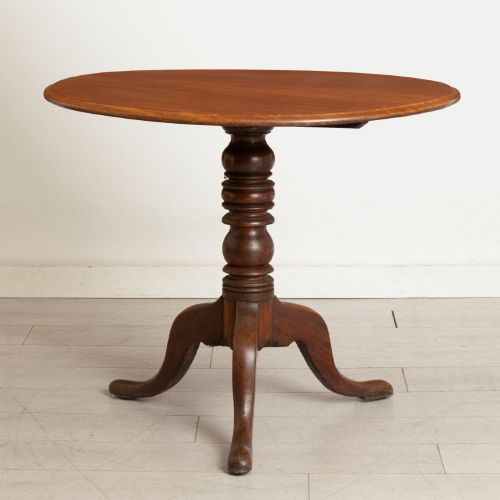
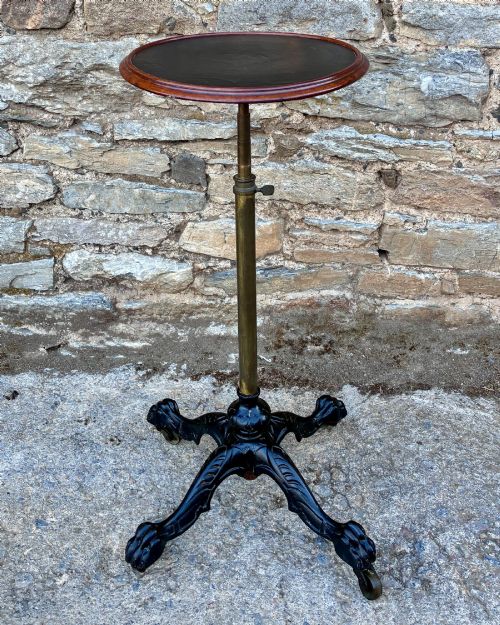
A victorian pedestal wine table is a compact timber stand on a single column, made to hold a glass or lamp beside a chair.
Victorian Pedestal Wine Table
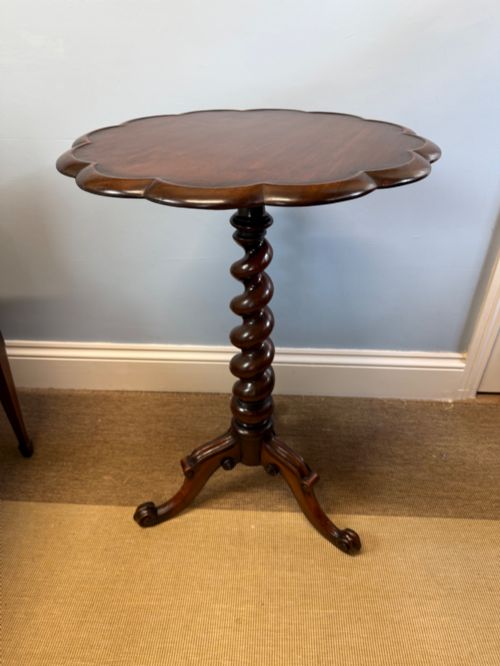
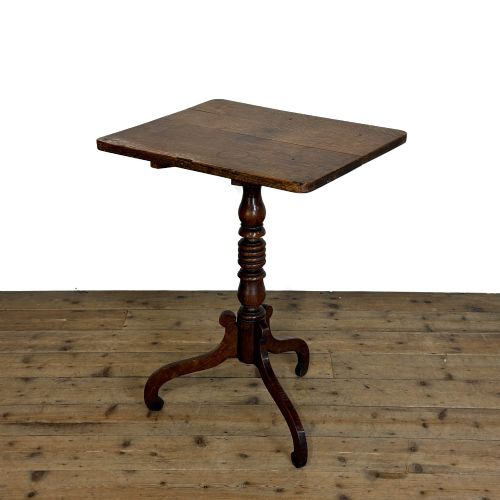
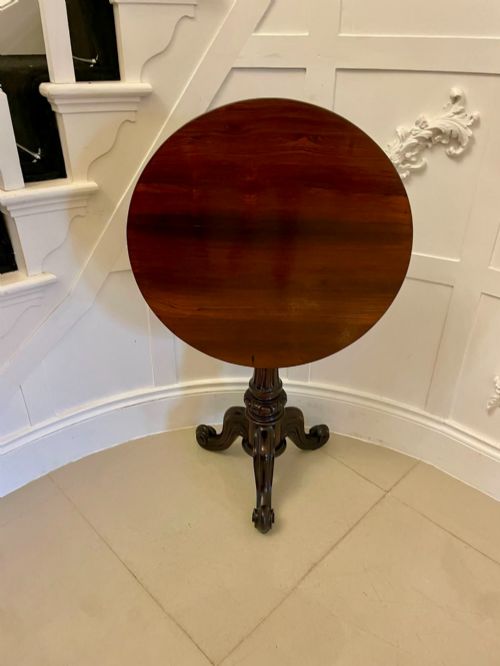
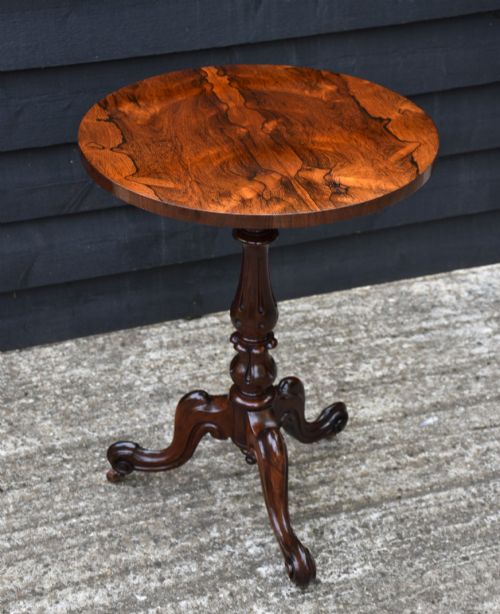
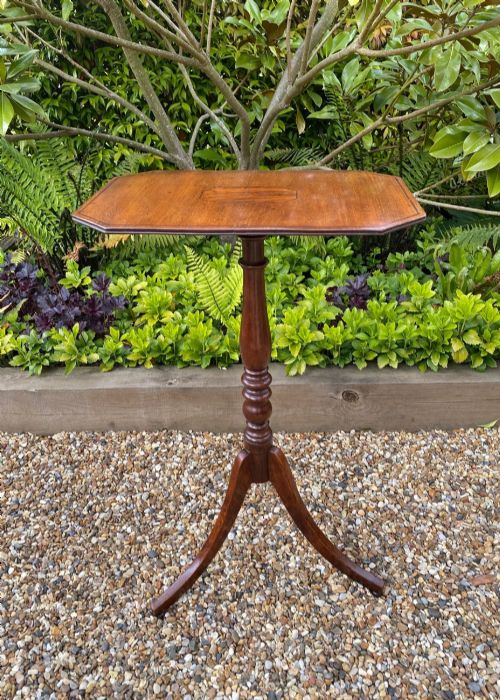
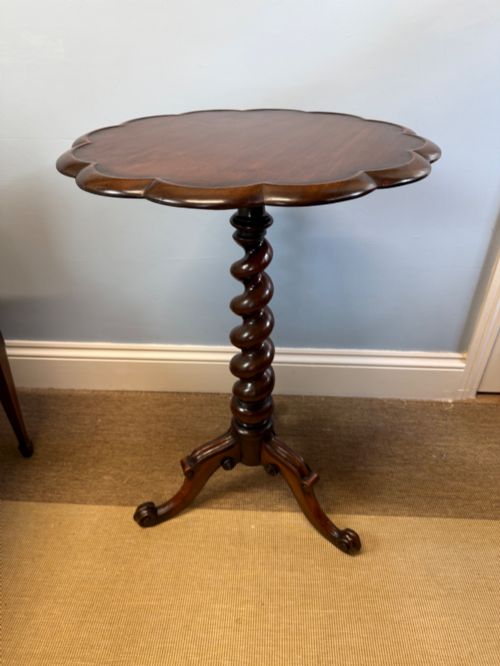
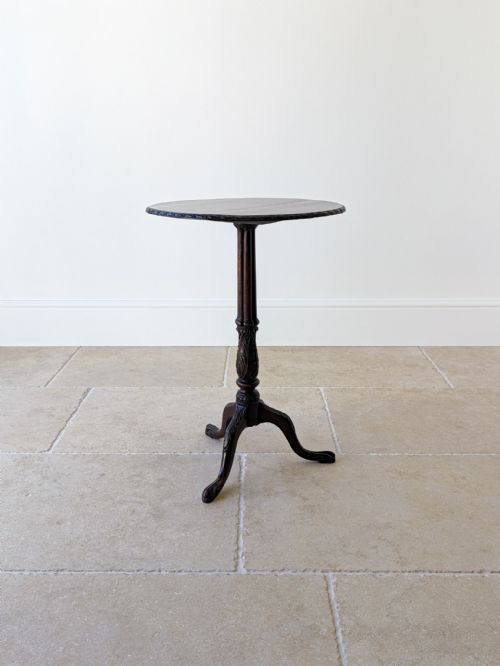
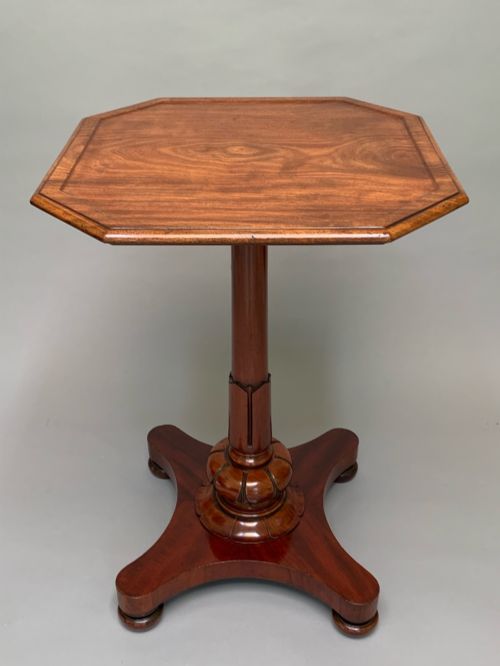
A victorian pedestal wine table is typically found as a circular circular-topped stand supported by a central pillar and a three-legged tripod base. These pieces date across the nineteenth century, with many examples emerging from the Victorian era and the broader 1850 to 1890 period.
The form frequently overlaps with lamp tables, occasional tables and candle stands, sharing the same small footprint and raised central column. Buyers often encounter tilt-top mechanisms that allow the surface to fold vertically when not in use.
Most pieces on this page are constructed from dense hardwoods like mahogany and walnut, though rosewood, oak and fruitwood also appear regularly. Regional revival styles, including Georgian and Chippendale influences, shape the decorative detailing of the legs and edges.
Materials and Construction
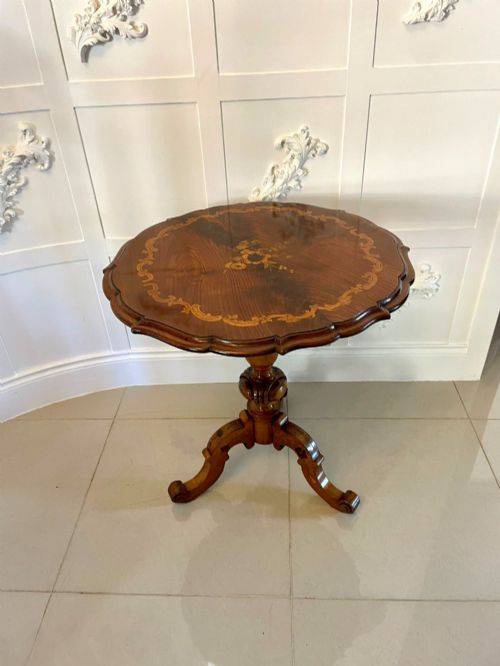
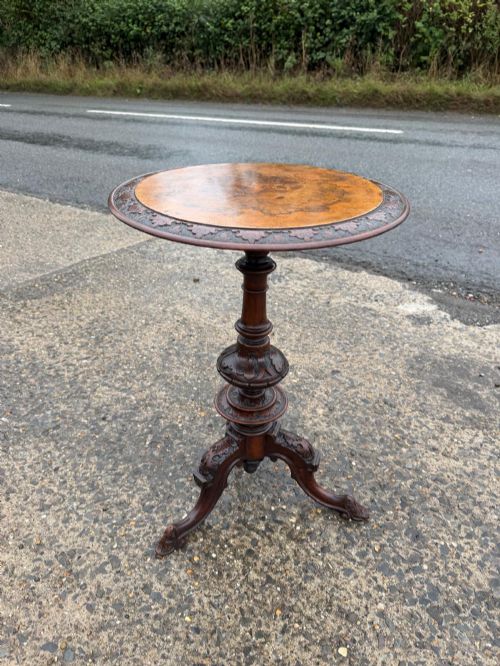
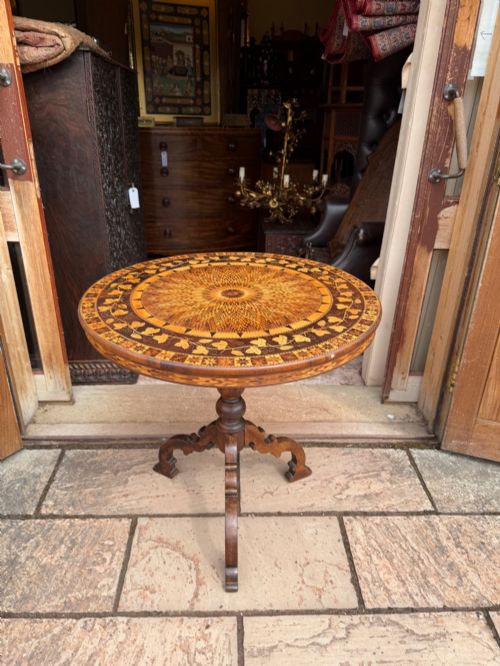
Cabinet makers utilised solid timbers such as mahogany, walnut and rosewood for the tops and turned columns, sometimes applying burr wood veneers or marquetry inlay to create figured surfaces. Tops were frequently mounted on birdcage mechanisms or tilt blocks attached to a central pedestal.
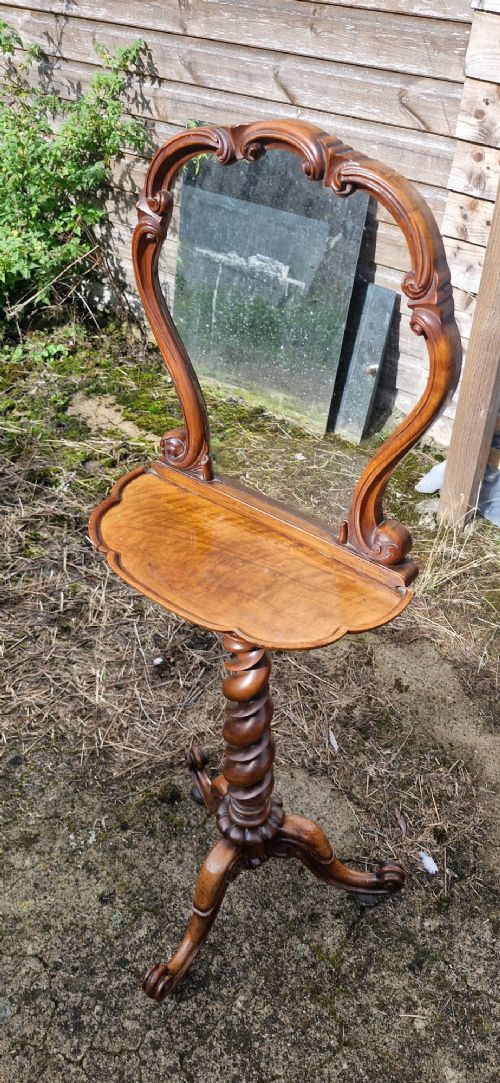
The support structures combine a central turned shaft, often featuring barley twist or bobbin-turned profiles, anchored into three splayed legs. Joinery relied on traditional tenon and dowel construction to ensure stability on the narrow tripod base.
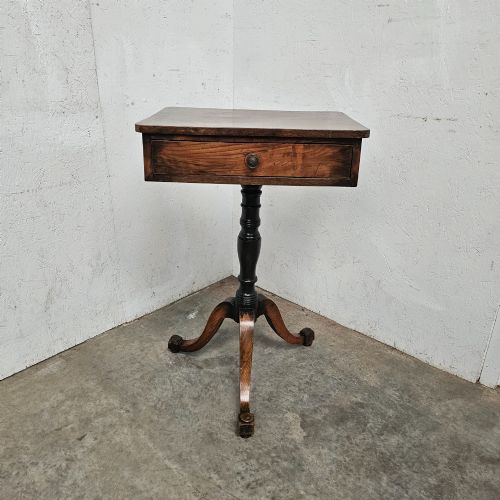
Some nineteenth-century examples come with built-in glass backs or hidden drawers that hint at secret letters or sewing notions.
Judging Quality
Quality rests in the selection of timber figure, such as richly grained burr walnut or dense mahogany, and the crispness of any carved decoration on the column or legs. Superior examples display balanced proportions where the weight of the top matches the spread of the tripod base without wobbling.
Finishing details distinguish finer workshop output, including precise marquetry inlay, delicate gallery edges, and smoothly operating tilt-top mechanisms that lock securely into place.
Gillows
The Victorian Pedestal Wine Table Glossary
- Tilt-top
- A table mechanism where the circular surface pivots on a hinge to rest vertically against the central column when stored. This design allowed tables to be tucked away against walls in smaller nineteenth-century drawing rooms.
- Tripod base
- A supporting structure composed of three splayed legs radiating from the base of the central pedestal. This configuration provides stability on uneven floorboards.
- Marquetry
- Decorative patterns formed by fitting together small pieces of dyed or contrasting wood veneers onto the table surface. Craftsmen used this technique to create geometric or floral motifs on walnut tops.
- Barley twist
- A carved column shape resembling a spiral rope wound around the central pillar. This turned detail is frequently seen on mid-nineteenth-century walnut pedestals.
Victorian Pedestal Wine Table: Frequently Asked Questions
What was a wine table used for?
These small stands served as convenient surfaces for holding glasses, decanters or candles close to seating areas during evening gatherings.
Their compact size allowed servants to move them easily around the room as needed.
How do I spot a tilt-top table?
Look underneath the circular surface for a wooden catch or a block mechanism that releases the pivot joint.
When unlocked, the entire top tips upward into a vertical position.
What woods are most common?
Mahogany and walnut appear most frequently across these nineteenth-century listings, often enhanced by burr veneers or marquetry.
Rosewood and oak are also found in various regional and revival pieces.
Where should I place one at home?
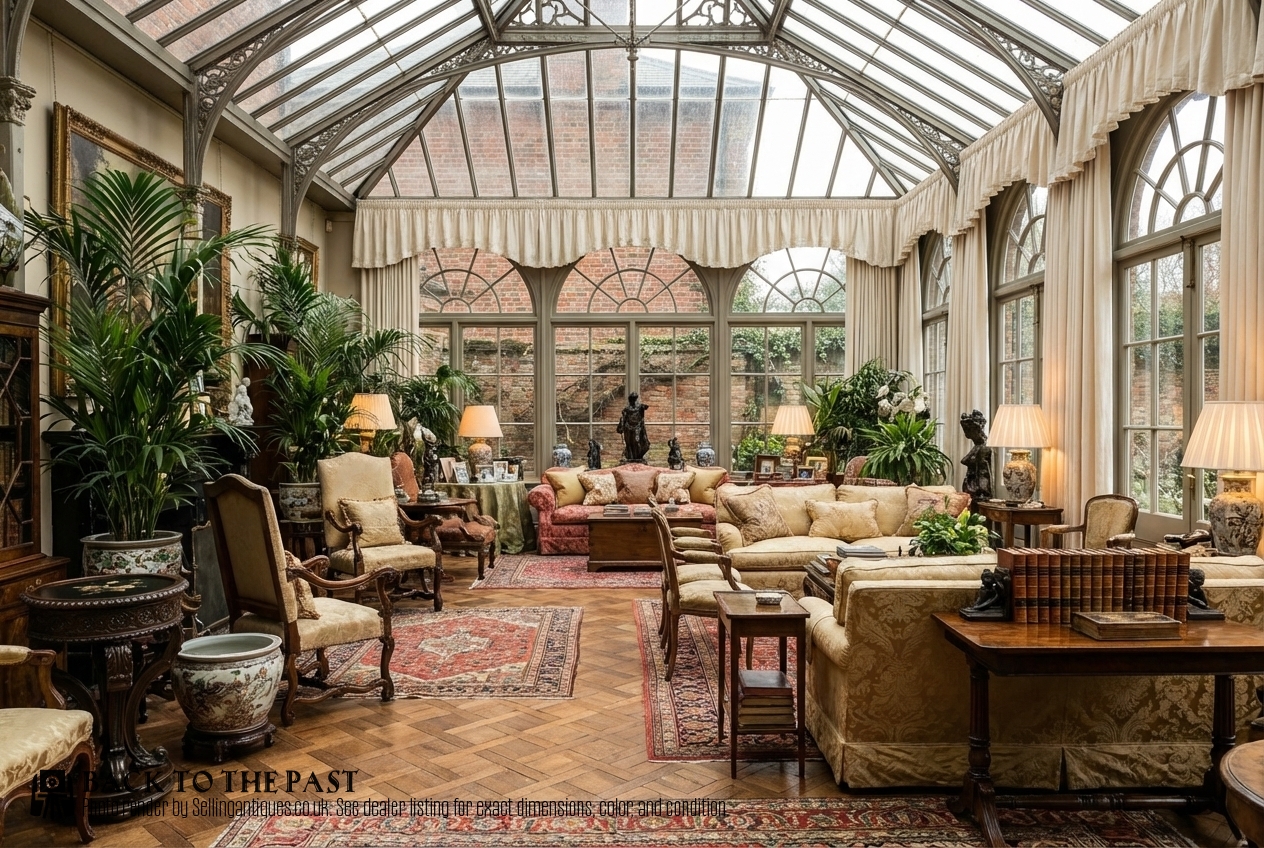
They fit well beside armchairs or sofas as lamp stands or resting spots for cups and books.
Their narrow footprint makes them ideal for filling awkward corners in hallways or sitting rooms.