


Victorian Floral Inlaid Table
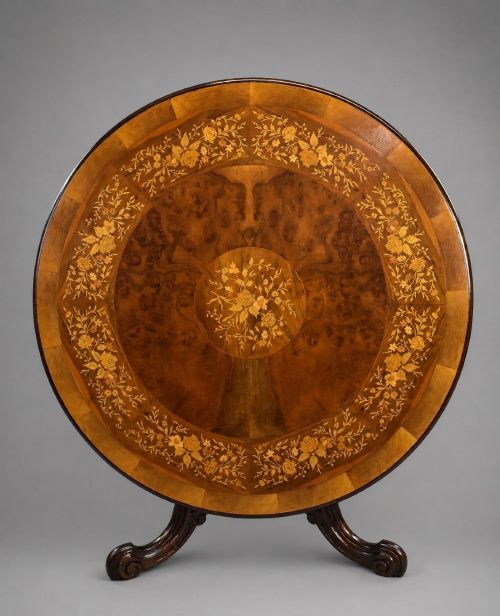
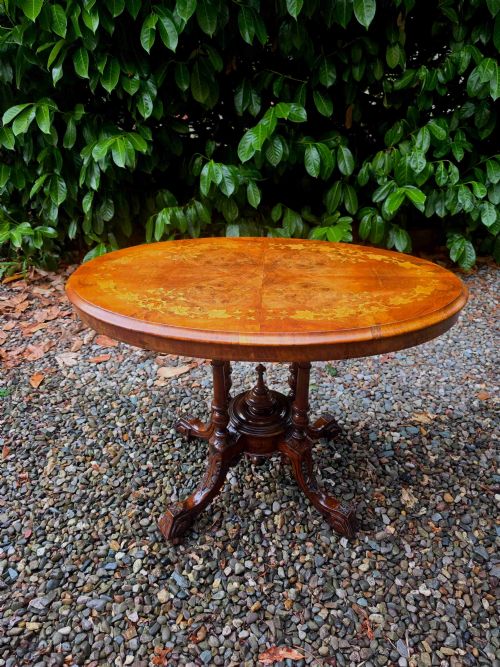
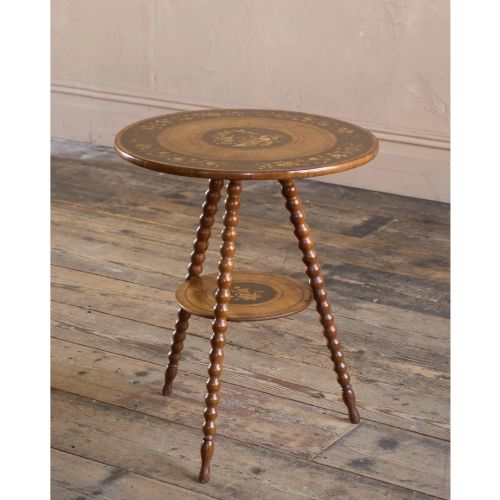
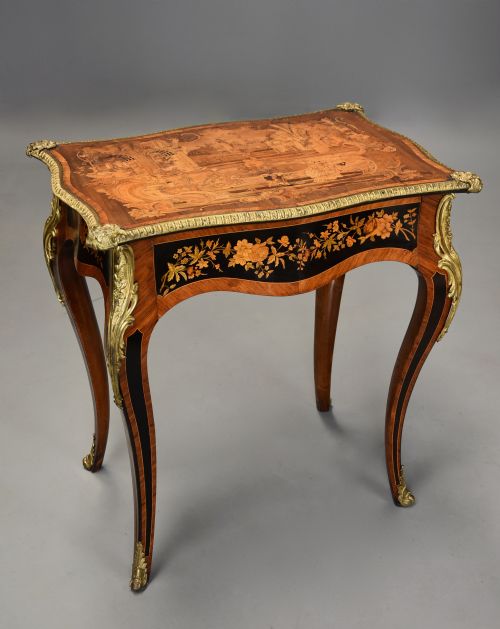
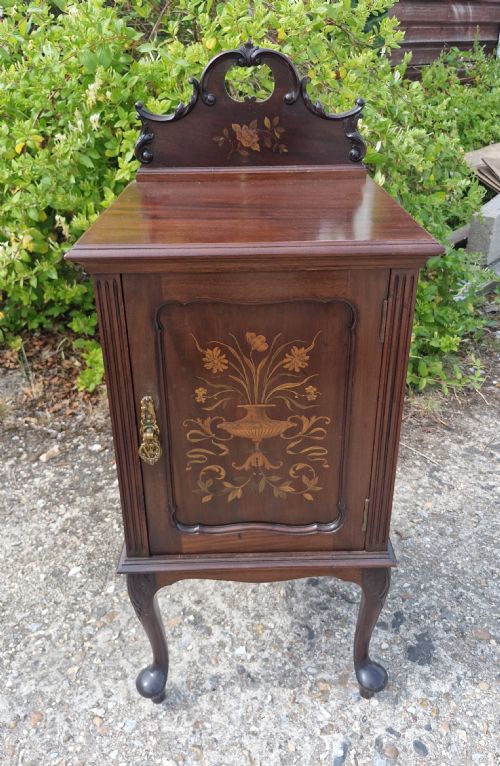
A victorian floral inlaid table brings rich marquetry and figured timbers together into a functional centrepiece for the room.
Victorian Floral Inlaid Table
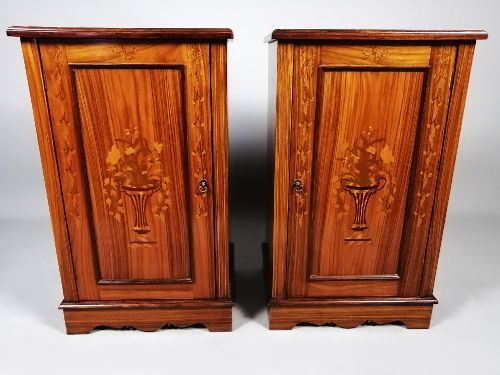
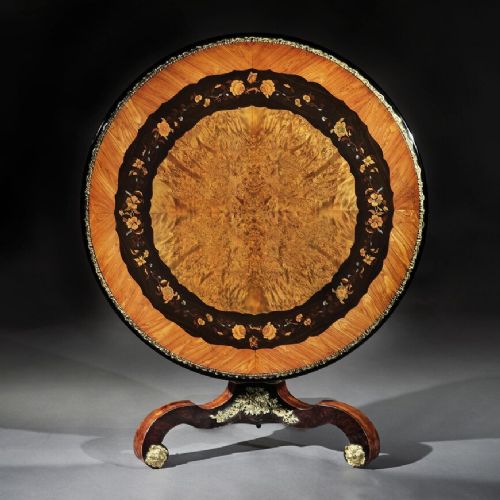
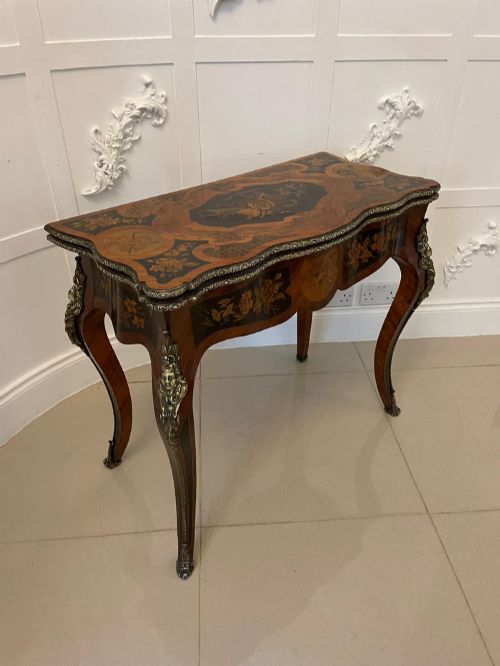
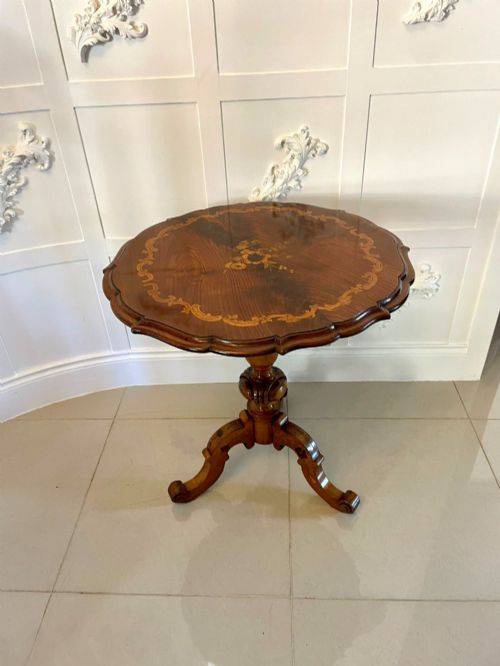
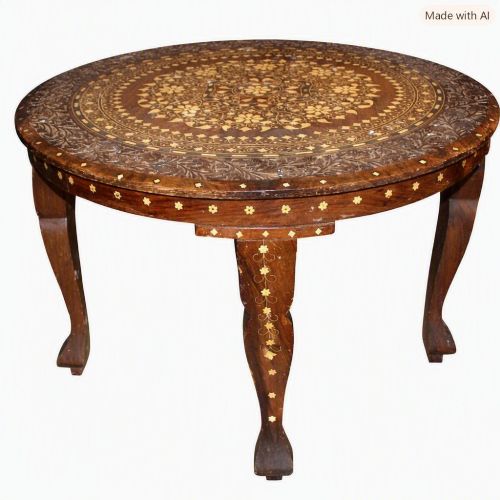
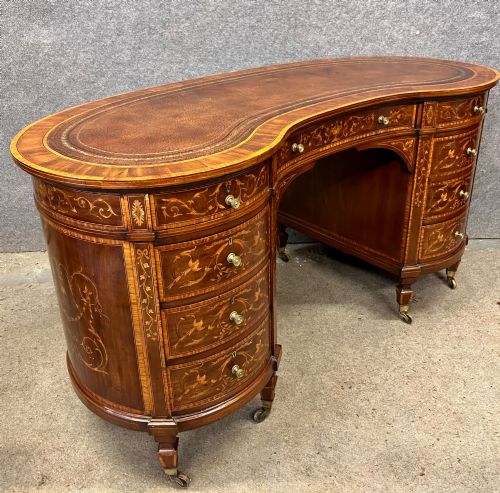
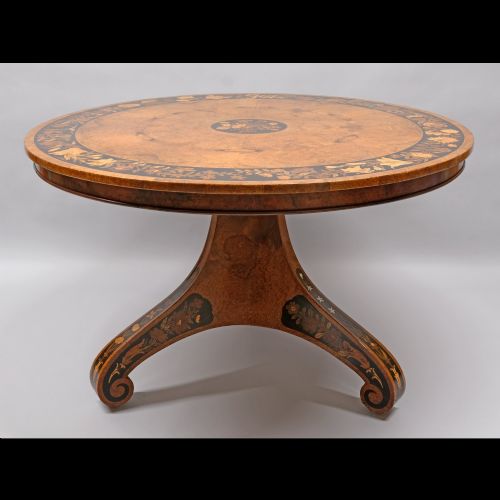
The most frequent version on this page is the walnut or burr walnut centre table decorated with elaborate floral marquetry on the top. Buyers also encounter rosewood, mahogany, and kingwood variants configured as side tables, games tables, or desks.
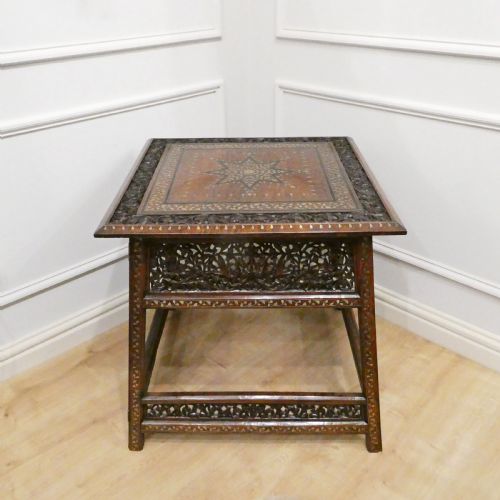
Origins stretch from English workshops to French revival pieces and specialised regional iterations such as Anglo-Indian bone inlaid items. Makers like Edward Holmes Baldock and Edwards & Roberts appear among the finer examples.
Materials and Technique
Cabinet makers utilised dense hardwoods including walnut, burr walnut, rosewood, and mahogany as the structural base for these tables. Contrasting timbers such as satinwood, kingwood, and olive wood provided the precise tonal range needed for floral marquetry motifs.
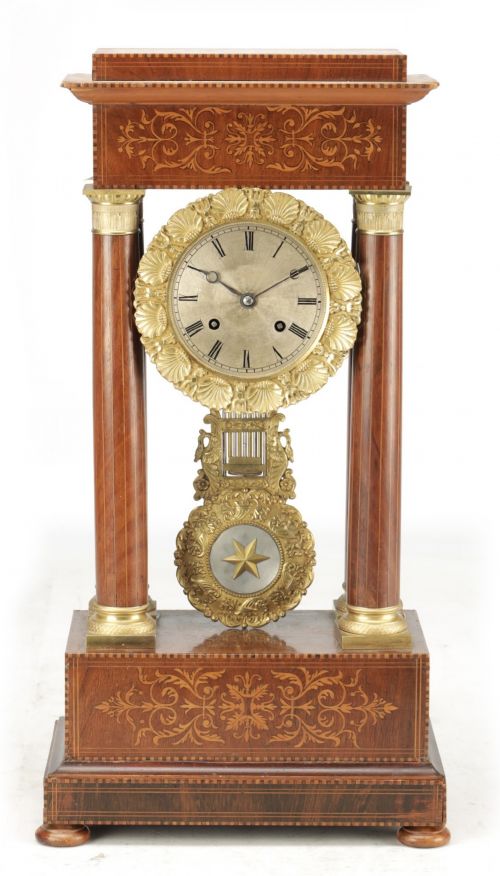
Floral designs were formed by cutting thin veneers of dyed and natural woods, assembling them into complex pictorial patterns, and pressing them into the primary timber. Ormolu mounts, brass details, and bone inlay frequently supplement the woodwork on French style and Anglo-Indian variants.
Listings feature walnut, rosewood, mahogany, and kingwood alongside brass, bone, and ormolu details.
Judging the Workmanship
The distinction between ordinary and exceptional pieces rests on the precision of the marquetry cutter and the choice of ground timber. Burr walnut with lively, balanced grain patterns and tightly fitted floral inlays commands attention above plain surfaces.
Secondary details such as the crispness of ormolu mounts, the integrity of the underlying carcase, and the fluidity of secondary carvers or turners separate standard production from master workshop output.
Edward Holmes Baldock·Edwards & Roberts·Liberty & Co
The Victorian Floral Inlaid Table Glossary
- Marquetry
- Decorative veneer work forming pictures or patterns by assembling pieces of various woods. This technique defines the floral surfaces seen on many nineteenth century tables.
- Ormolu
- Gilt bronze mounts applied to furniture for decorative effect. These metallic embellishments appear frequently on French style tables from the period.
- Burr Walnut
- Wood taken from a walnut tree outgrowth, producing intricate, swirling grain patterns. It serves as the primary ground timber for numerous high quality Victorian tables.
- Etagere
- A set of open shelves for displaying small objects. These tiered pieces often incorporate inlaid decoration and brass mounts.
Victorian Floral Inlaid Table: Frequently Asked Questions
Where should a centre table go?
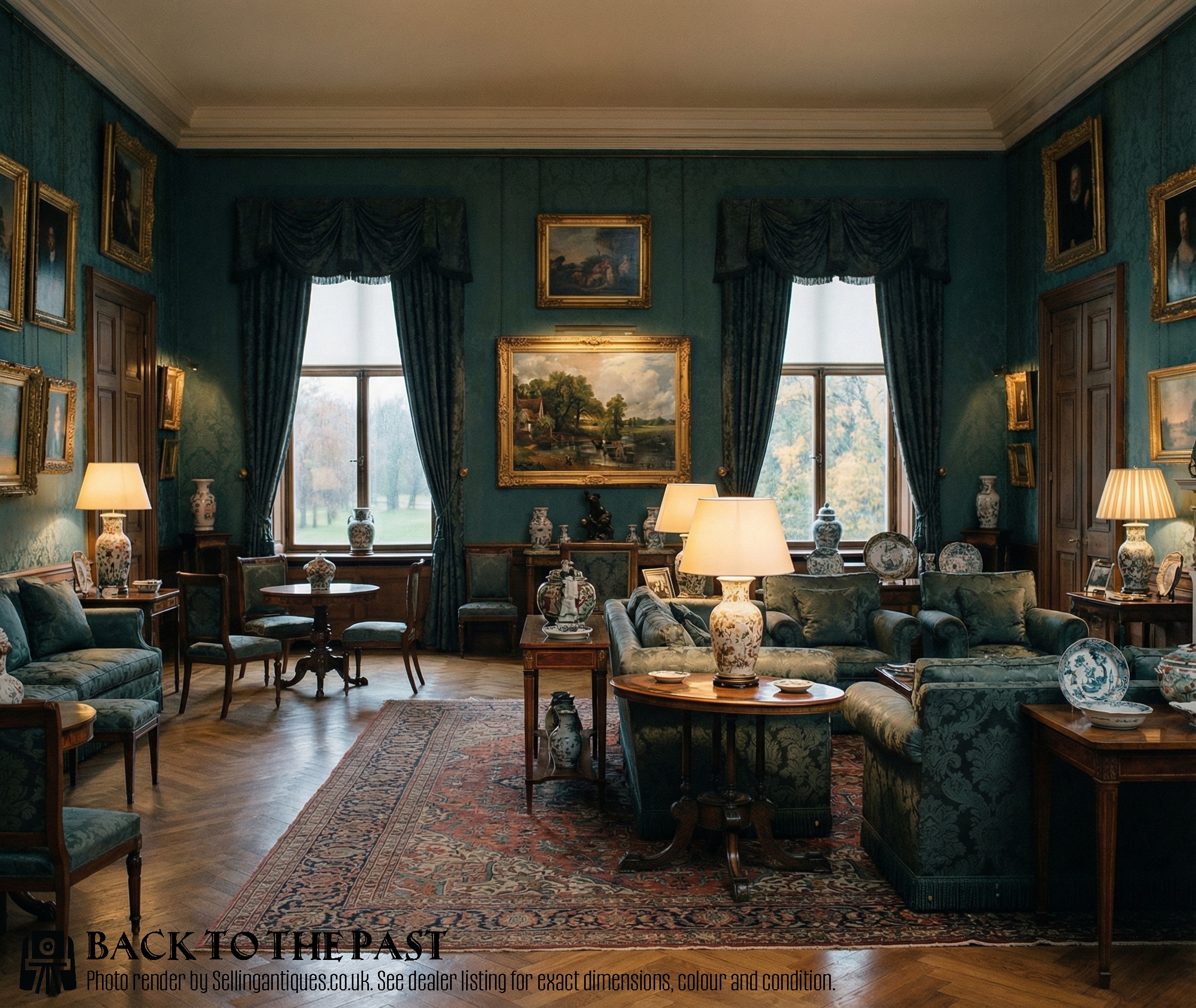
A centre table stands naturally in the middle of a room where its inlaid top remains visible from all angles. It serves as a display surface for lamps, books, or decorative objects.
Positioning the piece away from direct sunlight protects the dyed wood veneers and sensitive timbers from fading over time.
How do I care for inlaid wood?
Maintaining these surfaces requires simple dusting with a soft, dry cloth and avoiding modern liquid polishes that can seep into veneer joints. Natural beeswax applied sparingly preserves the finish.
Keeping the table away from heat sources and extreme humidity prevents the wood from shrinking and the delicate marquetry from lifting.
How are Victorian and Edwardian styles different?
Victorian furniture generally employs heavier timbers like burr walnut and rosewood with dense, ornate floral marquetry and darker finishes. Edwardian pieces tend to use lighter satinwood or mahogany with more restrained inlay work.
Both periods drew heavily on French revival influences, though Edwardian designs often lean toward simpler structural silhouettes.